


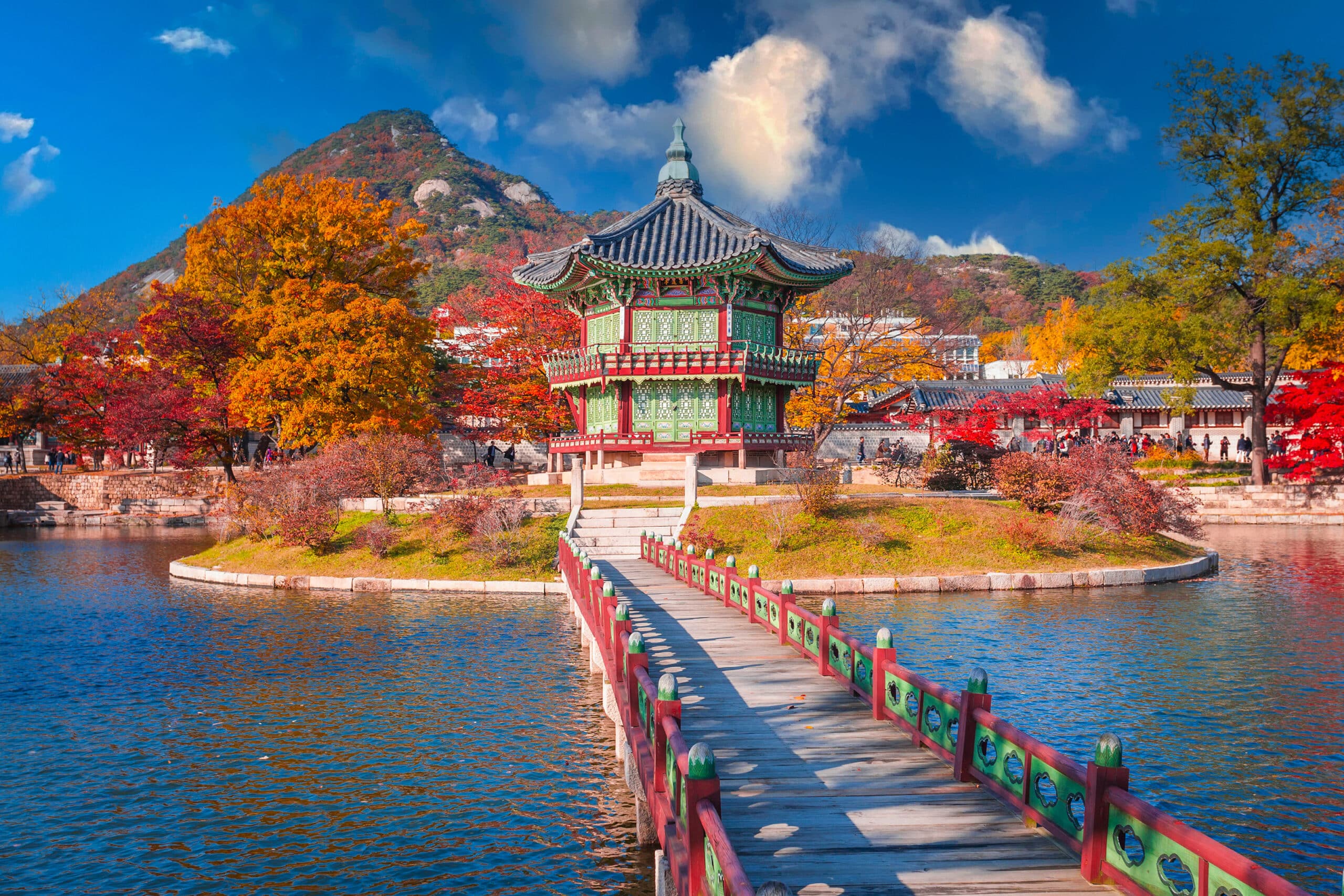
Travel to South Korea
Seoul, Jeju, temples & royal palaces — between tradition and K-culture
Feel like discovering South Korea, a fascinating country where centuries-old royal palaces, ultra-modern dynamism, exceptional gastronomy and a globally renowned K-pop culture come together?
Still little-known ten years ago, South Korea has established itself as one of Asia’s flagship destinations. From the bustling metropolis of Seoul to the volcanic landscapes of Jeju Island, via the historic alleyways of Gyeongju and the lively beaches of Busan, every corner of the country holds surprises.
The best time to visit South Korea is spring (March–May) for the cherry blossoms, or autumn (September–November) for forests ablaze with red and gold. Temperatures are mild, skies are clear and festivals are plentiful.
Voyages Flammang offers you a tailor-made trip to South Korea, combining cultural discoveries in Seoul, immersion in nature in Jeju and exploration of the peninsula’s treasures, departing from Luxembourg.
Why travel to South Korea?
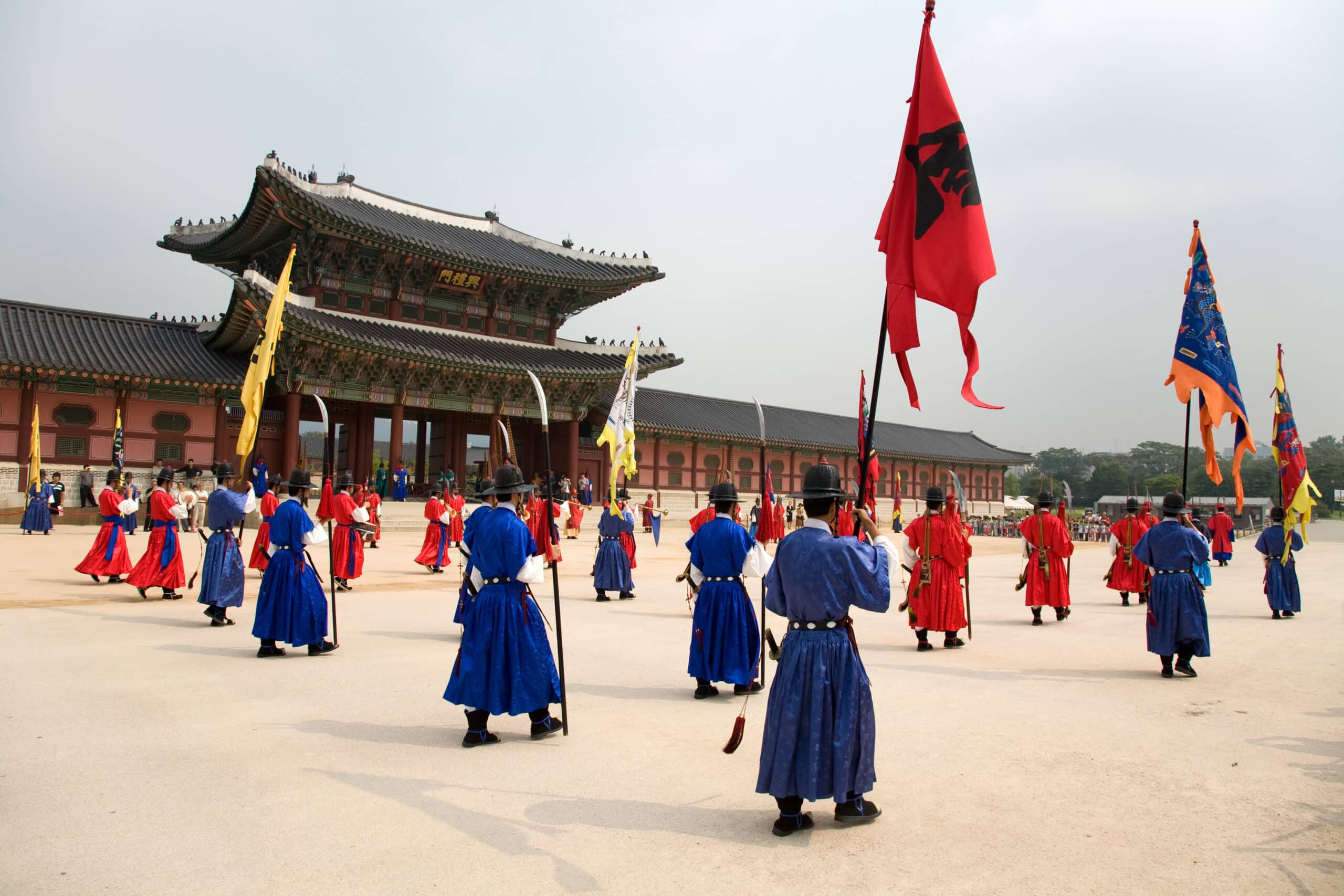
South Korea is a unique destination that combines exceptional historical heritage, technological modernity, street food gastronomy and global pop culture. A country that surprises you at every street corner and leaves a lifelong impression on travellers.
Discover our best offers for your trip to South Korea
Our experts have selected for you the most popular stays in South Korea: a cultural tour in Seoul, an autumn getaway with golden leaves, a Seoul–Busan–Jeju combination or a K-culture immersion.
Whether you’re looking for a discovery tour, a trip for two, a K-pop stay or a nature adventure, each offer can be fully customised to suit your dates, your budget and your wishes.
Voyages Flammang designs your tailor-made trip to South Korea for you, from Luxembourg.
€3,350
price per person
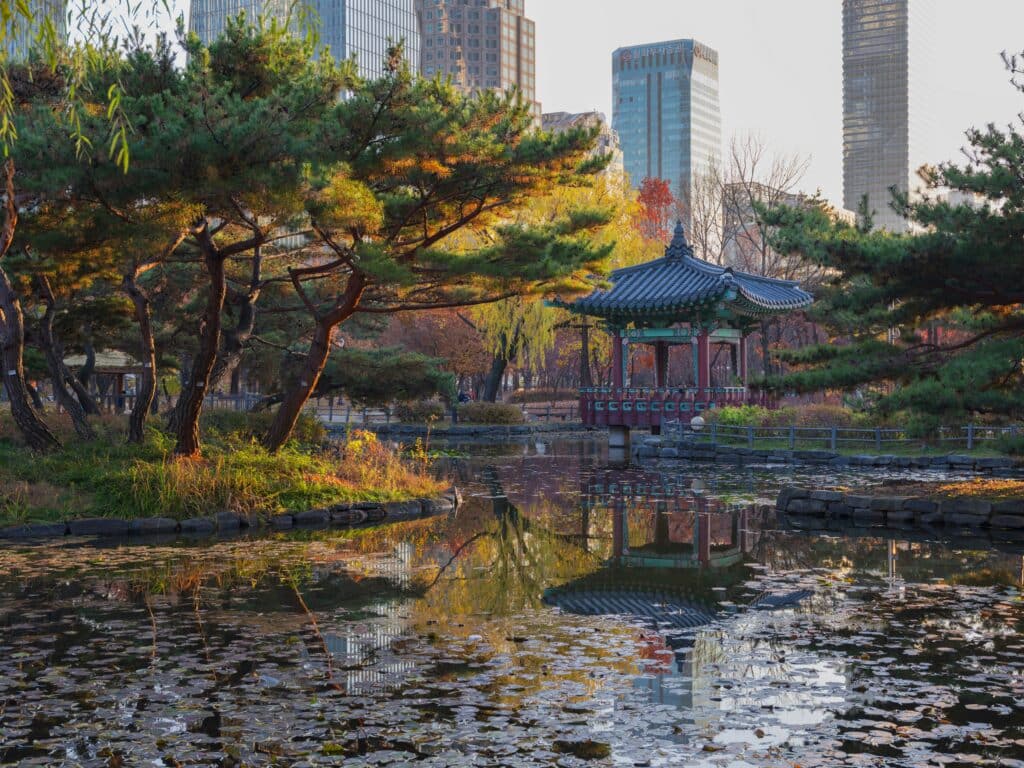
Autumn Colours Free Journey
- Seoul – Nami Island – Mount Seorak – Gyeongju – Busan – Seoul
- Private self-guided tour
- Access to the 4 main palaces of Seoul
€3,123
price per person
Wild and volcanic Korea
- Les étapes incontournables d’une première découverte de la Corée
- Les transports et hébergements réservés, avec la liberté d’organiser vos journées à votre rythme
- Un séjour de 2 nuits sur l’île de Jeju
10.358€
price per person
The diversity of the Far East
- 14-night cruise from Tokyo to Hong Kong
- Sailing aboard Mein Schiff 6
- Stopovers in Japan, South Korea, China and Hong Kong
When to go to South Korea?
South Korea experiences four distinct seasons, with conditions that vary greatly depending on the time of year. Each season offers a unique experience, but some are clearly more favorable for travelers.
Spring (March – May)
Cherry blossom season: The best time of the year. Cherry blossoms (Korean hanami) turn Seoul and Gyeongju into fairy-tale scenes. Mild temperatures (11–24°C), blue skies, festivals everywhere.
Autumn (September – November)
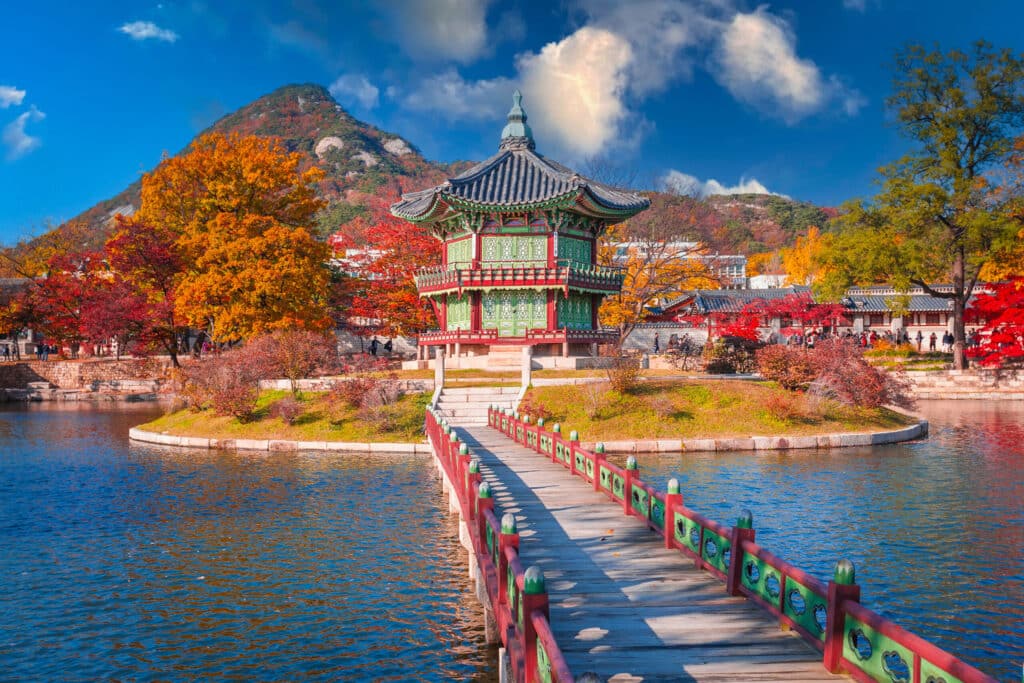
An explosion of color: The second-best time to go. Forests dress in red, orange, and gold. Seoraksan, Naejangsan, and mountain temples offer spectacular scenery. Cool, dry weather.
Summer (June – August)
Rainy season: The monsoon (jangma) hits in July–August with heavy rainfall and high humidity. High temperatures (28–32°C). The least recommended season, except for the beaches of Busan.
Winter (December – February)
Cold and snow: Sub-zero temperatures in Seoul (−5 to 3°C). A festive winter atmosphere, but limited outdoor activities. Ski resorts in full swing (Pyeongchang, Yongpyong).
Seoul
| Jan | Feb | March | April | Mai | June | July | Aug | Sept | Oct | Nov | Dec | |
|---|---|---|---|---|---|---|---|---|---|---|---|---|
| Our opinion | ||||||||||||
| Season | ||||||||||||
| Tourist peak | ||||||||||||
| T° max | 3°C | 5°C | 11°C | 18°C | 24°C | 28°C | 30°C | 31°C | 26°C | 19°C | 11°C | 4°C |
| Rainy days | 3 d | 5 d | 7 d | 10 d | 9 d | 12 d | 17 d | 15 d | 9 d | 5 d | 6 d | 4 d |
| T° sea | 10°C | 10°C | 11°C | 13°C | 17°C | 20°C | 24°C | 26°C | 24°C | 20°C | 15°C | 11°C |
| Hiking |
Where to go in South Korea? The must-sees not to miss
Seoul – palaces, K-culture & street food
As a vibrant capital of 10 million inhabitants, Seoul is the essential gateway. Gyeongbokgung Palace, Bukchon Hanok Village, Gwangjang Market, shopping in Myeongdong, and lively nights in Hongdae.
- Gyeongbokgung Palace & changing of the guard
- Historic Bukchon district
- Gwangjang Market & K-food
Jeju Island – volcanoes & UNESCO landscapes
The volcanic island of Jeju is triple-listed by UNESCO (nature, biosphere, geopark). Hike to the summit of Mount Hallasan (1,950 m), Manjanggul Lava Tube, waterfalls, beaches, and haenyeo (traditional female divers).
- Mount Hallasan & volcanic hiking
- Jusangjeolli Cliffs
- Hamdeok & Jungmun beaches
Busan – beaches & seaside gastronomy
Busan, the country’s second-largest city, is famous for Haeundae Beach, the Jagalchi Fish Market, the seaside Haedong Yonggungsa Temple, and the colorful Gamcheon Village.
- Haeundae & Gwangalli beaches
- Haedong Yonggungsa Temple
- Jagalchi Market & sashimi
Gyeongju – the Rome of the East
Former capital of the Silla Kingdom, Gyeongju is nicknamed the “museum without walls.” Daereungwon royal tombs, Bulguksa Temple and Seokguram Grotto (both UNESCO), Anapji Pond, and millennia-old pagodas.
- Bulguksa Temple (UNESCO)
- Daereungwon Tumuli
- Seokguram Grotto
DMZ & Suwon – history and fortifications
The Demilitarized Zone (DMZ) is one of the most heavily monitored borders in the world — a unique guided tour from Seoul. The Hwaseong Fortress in Suwon (UNESCO) is one of the best preserved in Korea.
- Guided DMZ tour
- Hwaseong Fortress (UNESCO)
- Traditional villages of Jeonju
Which trip to South Korea is made for you?
South Korea lends itself to all kinds of travel: fascinating cultural tours with family, romantic getaways for couples, or adventures with friends mixing K-culture, hiking, and gastronomy.

Family trip – palaces, parks & K-food
Everland and Lotte World for kids, royal palaces, interactive museums and K-food tastings: South Korea offers unforgettable experiences for the whole family in a very safe environment.
- Everland & Lotte World
- Royal palaces & museums
- Street food & K-food

Couples trip – cherry blossoms & golden autumn
Strolling under the cherry blossoms of Gyeongju in spring, dining with a view of Seoul’s illuminated skyline, discovering temples in the autumn mountains: South Korea is a romantic destination off the beaten track.
- Cherry blossoms in spring
- Seoul skyline at night
- Temples in golden autumn

Trip with friends – K-pop, nights out & hiking
Electric nights in Hongdae, visits to K-pop studios, a hike on Seoraksan, karaoke nights (norebang) and Korean barbecue until the early hours: South Korea is an incredibly fun destination with friends.
- Hongdae nights & bars
- Norebang & Korean BBQ
- Seoraksan hike
Practical tips for your trip to South Korea
South Korea has the fastest internet connection in the world and is the global birthplace of K-pop and K-dramas. Seoul is the only Asian megacity with a river fully developed as an urban park: the Cheonggyecheon.
The currency is the Korean won (KRW). South Korea is a very cashless society: bank cards (Visa, Mastercard) are accepted everywhere. T-money kiosks in the subway make small payments easier.
The official language is Korean (Hangul). English is not widely spoken outside tourist areas. Plan to use the Papago app (Naver’s Korean translator) and download offline maps.
Outlets are type C and F (round, 220V/60Hz), compatible with European plugs. No adapter needed when traveling from Luxembourg.
The Seoul metro is one of the best in the world: clean, punctual, inexpensive, and fully available in English. The T-money card (rechargeable) works throughout the country. KTX trains connect Seoul to Busan in 2h30.
No visa required for EU citizens for a tourist stay of up to 90 days. Note: since 2024, the K-ETA (electronic authorization) is required. Passport valid for at least 6 months.
South Korea is one of the safest countries in the world. Crime is extremely low. You can get around alone, including at night. Stay informed about diplomatic developments with North Korea.
South Korea is a mid-range destination. Seoul is more expensive than the rest of the country. Meal at a local restaurant: €5–12. Accommodation: from hostels (€20–40) to luxury palaces. Transportation remains very affordable.
No mandatory vaccines. Recommended vaccines: hepatitis A, typhoid, tetanus. The quality of medical care in South Korea is excellent. Travel insurance with repatriation is strongly recommended.
Create your dream trip to South Korea now
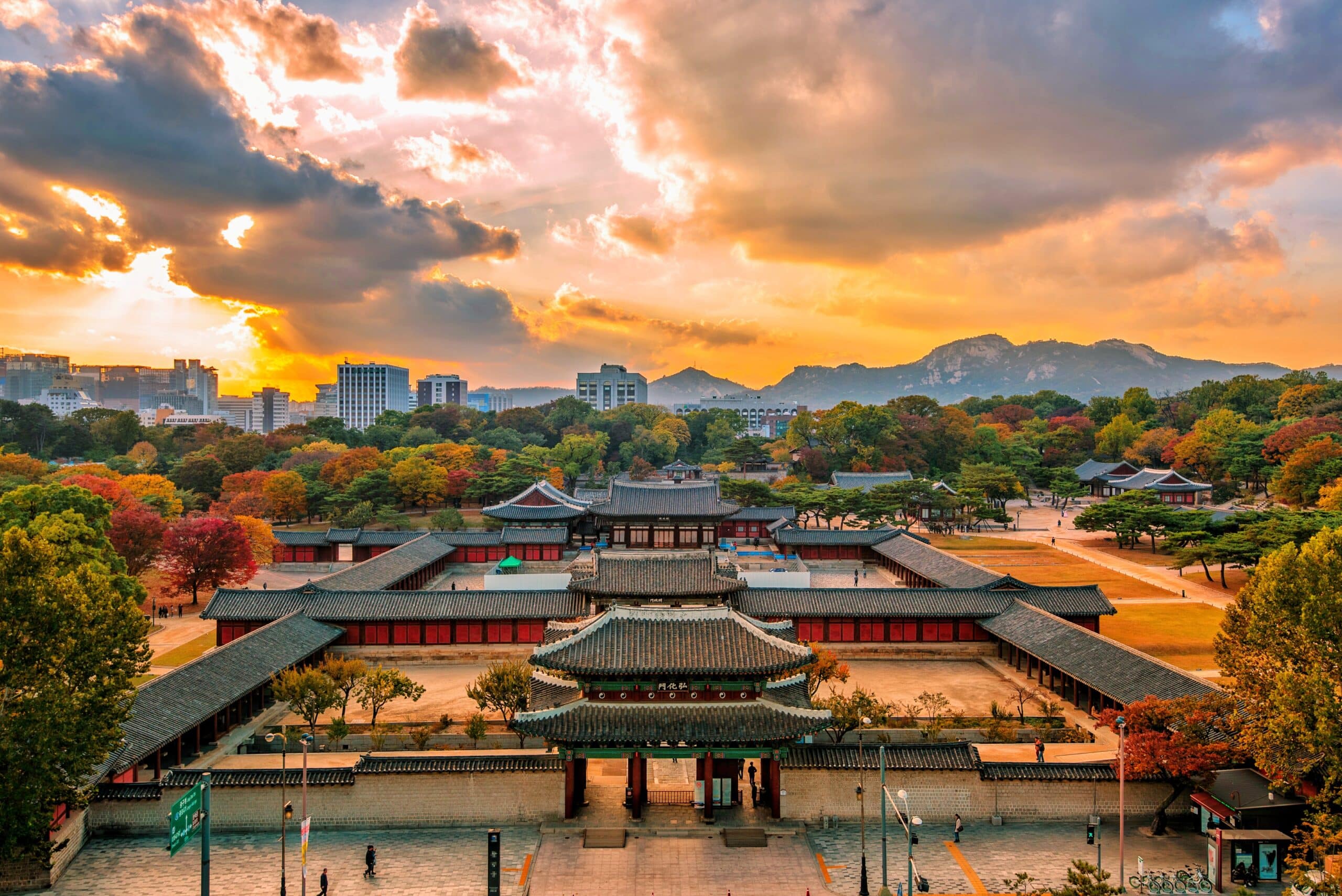
Royal palaces in Seoul, cherry blossoms in spring, golden autumns, and delicious K-food. We design for you a tailor-made trip to South Korea, fully adapted to your dates, your budget, and your wishes.
Also discover our other destinations in Asia
South Korea pairs perfectly with Japan, Vietnam, or Japan. Explore our other Asian destinations to create your ideal itinerary.
Bali
Between rice paddies, volcanoes and lagoons, serenity becomes an island
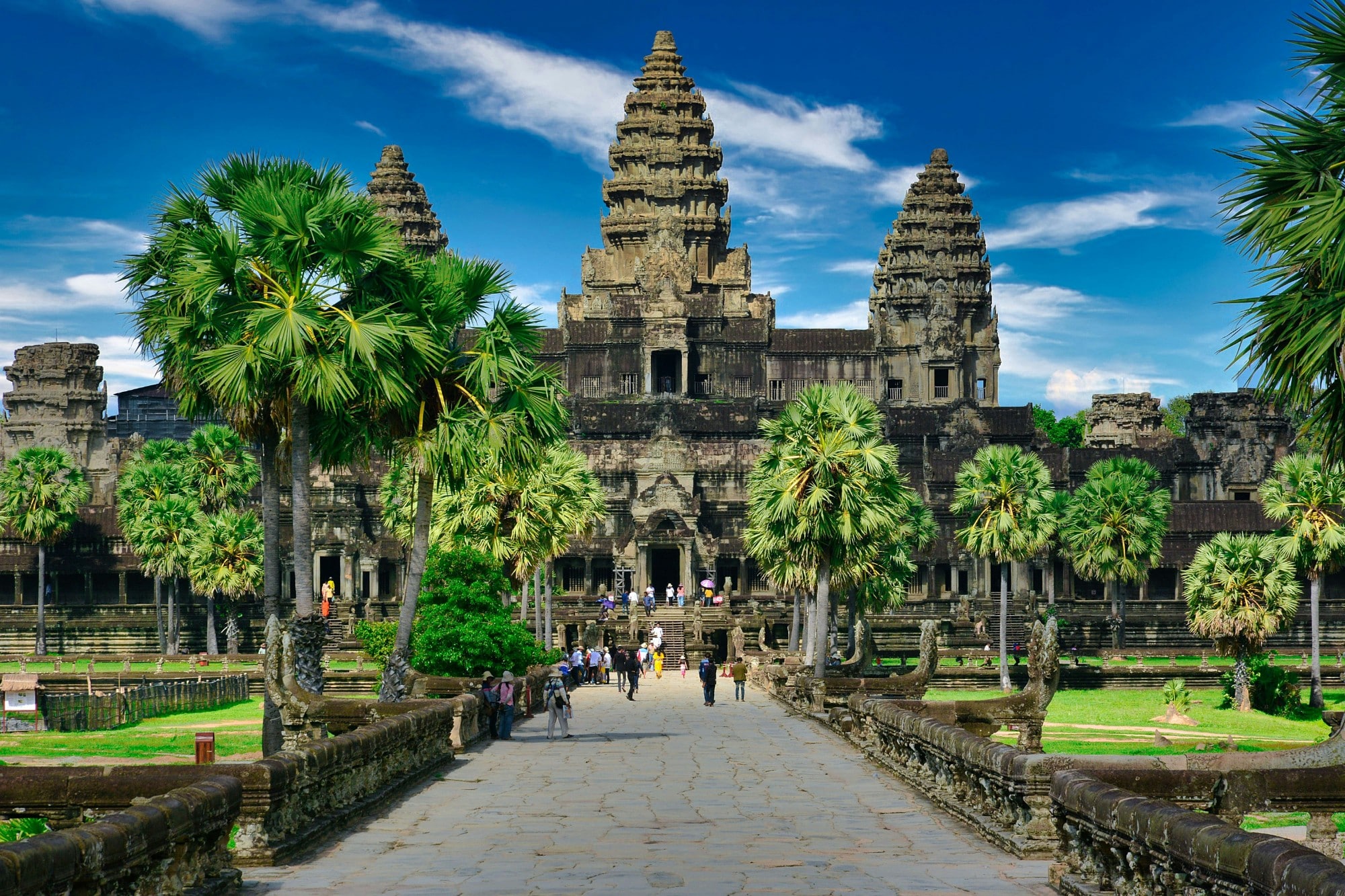
Cambodia
An eternal kingdom between rice fields and ruins
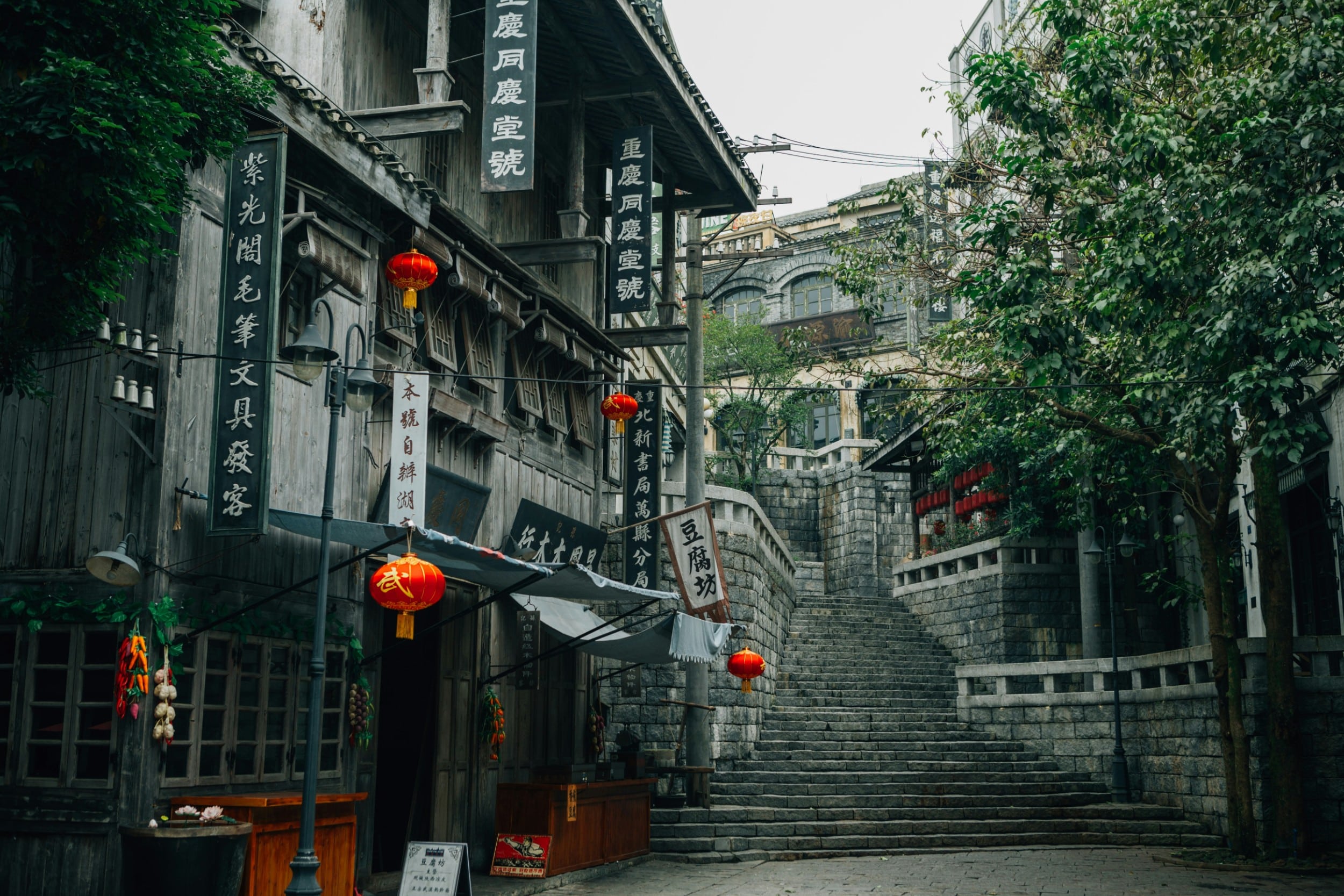
China
From the Great Wall to futuristic skyscrapers
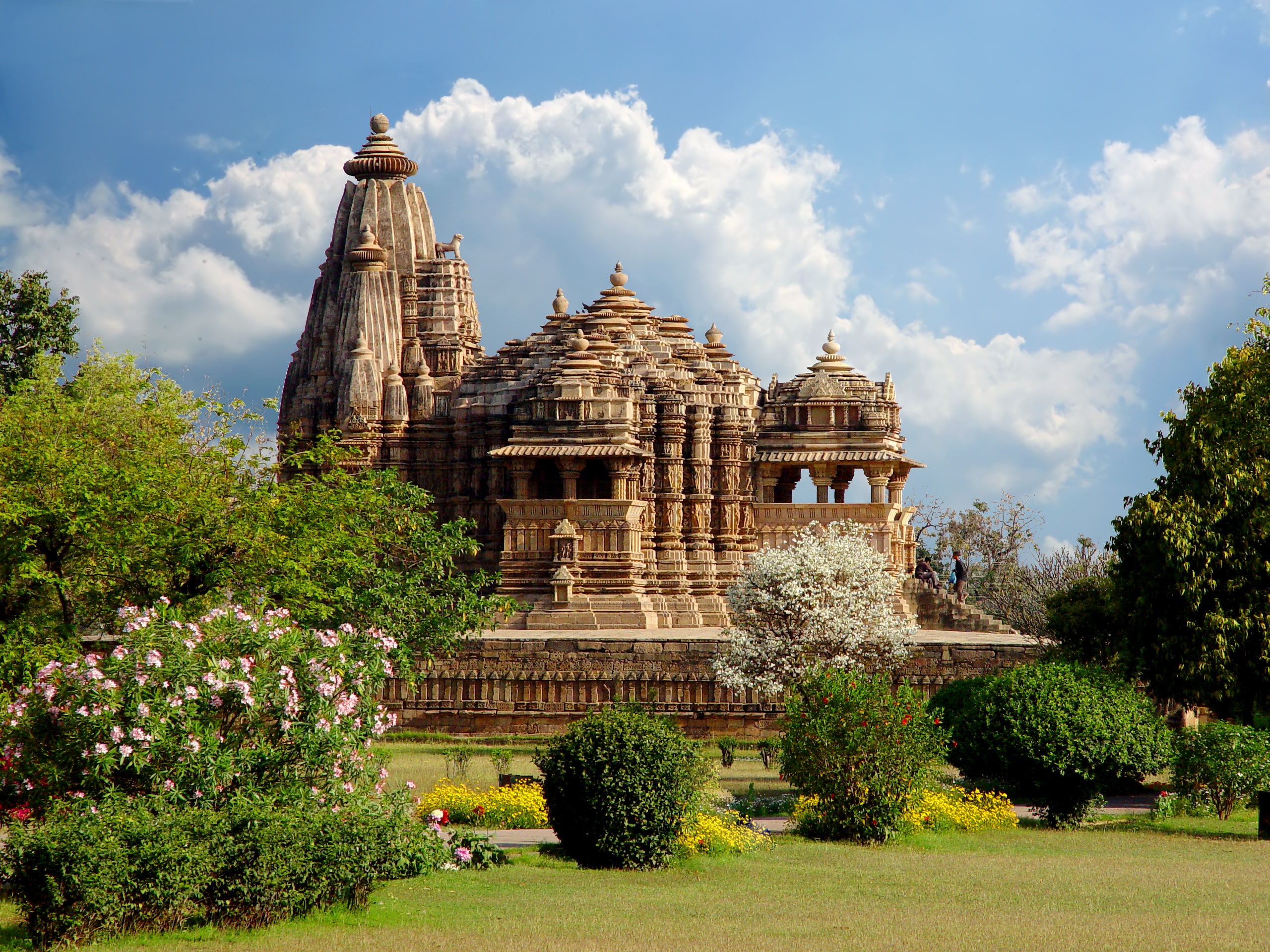
India
A world of colours, scents and spirituality
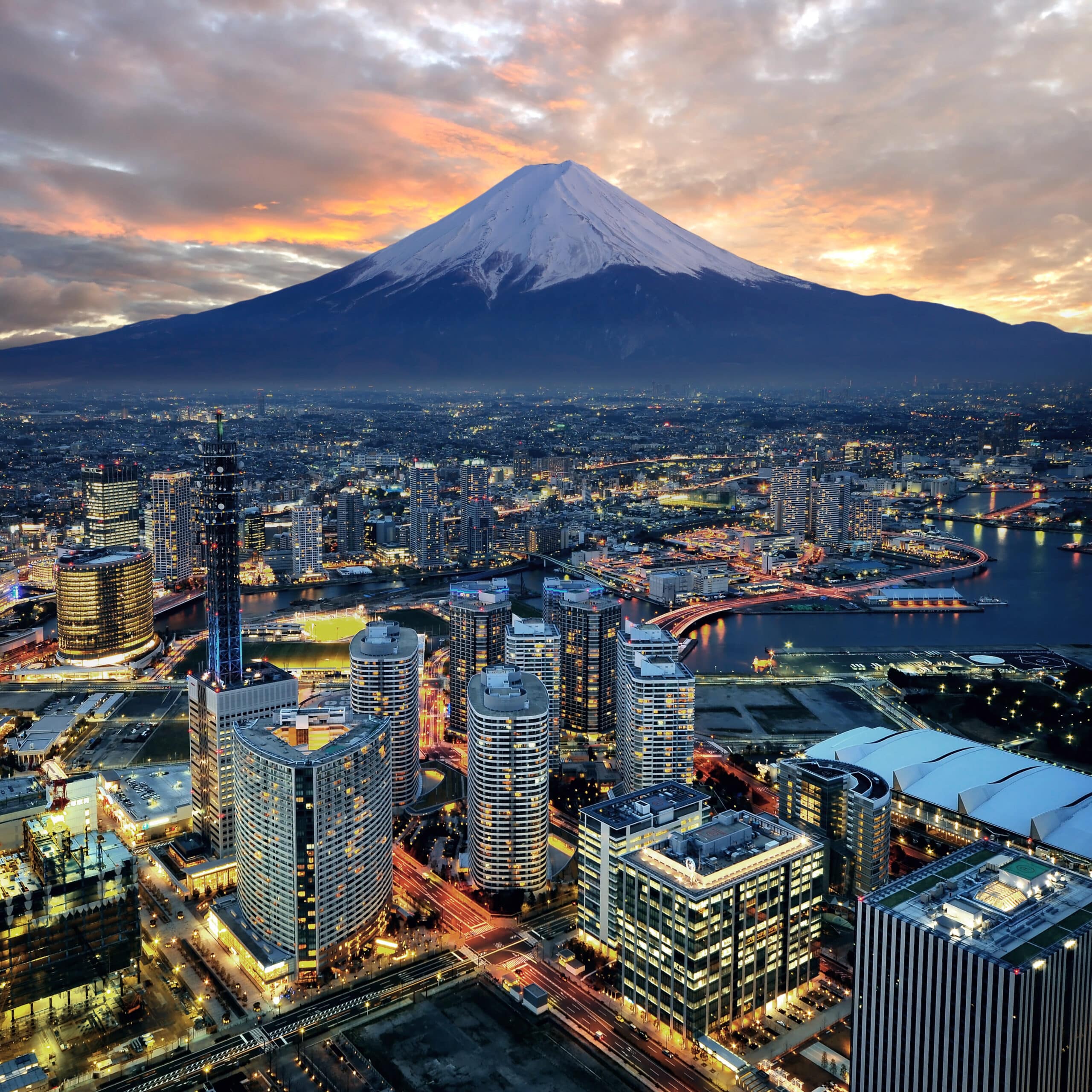
Japan
Experience the harmony between temples and skyscrapers
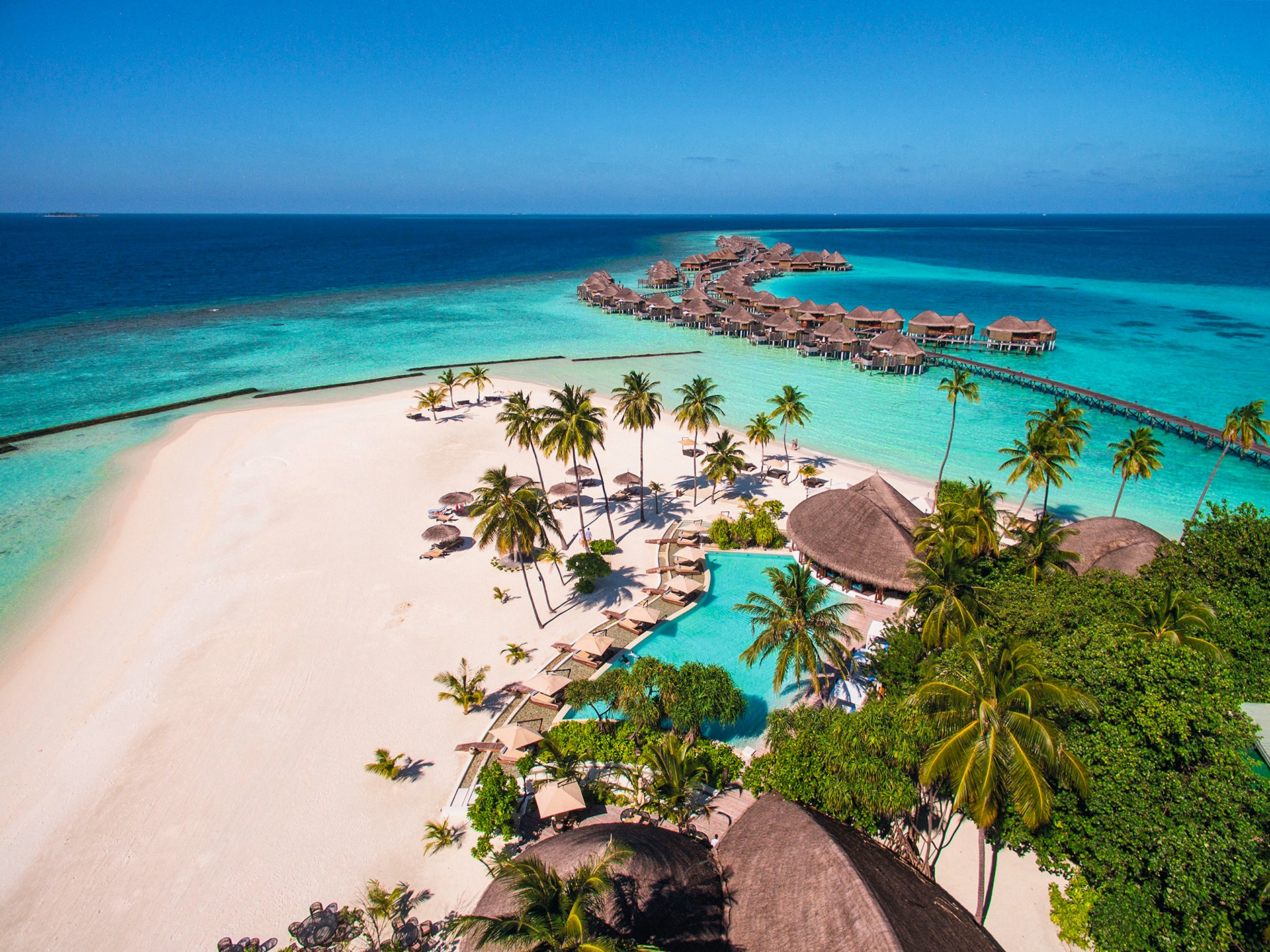
Maldives Islands
A turquoise jewel at the end of the world
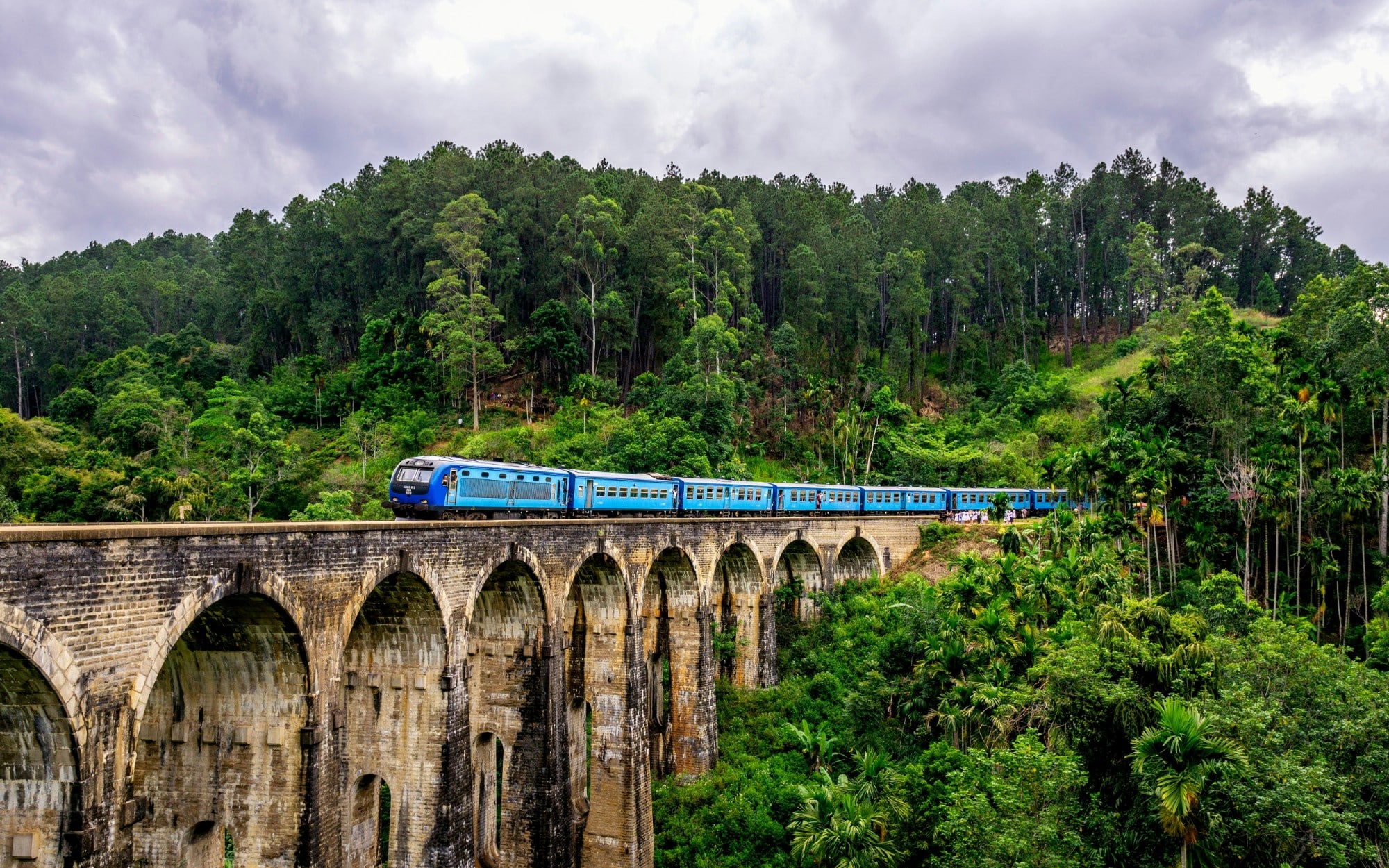
Sri Lanka
A jewel of Asia where nature and spirituality unite
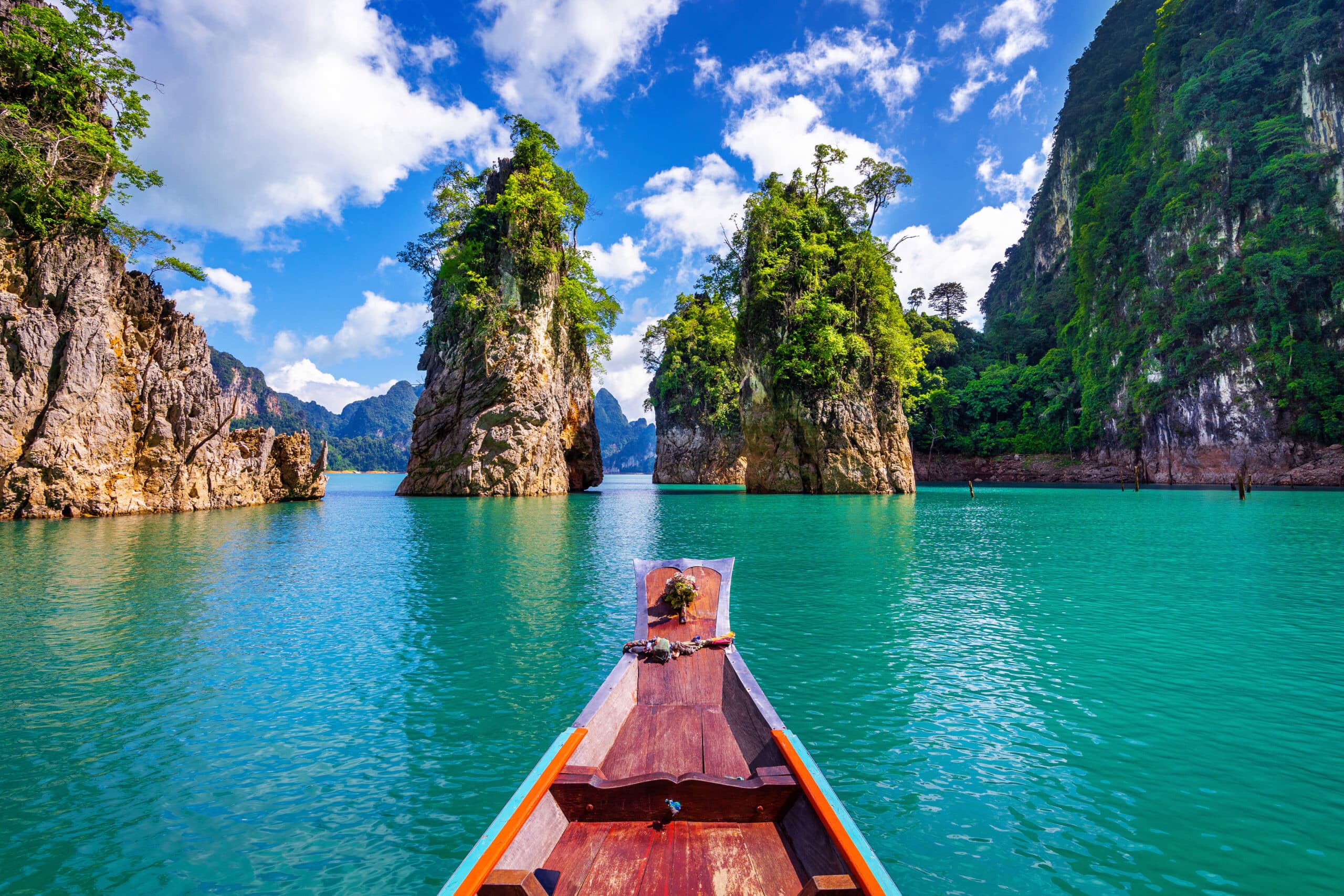
Thailand
Between golden temples and azure lagoons.
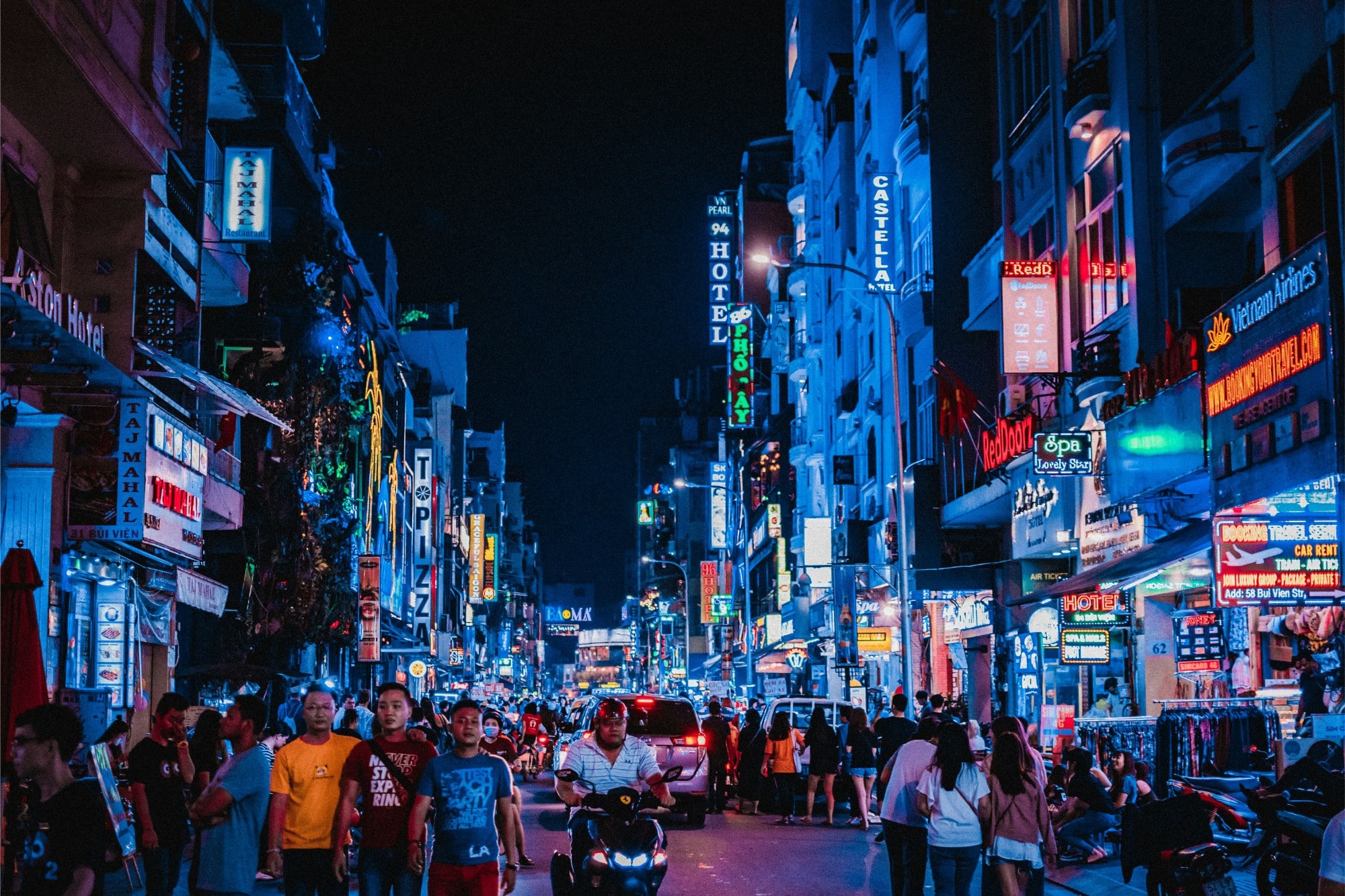
Vietnam
Between rice paddies, bays and mountains
FAQ: all your questions about traveling in South Korea
Spring (March–May) with cherry blossoms and autumn (September–November) with golden leaves are the best times. Ideal temperatures, clear skies, and magnificent landscapes. To avoid: July–August (monsoon) and December–February (intense cold).
7 days: Seoul + one day in Busan. 10–12 days: Seoul, Gyeongju, Busan, and Jeju. 14 days and more: a complete tour of the country with mountain temples, Suwon, the DMZ, and all regions.
No, Europeans do not need a visa for 90 days. Since 2024, the K-ETA (online electronic authorization, free) is required before departure. Apply on the official website of the Korean government.
The KTX train is the best option: fast, comfortable, and affordable. Seoul–Busan in 2h30. Intercity buses are also very good. Jeju inland: car rental or local buses.
About 11 to 13 hours with a stopover in Paris, Frankfurt, Amsterdam, or Doha. Direct Paris–Incheon flight with Korean Air and Air France (approx. 11h). No direct flight from Luxembourg.
Plan on €2,000 to €3,500 per person for 10 days (flights included), depending on the level of accommodation. Local meals are inexpensive (€5–12), and transport is affordable. Seoul can be pricey for accommodation.
Gyeongbokgung Palace, the Bukchon Hanok Village neighborhood, Gwangjang Market, N Seoul Tower, the trendy districts of Hongdae and Gangnam, Jogyesa Temple, shopping in Myeongdong.
Hallasan Mountain (hike to the volcanic summit), Manjanggul (lava tube), Jusangjeolli (basalt cliffs), Cheonjeyeon (waterfalls), Hamdeok Beach and the haenyeo villages (traditional women divers).
South Korea is unique for its blend of age-old Confucian traditions and an ultra-connected modernity. bali-bali (a culture of efficiency and speed), gastronomy (banchan, kimchi), K-pop, and K-dramas make it a globally influential culture.
Yes, it’s a classic combination! Incheon–Tokyo by plane (2h) or Busan–Shimonoseki by ferry. A Korea + Japan itinerary over 2–3 weeks is ideal for discovering two fascinating cultures at once.
Very suitable. Theme parks (Everland, Lotte World), interactive museums, the subway system, and diverse food appeal to children. Safety and tourist infrastructure are excellent.