


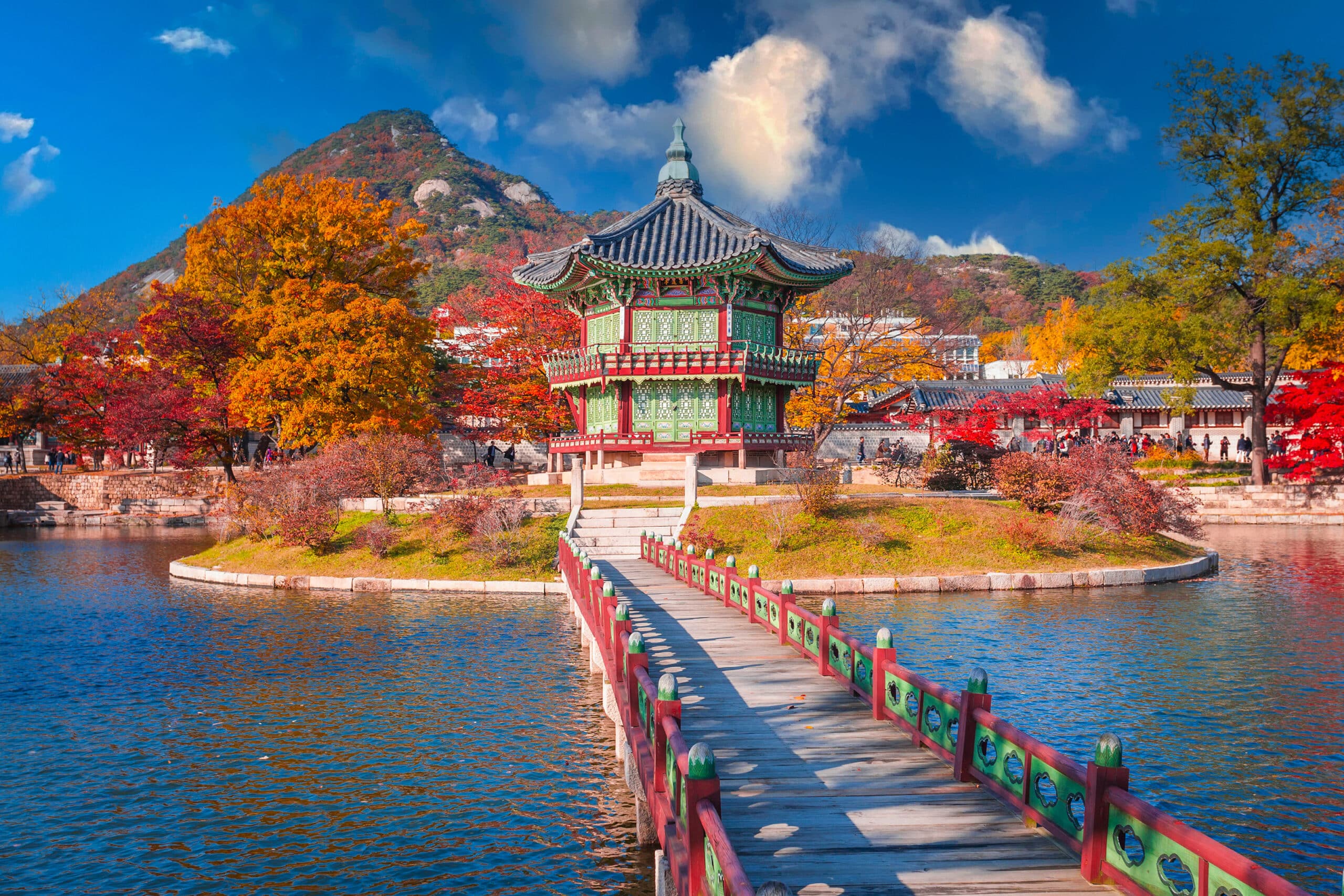
Travel and stay in South Korea
between ancestral rituals and urban beats
South Korea, a fascinating country where age-old traditions and ultra-connected modernity coexist in perfect harmony, invites you to a unique travel experience. From Seoul’s majestic royal palaces to breathtaking natural landscapes, not to mention a vibrant pop culture (K-pop, K-drama) and a spicy, flavourful cuisine, our stays in South Korea promise wonder and discovery. Explore our offers and let yourself be captivated by the “Land of the Morning Calm”.
What to remember about South Korea in 4 points
A unique blend of tradition and modernity
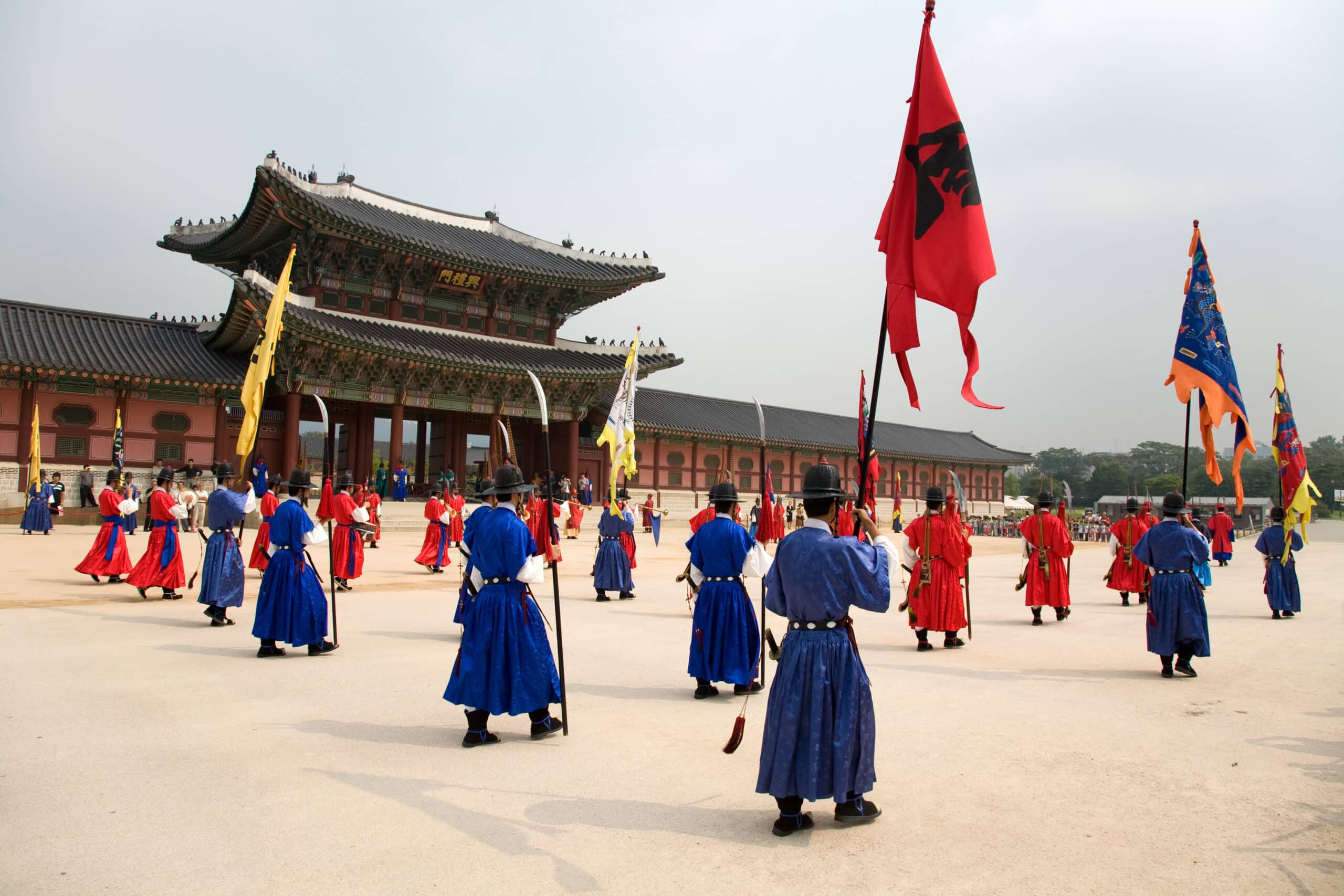
Explore centuries-old palaces, peaceful Buddhist temples and traditional villages (hanok) alongside futuristic skyscrapers and cutting-edge technology.
A pop culture with global influence
Dive into the world of K-pop, K-dramas, Korean cinema and avant-garde fashion.
Varied and magnificent natural landscapes
Green mountains perfect for hiking (national parks such as Seoraksan), picturesque coastlines and volcanic islands (Jeju).
A rich and convivial cuisine
Taste kimchi, Korean barbecue, bibimbap and a multitude of spicy, flavourful dishes, often shared.
Current offers
€3,350
price per person
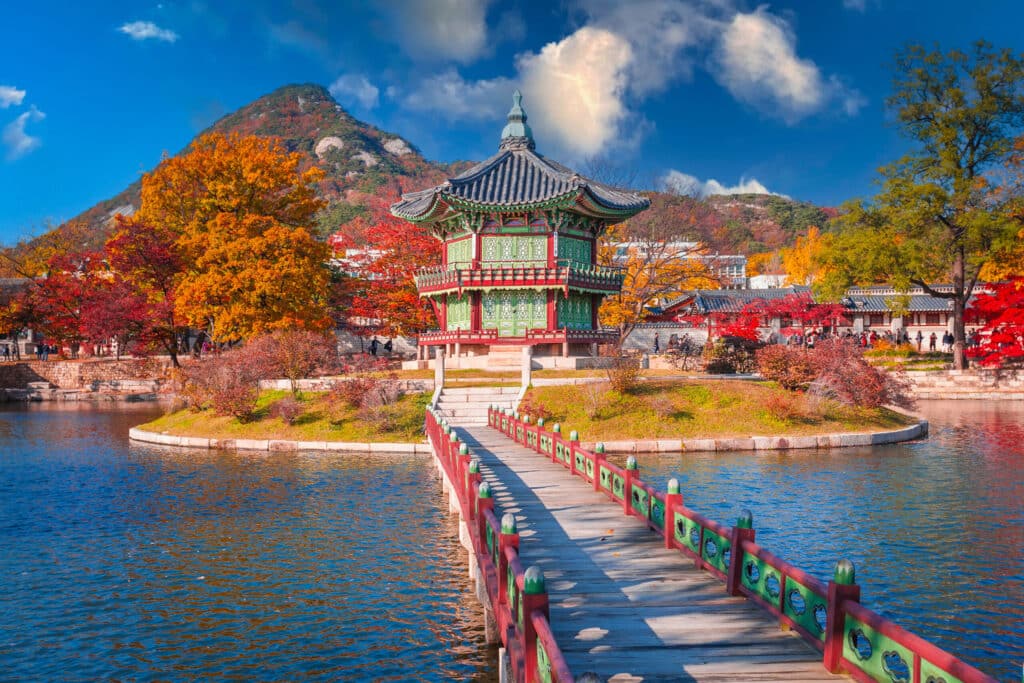
Autumn Colours Free Journey
- Seoul – Nami Island – Mount Seorak – Gyeongju – Busan – Seoul
- Private self-guided tour
- Access to the 4 main palaces of Seoul
£3,729
price per person
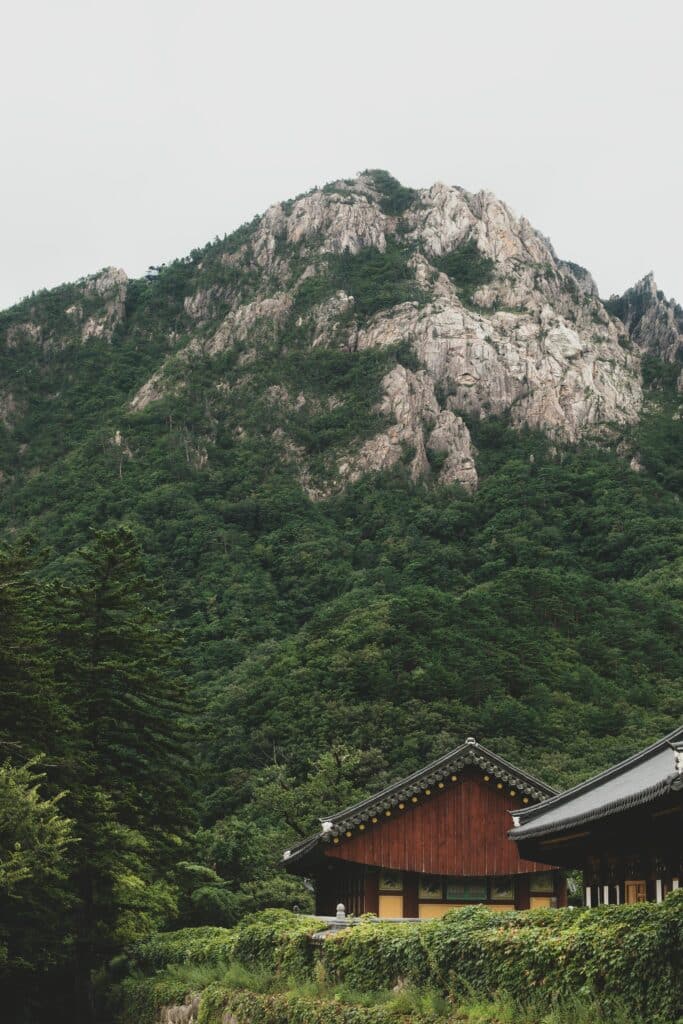
Wild and volcanic Korea
- Les étapes incontournables d’une première découverte de la Corée
- Les transports et hébergements réservés, avec la liberté d’organiser vos journées à votre rythme
- Un séjour de 2 nuits sur l’île de Jeju
Discover South Korea
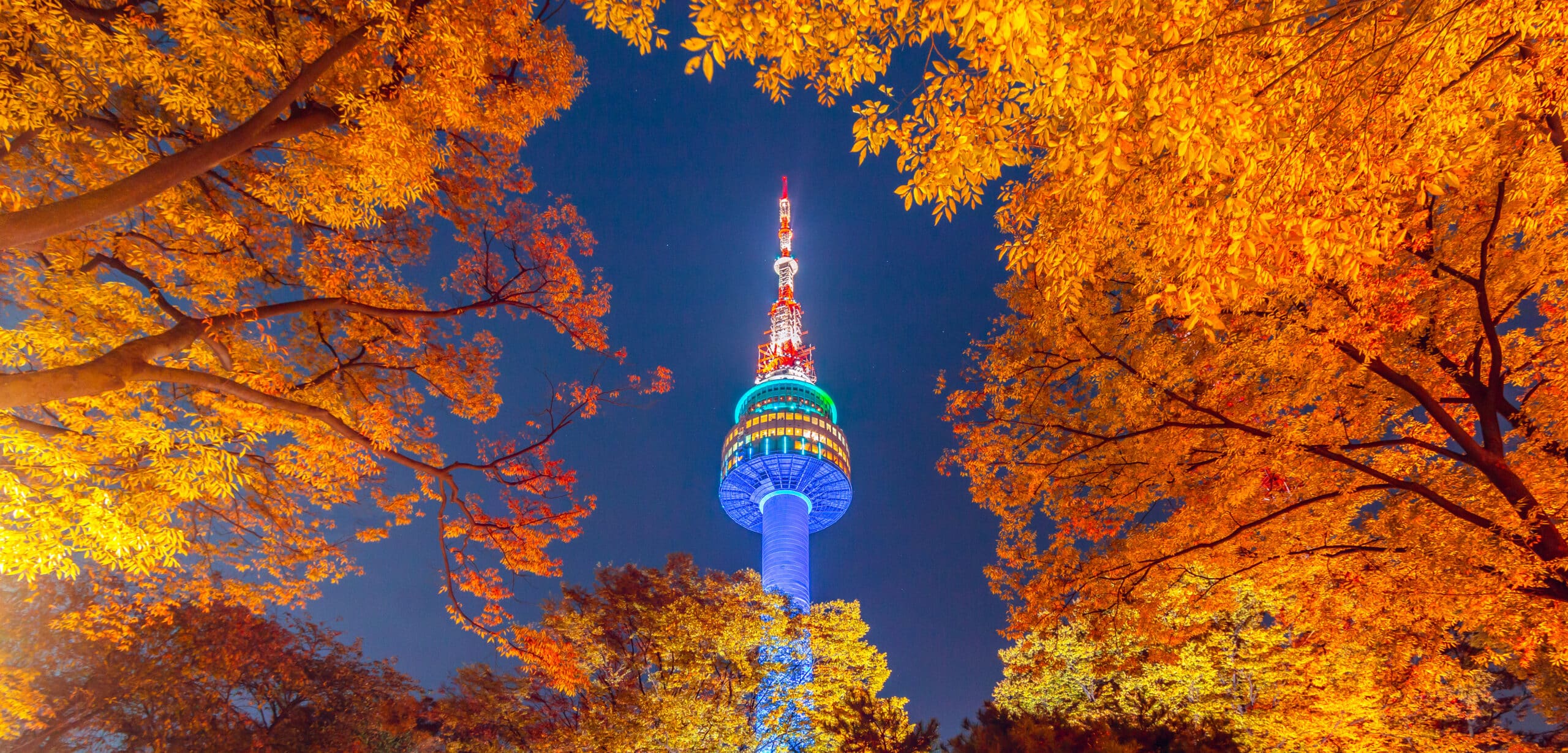
What are the must-see places to visit in South Korea?
South Korea offers a multitude of sites to discover.
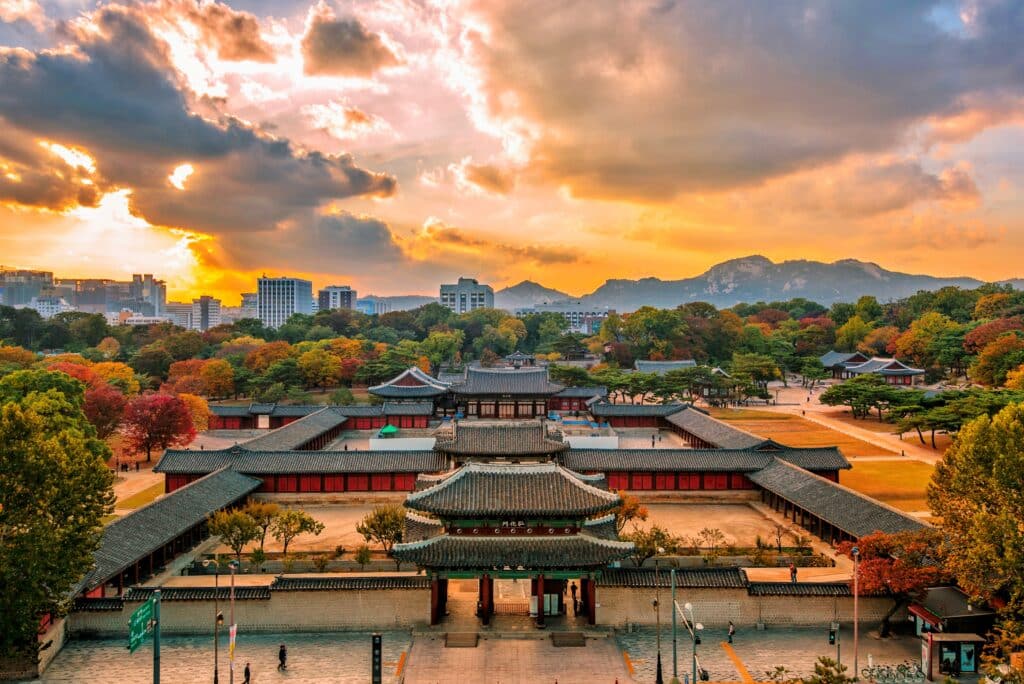
- Seoul, the bustling capital, is a must-see, with its royal palaces (Gyeongbokgung, Changdeokgung), its lively districts (Myeongdong for shopping, Insadong for handicrafts, Gangnam for style), and its traditional markets (Namdaemun).
- Gyeongju, former capital of the Silla kingdom, is a true open-air museum with its royal tombs, its temples (Bulguksa, Seokguram) and its UNESCO-listed historic sites.
- Busan, the country’s second-largest city, charms visitors with its beaches (Haeundae), its fish market (Jagalchi) and its colorful Gamcheon Culture Village.
- The island of Jeju, a UNESCO World Natural Heritage site, is famous for its volcanic landscapes, beaches, waterfalls and hiking trails (Olle-gil).
- National parks such as Seoraksan or Jirisan offer spectacular mountain scenery.
- The Demilitarized Zone (DMZ), on the border with North Korea, offers a unique perspective on the peninsula’s history.
What are the most beautiful cities and regions to visit in South Korea?
- Seoul: The dynamic capital, a hub of culture, fashion and gastronomy.
- Busan: A lively port city with beaches, markets and a relaxed atmosphere.
- Gyeongju: The former capital, rich in historical and cultural treasures.
- Jeonju: Famous for its well-preserved hanok village (traditional houses) and its gastronomy (birthplace of bibimbap).
- Jeju Island: The ultimate nature destination, with its volcanoes, beaches and unique landscapes.
- Andong: Known for the UNESCO-listed Hahoe Folk Village.
What is the climate like in South Korea?
South Korea has a temperate continental climate with four well-defined seasons:
- Winter (December to February): Cold and dry, with snowfall, especially in mountainous regions. Temperatures often below 0°C.
- Spring (April to May): Mild and pleasant temperatures; it’s the cherry blossom season.
- Summer (June to August): Hot and humid, with a rainy season (monsoon) generally in July. Temperatures often above 30°C.
- Autumn (September to November): Considered the best season, with sunny weather, pleasant temperatures and magnificent autumn colors.
What to eat in South Korea? South Korean gastronomy?
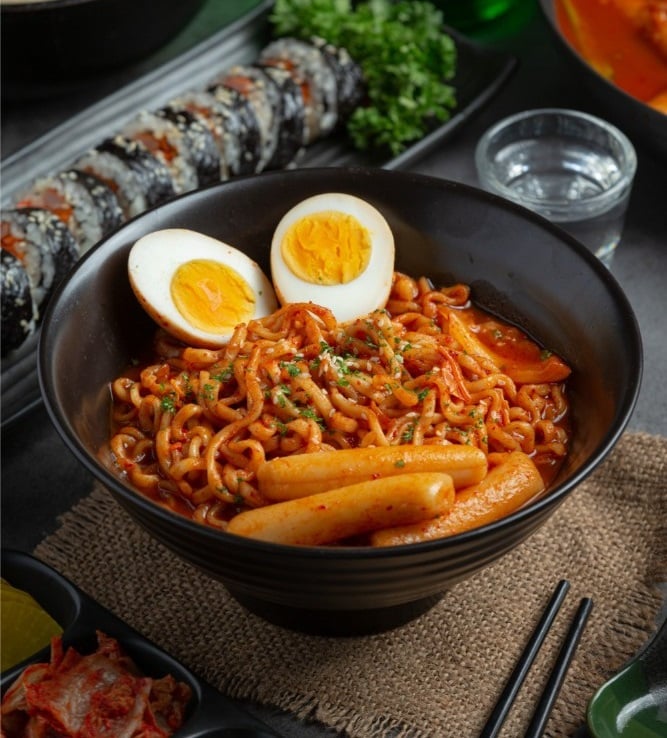
Korean cuisine is renowned for its bold flavors, spicy dishes and health benefits. Kimchi (spicy fermented cabbage) accompanies almost every meal. Korean barbecue (gogi-gui), where you grill the meat yourself at the table, is a convivial experience. Bibimbap (rice mixed with vegetables, meat and an egg), bulgogi (grilled marinated beef), and tteokbokki (rice cakes in a spicy sauce) are popular dishes. Soups and stews (jjigae) are also highly appreciated. Korean street food is varied and delicious. Soju (rice alcohol) and makgeolli (milky rice wine) are traditional drinks.
When to go to South Korea
Seoul
| Jan | Feb | March | April | Mai | June | July | Aug | Sept | Oct | Nov | Dec | |
|---|---|---|---|---|---|---|---|---|---|---|---|---|
| Our opinion | ||||||||||||
| T° max | 2°C | 5°C | 11°C | 18°C | 23°C | 27°C | 29°C | 30°C | 26°C | 20°C | 12°C | 5°C |
| Rainy days | 5 d | 5 d | 6 d | 7 d | 8 d | 9 d | 15 d | 15 d | 8 d | 6 d | 7 d | 6 d |
| Hiking |
Practical tips for your trip to South Korea
In South Korea, when a baby is born, they are already considered to be one year old. This is the Korean age system (“Korean age”). In addition, everyone ages by one year on New Year’s Day, regardless of their actual date of birth. (Note: This system was officially abolished for legal and administrative documents in June 2023 to align with the international system, but it may still be used socially by some people).
The official currency is the South Korean won (KRW). Credit cards are very widely accepted, even for small amounts, especially in cities. However, it is still useful to have a little cash for traditional markets or public transport (although the rechargeable T-money card is very convenient). ATMs are plentiful, but make sure they accept international cards (look for the Visa, Mastercard, etc. logos, or “Global” ATMs).
The people of South Korea are called South Koreans (men) and South Koreans (women) (or simply Koreans; the context usually makes it clear that it refers to the South).
The official language is Korean, which is written using the Hangul alphabet, a phonetic writing system that is easy to learn. English is taught at school, and you will find English speakers in tourist areas, hotels, and among young people. However, outside the major cities, communicating in English can be more difficult. Knowing a few words of Korean will be very helpful and appreciated.
In South Korea, electrical outlets are type C and F. The standard voltage is 220V and the frequency is 60Hz. French appliances (which generally use type C or E plugs) often work without an adapter with type F outlets. The 60Hz frequency (compared to 50Hz in France) generally does not cause problems for most modern electronic devices.
Also discover in Asia
Bali
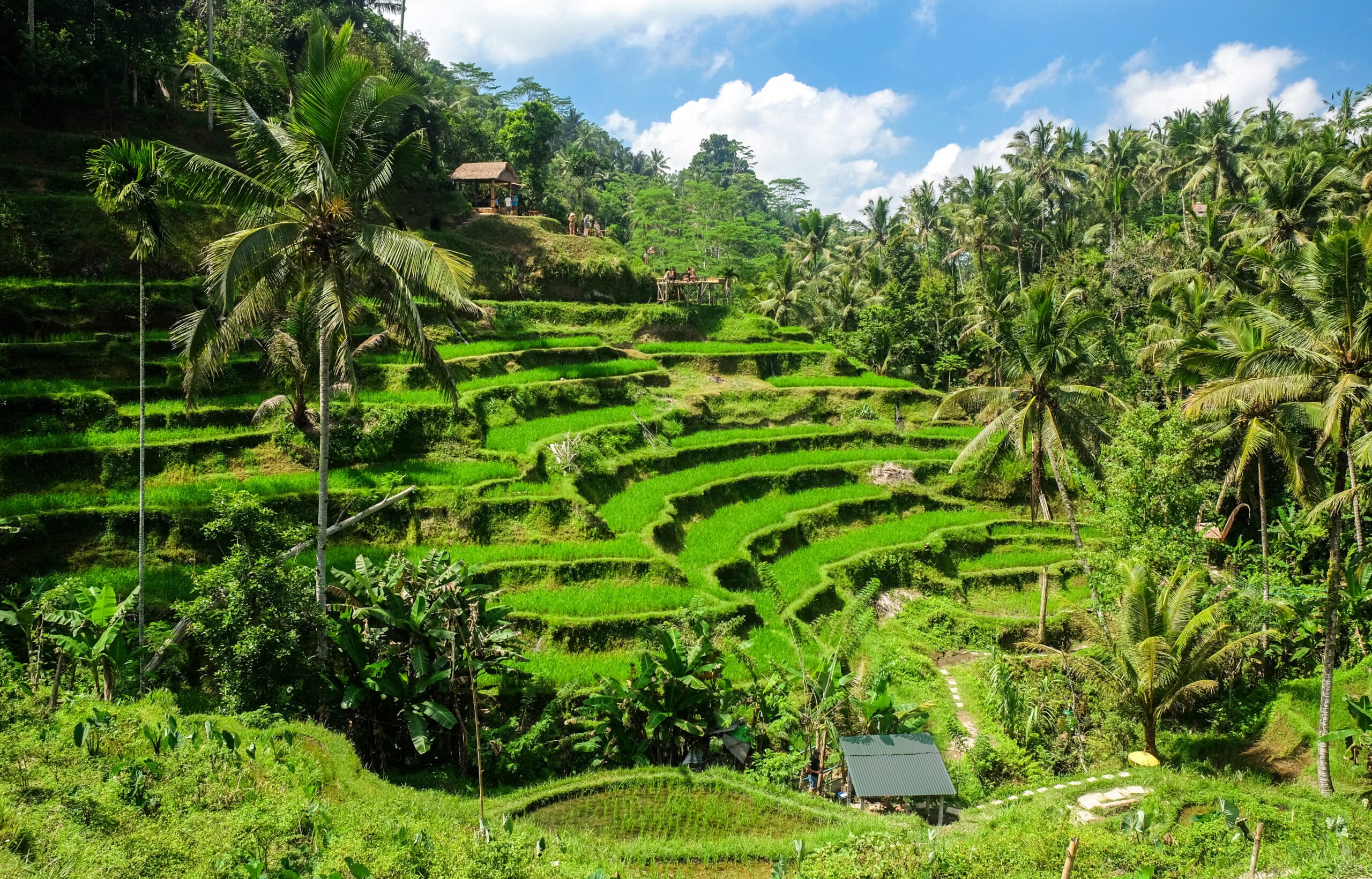
Between rice paddies, volcanoes, and lagoons, serenity becomes an island
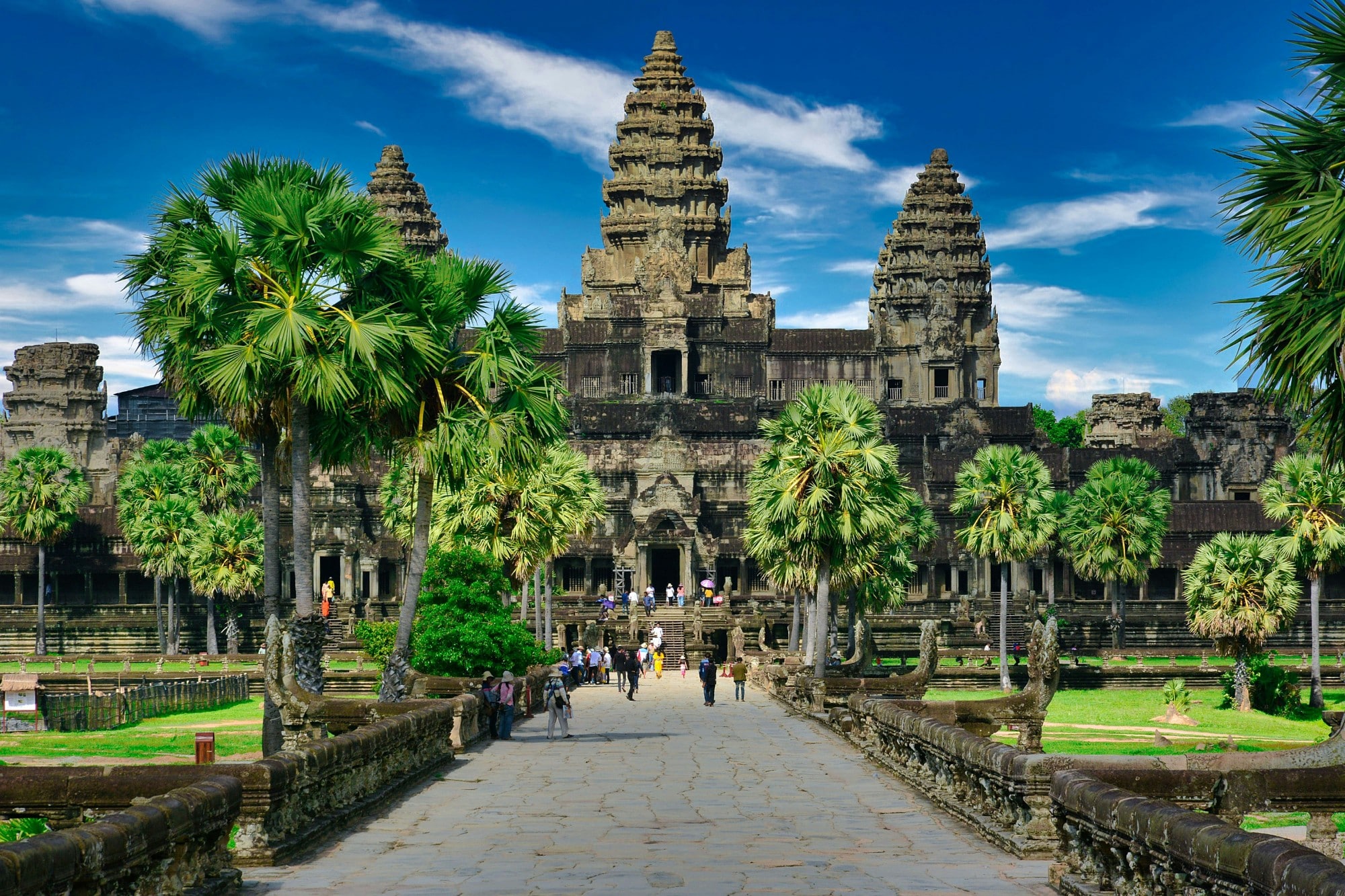
Cambodia
An eternal kingdom between rice fields and ruins
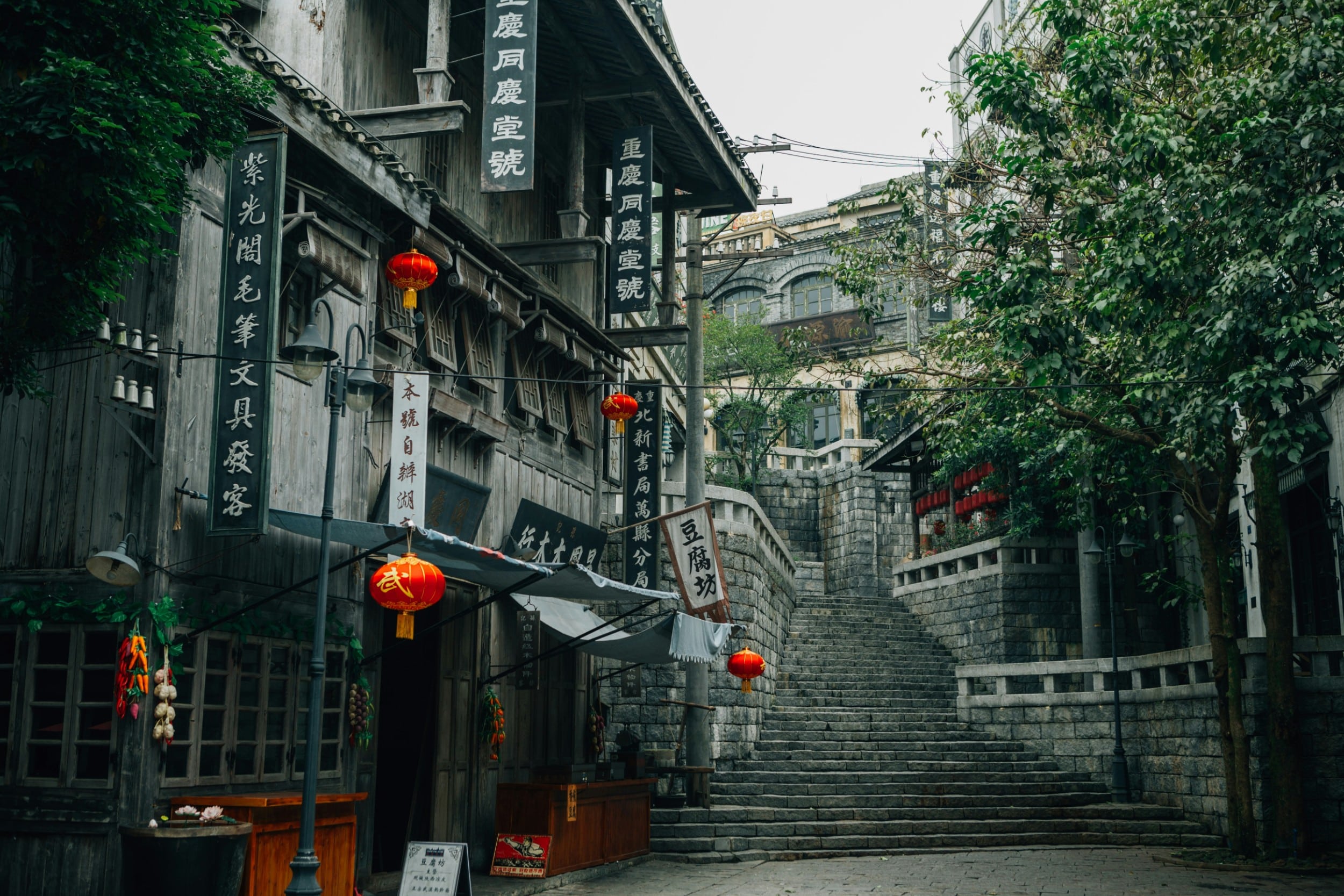
China
From the Great Wall to futuristic skyscrapers
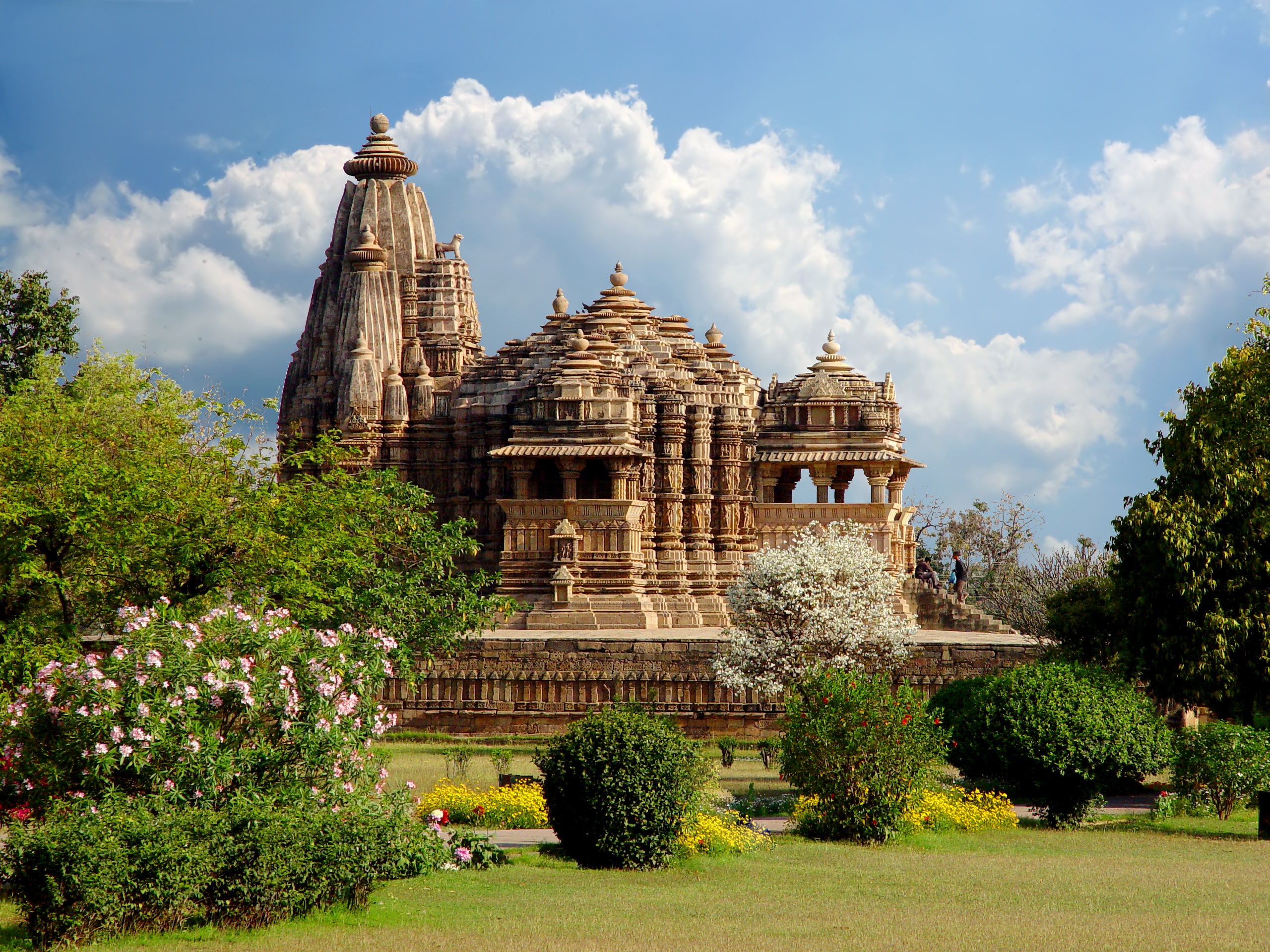
India
A world of colours, scents, and spirituality
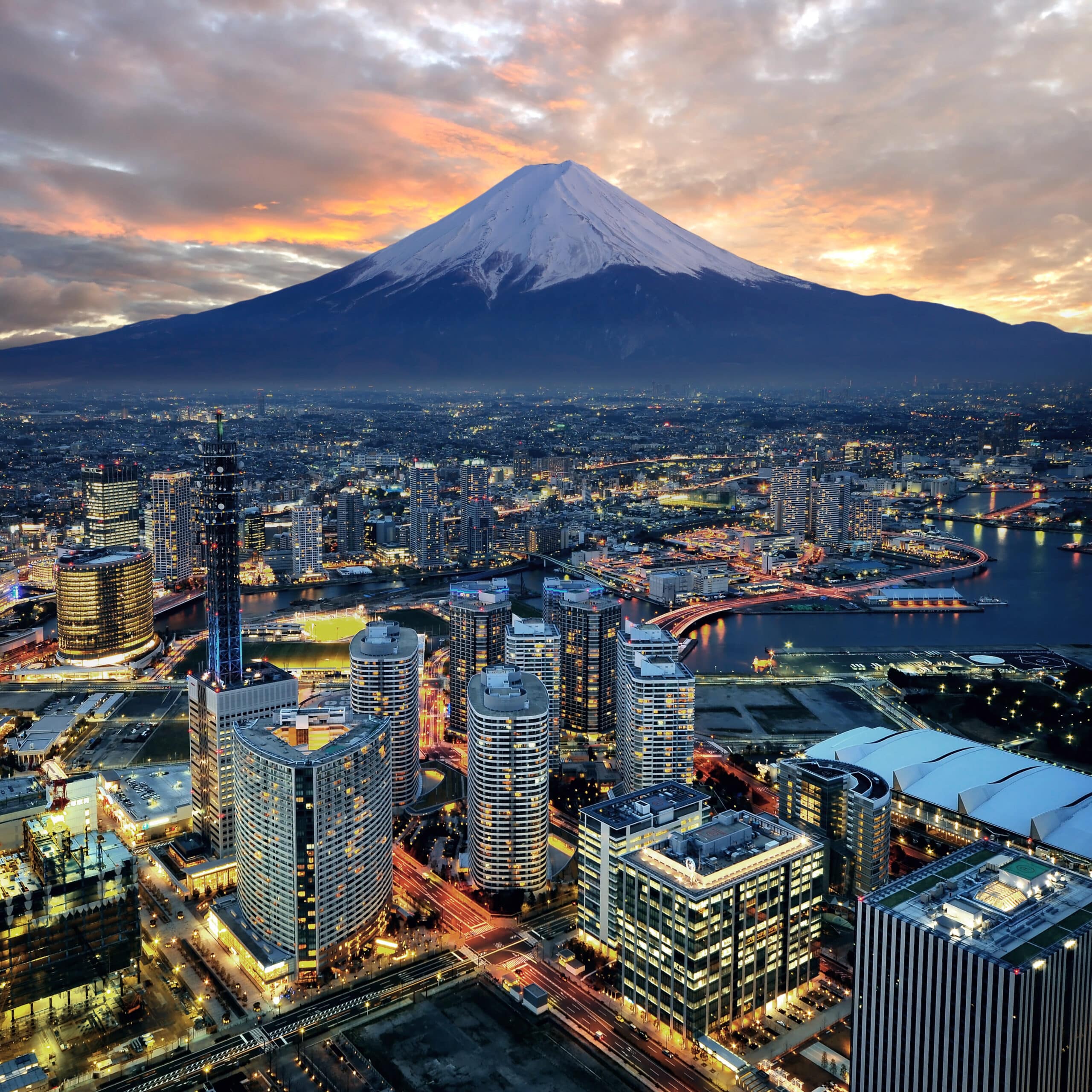
Japan
Experience the harmony between temples and skyscrapers
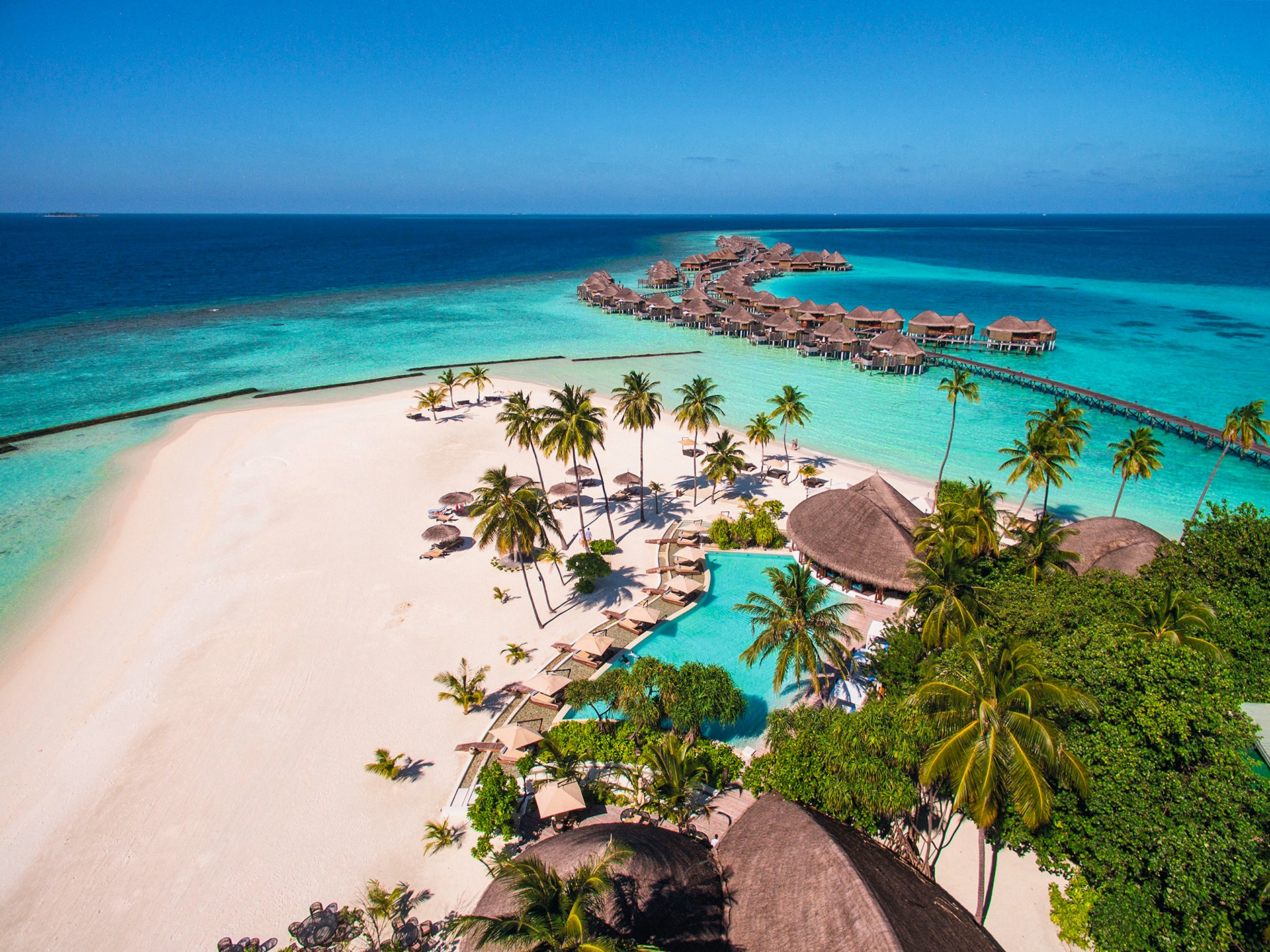
Maldives Islands
A Jewel of Azure at the End of the World
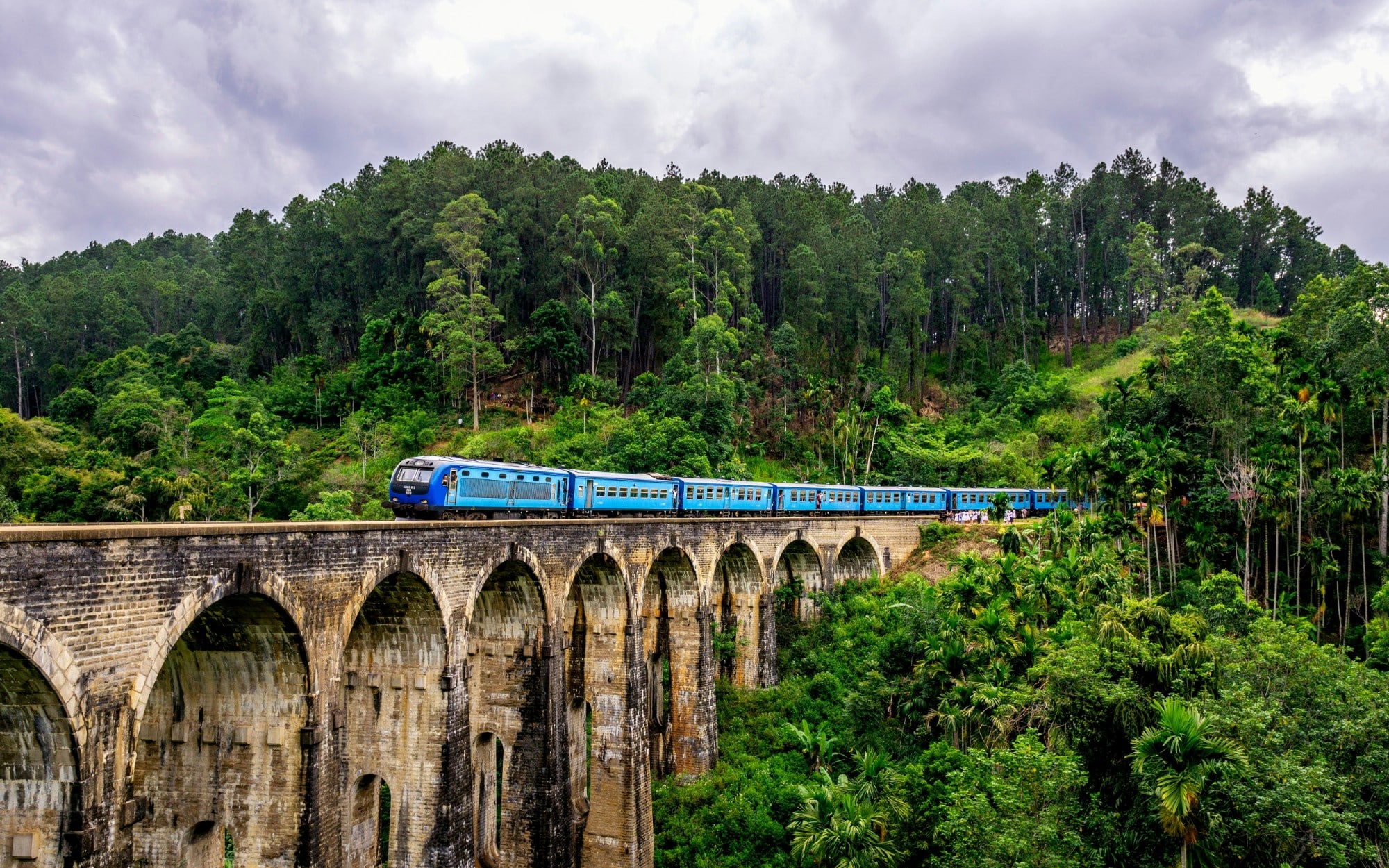
Sri Lanka
A jewel of Asia where nature and spirituality unite
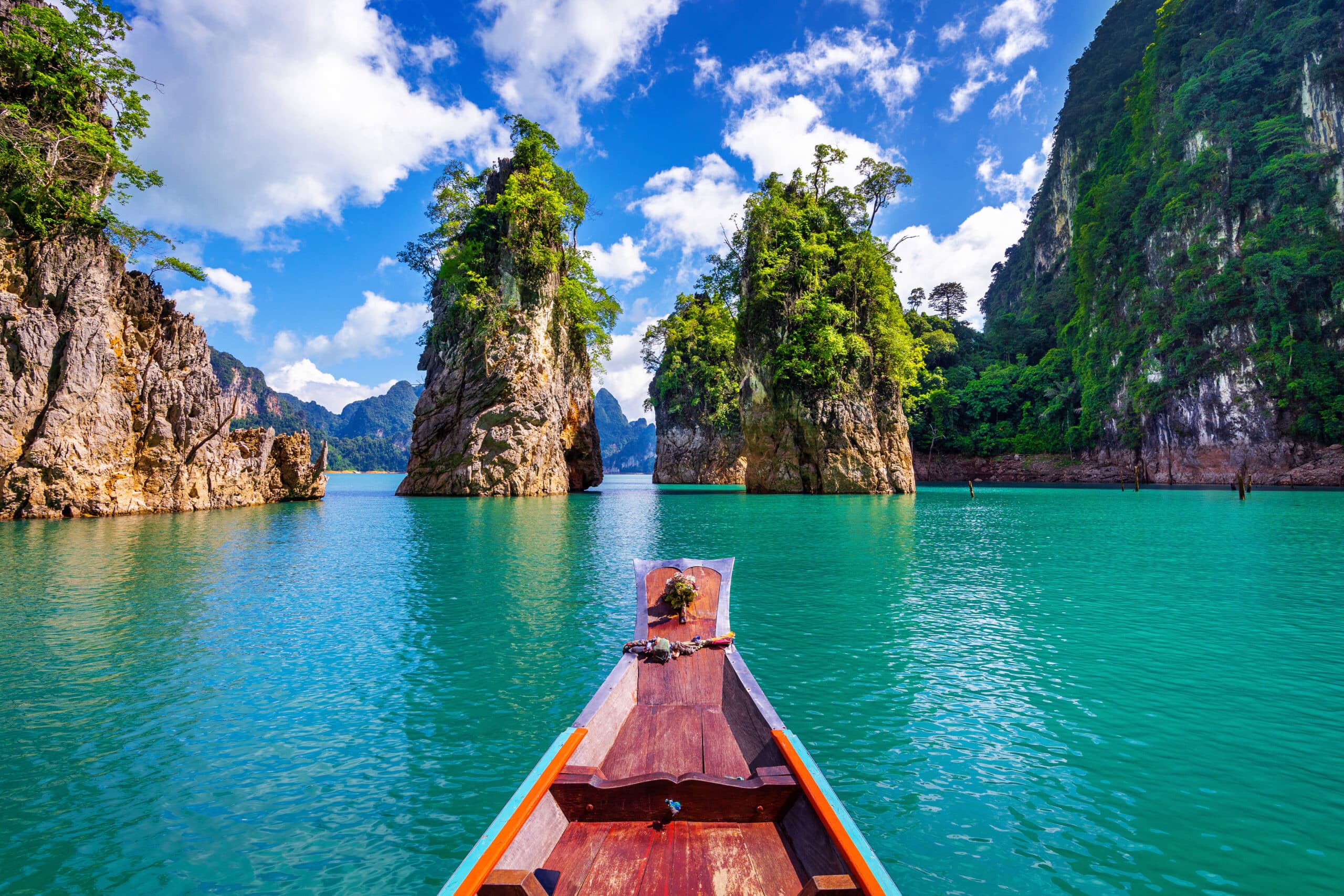
Thailand
Between golden temples and azure lagoons.
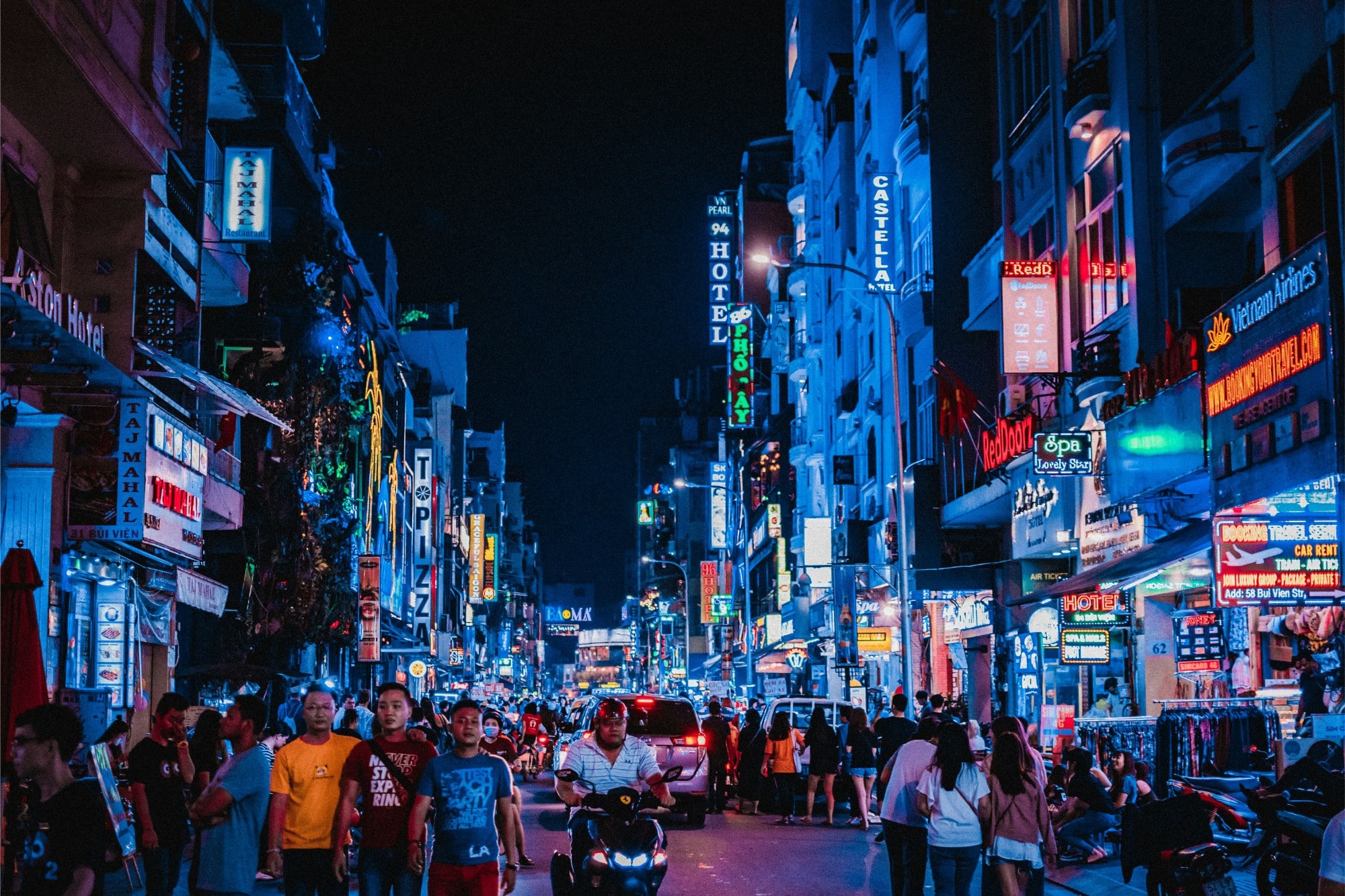
Vietnam
Between rice fields, bays, and mountains