


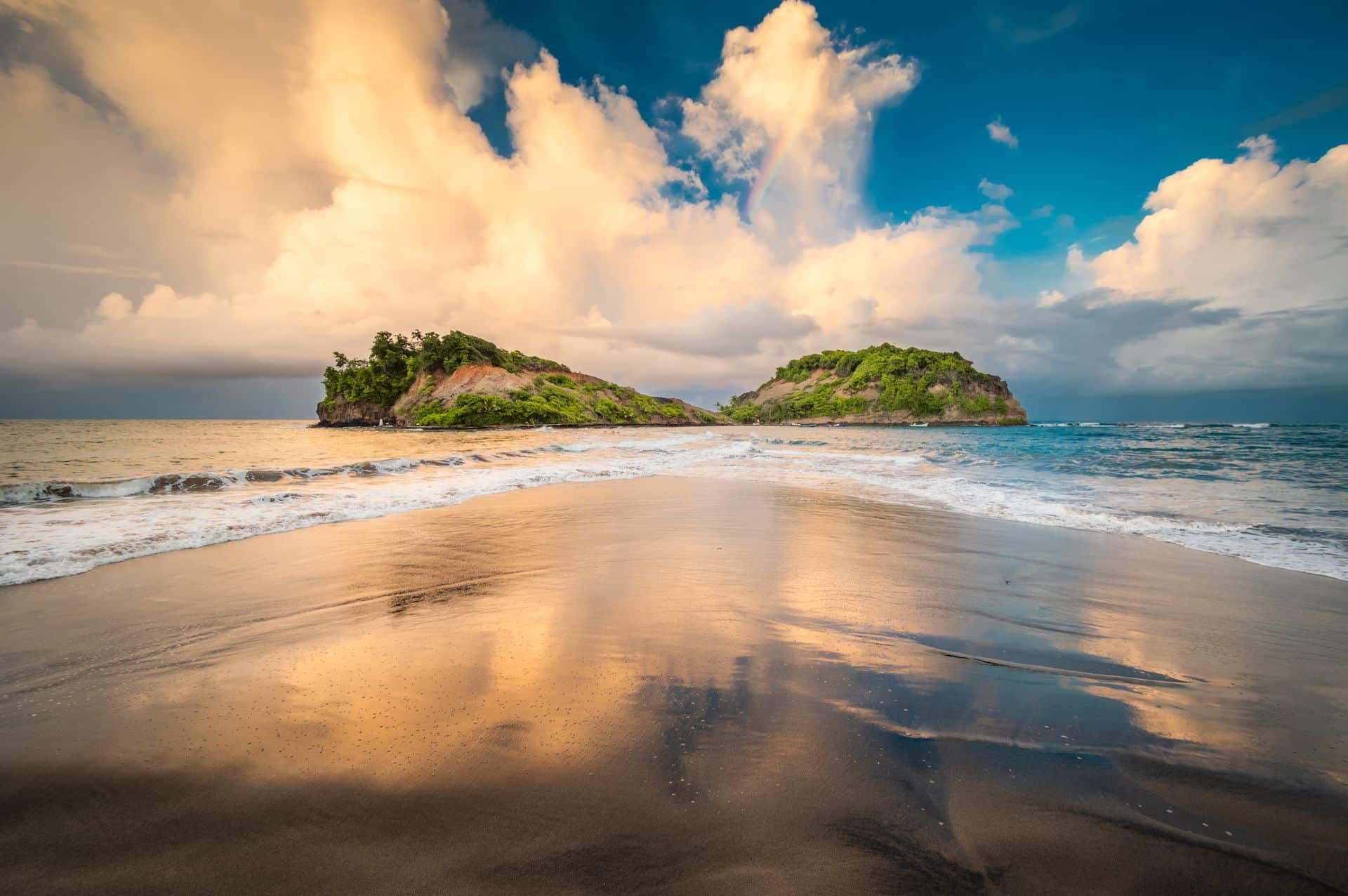
Travel and stay in Martinique
Mount Pelée, Les Salines Beach, agricultural rum and the Island of Flowers
Feel like getting away to the most beautiful island in the French Caribbean, with white-sand beaches, a legendary volcano, lush tropical rainforest and exceptional agricultural rum?
Martinique, nicknamed the Island of Flowers, charms visitors with breathtakingly beautiful landscapes: Les Salines Beach, consistently ranked among the most beautiful beaches in the world; the turquoise waters of Sainte-Anne; the majesty of Mount Pelée (1,397 m), whose 1902 eruption completely destroyed Saint-Pierre — nicknamed “the Pompeii of the Caribbean” — and the northern primary tropical rainforests with spectacular waterfalls.
The best time to visit Martinique is from December to April, during Lent, the dry season, with generous sunshine, ideal temperatures around 28–30°C and calm seas perfect for diving, snorkeling and water sports.
Voyages Flammang helps you design a tailor-made trip to Martinique, from all-inclusive resorts in Sainte-Anne to hikes on Mount Pelée, fully adapted to your budget and your desires on the Island of Flowers.
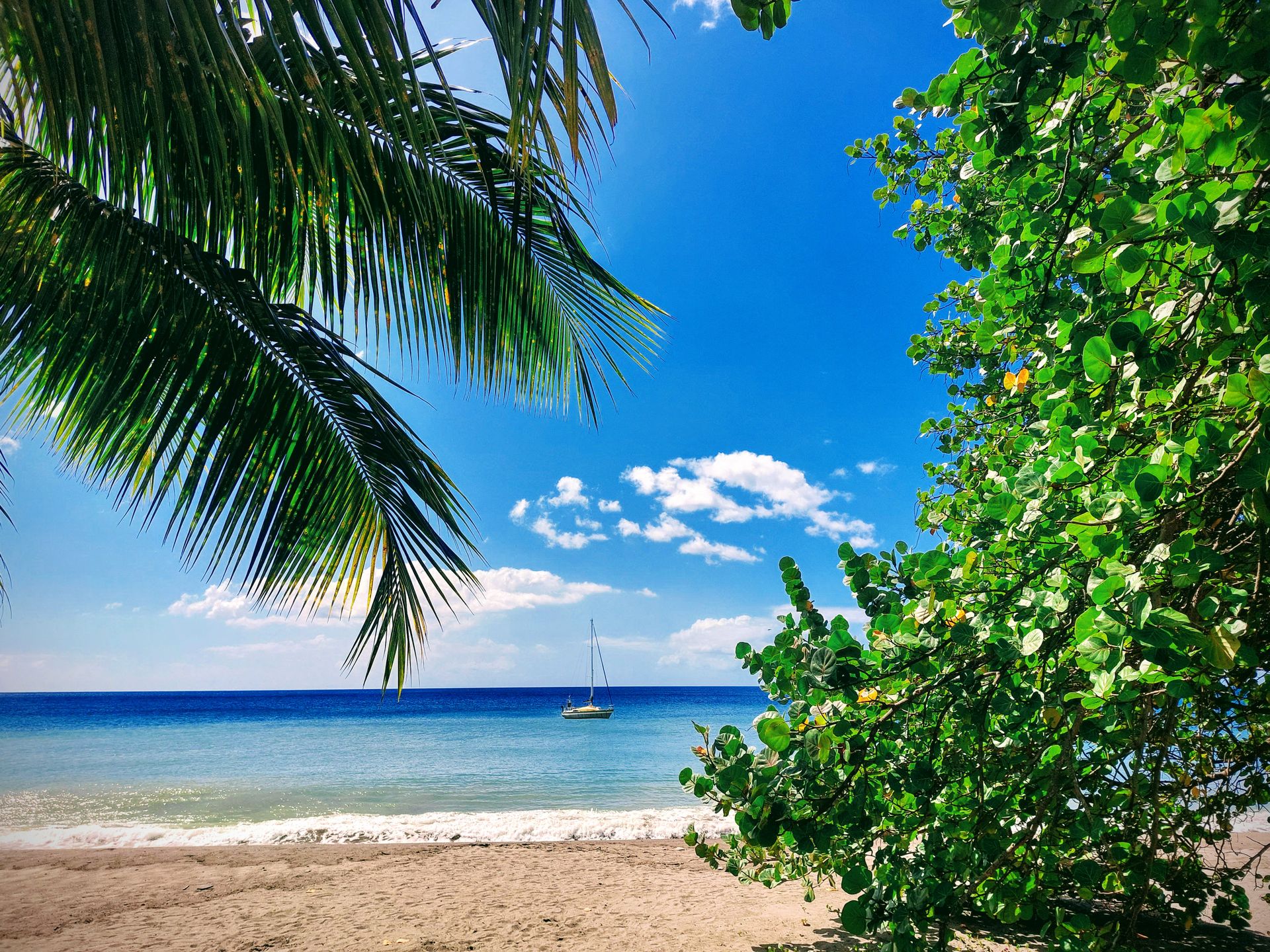
Why go to Martinique?
Legendary Les Salines Beach, Mount Pelée and historic Saint-Pierre, primary tropical rainforest, AOC agricultural rum and captivating Creole cuisine: Martinique is the quintessential destination in the French Caribbean, accessible from Luxembourg without a visa or passport, with the euro in your pocket.
Discover our best offers for your stay in Martinique
Ready to discover Martinique’s legendary beaches and Creole flavors?
We have selected for you our most popular stays in Martinique, designed to meet every desire: seaside resorts in Sainte-Anne, romantic getaways in Le Diamant, nature adventures around Mount Pelée or Creole immersions in Fort-de-France.
Whether you’re looking for an all-comfort beach getaway, a hike up Mount Pelée, a honeymoon in the tropics, or a discovery of the island’s agricultural rum distilleries, each stay can be fully customized to suit your dates and your budget.
Choose your package, and we’ll create for you a tailor-made trip to Martinique, turnkey.
When to go to Martinique?
Martinique enjoys a warm tropical climate all year round, but the hurricane season (July–November) means you should choose your travel period carefully to fully enjoy the Island of Flowers.
December to April – Lent, the best time to go
This is the dry season in Martinique. Temperatures are ideal (28–31°C), sunshine is constant, rainfall is rare, and the sea is calm. Beaches, diving, and hiking are at their best. January to March is the peak of the high tourist season — the ideal time for a trip to Martinique.
July to November – Rainy season and hurricanes
The wet season brings heat and humidity, with showers that are often short but intense. The risk of hurricanes is real from July to November, with a peak in August–September. Prices drop significantly and the island is quieter. November marks the transition to the dry season.
Our recommendation
Prioritize January to March for perfect weather and an ideal sea. November and December offer a good compromise between attractive prices and favorable conditions. For smaller budgets, April and May remain a good option before the rainy season.
Fort-de-France / Martinique
| Jan | Feb | March | April | Mai | June | July | Aug | Sept | Oct | Nov | Dec | |
|---|---|---|---|---|---|---|---|---|---|---|---|---|
| Our opinion | ||||||||||||
| Season | ||||||||||||
| Tourist peak | ||||||||||||
| T° max | 29°C | 29°C | 30°C | 31°C | 32°C | 32°C | 32°C | 33°C | 32°C | 31°C | 30°C | 29°C |
| Rainy days | 8 d | 7 d | 6 d | 8 d | 12 d | 13 d | 14 d | 16 d | 17 d | 15 d | 11 d | 9 d |
| T° sea | 25°C | 25°C | 26°C | 26°C | 27°C | 28°C | 28°C | 29°C | 29°C | 28°C | 27°C | 26°C |
| Beach | ||||||||||||
| Diving | ||||||||||||
| Hiking |
Where to go in Martinique? Must-see destinations
Sainte-Anne & Les Salines Beach – the postcard-perfect south
Sainte-Anne, a picturesque Creole village in the south of Martinique, is the gateway to the legendary Les Salines Beach — 1.5 km of exceptionally pure white sand and turquoise waters, regularly ranked among the most beautiful beaches in the world. The village of Sainte-Anne itself, with its colorful lanes, grilled-fish restaurants, and authentic atmosphere, deserves half a day of exploration.
Ideal for:
- Les Salines Beach — one of the most beautiful in the world
- snorkeling and water sports
- Creole seaside cuisine
Don’t miss:
- Les Salines Beach and Brédineau Beach
- Pointe du Bout — catamaran excursion
- Sainte-Anne market (crafts and spices)
Saint-Pierre & Mount Pelée – the volcanic and historic north
Saint-Pierre, the former capital of Martinique destroyed by the 1902 eruption of Mount Pelée, is now a unique historic site — its theater, prison, and cathedral ruins form a striking open-air museum. The bay is home to ten listed shipwrecks, a diver’s paradise. Mount Pelée (1,397 m), towering over the north of the island, can be climbed in 3 to 4 hours for an exceptional view over the archipelago.
Perfect for:
- history and exploring the ruins of Saint-Pierre
- diving on the bay’s shipwrecks
- hike to the summit of Mount Pelée
Must-do experiences:
- Frank Perret Volcanological Museum
- climb Mount Pelée at dawn
- diving on the Roraima shipwreck
Le Diamant – a mythical rock and the beaches of the southwest
On the southwest coast, Le Diamant owes its name to the imposing Rocher du Diamant, a former British islet turned into a warship, which rises out of the water two kilometers off the coast. The seaside town of Le Diamant boasts one of Martinique’s most beautiful beaches—two kilometers of golden sand facing the mythical rock—ideal for diving, kitesurfing, and spectacular sunsets.
Ideal for:
- Le Diamant beach and sunsets
- diving around Rocher du Diamant
- kitesurfing and board sports
Discover:
- Rocher du Diamant — history and diving
- Le Diamant village and local market
- Trois Rivières distillery (AOC rum)
Fort-de-France – a Creole capital and Martinican culture
Fort-de-France, Martinique’s lively capital, is a colorful, vibrant Creole city. The Schoelcher Library, a masterpiece of colonial iron architecture, the Saint-Louis Cathedral, the covered market with spices and exotic fruits at Place du Fort, and the bustling waterfront are the highlights of a city visit. The city is also the ideal starting point for exploring the whole island.
For travelers looking for:
- Creole culture and colonial architecture
- local markets and authentic cuisine
- an ideal base for exploring the whole island
Not to be missed:
- Schoelcher Library and Saint-Louis Cathedral
- covered market with spices and tropical fruit
- Fort Saint-Louis and panoramic views over the bay
The Caravelle Peninsula – wild nature and trails
On the Atlantic coast, the Caravelle Peninsula is a natural gem classified as a regional nature reserve. Its hiking trails cross preserved tropical forest to the ruins of Château Dubuc, a former 17th-century sugar plantation. The tip of the peninsula offers an exceptional panorama over the wild Atlantic coast and its spectacular waves, popular with surfers.
For travelers looking for:
- wild nature and tropical biodiversity
- hiking and coastal trails
- history and colonial heritage
To discover:
- ruins of Château Dubuc and panoramic views
- Caravelle hiking trail
- surfing and birdwatching
Which trip to Martinique is right for you?
Martinique lends itself to many travel styles: a beach getaway at Les Salines, a volcanic adventure on Mount Pelée, a romantic escape in Le Diamant, diving on the shipwrecks of Saint-Pierre, or a Creole immersion in Fort-de-France. Each region reveals a unique and unforgettable Martinique.
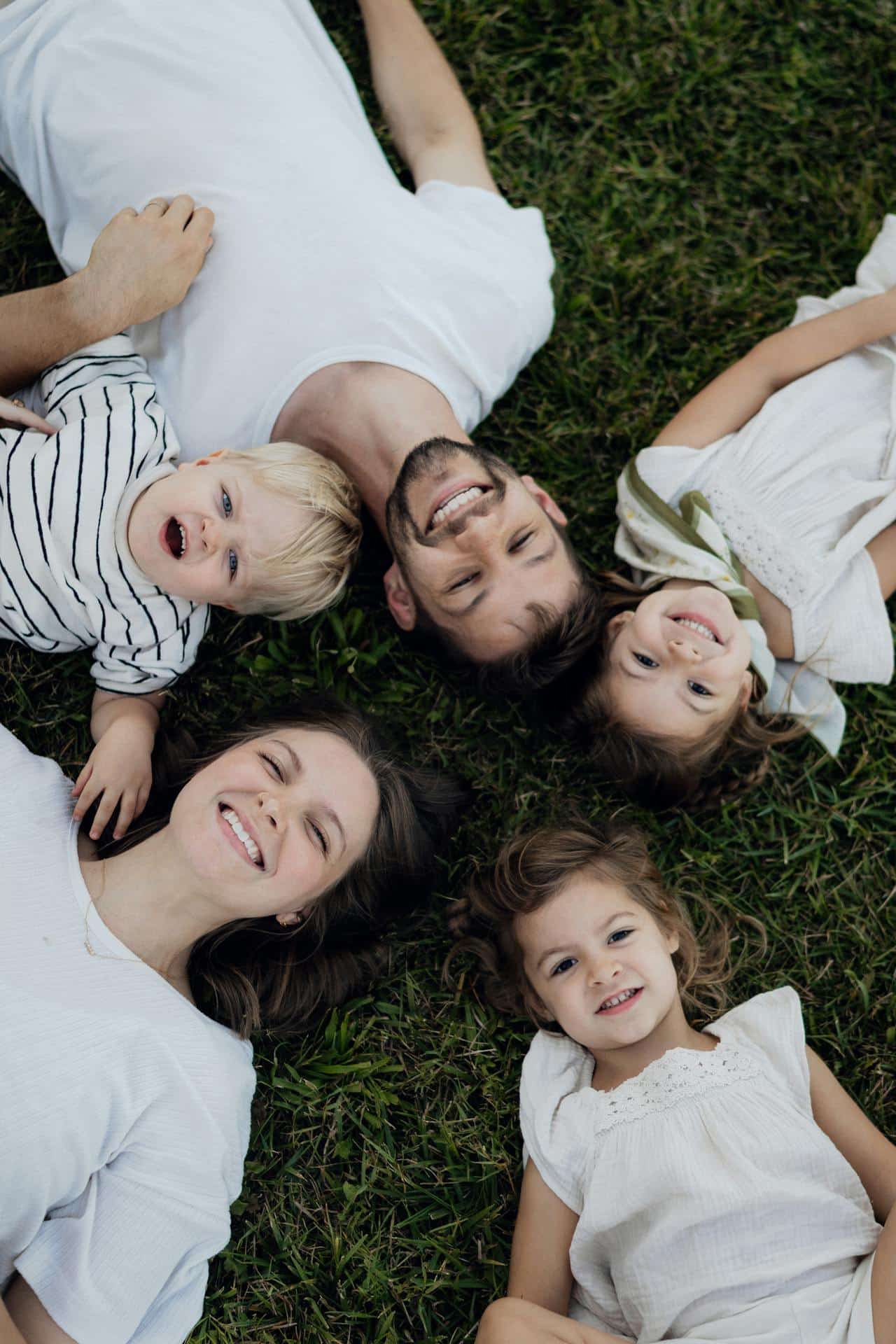
Family trip – beaches, nature & Creole discoveries
Martinique is an ideal destination for families. The calm beaches of the south (Sainte-Anne, Anse Mitan) are perfect for children. Easy hikes to the Figuier Falls, catamaran excursions, and visits to rum distilleries (for adults) create unforgettable memories for the whole family.
You’ll particularly enjoy:
- calm beaches and shallow waters in the south
- catamaran excursion around the island
- Lacroix wildlife park
Couples’ trip – Les Salines, rum & Creole romance
Martinique is a quintessential romantic destination. Les Salines beach at sunset, Creole dinners on a terrace in Sainte-Anne, private catamaran excursions, and charming waterfront hotels create a setting of enchanting beauty. For a honeymoon or a getaway for two, Martinique’s magic is at work every moment.
To enjoy as a duo:
- sunset on Les Salines beach
- Creole dinner on a terrace overlooking the sea
- private cruise around the island

Trip with friends – diving, AOC agricole rum & Pelée adventures
With friends, Martinique is best experienced to the fullest: diving on the wrecks off Saint-Pierre, climbing Mount Pelée, kitesurfing at Le Diamant, surfing on the Atlantic coast, a distillery tour (Clément, Saint James, Trois Rivières), biguine and zouk nights in Fort-de-France, and tasting a ti-punch while watching the sunset from Les Salines.
Don’t miss:
- diving on the wrecks off Saint-Pierre
- group climb of Mount Pelée
- tour of AOC agricole rum distilleries
Practical tips for your trip to Martinique
Martinique is the birthplace of AOC agricole rum — the only rum in the world to benefit from an Appellation d’Origine Contrôlée, like champagne or cognac. The island is also the homeland of the poet Aimé Césaire, founder of the Négritude movement, and the birthplace of Empress Joséphine de Beauharnais, Napoleon Bonaparte’s first wife.
The official currency is the euro (€), as in mainland France. Bank cards are accepted in the vast majority of hotels, restaurants, and shops. In local markets, small Creole restaurants, and with street vendors, prefer cash. ATMs are available in all towns and in the village of Sainte-Anne.
The official language is French. Martiniquans also speak Martinican Creole, a musical and expressive language. In tourist areas, English is often understood. A few words of Creole (“Bonjou” = hello, “Mèsi” = thank you, “Awa” = no) are always well received and create an immediate connection with locals.
Martinique uses the same electrical standard as France: type E plugs (two round pins) and a voltage of 220V at 50Hz. No adapter is needed if you’re coming from Luxembourg. All your European devices work directly without a transformer.
Martinique is accessible from Luxembourg via a stopover in Paris CDG (Air France), Amsterdam (TUI fly), or other French airports (Corsair from Lyon, Nantes) to Fort-de-France Aimé Césaire (FDF).
- Total duration: 10 to 13 hours with 1 stopover
- No visa or passport required — an EU ID card is sufficient
- Direct flight Paris CDG – Fort-de-France: about 8h30
Car rental is the most convenient way to explore Martinique (valid European licence, driving on the right). Shared taxis (TC) connect Fort-de-France to the main towns at low cost. The TCSP (tramway) serves the Fort-de-France area. Sea shuttles (speedboats) link Fort-de-France to Pointe du Bout and Anse Mitan (handy for avoiding traffic).
Martinique is generally safe for tourists. The healthcare system is French: your European Health Insurance Card is valid. Protect yourself from mosquitoes (dengue, chikungunya, zika) with repellents. Beware of mancenilliers on beaches (a very toxic tree—do not touch). Swimming is sometimes not recommended on the Atlantic coast — follow the flags.
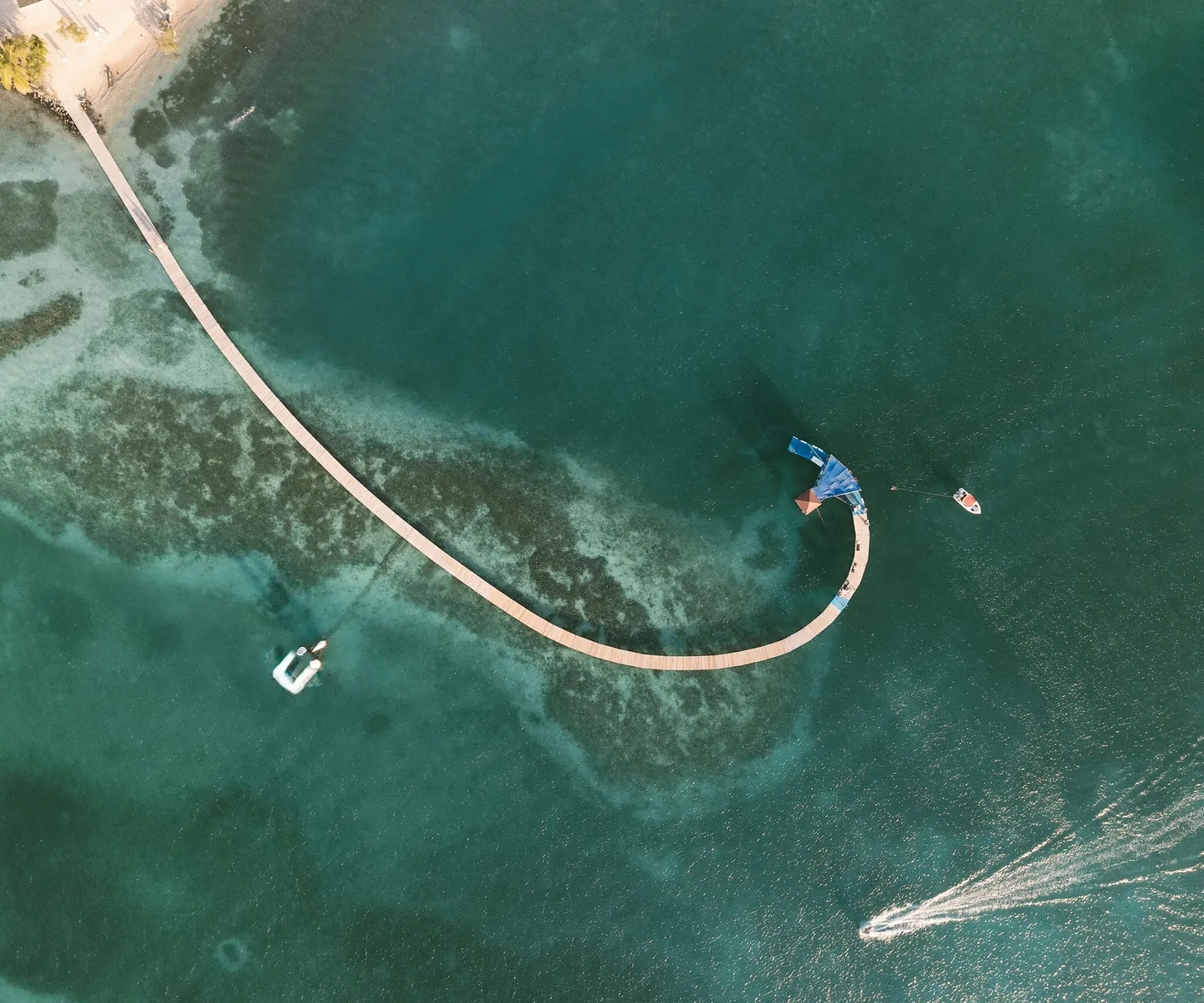
Create your dream trip to Martinique now
Les Salines beach, Mount Pelée, AOC agricultural rum and Creole gastronomy.
We design for you a tailor-made trip to Martinique, fully adapted to your dates, your budget and your wishes for the Isle of Flowers.
Also discover our other destinations in the Caribbean
Want to extend the adventure after Martinique?
Our experts have selected for you the most beautiful destinations in the Caribbean, ideal for varying experiences between the beaches of Jamaica, the Guadeloupe archipelago, the landscapes of Saint Martin and the wonders of Cuba. Get inspired and easily find the next destination that matches your way of traveling.
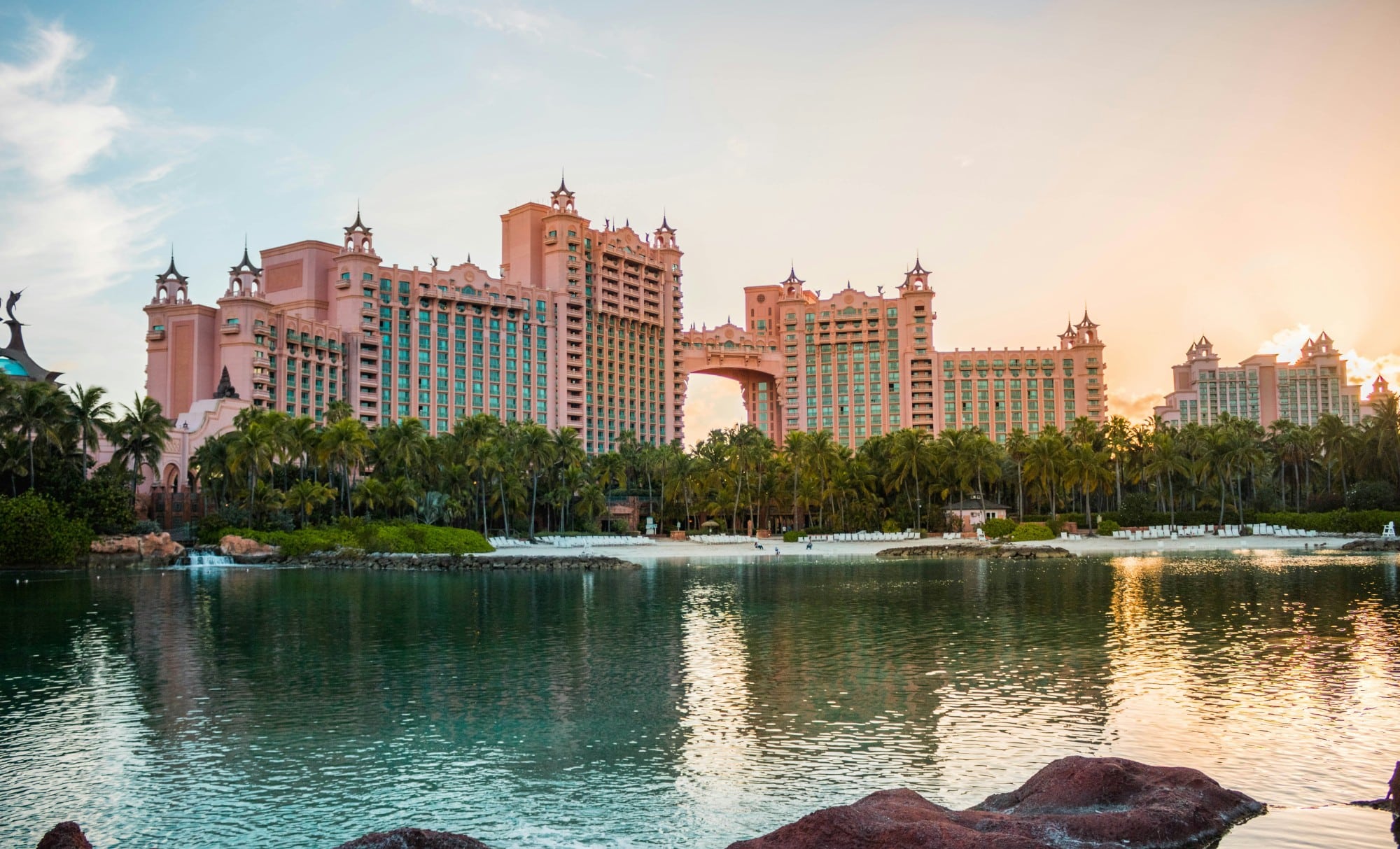
Bahamas
An archipelago of light where each island tastes of paradise
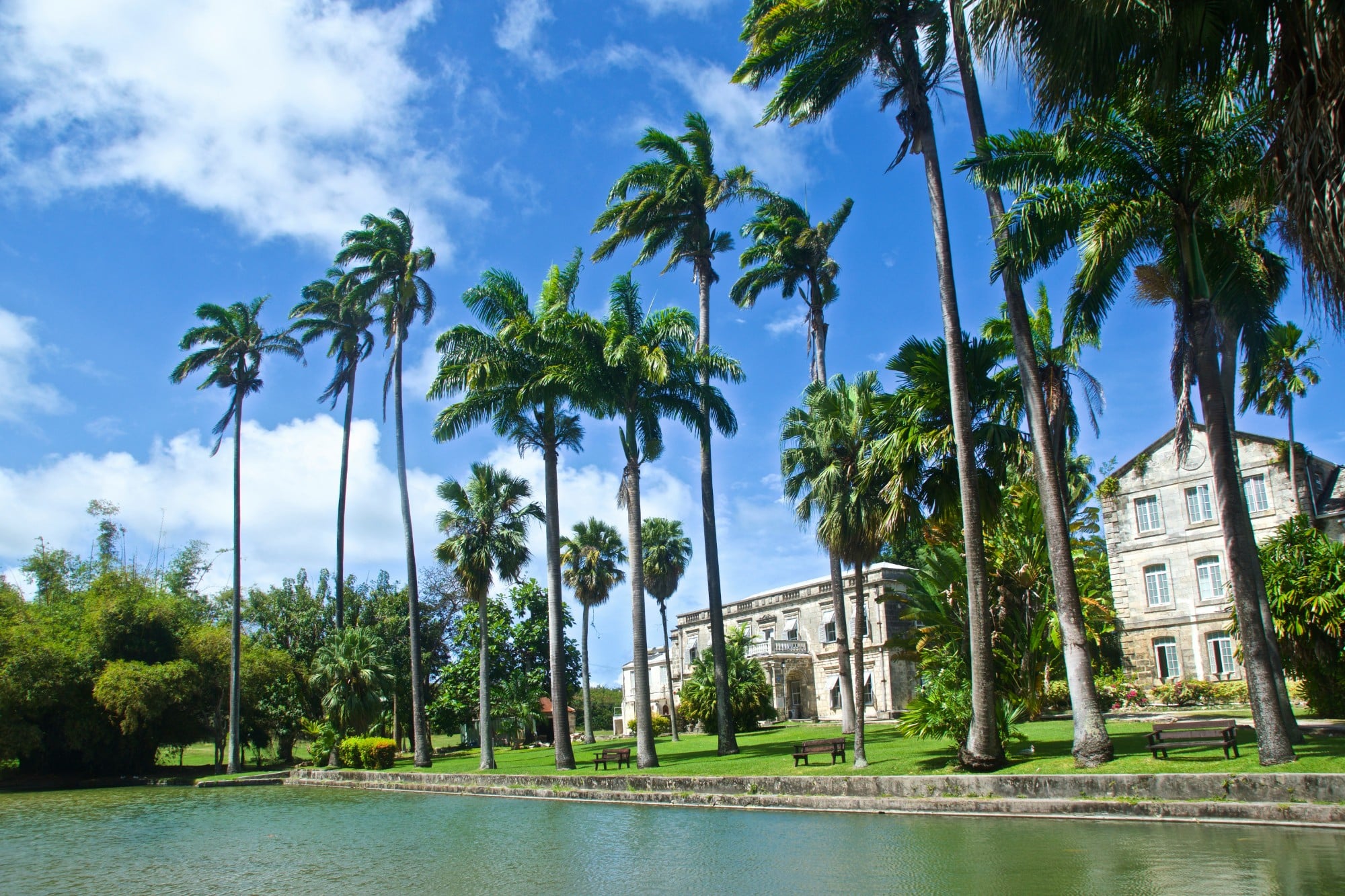
Barbados
An island of light, gentleness and Caribbean elegance.
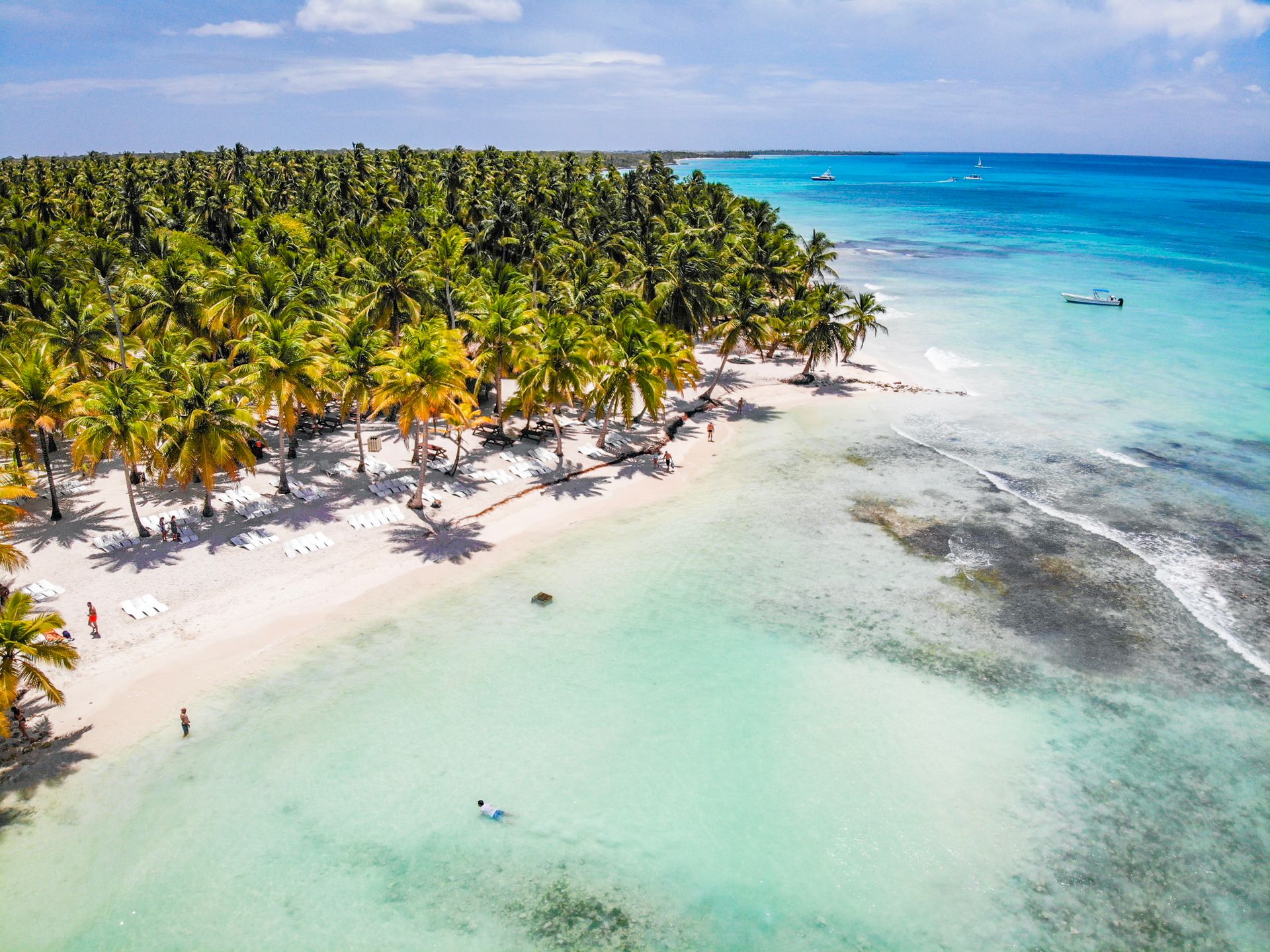
Dominican Republic
Craving immaculate white sand, turquoise waters, dream all-inclusive resorts and tropical nature in absolute abundance in the Caribbean? The Dominican Republic, a jewel of the Caribbean Sea sharing the island of Hispaniola with Haiti, captivates with its striking contrasts — the endless beaches of Punta Cana, the wild landscapes of the Samaná Peninsula, the lush […]
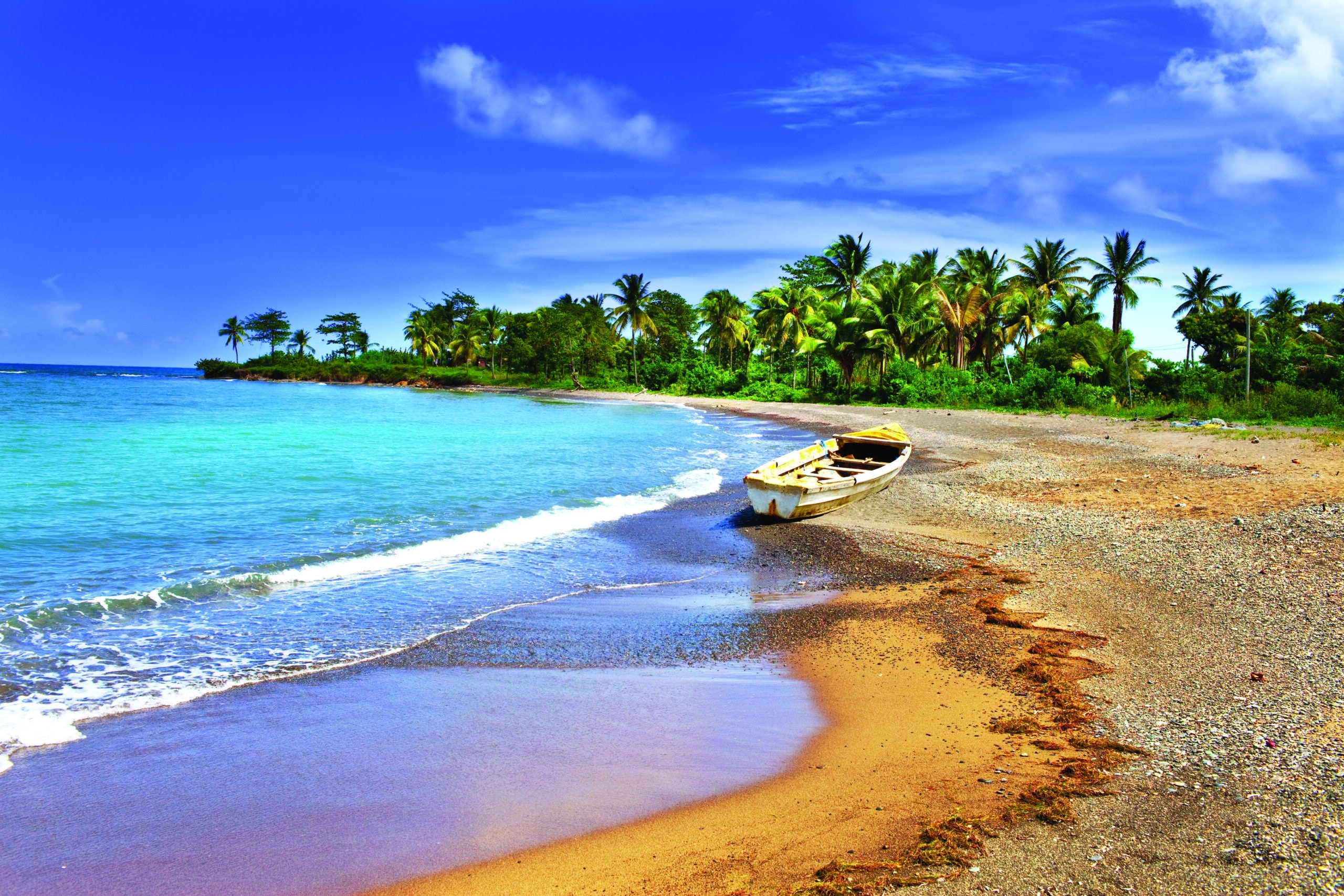
Jamaica
Fancy immersing yourself in the Caribbean’s most rhythmic island, between white-sand beaches, lush jungle, majestic waterfalls and vibrant reggae culture? Jamaica, a jewel of the Caribbean Sea, captivates with its contrasting landscapes — the turquoise waters of Negril’s Seven Mile Beach, the waterfalls of Dunn’s River in Ocho Rios, the Blue Mountains covered with coffee […]
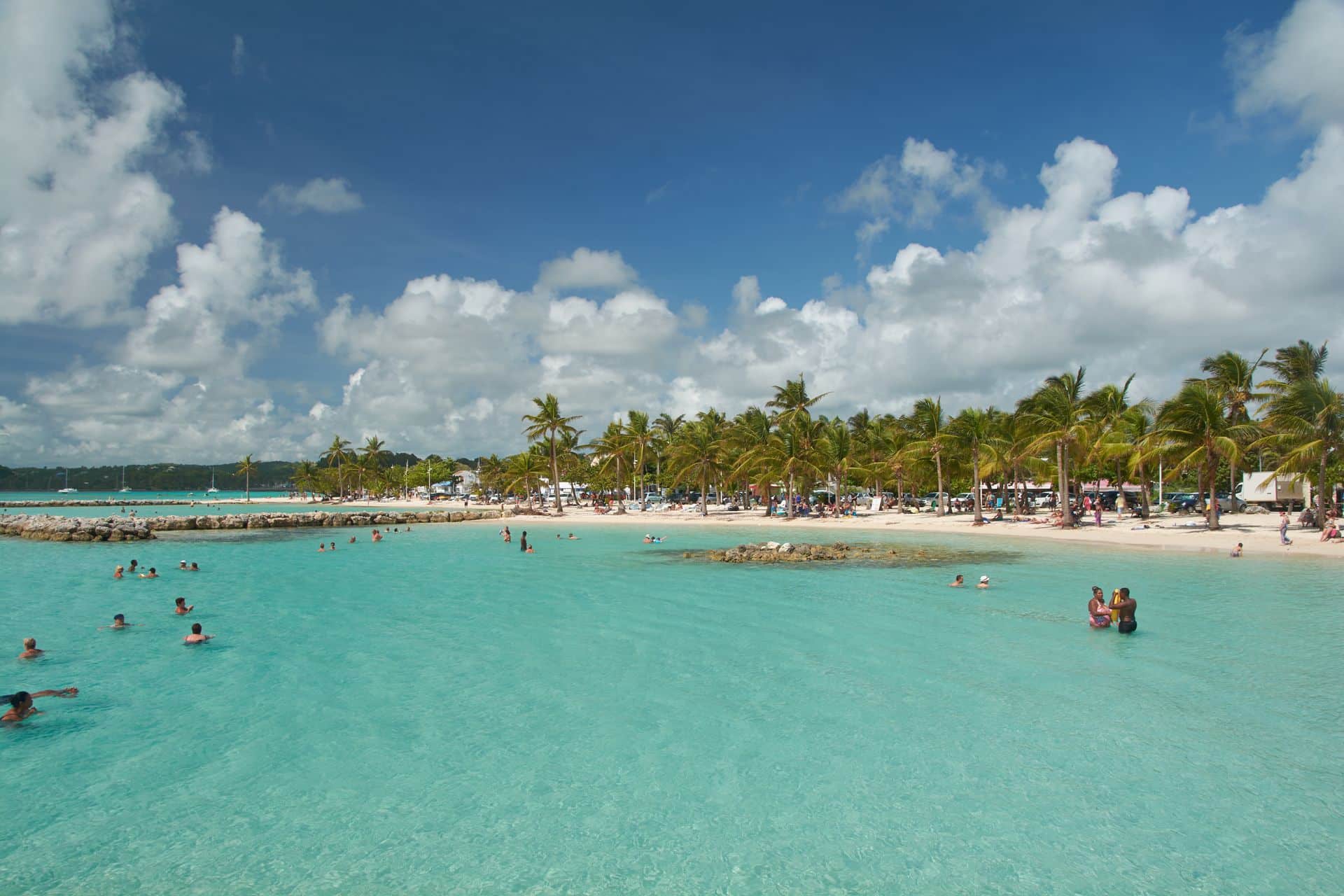
Trip to Guadeloupe
Feel like escaping to a French island that looks like a tropical paradise, with white-sand beaches, pristine tropical rainforest and an active volcano? Guadeloupe, a French overseas department shaped like a butterfly, offers two complementary sides: Grande-Terre and its iconic beaches of Sainte-Anne and Saint-François, lapped by the Caribbean Sea, and Basse-Terre, dominated by the […]
FAQ: everything you need to know before leaving for Martinique
Define your travel style: a beach stay at Les Salines, a volcanic adventure on Mount Pelée, diving on the shipwrecks of Saint-Pierre or discovering rum distilleries. Book flights and accommodation in advance, especially in high season (December–April). Bring mosquito repellent, high-SPF sunscreen and light clothing. Our Flammang advisors can design a tailor-made itinerary suited to your wishes.
A week is ideal to explore the south (Saintes, Sainte-Anne) and the north (Saint-Pierre, Mount Pelée). Ten to twelve days allow you to combine beaches, hikes, distilleries and Fort-de-France for a complete discovery. Martinique is relatively small (80 km long) — allow 1.5 to 2 hours’ drive between north and south, depending on traffic around Fort-de-France.
The best time is Lent, the dry season from December to April, with consistent sunshine, little rain and a calm sea. January to March is the peak of the high season. Avoid July to October due to the risk of hurricanes (peak in August–September). November and December offer good value for money with already favorable conditions.
Martinique caters to a wide range of budgets. A stay in a hotel or resort generally costs between €1,200 and €3,500 per person for 7 nights, flights included from Luxembourg. Creole guesthouses and B&Bs are available from €60–90/night. Local Creole restaurants offer full meals for around €15–25. Activities (diving, catamaran) are extra at €40–80 per outing.
No, Martinique is a French overseas department. Citizens of the European Union, including Luxembourgers, need neither a visa nor a passport: a national ID card is sufficient. The euro is the official currency, French law applies and your European Health Insurance Card is valid. No vaccinations are mandatory upon entry.
Martinique offers activities for all tastes: diving on the shipwrecks of Saint-Pierre (among the best in the Caribbean), hiking to the summit of Mount Pelée, snorkeling at Les Salines, kitesurfing at Le Diamant, surfing on the Atlantic coast, visiting AOC agricultural rum distilleries, a catamaran excursion, discovering the mangroves by kayak and a Creole gastronomic immersion.
About 10 to 13 hours from Luxembourg with a stopover. The most common connections go via Paris CDG (Air France, ~10h total), Amsterdam (TUI fly, ~11h30) or French cities such as Lyon or Nantes (Corsair). The direct Paris CDG – Fort-de-France flight takes about 8h30. Fort-de-France Aimé Césaire International Airport (FDF) is the island’s only air gateway.
Martinique is generally safe for tourists in the tourist areas (Sainte-Anne, Trois-Îlets, Le Diamant). Some neighborhoods of Fort-de-France require more vigilance at night. Follow the swimming flags (strong Atlantic currents on the east coast) and watch out for manchineel trees on beaches. The French healthcare system ensures high-quality medical care.
Yes, Martinique can easily be combined with Guadeloupe (30 min by plane), Saint Lucia (30 min), Barbados (45 min) or Saint Martin. Inter-island flights operated by Air Antilles provide regular connections. One week in Martinique + one week in Guadeloupe is a classic and very popular itinerary, covering the two largest French islands in the Caribbean.
Yes, Martinique is an excellent family destination. The calm beaches of Sainte-Anne, Anse Mitan and Trois-Îlets are ideal for children. The easy hikes at the Gorges de la Falaise, catamaran trips and visiting the Lacroix wildlife park are perfect for younger kids. The French healthcare system is reassuring for parents.