


Travel and holiday in New Zealand
Between legendary fjords, volcanoes and Māori culture, feel the Kiwi rhythm
Suspended between two oceans at the end of the world, New Zealand is one of the most extraordinary destinations on the planet: a stunning volcanic archipelago where landscapes of fjords carved into rock, active volcanoes, millennia-old glaciers and golden beaches follow one another at every turn of a breathtaking panoramic road.
Divided into two islands with radically different personalities, New Zealand offers every traveller a unique experience: the North Island charms with its rich Māori culture, Rotorua’s bubbling geothermal fields and the lush hills of Hobbiton, while the South Island dazzles with the majestic fjords of Fiordland, the snow-capped Southern Alps and Queenstown, the world capital of adventure.
With only 5 million inhabitants for an area comparable to France, New Zealand offers an outstanding natural density and preserved wilderness spaces of rare value. The country has 13 national parks, more than 900 km of protected coastline and a unique endemic biodiversity — the kiwi, the national bird, the giant weta, the kākāpō and kea parrots — in a natural setting of absolute purity.
Voyages Flammang supports you in designing a tailor-made trip to New Zealand: a grand motorhome tour, a self-drive road trip, sporting adventures in Queenstown, discovery of Māori culture or a romantic getaway in a luxury lodge, fully tailored to your dates, your budget and your wishes from Luxembourg.
Why travel to New Zealand?
Grandiose landscapes, millennia-old Māori culture, extreme adventures and unspoilt wilderness: New Zealand is an exceptional destination for travellers in search of authenticity, wonder and unforgettable experiences at the end of the world.
Discover our best deals for your trip to New Zealand
Fancy kayaking through the fjords, exploring Hobbiton or bungee jumping in Queenstown?
We have selected for you our most popular tours and stays in New Zealand: a grand motorhome tour from the North Island to the South Island, a tailor-made self-drive road trip, extreme adventures in Queenstown, discovery of Māori culture or a panoramic tour between fjords and the Southern Alps.
Whether you dream of a grand family self-drive tour, a sporty adventure with friends, or a romantic getaway in a luxury lodge, every offer is fully customizable to suit your dates and budget.
Choose your package—we design for you a tailor-made trip to New Zealand, turnkey from Luxembourg.
€7,100
price per person
Natural Parks and Sacred Lands
- Trek on one of New Zealand’s most spectacular volcanoes, Tongariro
- Walk in the most beautiful national parks
- Discover Māori culture
€5,086
price per person
New Zealand at your own pace
- A road trip with complete freedom from north to south
- An ideal self-drive tour to discover New Zealand at your own pace
- Spectacular landscapes of volcanoes, lakes and fjords
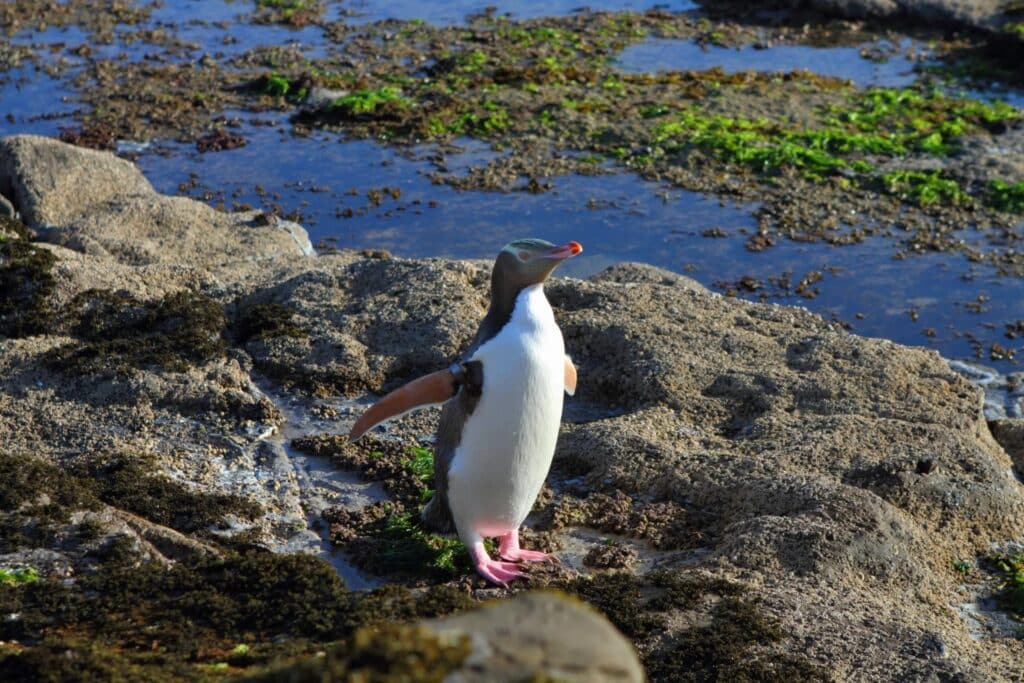
€8,260
price per person
Fjords, glaciers and Maori culture
- Guaranteed French-speaking departures from 6 people, with a maximum of 16 participants
- Very comprehensive discovery of New Zealand
- An introduction to Māori culture
Nos voyages organisés – ULT
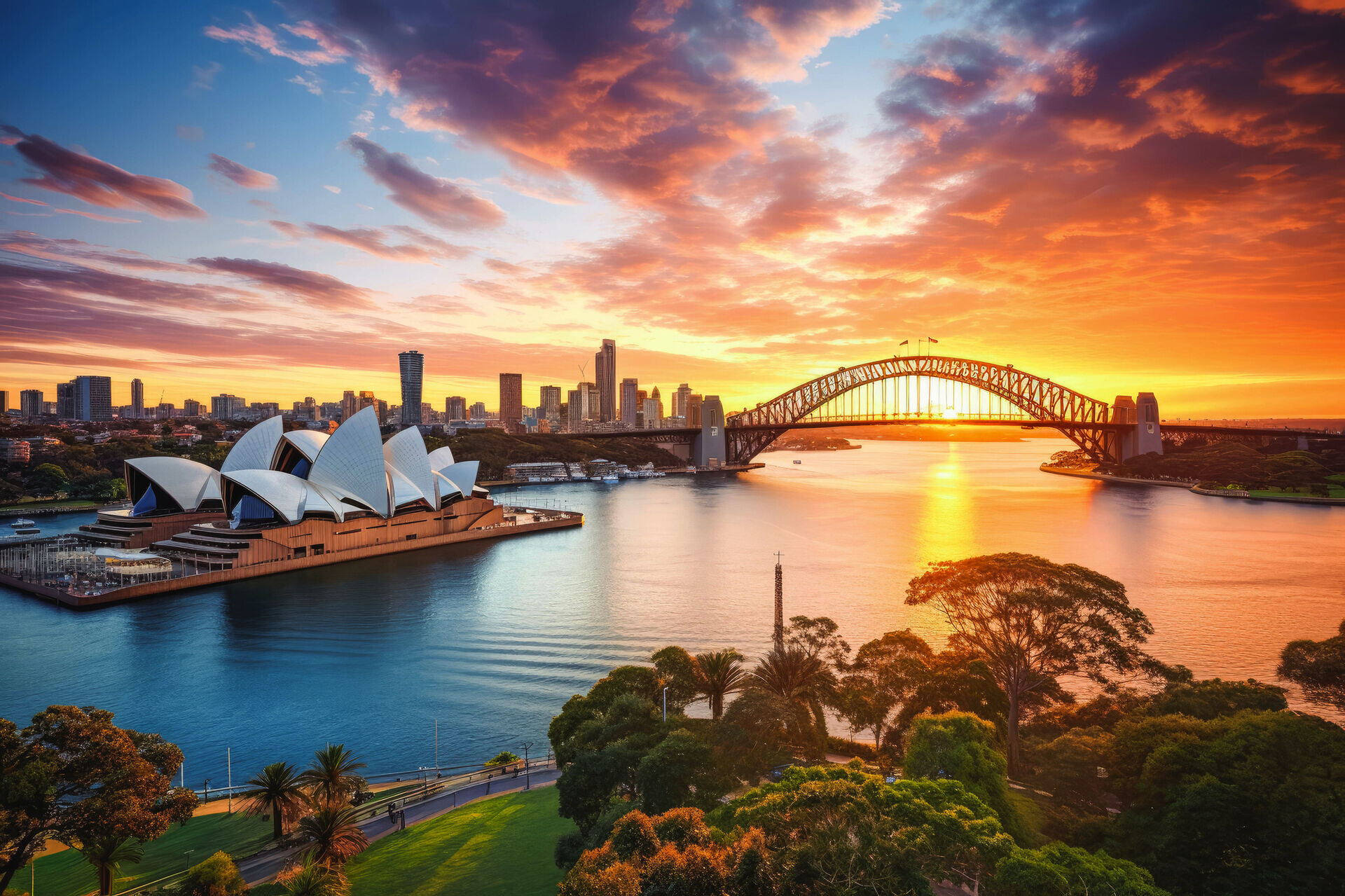
19725€
price per person
Australien & Neuseeland
- Zwei Traumländer in einer Reise
- Einzigartige Begegnungen und authentische Kultur
- Metropolen, Outback, spektakuläre Landschaften
When to go to New Zealand?
New Zealand can be visited year-round, but the seasons are reversed compared to Europe: the Southern Hemisphere summer (December to February) corresponds to our winter, and winter (June to August) to our summer.
Southern Hemisphere summer (December to February) – Peak season
It’s the best time to visit New Zealand: mild temperatures (20–25°C), long sunny days, and access to all national parks. Ideal for road trips, alpine hikes, and outdoor activities. Note: it’s also peak tourist season—book well in advance, especially in Queenstown and Milford Sound!
Southern Hemisphere autumn (March to May) – The ideal season
Autumn is often considered the best time to visit without the crowds. Temperatures remain pleasant, landscapes take on sumptuous autumn colors, prices drop, and sites are less busy. Perfect for hikers and photographers.
Southern Hemisphere winter (June to August) – Skiing and fjords
Winter is the ideal season for downhill skiing (Queenstown, Wanaka, Mount Ruapehu) and snow sports. The fjords of Milford Sound are particularly spectacular in the rain (the waterfalls swell). The east coast of the South Island (Christchurch, Blenheim) often enjoys decent sunshine.
Southern Hemisphere spring (September to November) – Nature awakens
Spring sees nature awaken with an explosion of flowers and greenery. Lambs are born in the pastures, whales migrate back along the coasts, and temperatures become mild again. It’s an excellent time to visit, with fewer people than in summer and better-value rates.
Auckland
| Jan | Feb | March | April | Mai | June | July | Aug | Sept | Oct | Nov | Dec | |
|---|---|---|---|---|---|---|---|---|---|---|---|---|
| Our opinion | ||||||||||||
| Season | ||||||||||||
| Tourist peak | ||||||||||||
| T° max | 24°C | 24°C | 23°C | 20°C | 17°C | 15°C | 14°C | 15°C | 17°C | 19°C | 21°C | 23°C |
| Rainy days | 8 d | 8 d | 9 d | 11 d | 14 d | 16 d | 18 d | 15 d | 13 d | 11 d | 10 d | 9 d |
| Beach | ||||||||||||
| Hiking |
Queenstown
| Jan | Feb | March | April | Mai | June | July | Aug | Sept | Oct | Nov | Dec | |
|---|---|---|---|---|---|---|---|---|---|---|---|---|
| Our opinion | ||||||||||||
| Season | ||||||||||||
| Tourist peak | ||||||||||||
| T° max | 22°C | 22°C | 19°C | 15°C | 11°C | 8°C | 7°C | 9°C | 13°C | 16°C | 18°C | 21°C |
| Rainy days | 5 d | 5 d | 7 d | 8 d | 11 d | 12 d | 11 d | 10 d | 8 d | 8 d | 7 d | 6 d |
| Hiking |
Where to go in New Zealand? Must-see destinations
Auckland & Bay of Islands
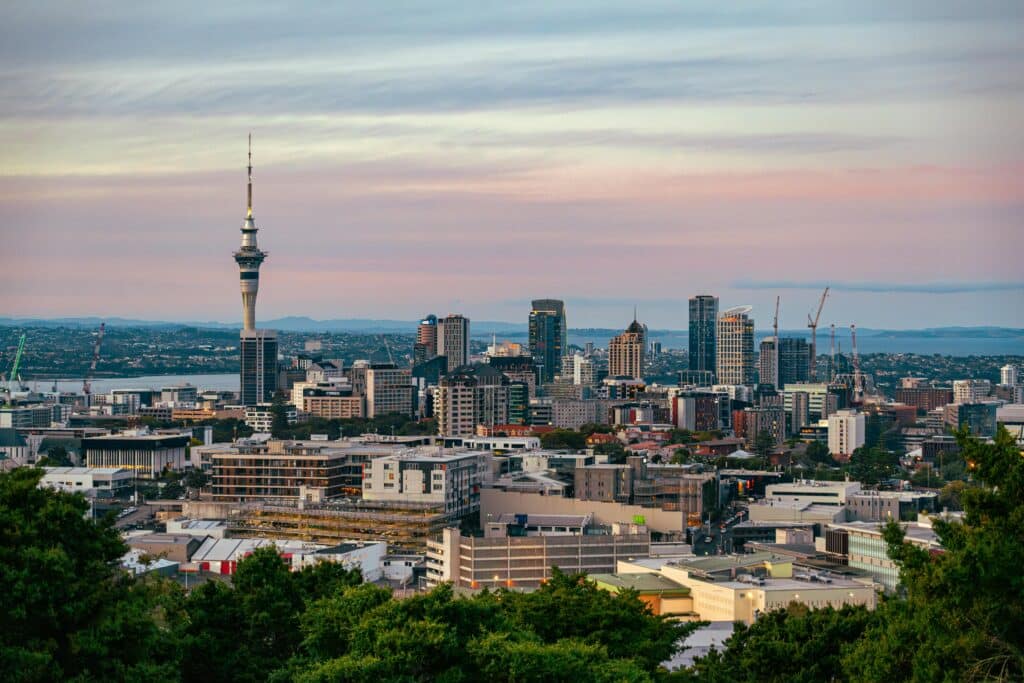
Auckland, the “City of Sails,” is New Zealand’s largest city and the entry point for most travelers. Perched between two harbors and dotted with volcanic cones, it offers a lively cultural scene, world cuisine restaurants, and quick access to islands. The Bay of Islands, 3 hours to the north, is a marine paradise of 144 islands where you can swim with dolphins, sail, and explore the colonial remains of Waitangi.
Ideal for:
- arrival and discovering the city
- cruises between the islands of the Bay of Islands
- watching dolphins in the wild
Not to be missed:
- Auckland Sky Tower
- Treaty of Waitangi (Maori historic site)
- Cruise in the Bay of Islands
Rotorua & Taupo – geothermal wonders and Māori culture
Rotorua is New Zealand’s cultural and geothermal capital. The city literally steams: geysers, bubbling sulfur mud pools, hot springs, and geothermal areas dot the landscape. It’s also the beating heart of Māori culture: the authentic villages of Te Puia and Whakarewarewa let you attend ceremonies and haka performances, and taste food steamed in a hangi. Lake Taupo, New Zealand’s largest lake, offers fishing, kayaking, and views of active volcanoes.
Perfect for:
- Māori culture and traditional villages
- geothermal areas and geysers
- water sports on Lake Taupo
Must-sees:
- Te Puia geothermal village
- Haka performance and hangi dinner
- Tongariro volcanoes (LOTR’s Mordor)
Wellington – the Kiwi’s cultural capital
Wellington, the capital of New Zealand, is often described as the cultural capital of the Pacific. Perched at the southern tip of the North Island, it is known for its cafés, art galleries, museums and vibrant food scene. The Te Papa Museum, a world-class national museum, houses unique Māori art collections. Wellington is also home to Weta Workshop, the Lord of the Rings special effects studios — a must-visit for fans.
Ideal for:
- culture, arts and gastronomy
- visiting Weta Workshop (LOTR)
- a starting point for the South Island
Must-see highlights:
- Te Papa Tongarewa Museum
- Weta Workshop (LOTR studios)
- Wellington Cable Car panoramic ride
Queenstown & Fiordland – adventure and fjords
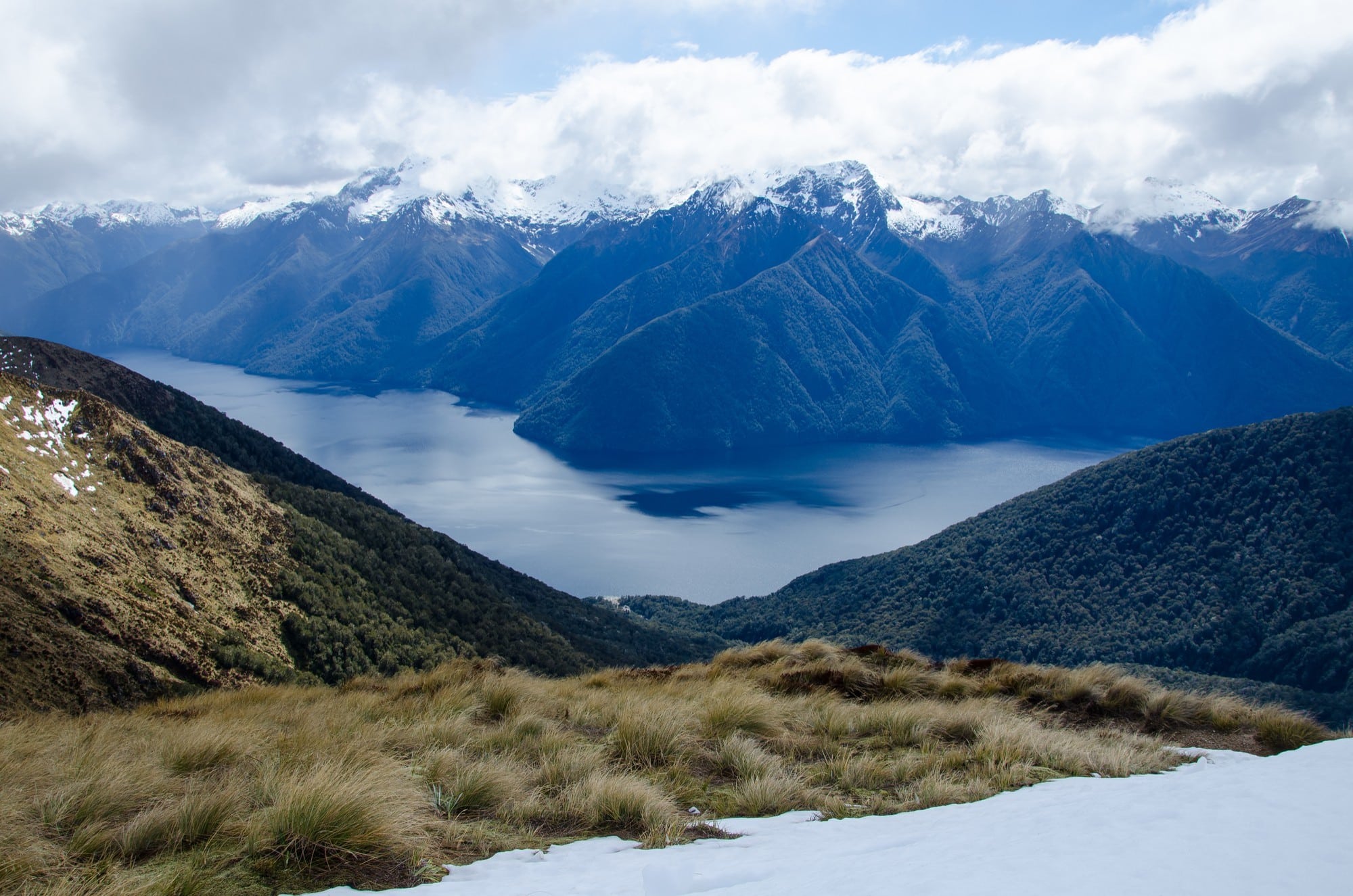
Queenstown, on the shores of Lake Wakatipu and surrounded by the Remarkables, is the world capital of extreme sports: bungy jumping, jet boating, skydiving, luge and skiing have made this small mountain town famous worldwide. Two hours away, Fiordland National Park, a UNESCO World Heritage Site, is home to Milford Sound — one of the most photographed natural sites in the world — and Doubtful Sound, accessible only by cruise for total immersion in the wilderness.
Recommended for:
- extreme sports and adrenaline
- a cruise through the fjords of Milford Sound
- downhill skiing in winter (July–August)
To discover:
- Milford Sound (Fiordland)
- Queenstown bungy jump
- Shotover River jet boat
Marlborough & Nelson Coast – vineyards and beaches
The Marlborough region is New Zealand’s world-renowned wine country, famous for its sauvignon blanc with intense aromas. The Marlborough Sounds, carved into a multitude of inlets and islands, can be explored by kayak or sailboat. The Abel Tasman National Park, further north, offers some of the country’s most beautiful coastal hikes: trails running alongside turquoise beaches, marine reserves with dolphins and sea lions, in a setting like a temperate tropical paradise.
Perfect for:
- wine tasting (Sauvignon Blanc)
- kayaking in the Marlborough Sounds
- coastal hiking in Abel Tasman
Must-sees:
- Marlborough wine estates
- Kayaking in the Marlborough Sounds
- Abel Tasman National Park
Mount Cook & Canterbury – Southern Alps
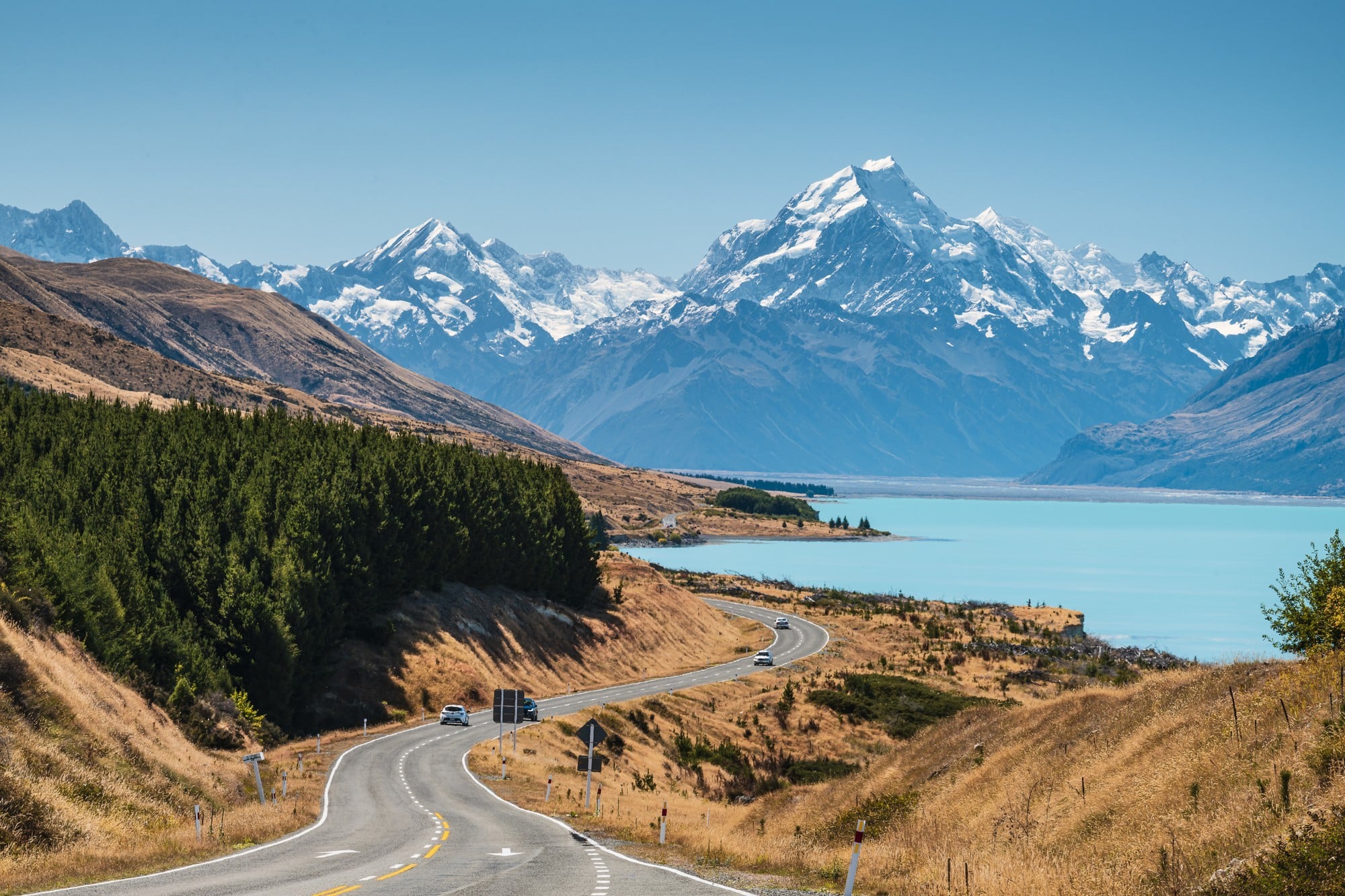
Mount Cook (Aoraki), New Zealand’s highest peak at 3,724 m, is the jewel of the Southern Alps. The national park that surrounds it is home to the Tasman and Franz Josef glaciers, accessible by helicopter or on foot for a unique glacier experience. The Canterbury Plains and the city of Christchurch (in the midst of a renaissance after the 2011 earthquake) offer an ideal base camp for exploring the region, with its museums, gardens and reinvented arts districts. The turquoise lakes of Tekapo and Pukaki are among the island’s most photographed landscapes.
Ideal for:
- mountaineering and high-altitude hiking
- scenic flights over the glaciers
- the turquoise lakes of Tekapo and Pukaki
To explore:
- Aoraki / Mount Cook National Park
- Tasman and Franz Josef glaciers
- Lake Tekapo (protected dark sky)
Which trip to New Zealand is right for you?
New Zealand lends itself to every travel style: a grand family motorhome road trip to explore both islands, extreme adventures with friends in Queenstown, or a romantic getaway in a luxury lodge facing the fjords. To each their own New Zealand.

Family trip – grand tour motorhome road trip
A motorhome tour is the most iconic way to explore New Zealand as a family: total freedom, spectacular scenery at every stop, outdoor living. Kids love Rotorua’s geothermal areas, sheep roaming freely along the roads, and wild beaches. New Zealand is extremely safe and well equipped for families, with quality campgrounds and activities suitable for all ages.
You’ll particularly enjoy:
- motorhome freedom on both islands
- Rotorua and Māori culture for children
- beaches, hikes and endemic wildlife

Couples’ trip – fjords and romantic lodges
New Zealand offers a breathtaking setting for couples: a sunset cruise in the fjords of Milford Sound, a night in a luxury lodge overlooking the Southern Alps, wine tasting in the Marlborough vineyards, a helicopter walk on the glaciers… The country invites you to truly switch off amid landscapes of awe-inspiring beauty.
To experience as a duo:
- sunset cruise in Milford Sound
- eco-luxury lodge in the Southern Alps
- wine tasting in Marlborough

Trip with friends – adrenaline and wide-open spaces
New Zealand with friends is the ultimate adventure. Bungee jumping from the Kawarau Bridge, jet boating at 80 km/h through the Shotover gorges, skydiving over Queenstown, surfing the waves in Raglan, canyoning in wild gorges, off-piste skiing on the peaks of the Southern Alps… Every day pushes the limits in a dream setting, and the evenings end in the lively bars of Queenstown.
Not to be missed:
- bungee jump at Kawarau Bridge (Queenstown)
- Shotover River jet boat
- skydive with views over the alpine lakes
Practical tips for your trip to New Zealand
New Zealand was the first country in the world to grant women the right to vote, in 1893! The country has also committed to protecting its environment: it banned single-use plastic bags in 2019 and is aiming for carbon neutrality by 2050. Another distinctive feature: New Zealanders call themselves Kiwis, like their national bird — and like the fruit, of course.
The official currency is the New Zealand Dollar (NZD). Bank cards (Visa, Mastercard) are accepted everywhere, even in small shops and campsites. Contactless payments are very widespread. It’s a good idea to carry a little cash for isolated rural areas and Māori craft markets. ATM cash machines are available in all cities and most tourist villages.
New Zealand has around 5 million inhabitants, known as New Zealanders or, affectionately, Kiwis. The country has two official languages: English and te reo Māori. Māori culture is deeply rooted in society: place names, everyday expressions and ceremonies (pōwhiri, haka) are everywhere. Kiwis are known for their warmth, humility and sense of humour.
In New Zealand, outlets are type I (slanted plugs with two or three flat pins in a V shape, as in Australia). The voltage is 230V/50Hz, the same as in Europe. You will need a travel adapter (no voltage converter required for modern European devices). Note: type I is not compatible with standard European sockets without an adapter.
Luxembourg citizens do not need a visa for New Zealand for a tourist stay of up to 3 months. However, since 2019, an Electronic Travel Authority (NZeTA) has been mandatory before boarding (online application, ~NZD 12, valid for 2 years). A passport valid for at least 3 months after the return date is required. A tourism conservation levy (IVL, ~NZD 35) is also collected when applying for the NZeTA.
New Zealand can be reached from Luxembourg via flights with 1 to 2 stopovers to Auckland (AKL) or Christchurch (CHC) :
- Flight duration: about 22 to 27 hours depending on stopovers
- Airlines: Air France, KLM, Emirates, Singapore Airlines, Cathay Pacific, Qantas
- Common stopovers: Paris CDG, Amsterdam, Dubai, Singapore, Hong Kong, Sydney
- Tip: plan the flight via Sydney or Melbourne to combine your trip with exploring Australia
Transport options:
- Rental car or motorhome: the best way to explore; driving is on the left
- Intercity bus: a tourist bus network between cities
- Stray/Kiwi Experience pass: popular hop-on hop-off buses among backpackers
- Domestic flights: Air New Zealand connects Auckland, Wellington, Christchurch, Queenstown (around 1 hour)
- Interislander ferry: the Wellington–Picton connection (3h30) between the North Island and the South Island
New Zealand is a very safe destination from a health standpoint. No mandatory vaccinations are required for Luxembourg citizens. Recommended vaccinations: hepatitis A and B. Tap water is drinkable throughout the country. Watch out for natural hazards: mountain hikes (changeable weather), ocean currents on wild beaches (follow the flags). ACC (Accident Compensation Corporation) covers tourists’ accidents in New Zealand.
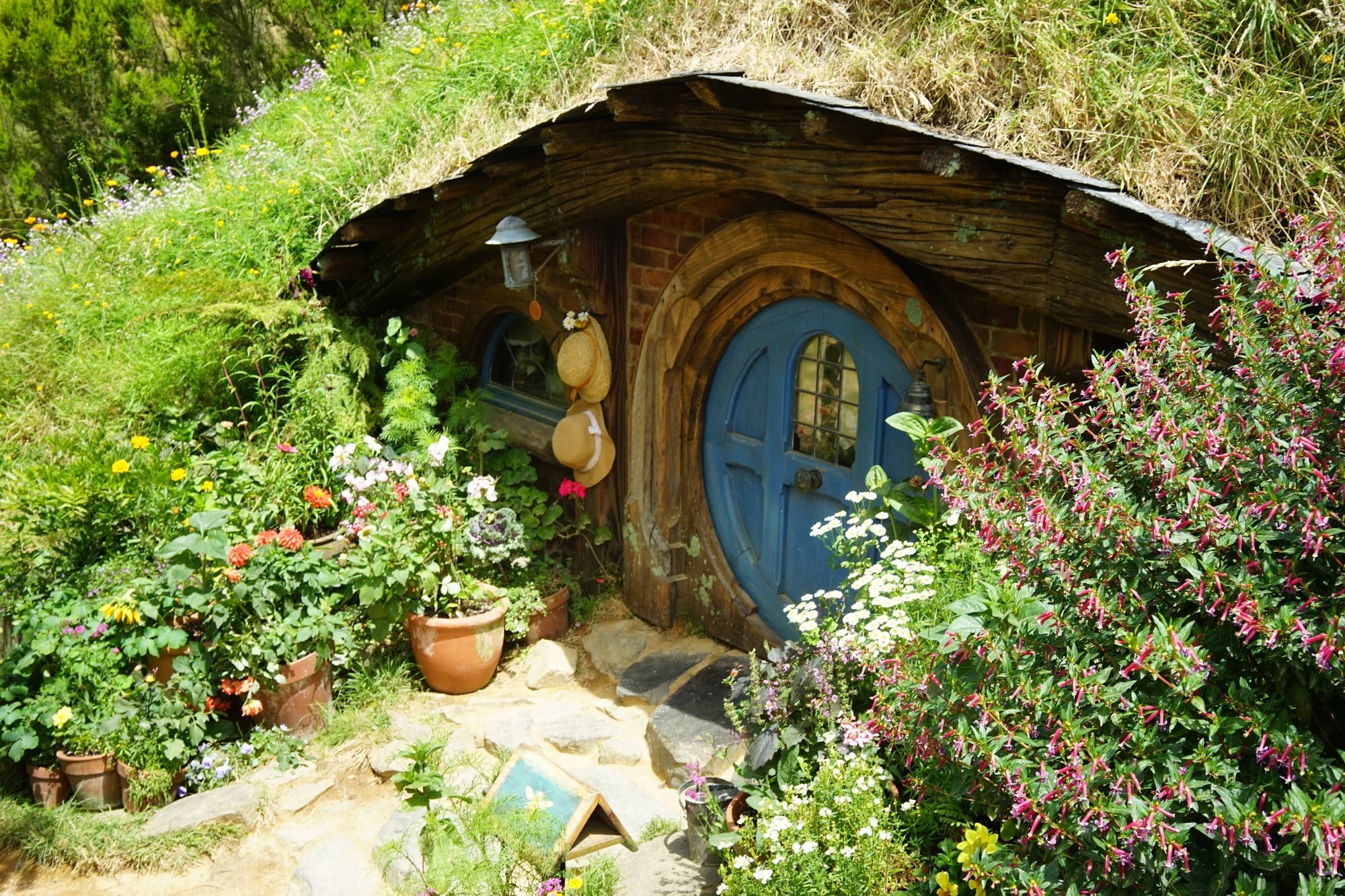
Create your ideal New Zealand trip now
Legendary fjords, Māori culture, extreme adventures and Middle-earth landscapes.
We design a tailor-made trip to New Zealand for you, fully adapted to your dates, your budget and your wishes.
Discover our other destinations in Oceania as well
Want to extend the adventure after New Zealand?
Our experts have selected the most beautiful destinations in Oceania and the Pacific for you, ideal for extending your adventure between wild Australia, French Polynesia, Fiji and the Pacific Islands. Get inspired.
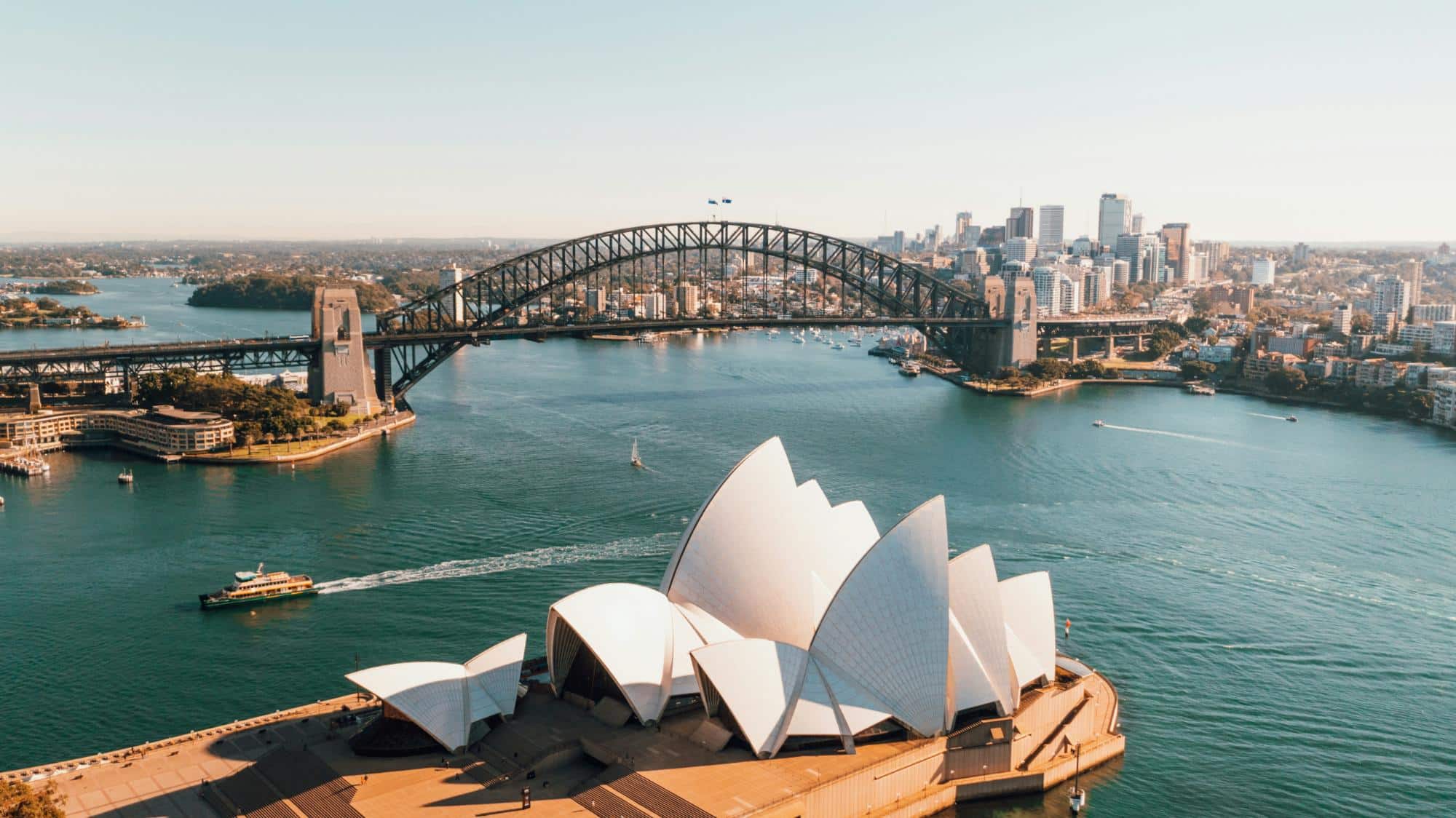
Australia
Between ocean and desert, nature stretches as far as dreams can reach
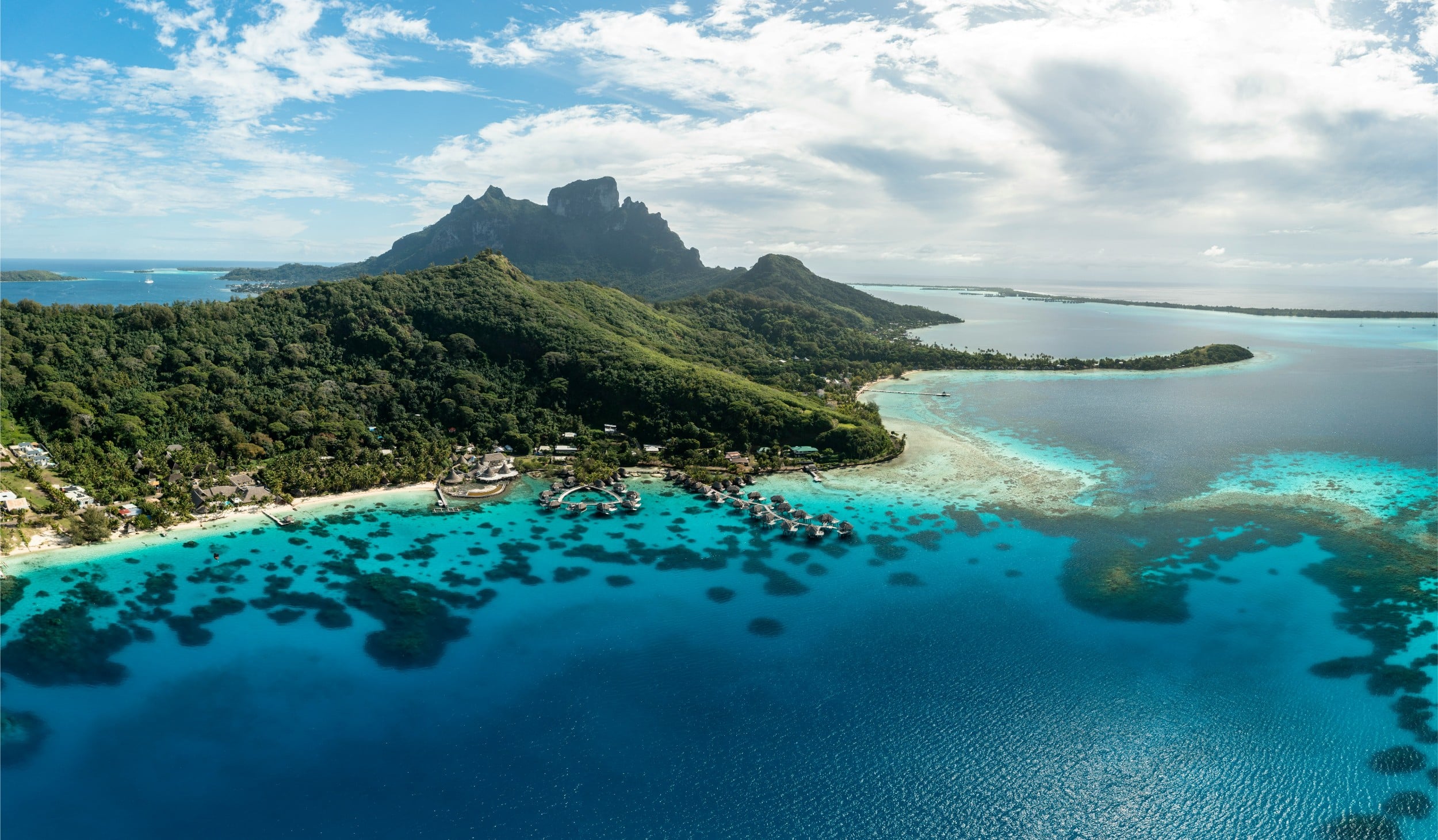
French Polynesia
From lagoons to mountains, the harmony of a living paradise.
FAQ: the essential questions for planning your trip to New Zealand
The best time is the southern summer (December to February): mild temperatures, long days and access to all sites. Autumn (March–May) is also excellent, with fewer crowds. Winter (June–August) is ideal for skiing in Queenstown. Note: the seasons are reversed compared with Europe.
Ideal duration:
- 14 to 21 days: grand tour of the North Island + South Island (recommended)
- 10 to 12 days: focus on the South Island (Queenstown, Fiordland, Christchurch)
- 7 to 10 days: discovering the North Island (Auckland, Rotorua, Wellington)
The country is large and the roads are winding—allow more time than you think.
It all depends on your itinerary. Generally, you arrive in Auckland (North Island) to enjoy Māori culture, Rotorua and Hobbiton, then you take the ferry or a domestic flight to the South Island (Queenstown, Fiordland, Mount Cook). Ideally, you do the full loop by motorhome over 3 weeks.
New Zealand is a mid- to high-budget destination:
- Backpacker budget (hostels, self-catering): €80–120/day/person
- Comfort tour (3–4-star hotels): €180–280/day/person
- Premium tour (luxury lodges): €350–600+/day/person
Flights from Luxembourg: €1,200–2,000 return depending on the season.
Yes, New Zealand is ideal for families. The country is very safe, well set up for tourism, and offers hundreds of child-friendly activities: Rotorua’s geothermal areas, meeting sheep on farms, visiting Hobbiton, whale and dolphin watching, safe beaches, and high-quality family-friendly campsites. A motorhome is the top option for travelling as a family.
New Zealand is a paradise for extreme sports:
- Bungee jumping: invented in Queenstown (Kawarau Bridge)
- Jet boat: Shotover River, Whanganui
- Skydiving: over Queenstown, Taupo or the Bay of Islands
- Skiing: Coronet Peak, Treble Cone, Mount Ruapehu (Jul–Sep)
- Hiking: Milford Track, Tongariro Alpine Crossing, Routeburn Track
- Kayaking / surfing / diving: many coastlines and marine reserves
The Māori are the Polynesian people who were New Zealand’s first inhabitants, arriving around 1280. Their culture—language (te reo maori), tattoos (tā moko), carvings, songs and the haka dance—is deeply woven into New Zealand life. In Rotorua, the villages of Te Puia and Whakarewarewa offer authentic experiences: pōwhiri (welcome ceremony), haka, hāngi meal. The Te Papa museum in Wellington houses outstanding collections of Māori art.
A car or a motorhome is strongly recommended to explore New Zealand freely. You drive on the left (as in the UK). Roads are generally in good condition, but some tracks (unsealed roads) require a 4×4. Alternatively, intercity buses and domestic flights (Air New Zealand) make it possible to connect major cities without a car. For a grand tour, the motorhome remains the most iconic option.
Yes, New Zealand and Australia are very easy to combine: there are many low-cost flights between Auckland/Christchurch and Sydney/Melbourne/Brisbane (2–3 hours, from NZD 100). A combined New Zealand + Australia tour (Sydney, Great Barrier Reef, Outback) is very popular. New Zealand also pairs well with the Fiji Islands or French Polynesia for a paradise stopover.
The 10 must-sees:
- Milford Sound (Fiordland): the world’s most famous fjord
- Tongariro Alpine Crossing: an epic volcanic hike (Mordor)
- Rotorua: Māori culture and geothermal wonders
- Queenstown: the adventure capital
- Hobbiton: The Lord of the Rings village
- Bay of Islands: marine archipelago and Māori culture
- Mount Cook (Aoraki): the roof of New Zealand
- Abel Tasman: coastal hike and turquoise beaches
- Lake Tekapo: UNESCO stargazing sky and glacier scenery
- Franz Josef Glacier: a glacier accessible on foot or by helicopter