


Travel to India
Taj Mahal, Rajasthan, Kerala & spirituality — India in all its diversity
India is much more than a destination: it is a continent in itself, an absolute sensory shock that upends, fascinates and stays with travellers forever.
From the majestic Taj Mahal in Agra to the flamboyant palaces of Rajasthan, from the backwaters of Kerala to the sacred ghats of Varanasi, via the Himalayan peaks of Ladakh and the beaches of Goa: India offers a diversity of landscapes, cultures and civilisations unlike anywhere else in the world.
The best time to visit India is from October to March: mild temperatures, blue skies and ideal conditions for exploring the North and Centre of the country. Kerala and the South are at their best from November to March, while the monsoon (June–September) turns Northern landscapes into a deluge of water and mud.
Voyages Flammang offers you a tailor-made trip to India: a cultural tour through the Golden Triangle, a royal odyssey in Rajasthan, a nature immersion in Kerala or a spiritual exploration in Varanasi. Each trip is designed from Luxembourg, according to your wishes and your pace.
Why go to India?
India is an extraordinary destination that engages all the senses. Royal palaces and fortresses, age-old spirituality, spicy cuisine, diverse landscapes and legendary warmth: every trip to India is a unique, transformative adventure.
Discover our best travel deals for India
Our experts have selected for you the most popular tours and stays in India: a 10-day Golden Triangle, a grand tour of Rajasthan, discovering Kerala by houseboat, or a spiritual journey along the routes of Varanasi.
Whether you want a guided group tour, a family trip, a honeymoon in Rajasthan or a solo adventure, each offer is fully adaptable to your dates, your budget and your wishes.
Voyages Flammang designs your tailor-made trip to India from Luxembourg.
€3,699
price per person
EXPERIENCES – Private tour in India
- New Delhi – Delhi – Agra – Ranthambore – Jaipur
- Immersive and interactive experiences
- Charming, well-located accommodation
€3,199
price per person
EXPERIENCES – Royal Getaway in India
- Delhi – Agra – Jaipur – Pushkar – Jodhpur – Udaipur
- An ideal atmosphere for couples
- Authentic cultural experiences

£4,543
price per personKuoni
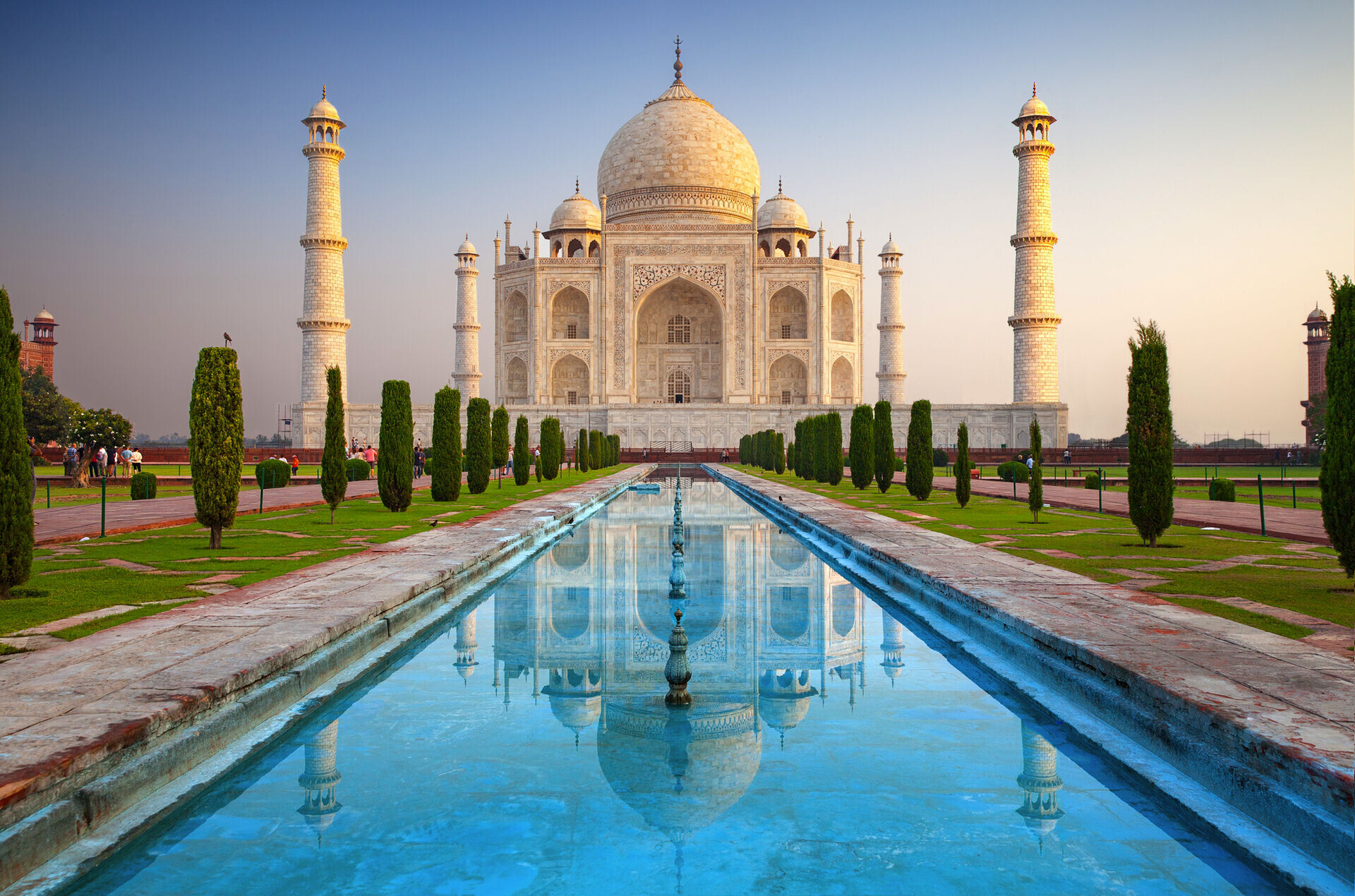
Along the rails of sacred India
- Several stages travelled by train
- A street food experience in Mumbai
- Two relaxation days
Nos voyages organisés – ULT
2215€
price per person
Märchenhaftes Nordindien
- Stadtrundfahrt Neu- und Altdelhi
- Besuch des Weltwunders Taj Mahal
- Besichtigung des Fort Amber Jaipur
7698€
price per person
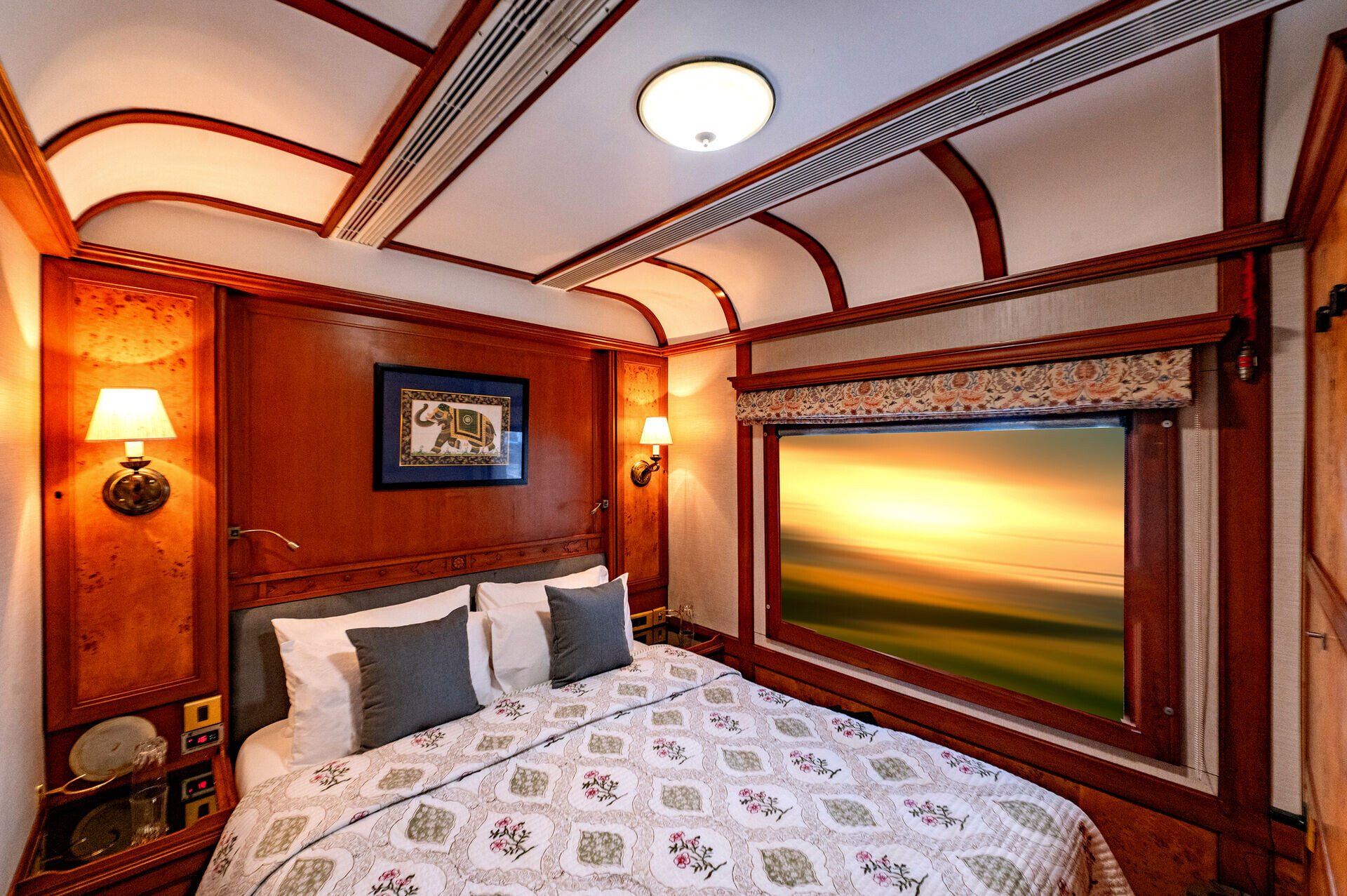
Indian Odyssey
- Abwechslungsreiche Fahrt im Luxuszug
- Besuch des Taj Mahals
- Ausflug Udaipur mit City Palace

2215€
price per person
L’Inde du Nord féerique
- Visite guidée de New Delhi et du Vieux Delhi
- Visite du Taj Mahal, l’une des Sept Merveilles du Monde
- Visite du Fort d’Amber à Jaipur
When to go to India?
India is a vast country with highly varied microclimates depending on the region. Depending on your destination — North, South, East or West coast, Himalayas — the ideal period differs significantly.
October to March
The golden season: The best time to visit North India (Golden Triangle, Rajasthan, Varanasi). Pleasant temperatures (15–30°C), blue skies, little rain. Also ideal for Kerala from November to March.
March–April
Spring: Still acceptable for the North, but temperatures start rising sharply in Delhi and Jaipur (35–40°C). Ideal for Goa before the rainy season. Mustard flowers in Rajasthan in March.
June to September
The monsoon: Heavy rainfall across North and Central India. Some regions become difficult to access. This is the ideal season for Ladakh (mid-June to mid-September) and tiger safaris (March–May).
Summer (May–June) — Avoid for the North: Extreme heat in Delhi, Jaipur, Agra: 42–47°C. Very uncomfortable for outdoor visits. If you travel in summer, choose Kerala or Kerala or Munnar (in the mountains).
New Delhi
| Jan | Feb | March | April | Mai | June | July | Aug | Sept | Oct | Nov | Dec | |
|---|---|---|---|---|---|---|---|---|---|---|---|---|
| Our opinion | ||||||||||||
| Season | ||||||||||||
| Tourist peak | ||||||||||||
| T° max | 21°C | 25°C | 33°C | 40°C | 43°C | 40°C | 35°C | 34°C | 34°C | 35°C | 29°C | 22°C |
| Rainy days | 2 d | 2 d | 4 d | 4 d | 6 d | 15 d | 20 d | 19 d | 12 d | 4 d | 3 d | 2 d |
| Hiking |
Where to go in India? Must-see regions
Golden Triangle – Delhi, Agra & Jaipur
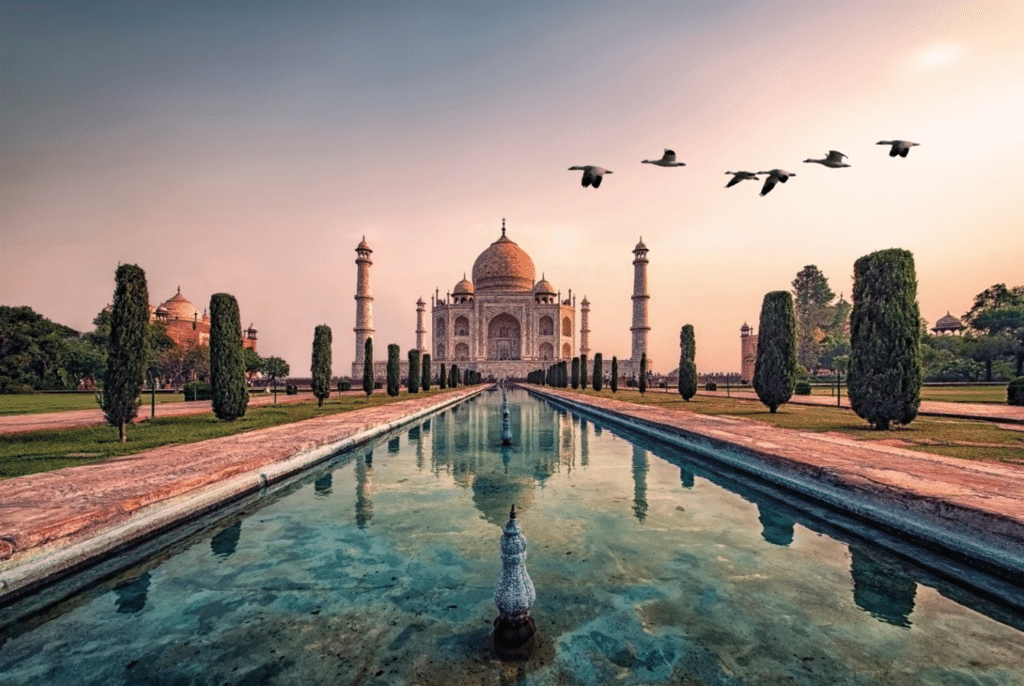
An iconic North India itinerary: the capital Delhi (Red Fort, Qutb Minar), the majestic Taj Mahal in Agra and the Pink City of Jaipur (Hawa Mahal, Amber Fort). 7–10 days are enough for this magical trio.
- Taj Mahal & Agra Fort
- Jaipur’s Hawa Mahal (Palace of Winds)
- Red Fort & Old Delhi
Rajasthan – fortresses & maharajas’ palaces
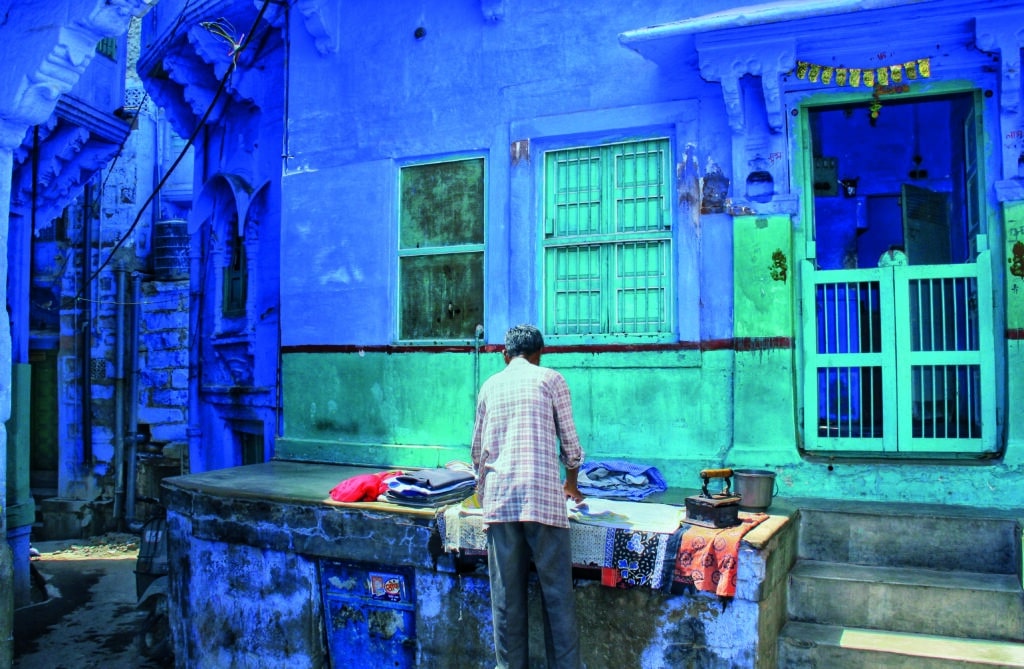
The Land of Kings offers breathtaking landscapes and monuments: Jodhpur, the Blue City, Udaipur, the Venice of India, Jaisalmer, the Golden City, Pushkar and its sacred lake, Bikaner and its golden sand dunes.
- Jaisalmer & the Thar Desert
- Udaipur & Lake Palace
- Jodhpur & Mehrangarh Fort
Kerala – backwaters, tea & southern beaches
“God’s Own Country” captivates with its lush nature and gentle pace of life. A houseboat cruise on the Alleppey backwaters, Munnar tea plantations, Kovalam beaches, Thrissur temples and the art of Kathakali.
- Alleppey backwaters
- Munnar tea plantations
- Kovalam beaches
Varanasi & the Ganges – spirituality and mystery
Varanasi (Benares) is one of Hinduism’s holiest cities. The ghats of the Ganges, the Aarti ceremonies at dusk, the Ganges at dawn from a boat: a unique spiritual experience. Bodh Gaya and Sarnath round out this Buddhist–Hindu itinerary.
- Ganges ghats at dawn
- Evening Aarti ceremony
- Bodh Gaya & Sarnath
Ladakh & the Himalayas – skies and monasteries
Ladakh is India’s most spectacular region: a high-altitude desert at 3,500 m, perched Buddhist monasteries (Hemis, Thiksey), vertiginous Himalayan passes, and the turquoise lakes of Pangong and Tso Moriri. Rishikesh, the capital of yoga, completes the picture of the northern Himalayas.
- Leh & Thiksey Monastery
- Pangong Tso Lake
- Yoga & rafting in Rishikesh
Which trip to India is right for you?
India offers something for every traveler: families discovering palaces and wildlife, couples in search of romance at the foot of the Taj Mahal, or adventurous friends setting out to conquer the deserts of Rajasthan and the peaks of Ladakh.

Family trip – wildlife, safaris & palaces
Tiger safaris in Ranthambore, elephants in Kerala, palace hotels in Rajasthan and the Golden Triangle: India is a magical destination for families. Children are adored in India — a warm welcome guaranteed everywhere.
- Tiger safari in Ranthambore
- Taj Mahal & the Golden Triangle
- Kerala’s elephants

Couples’ trip – Taj Mahal & royal romance
The Taj Mahal at sunrise, dinner on a lake at Udaipur Palace, a night in a maharaja palace in Rajasthan, sunset on the ghats of Varanasi: India is a dream setting for an unforgettable honeymoon.
- Taj Mahal & sunset
- Rajasthan palace hotels
- Kerala backwaters cruise

Trip with friends – Rajasthan, festivals & adventure
Desert dunes in Jaisalmer by jeep or camelback, the Holi festival in Mathura, hiking in Ladakh’s Himalayas, colorful festivals in Rajasthan: India with friends is an explosion of colors, emotions, and unforgettable adventures.
- Jaisalmer desert by jeep
- Holi festival in Mathura
- Ladakh trek & Himalayan passes
Practical tips for your trip to India
India is the country with the lowest meat consumption per capita in the world — about 40% of the population is vegetarian. Indian cuisine varies radically from one region to another: from Kerala fish curry to Rajasthan’s dal baati, each state has its own flavors.
A visa is mandatory to enter India. The e-Visa (online application) is available for Luxembourg nationals: apply at least 4 days before departure on the official website indianvisaonline.gov.in. Validity: 30, 90, or 180 days. Cost: approx. USD 25–80.
The currency is the Indian Rupee (INR). Bank cards are accepted in tourist hotels and restaurants, but cash is still necessary in markets and local transport. ATMs are available in all major cities.
Recommended vaccines: hepatitis A and B, typhoid, tetanus-diphtheria, rabies (for rural areas). Antimalarial prophylaxis is recommended depending on the region. Avoid tap water—drink only bottled water. Bring a well-stocked first-aid kit.
India has a vast rail network (Indian Railways) ideal for long journeys. Overnight trains (sleeper and AC) are comfortable and economical. For cities: Uber and Ola (Uber equivalent) are reliable. Tuk-tuks (auto-rickshaws) are for short distances.
India has 22 official languages. Hindi and English are the national lingua francas. English is widely spoken in the tourism sector. Mobile internet is affordable—local SIM available at the airport.
Sockets of type C, D and M (220V/50Hz). Type C sockets (round European plugs) generally work. A universal adapter is nevertheless recommended depending on the hotels.
India is generally safe for tourists. Stay vigilant in very busy areas (pickpockets). For women: prefer traveling in a group, choose trusted taxis in the evening. Avoid isolated outings at night in less frequented areas.
India is a very affordable destination. Local meal: €1–€4. Accommodation: from €5 (guesthouse) to €200+ (palace hotel). Organized tours range from €80/day (budget) to €300/day (luxury). Tips (baksheesh) are part of local customs.
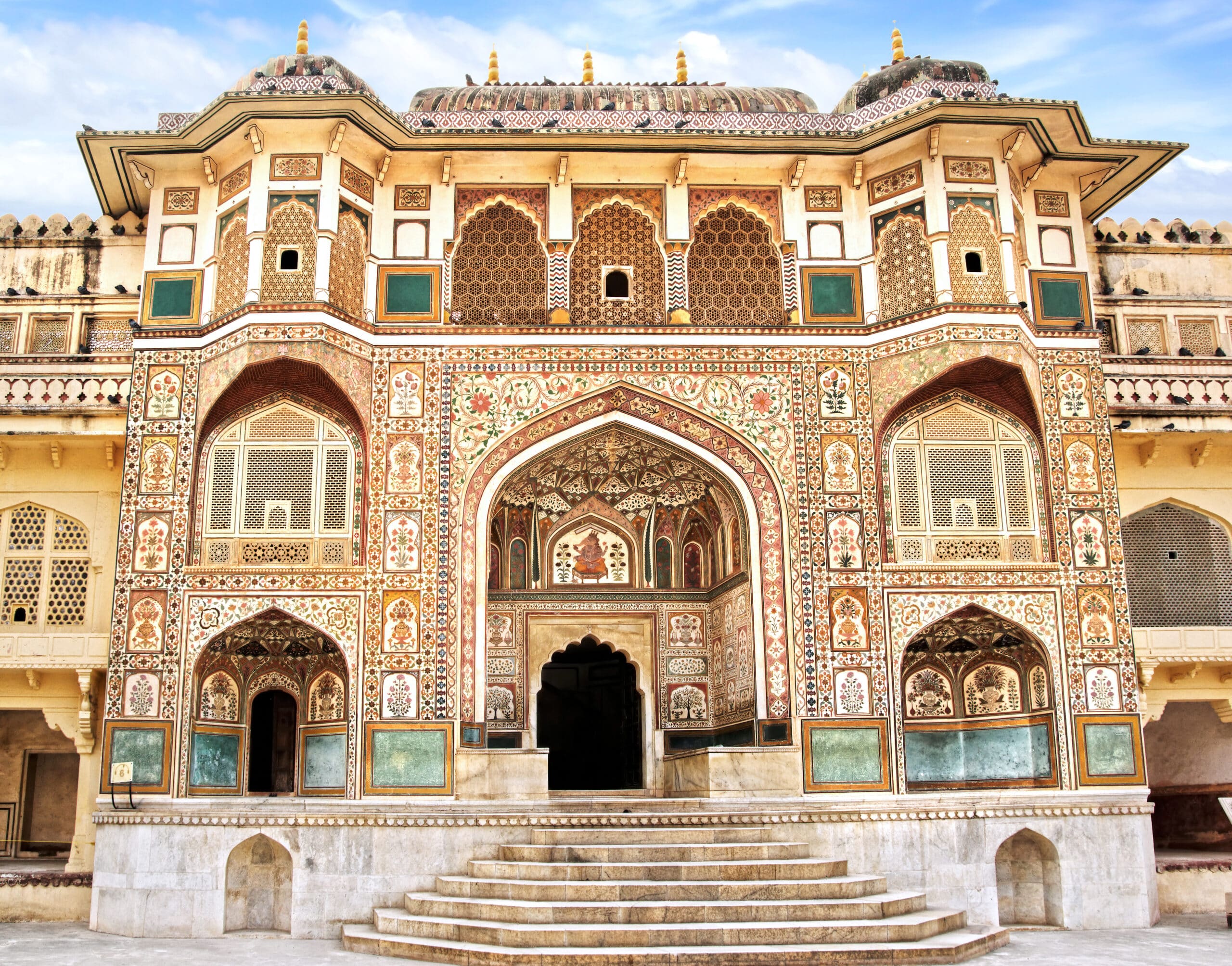
Create your dream trip to India now
Taj Mahal at sunrise, maharajas’ palaces in Rajasthan, Kerala’s backwaters, the ghats of Varanasi and the peaks of Ladakh. We design for you a tailor-made trip to India, fully adapted to your dates, your budget and your wishes.
Also discover our other destinations in Asia
India pairs perfectly with Sri Lanka, Nepal or the Maldives. Explore our other Asian destinations to create your ideal itinerary.
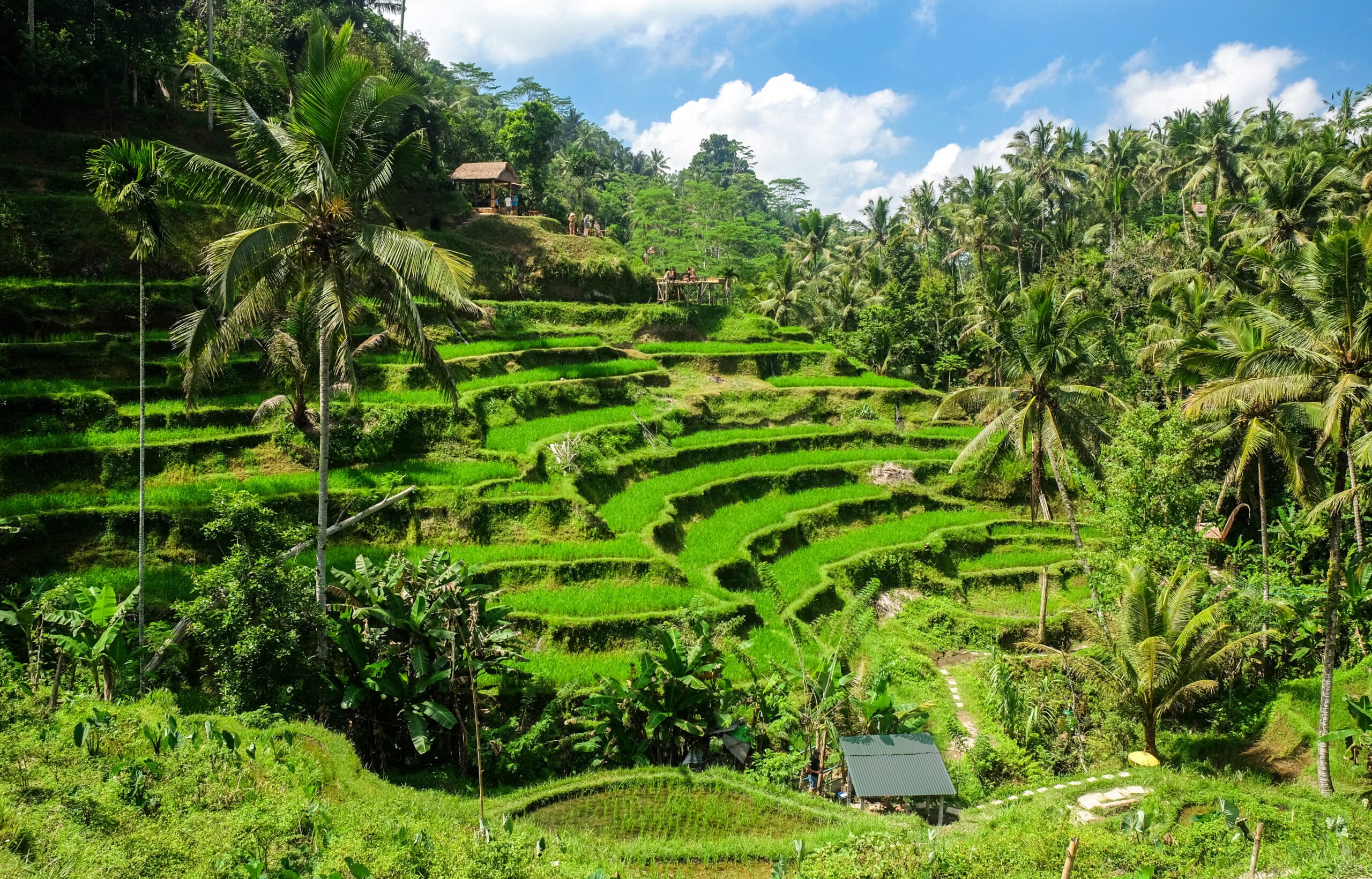
Bali
Between rice paddies, volcanoes and lagoons, serenity becomes an island
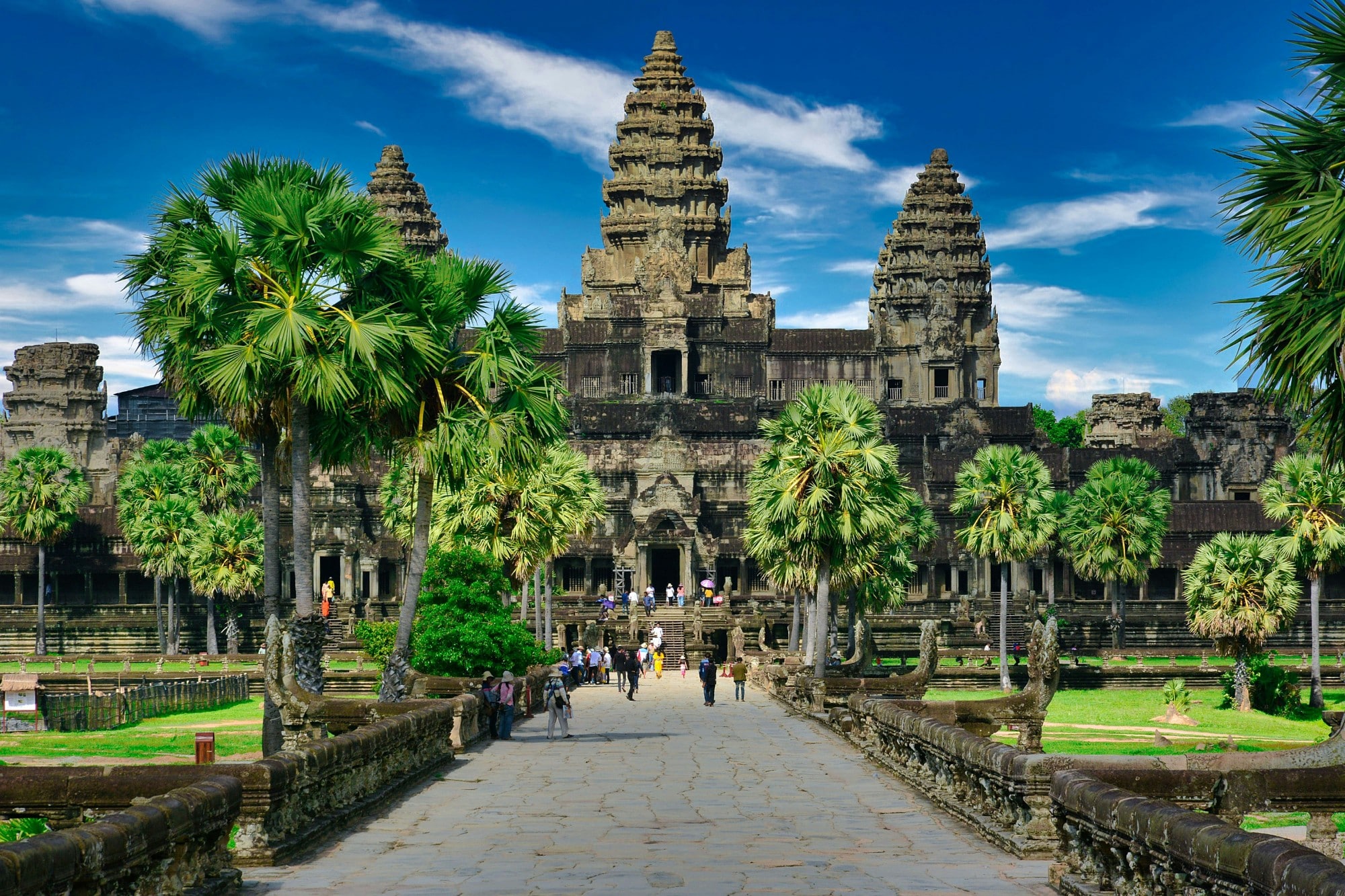
Cambodia
An eternal kingdom between rice fields and ruins
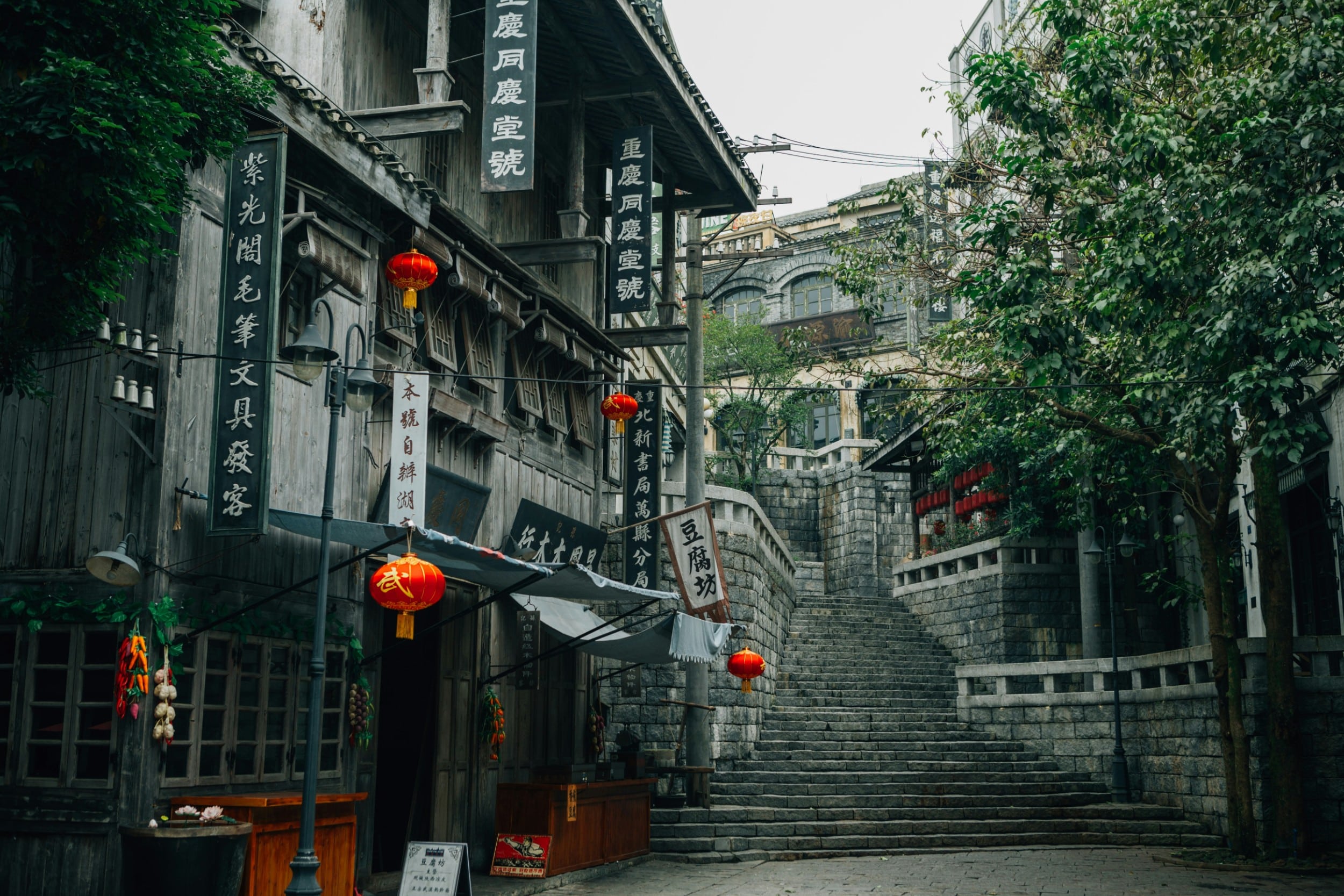
China
From the Great Wall to futuristic skyscrapers
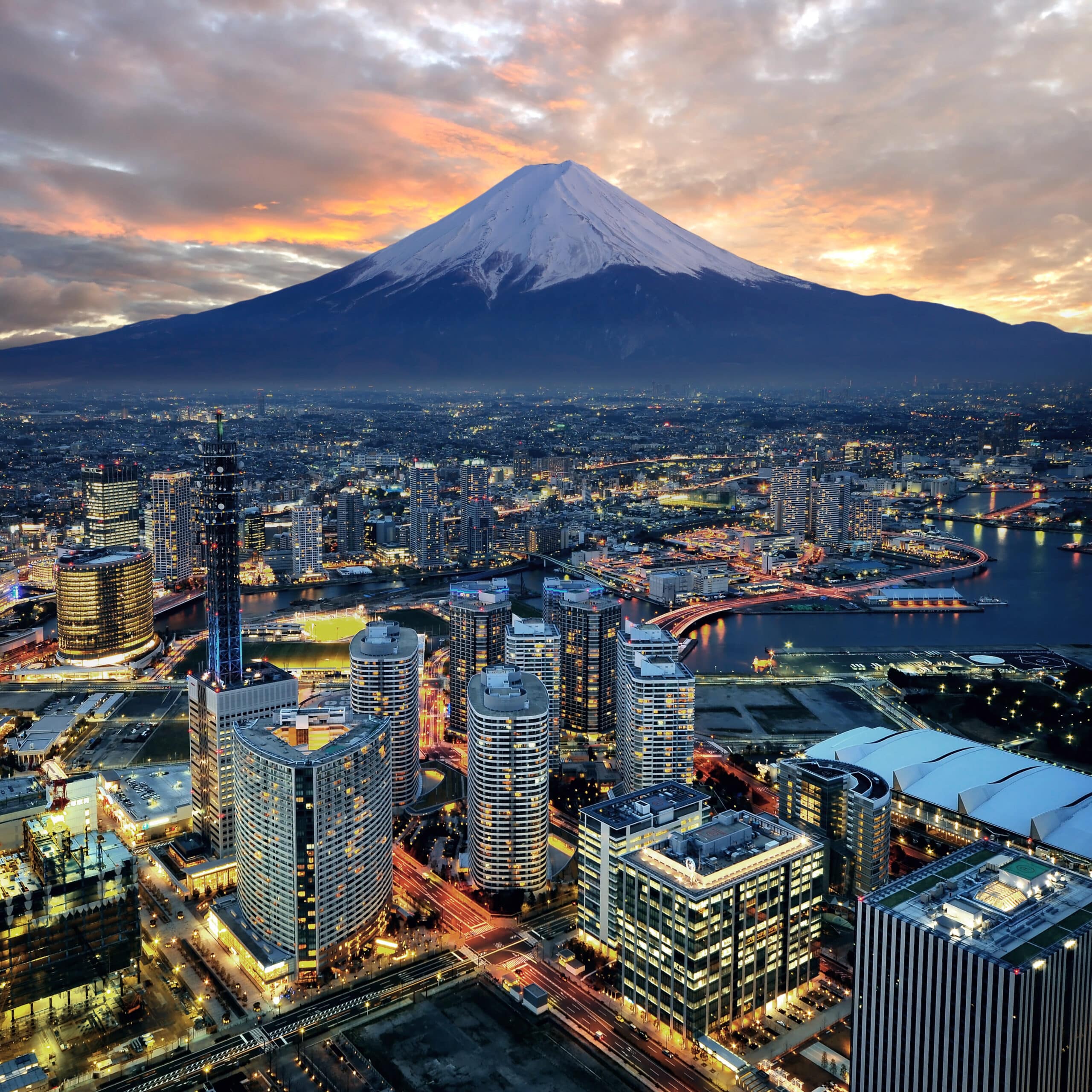
Japan
Experience the harmony between temples and skyscrapers
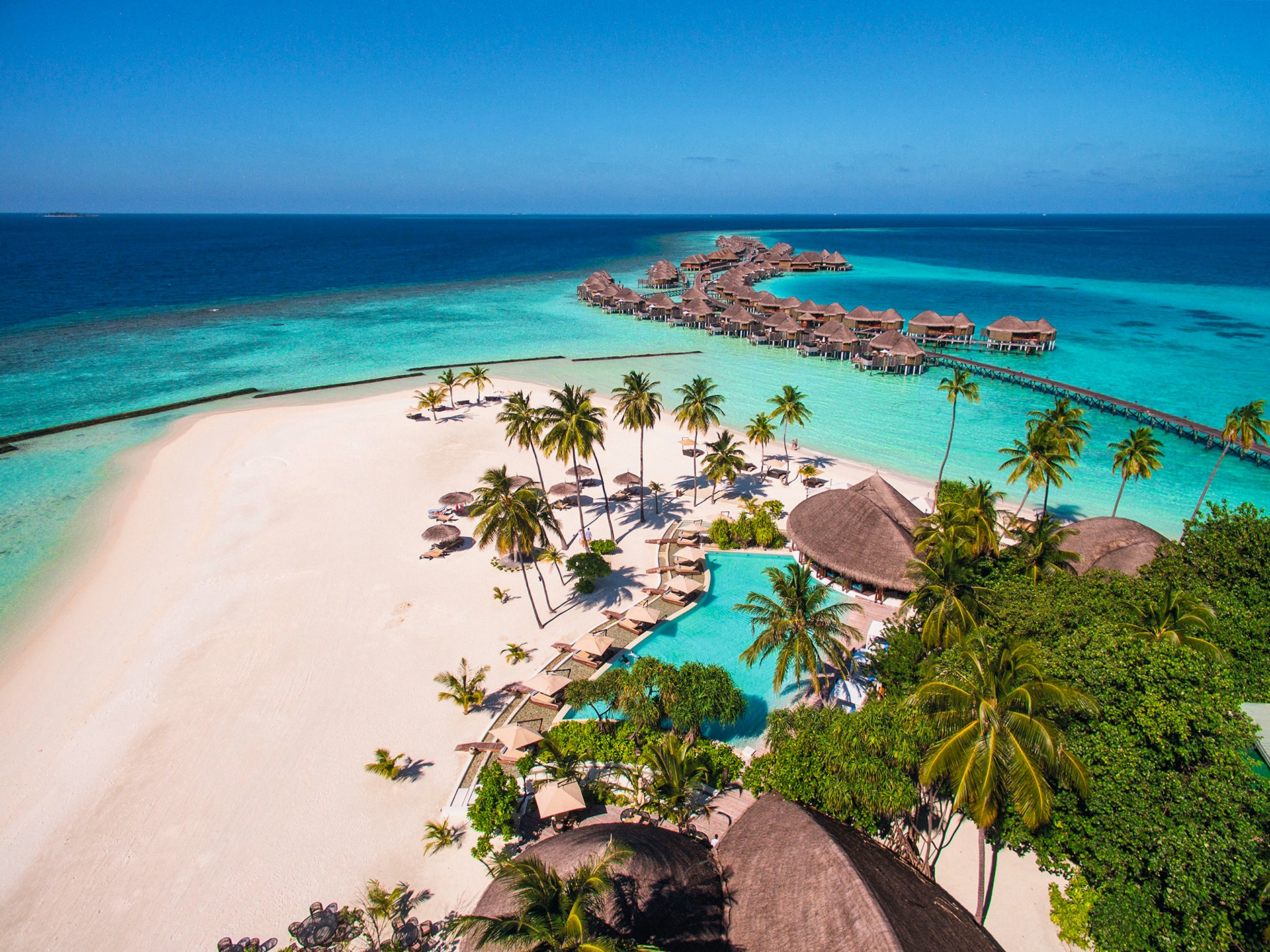
Maldives Islands
A turquoise jewel at the end of the world
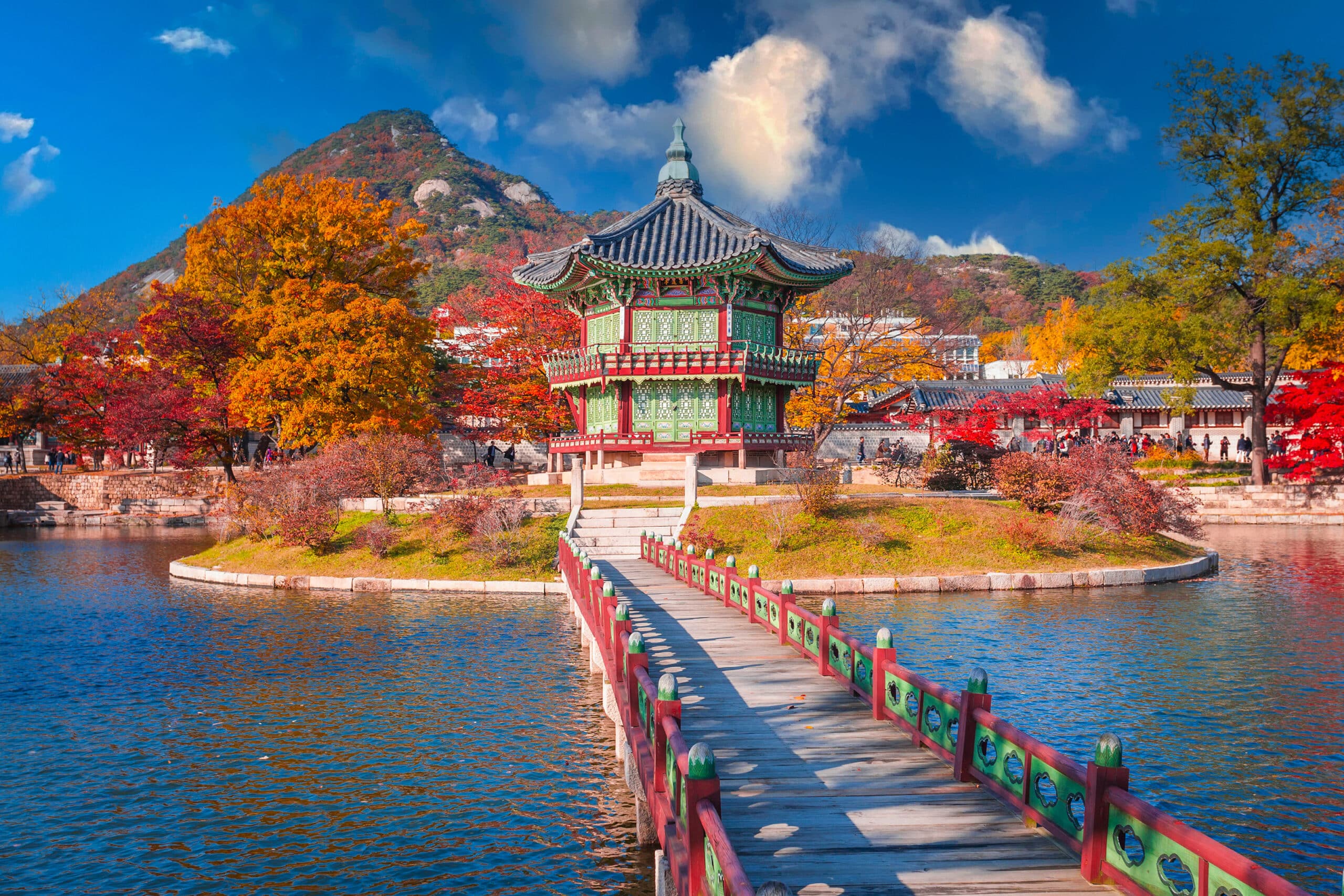
South Korea
Between ancient rituals and urban beats
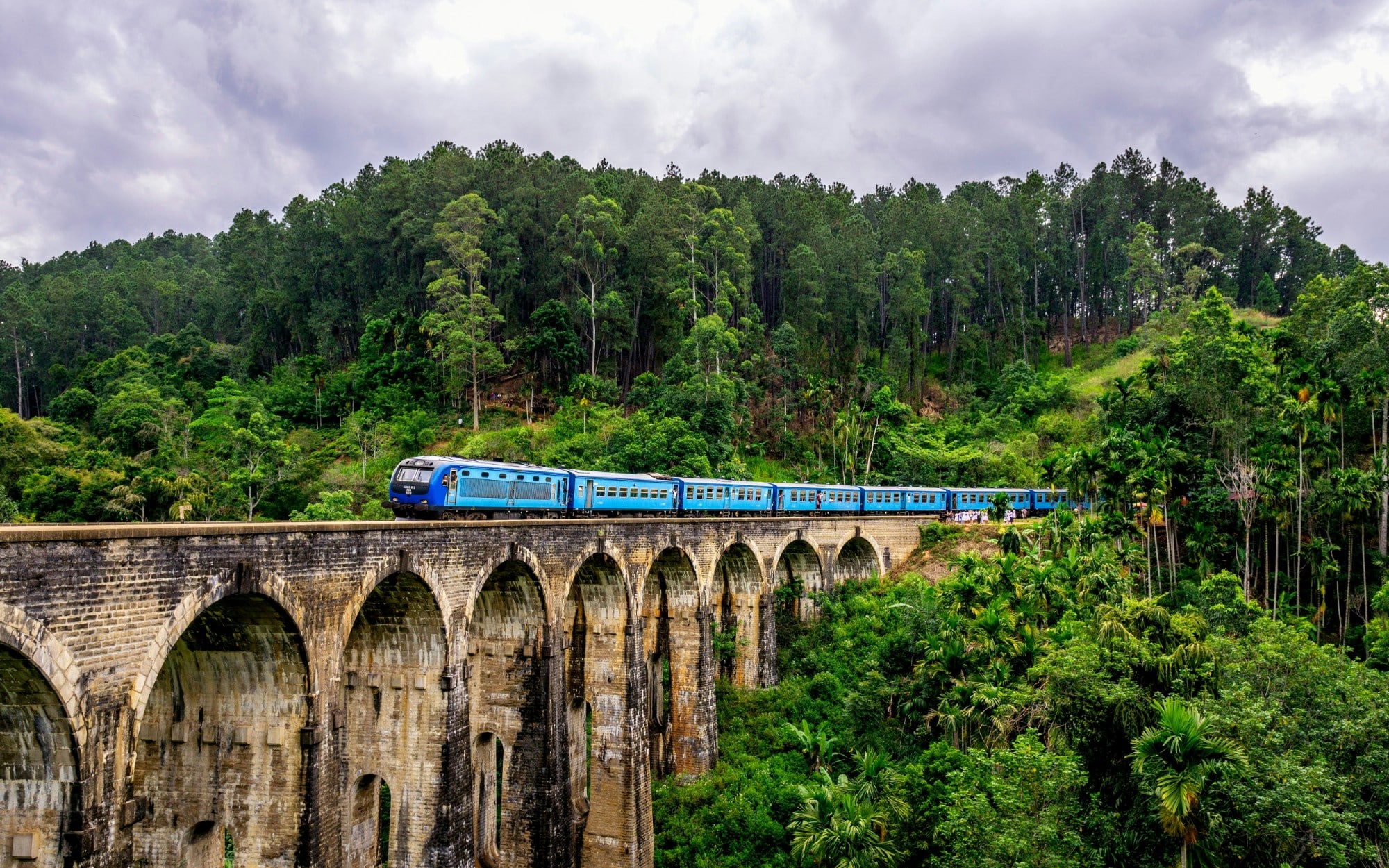
Sri Lanka
A jewel of Asia where nature and spirituality unite
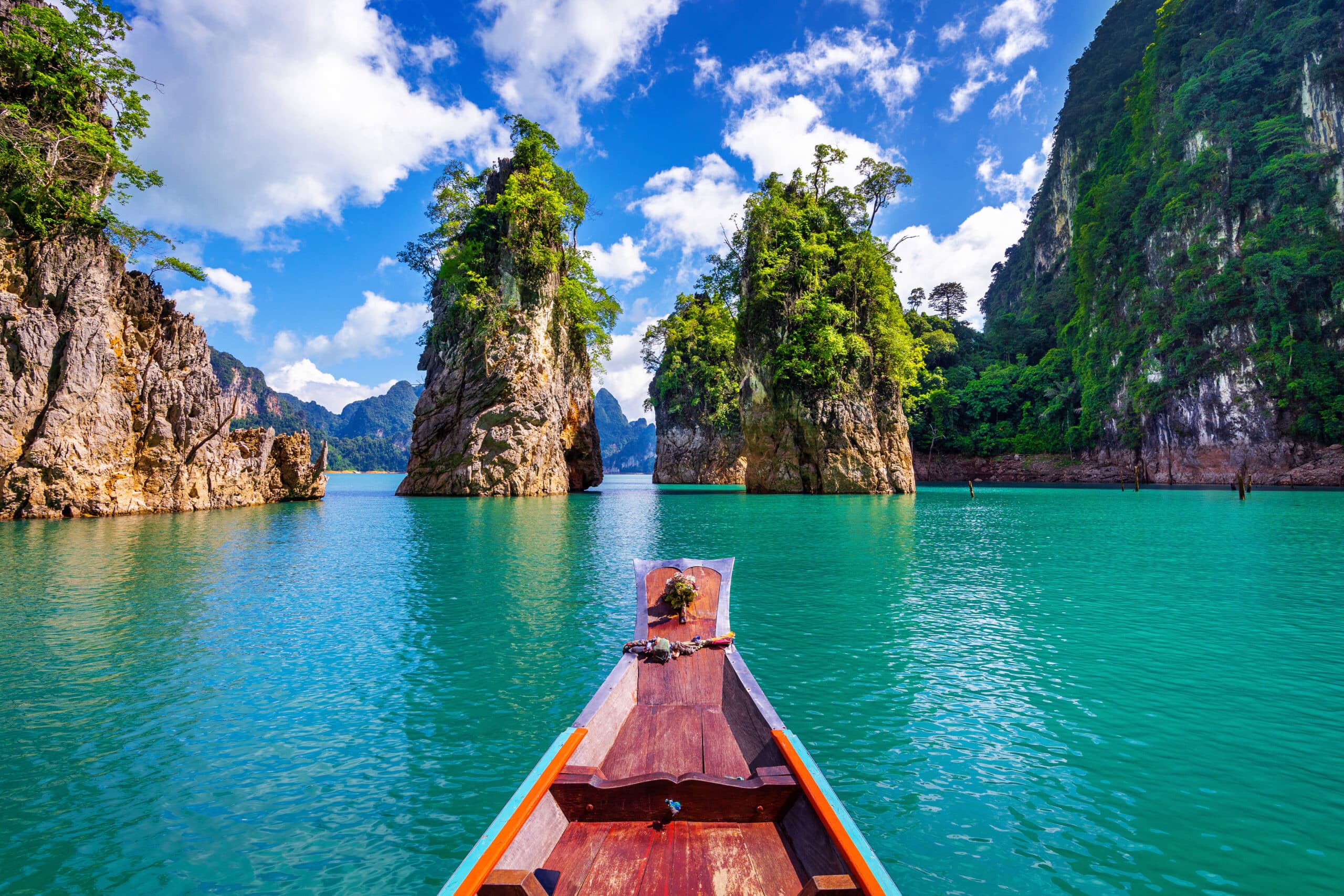
Thailand
Between golden temples and azure lagoons.
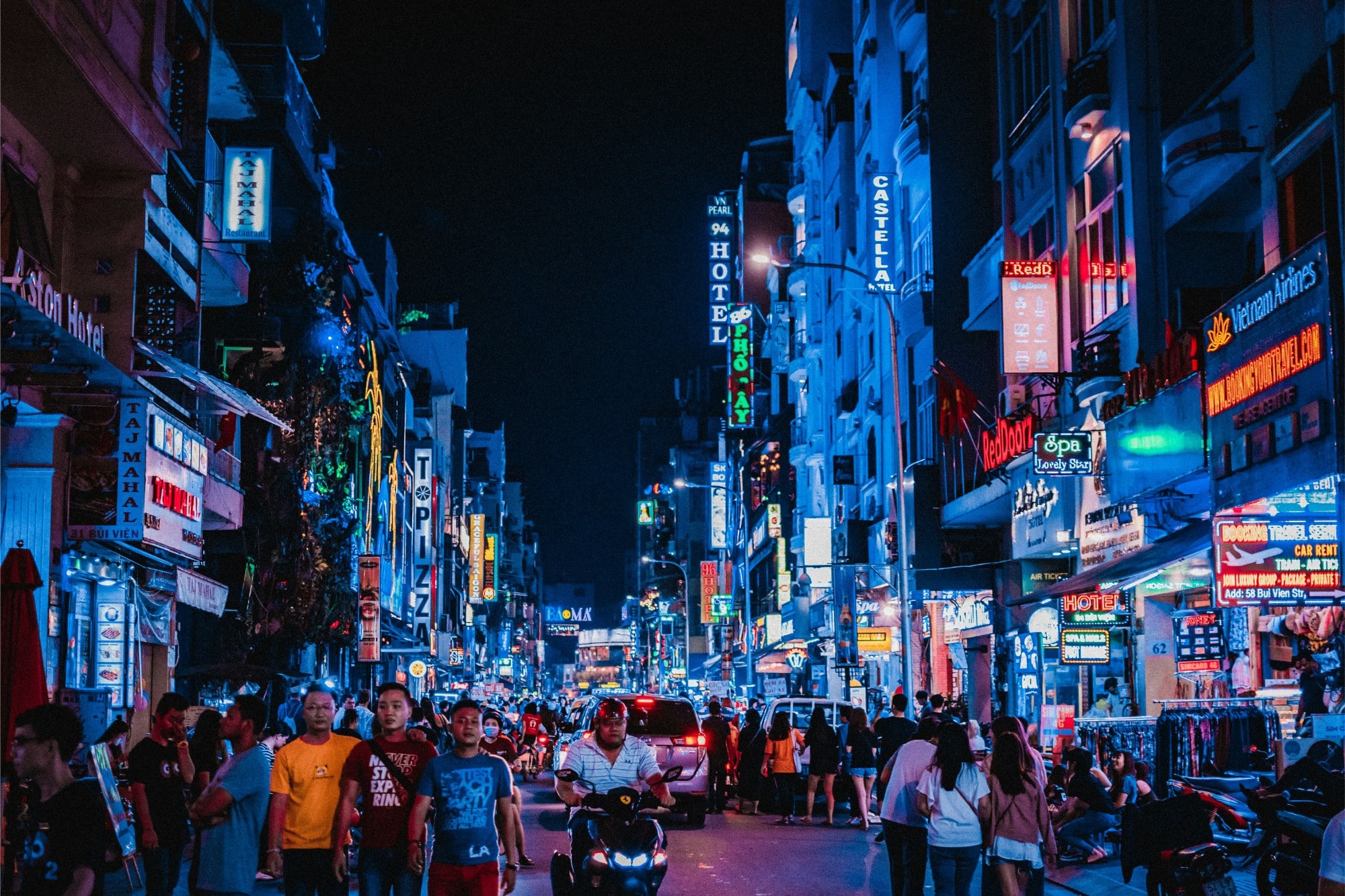
Vietnam
Between rice paddies, bays and mountains
FAQ: all your questions about traveling in India
The best period is October to March: mild temperatures, blue skies and sunshine—ideal for the North and Central regions. Kerala is best visited from November to March. Avoid the monsoon (June–September) for Rajasthan and the North. Spring (March–April) is acceptable but can be hot.
At least 10 days for the Golden Triangle (Delhi–Agra–Jaipur). 14 to 16 days to add all of Rajasthan or Kerala. 3 weeks for an in-depth discovery of North + South, or a Rajasthan + Goa combination. India deserves time: don’t try to see everything at once.
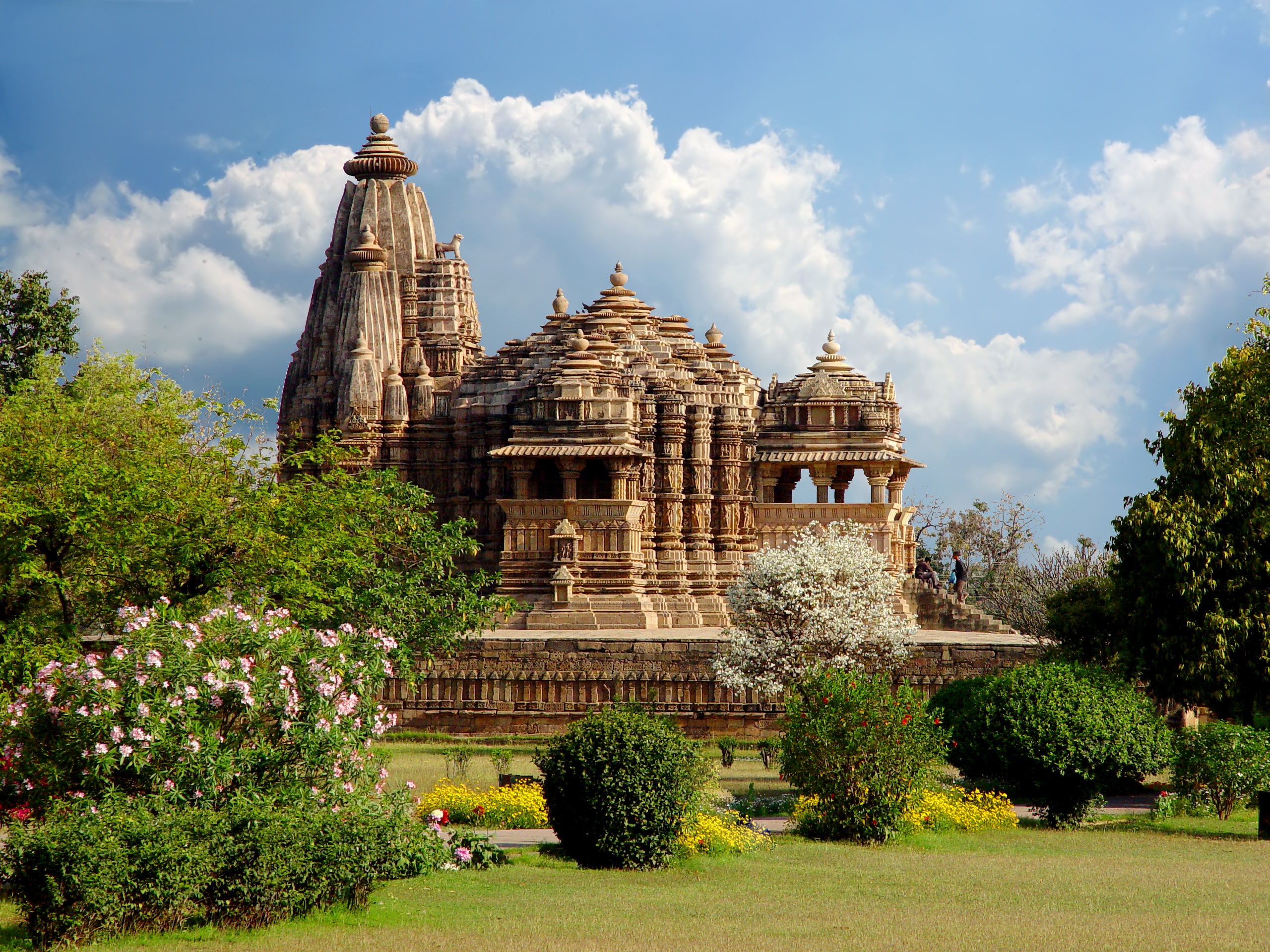
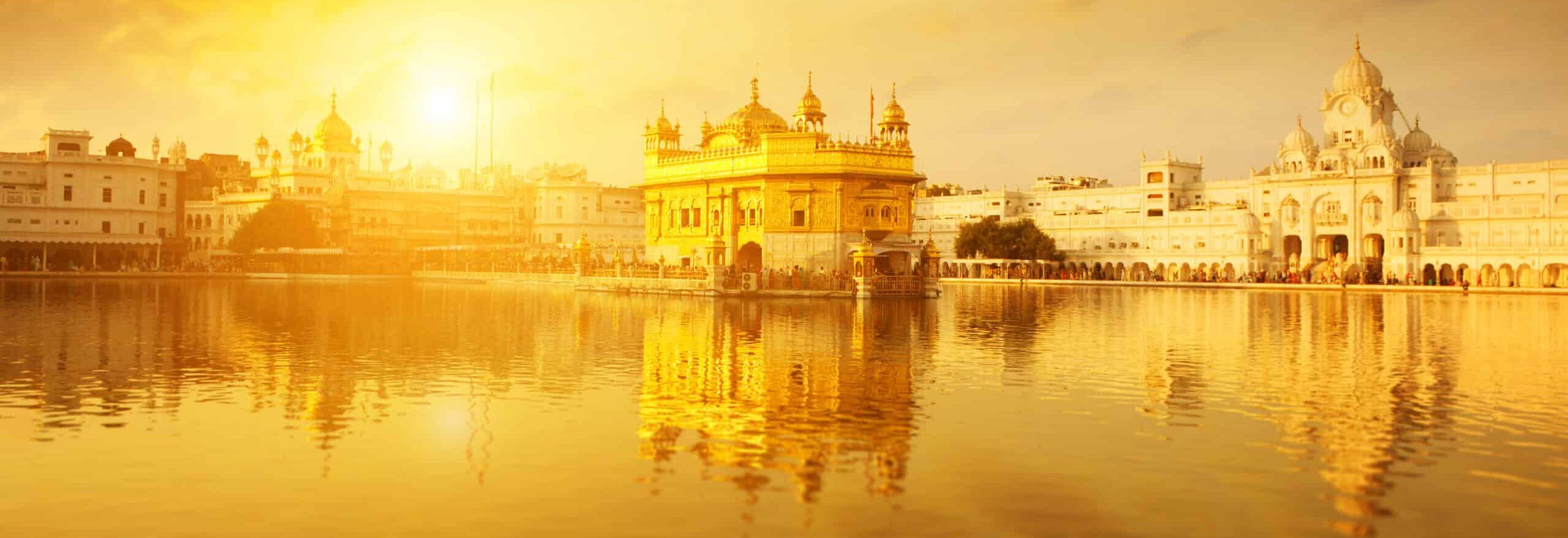
The Taj Mahal in Agra, the palaces of Rajasthan (Jaipur, Jodhpur, Udaipur), the backwaters of Kerala, the ghats of Varanasi, Delhi’s Red Fort, the Golden Temple in Amritsar and the temples of Khajuraho. Each region of the country deserves a visit in its own right.
Yes, a visa is required. The Indian e-Visa is available online for Luxembourg citizens at indianvisaonline.gov.in. Simple process, processing time 1–4 business days. Cost: USD 25–80 depending on duration. Apply before departure and print it to present on arrival.
For culture and history: Rajasthan and the Golden Triangle. For nature and relaxation: Kerala and Goa. For spirituality: Varanasi, Rishikesh and Amritsar. For adventure and mountains: Ladakh, Sikkim and Himachal Pradesh. India caters to all types of travellers.
Budget €1,800 to €3,500 per person for 12 to 14 days (flights included), depending on the level of accommodation. For a luxury stay (palaces and 5-star hotels), the budget can reach €5,000–€8,000. India is one of Asia’s most affordable destinations for accommodation and meals.
Around 8 to 10 hours with a stopover (Paris, Frankfurt, Amsterdam, Doha or Dubai) to Delhi or Mumbai. No direct flights from Luxembourg. Connections via Paris CDG with Air France or to Delhi with Lufthansa via Frankfurt are the most convenient options.
Yes, India is a highly emotional destination for families. The Golden Triangle, Rajasthan’s elephants and tiger safaris in Ranthambore are ideal. Choose hotels with a pool and half-board packages for more practical stays with children.
Yes! India is one of the best countries to spot the Bengal tiger in the wild. Must-see parks: Ranthambore (Rajasthan), Bandhavgarh and Kanha (Madhya Pradesh), Corbett (Uttarakhand). The best period: March–May, before the rains.
Yes, a North + South combination is absolutely possible over 3 weeks. Ideal plan: Golden Triangle + Rajasthan (10 days) then a domestic flight to Cochin or Goa for the South (7 days). Indian domestic flights are very affordable and make it possible to cover long distances.
Indian cuisine is one of the richest in the world: butter chicken, biryani, dal makhani, saag paneer, dosas, idlis in the South, naans and tikka masala in the North. Street markets (chaat) offer a unique culinary experience. Choose recommended restaurants to avoid digestive issues.