


Travel to Colombia
Colonial Cartagena, the Cocora Valley, Tayrona beaches & Andean coffee — Colombia, the destination of the unexpected
Colombia is one of the most surprising and endearing destinations in Latin America: a country at the crossroads of two oceans, five mountain ranges and some of the richest biodiversity on the planet, inhabited by warm, welcoming people proud to share their treasures.
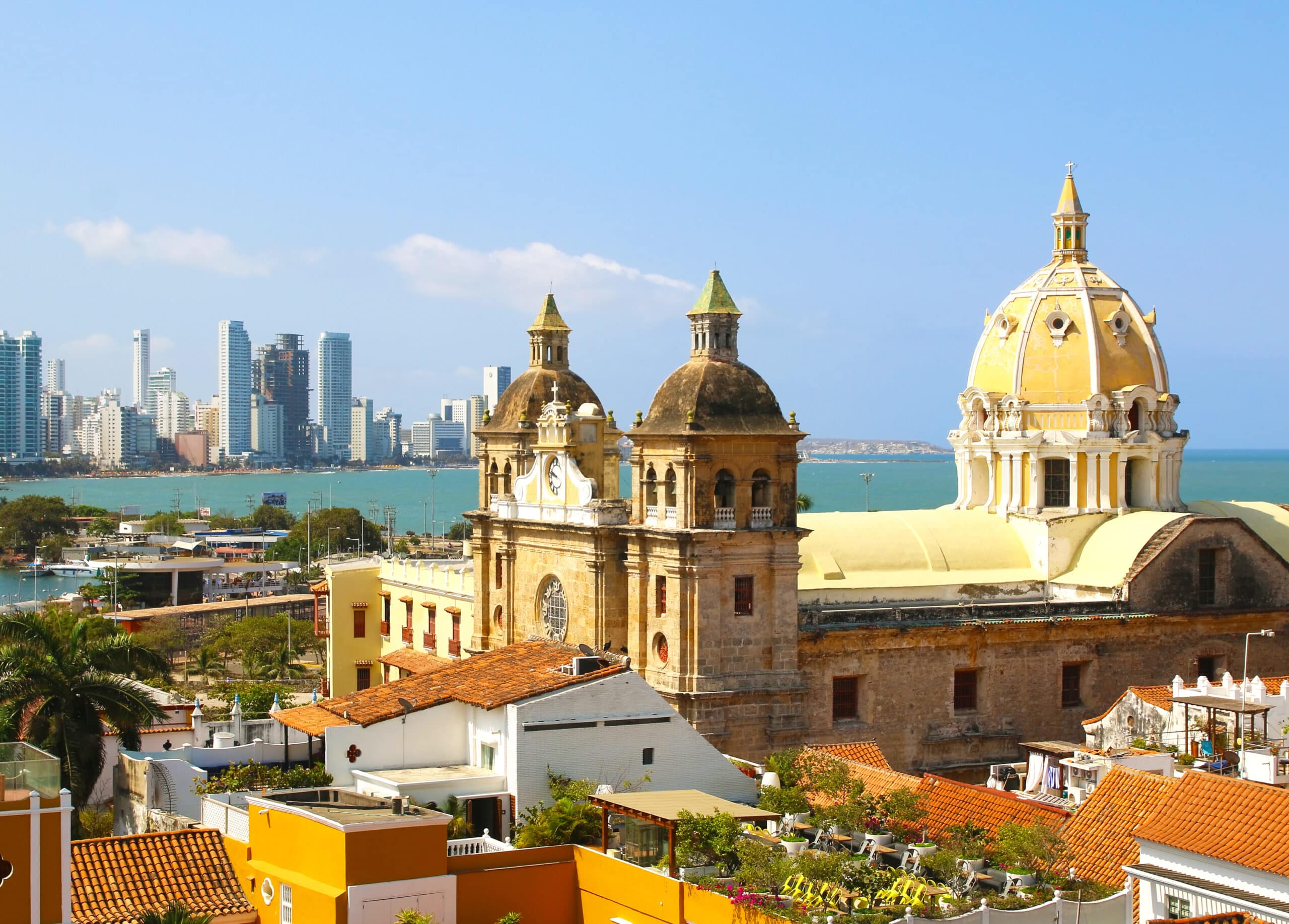
From the golden ramparts of Cartagena de Indias — a Caribbean gem listed as a UNESCO World Heritage site — to the giant wax palms of the Cocora Valley, from the revolutionary street art of Medellín to the wild beaches of the Tayrona National Park, via the colourful neighbourhoods of Bogotá and the fragrant coffee plantations of the Eje Cafetero: Colombia is a journey that transforms those who discover it.
The best time to visit Cartagena and the Caribbean coast is the dry season (December to March): blue skies, calm seas, a cool breeze. Medellín enjoys eternal spring all year round (average 24°C). The Coffee Region is beautiful in every season, but especially lush after the rains.
Voyages Flammang offers you a tailor-made trip to Colombia from Luxembourg: a classic Bogotá–Coffee Region–Cartagena itinerary, an adventure in Tayrona, a discovery of Medellín, or a Colombia–Peru combo. Each programme is designed around your wishes and your pace.
Why go to Colombia?
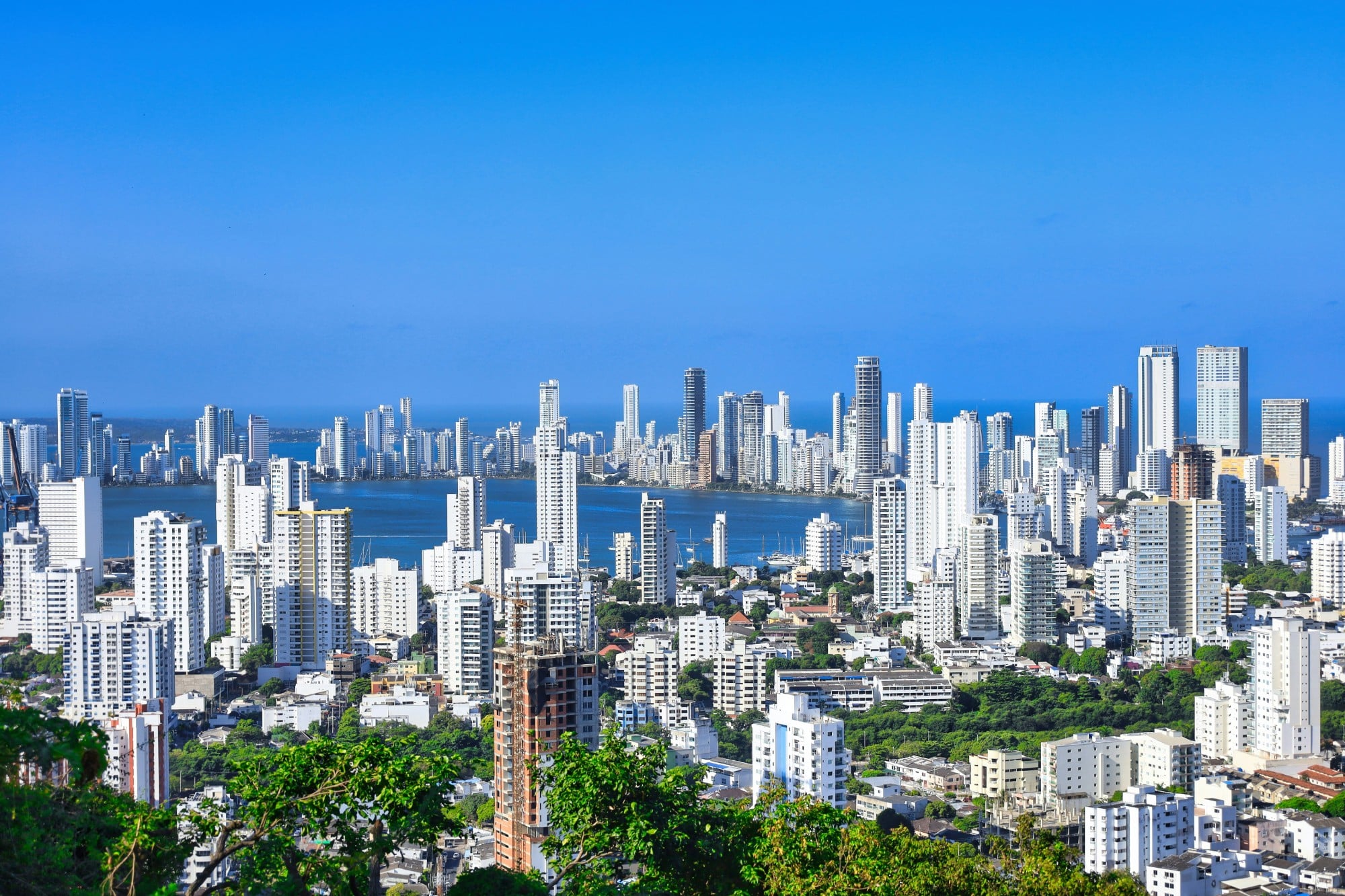
Colombia offers a unique combination: colonial architecture in Cartagena, exceptional biodiversity, outstanding coffee, Caribbean and Pacific beaches, lush green Andes, innovative cities and a warm welcome. A country that reconciles every type of traveller with Latin America.
Discover our best travel offers in Colombia
Our experts have selected for you the most popular tours and stays in Colombia: the Bogotá–Coffee Region–Cartagena circuit, an adventure in the Tayrona jungle, discovering Medellín and its urban innovation, or a road trip with a rental car in the Eje Cafetero.
Whether you dream of a guided tour with a French-speaking guide, an ecolodge adventure in the jungle, a romantic stay in Cartagena or an immersion in coffee culture, every offer can be tailored to your dates and your wishes.
Voyages Flammang designs your tailor-made trip to Colombia from Luxembourg.
€3,555
price per person
Colombia, Hola Colombia
- Bogotá – Zipaquirá – Guatavita Lagoon – Pereira – Cocora Valley – Filandia – Cartagena – Islas del Rosario
- Tour available year-round
- Private French-speaking guide
€7,939
price per person
EXPERIENCES – Private tour in Colombia
- Bogotá – Pereira – Niebla – Casa Rivera Del Cacao – Santa Marta – Taironaka – Sierra Nevada – Cartagena
- Charming and exceptional accommodation
- A strong and responsible cultural immersion
€2,640
price per person
Tour: Colombia’s Treasures
- Road trip in Colombia with a SUV rental car
- Guaranteed departure every day from 2 participants
- Discover the Coffee Region with Salento and the Cocora Valley
When to go to Colombia?
Colombia enjoys a wide variety of climates depending on the region. Contrary to popular belief, there is no universal “low” season — it all depends on your destination.
December – March (main dry season)
The best time for the Caribbean coast: Blue skies, little rain, calm sea. Ideal for Cartagena, the Rosario Islands and Tayrona Park. Pleasant temperatures (28–32°C). It’s also peak season — book early.
June – September (short dry season + Medellín)
July–August is a second dry window on the Caribbean coast. Medellín and the Coffee Region are pleasant year-round (20–24°C). It’s the best time for hikes in the Andes and the Cocora Valley.
April – May and October – November (rainy seasons)
Heavy rainfall on the Caribbean coast. Best avoided for Cartagena. On the other hand, the Coffee Region and Andean forests are an intense, magnificent green. Fewer tourists, better rates.
Cartagena de Indias
| Jan | Feb | March | April | Mai | June | July | Aug | Sept | Oct | Nov | Dec | |
|---|---|---|---|---|---|---|---|---|---|---|---|---|
| Our opinion | ||||||||||||
| Season | ||||||||||||
| Tourist peak | ||||||||||||
| T° max | 31°C | 31°C | 31°C | 31°C | 32°C | 32°C | 32°C | 32°C | 31°C | 31°C | 31°C | 31°C |
| Rainy days | 2 d | 2 d | 4 d | 12 d | 19 d | 18 d | 18 d | 20 d | 21 d | 21 d | 18 d | 9 d |
| T° sea | 27°C | 26°C | 27°C | 27°C | 28°C | 28°C | 29°C | 29°C | 29°C | 30°C | 29°C | 28°C |
| Beach | ||||||||||||
| Diving |
Where to go in Colombia? Must-see regions
Cartagena de Indias — UNESCO & Caribbean
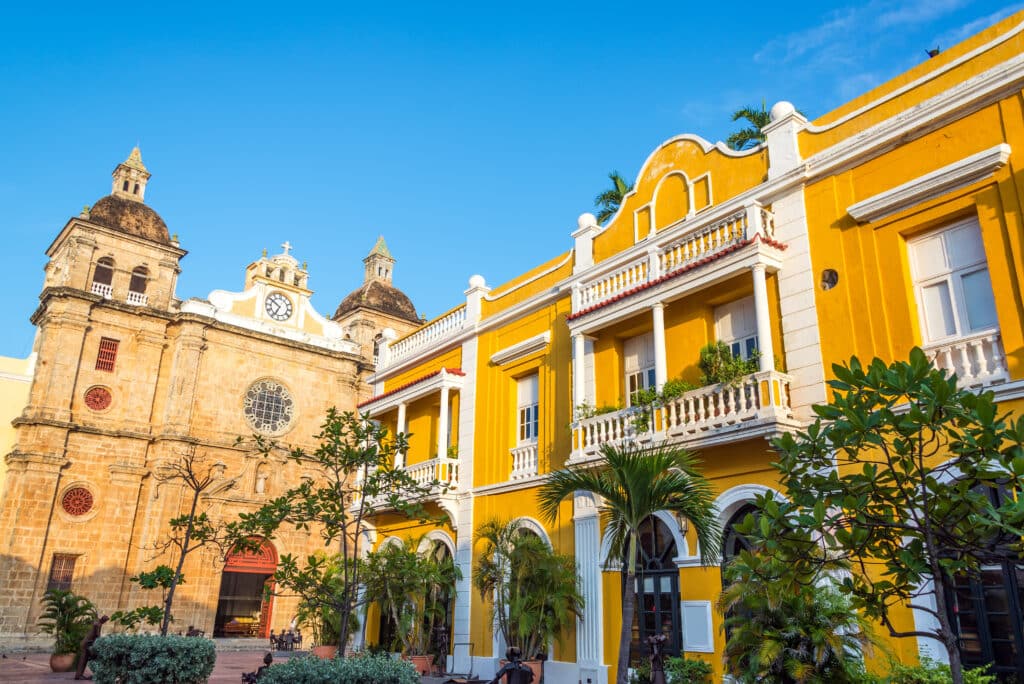
The “pearl of the Caribbean” charms visitors with its UNESCO-listed Historic Centre: 16th-century ramparts, colonial houses with colourful façades, Santa Catalina Cathedral, Castillo San Felipe and sunsets over the sea. The Rosario Islands (by catamaran) offer coral and crystal-clear waters just 1.5 hours away.
- Centro Histórico & ramparts (UNESCO)
- Castillo San Felipe & Getsemaní
- Rosario Islands (coral & snorkeling)
Coffee Region — coffee, Salento & Cocora
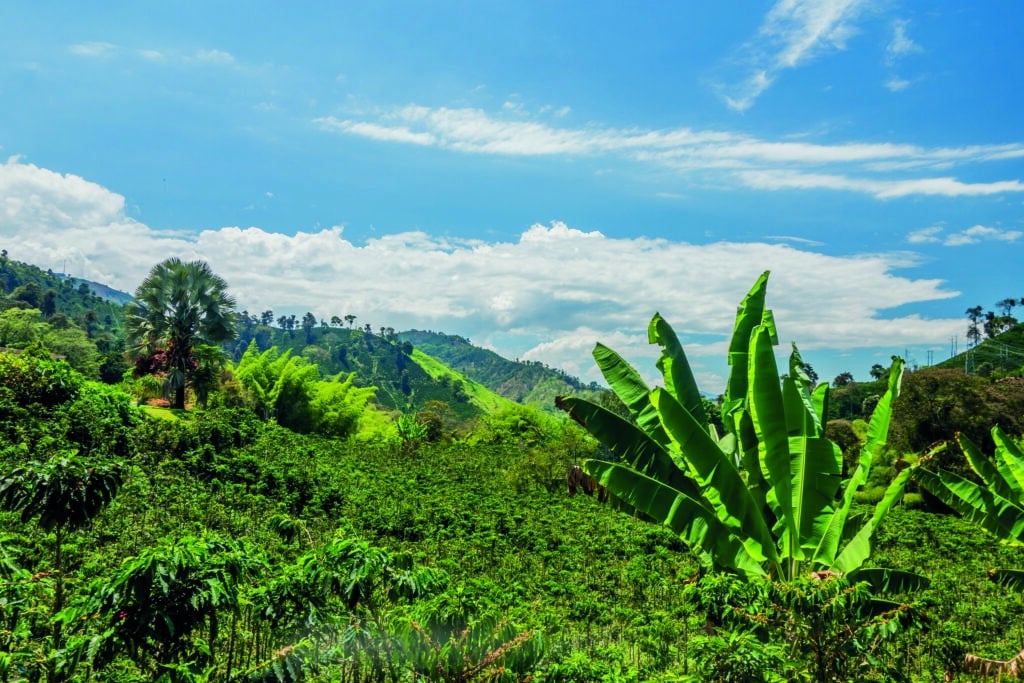
The Eje Cafetero (UNESCO) is the heart of Colombian coffee culture: visits to traditional fincas, hikes among the Cocora Valley’s giant wax palms, the colourful village of Salento and natural hot springs. A green, fragrant Eden in the heart of the Andes.
- Cocora Valley (giant palms)
- Village of Salento & coffee fincas
- Hot springs & Andean hikes
Bogotá — cultural capital & Gold Museum
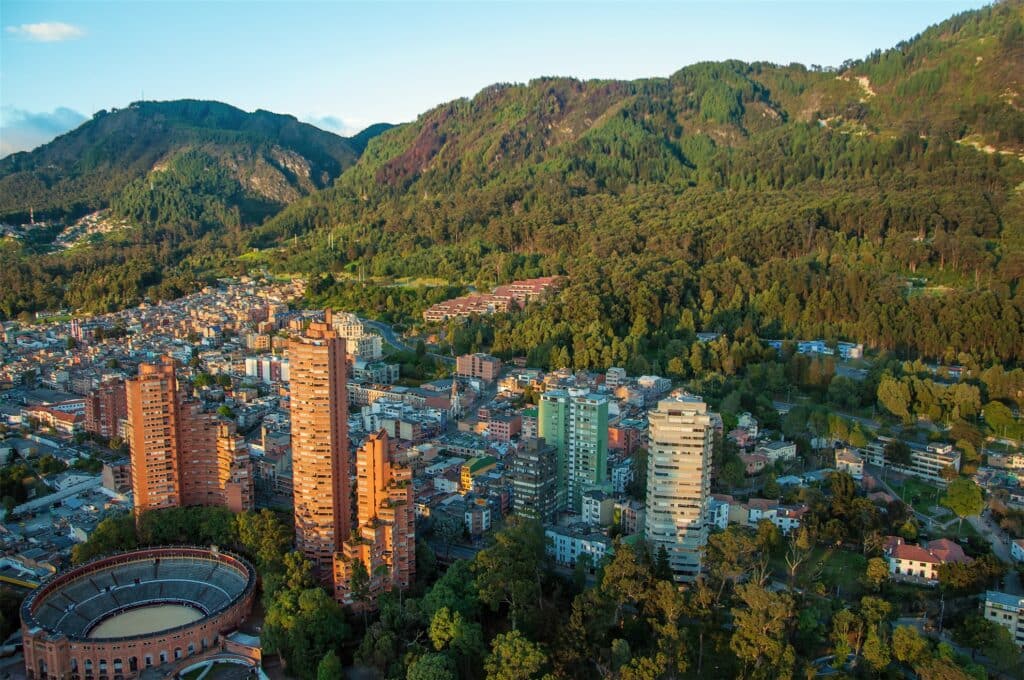
Bogotá, at 2,600 m in the Andes, is a capital in the midst of a renaissance: the historic district of La Candelaria, the Gold Museum (the world’s largest collection of pre-Columbian objects), giant street-art murals, fine-dining restaurants and the Sunday Ciclovía (120 km car-free).
- Gold Museum & La Candelaria
- Street art & Chapinero
- Gastronomy & local markets
Medellín — innovation, Metrocable & Comuna 13
Medellín, the city of eternal spring (24°C all year round), has become a global model for urban innovation: the Métrocâble connects the hillside working-class neighbourhoods, the Comuna 13 escalators transformed a once-troubled area into a street-art scene, and the flower-filled parques delight on every street corner.
- Comuna 13 & street art
- Métrocâble & working-class neighbourhoods
- Botanical Garden & nightlife
Tayrona Park & Ciudad Perdida
The Tayrona National Park, on the Caribbean coast, is an exceptional nature reserve: wild beaches fringed by tropical jungle, turquoise waters, coral and abundant marine life. The Ciudad Perdida (Lost City of the Tayrona), reachable via a 4-day jungle trek from Santa Marta, is one of Colombia’s most legendary adventures.
- Wild beaches of Tayrona
- Ciudad Perdida trek (4 days)
- Palomino & river tubing
Which trip to Colombia is right for you?
Colombia suits every type of traveller: families looking for nature and culture, couples drawn to the romance of Cartagena and the Tayrona eco-lodges, or friends ready to explore Medellín’s cultural scene and coffee plantations.

Family trip — coffee, Tayrona & Cartagena
Visit a coffee finca with an introduction to coffee picking for children, horseback rides in the Coffee Region, family-friendly beaches in Tayrona, an introduction to salsa in Cali, and discovering the walls of Cartagena: Colombia is a cultural and natural adventure for the whole family.
- Coffee finca & introduction to harvesting
- Tayrona beaches with the family
- Cartagena’s walls

Couples trip — Cartagena, Rosario Islands & eco-lodge
Night in a boutique hotel in Cartagena’s Centro Histórico, a private catamaran excursion to the Rosario Islands, sunset from the walls with a cocktail made with Colombian rum, a beachfront eco-lodge in Tayrona, and salsa dance lessons for two in Cali.
- Colonial boutique hotel in Cartagena
- Rosario Islands by catamaran
- Eco-lodge & Tayrona beach

Trip with friends — Medellín, coffee & adventure
Comuna 13 tour by metrocable with a local guide, coffee tasting on a finca in Salento, lively nights in the bars of El Poblado in Medellín, a 4-day trek to Ciudad Perdida through the jungle, and surfing the Pacific waves in Nuquí: Colombia with friends is an epic adventure.
- Comuna 13 & El Poblado, Medellín
- Coffee finca & Cocora Valley
- Ciudad Perdida trek (4 days)
Practical tips for your trip to Colombia
Colombia is the only country in South America to have coastlines on the Pacific Ocean AND the Caribbean Sea. It is also the 2nd most biodiverse country in the world after Brazil: 10% of the planet’s animal and plant species are found there. Colombia is the world’s leading producer of washed arabica coffee and the 2nd largest producer of cut flowers.
Luxembourgish and European nationals do not need a visa for a tourist stay of up to 90 days. All you need is a valid passport. On entry, the authorities stamp it to indicate the authorised length of stay (sometimes 60 days, extendable to 90 days upon request). EU tourists do not pay an entry tax.
The currency is the Colombian peso (COP). €1 ≈ 4,500–4,700 COP (check the rate before you leave). Visa and Mastercard are accepted in hotels, restaurants and shops in major cities. Outside tourist areas, cash is preferable. Avoid street exchange offices—withdraw from ATMs (Bancolombia, Davivienda).
Domestic flights (Avianca, LATAM, Wingo) are affordable and essential for quickly linking Bogotá, Medellín, Cali, Cartagena and Santa Marta. Intercity buses (Berlinas del Fonce, Expreso Bolivariano) are comfortable and economical for 4–8 hour journeys. In Bogotá, TransMilenio (BRT) and the new First Metro Line serve the city. In Medellín: the Metro + Metrocable.
The official language is Colombian Spanish, known as one of the clearest and best-articulated in Latin America. English is not widely spoken outside tourist areas. A few basic Spanish words greatly facilitate interactions. Colombians are very welcoming towards foreigners and often make an effort to help. A local SIM (Claro, Tigo) with data is available at the airport upon arrival.
Type A and B outlets (110V/60Hz) — identical to US plugs. European round pins do not fit directly — an adapter is essential. Most modern phone and laptop chargers are compatible with 100–240V: only a plug adapter is needed, not a voltage transformer.
Colombia has significantly improved its safety since the 2000s. Major tourist destinations (Cartagena, Medellín, Bogotá, Tayrona) are now very safe for travelers. Usual precautions: don’t show your phone or jewelry in the street, use Uber/Cabify rather than unofficial taxis, and stay in recommended neighborhoods at night. Avoid certain border areas — your agency will guide you.
Colombia is a very affordable destination for Europeans. Meal in a local restaurant (menu of the day): €3–6. Coffee at a finca: €2–4. Accommodation: from €20 (hostel) to €250+ (boutique hotel in Cartagena). Local beer: €1–2. Entry to national parks and cultural sites is very affordable. Average budget: €60–100/day all-in on the ground (excluding flights).
Recommended vaccines: yellow fever (mandatory for certain rural areas, recommended for Tayrona and the Amazon), hepatitis A, hepatitis B, typhoid, tetanus-polio. Malaria is present in low-altitude areas (Amazon, Pacific) — consult your doctor. Dengue is present in coastal areas (Cartagena): use repellents. Tap water is not safe to drink — bottled water only.

Create your dream trip to Colombia now
Colonial Cartagena, Andean coffee, Tayrona jungle, and Medellín’s innovations. We design for you a tailor-made trip to Colombia, fully adapted to your dates, your budget and your wishes.
Discover our other destinations in South America
Colombia pairs perfectly with Peru, Ecuador or Brazil. Explore our other South American destinations to create your ideal multi-country itinerary.

Argentina
Between the Andes and Patagonia, Argentina is experienced as an art of travel.
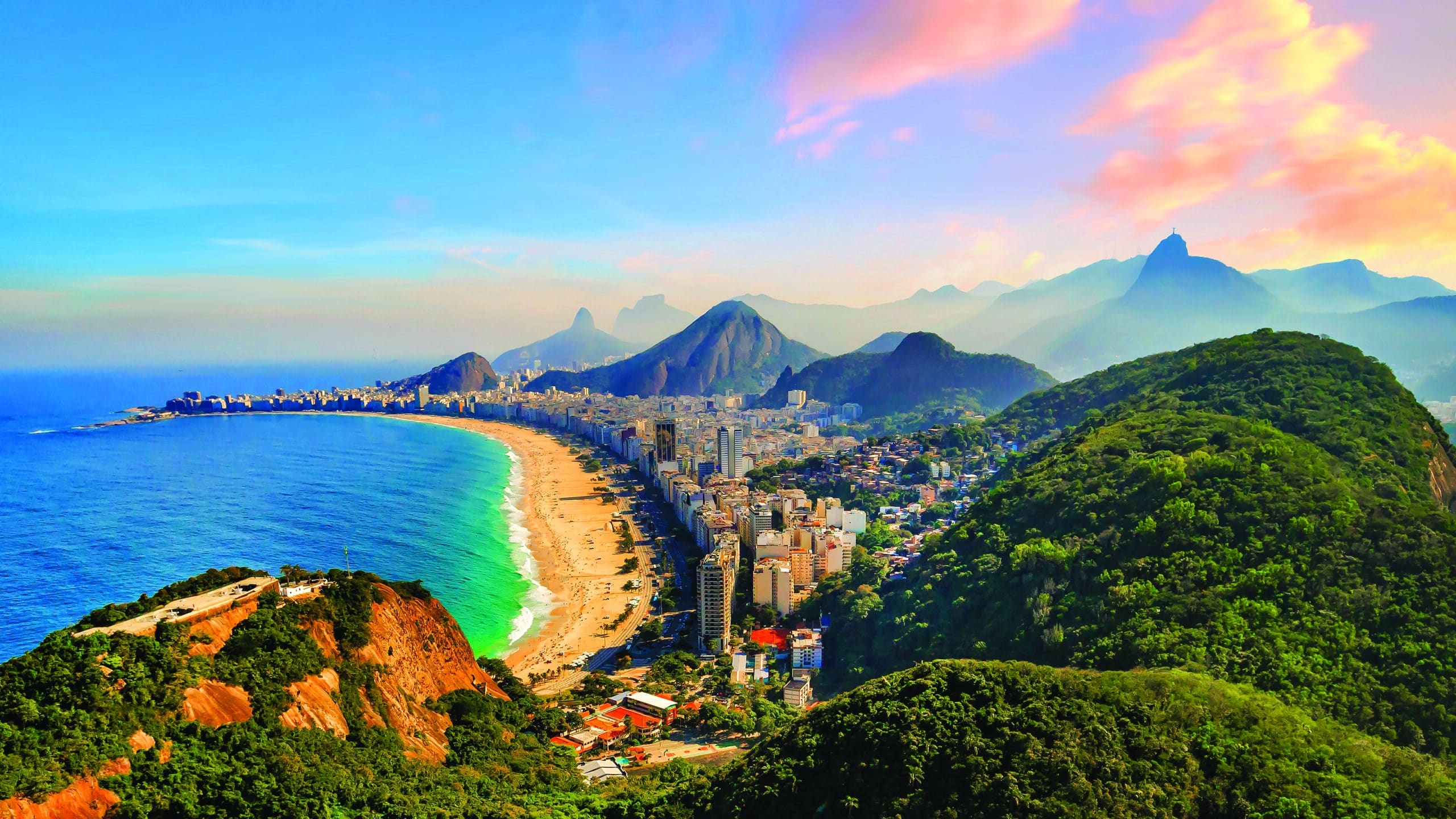
Brazil
Between samba, jungle and golden sand
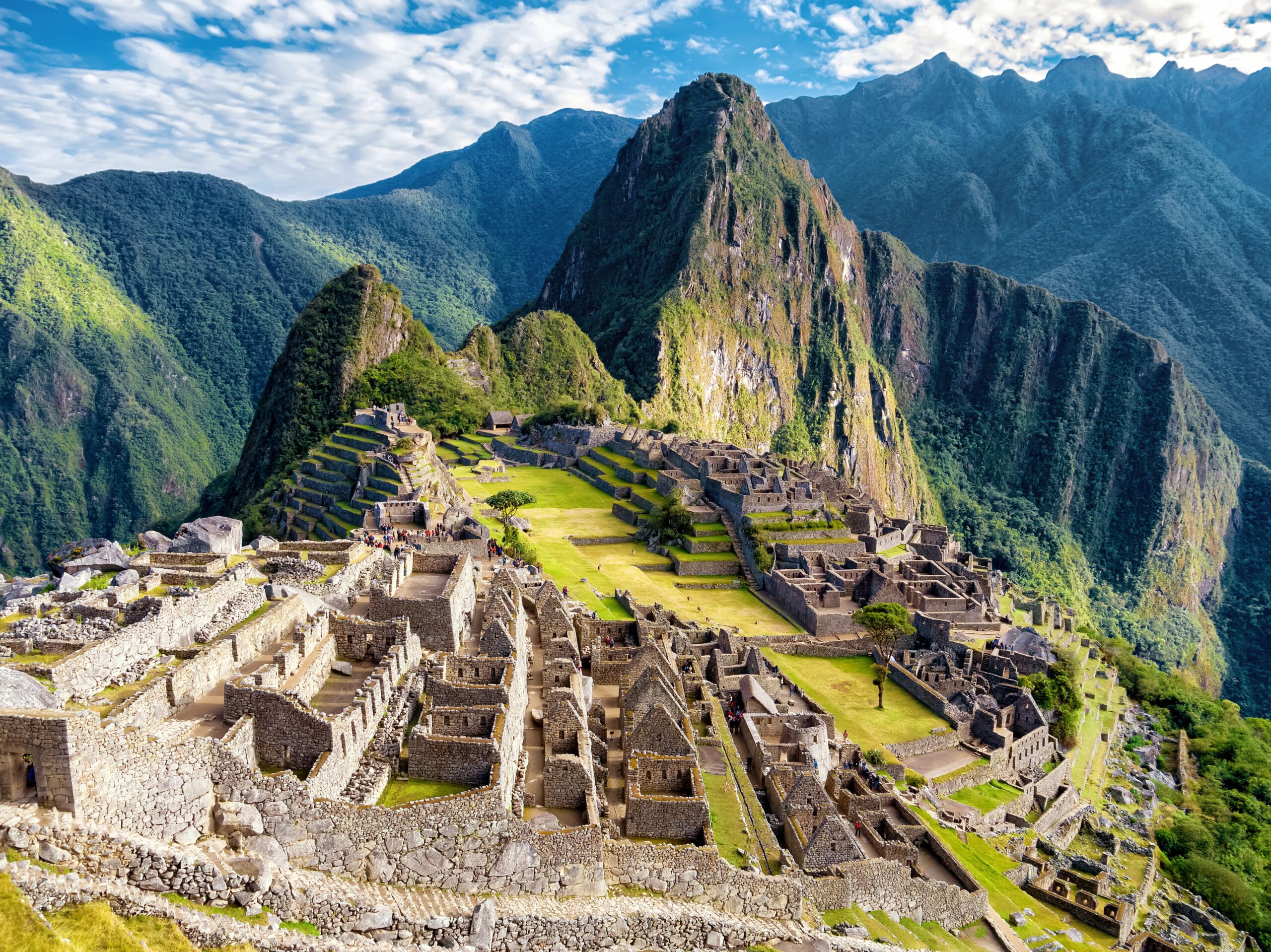
Peru
Journey to the heart of the Andes and timeless civilisations.
FAQ: all your questions about traveling in Colombia
The dry season (December to March) is the best time to visit Cartagena and the Caribbean coast: blue skies, little rain, calm seas. July–August is a pleasant second dry season. For Medellín and the Coffee Region, the weather is mild year-round (the “eternal spring”). Avoid October–November on the Caribbean coast (peak rainy season).
A minimum of 10 to 12 days for an itinerary Bogotá + Coffee Region + Cartagena. 14 days to add Medellín and Tayrona National Park. 3 weeks for a complete tour including the Amazon, Cali (salsa) and the Tatacoa Desert. Very affordable domestic flights make it easy to optimize travel time.
No, Luxembourgish and European citizens do not need a visa for a tourist stay of up to 90 days. A valid passport is sufficient. On arrival, an entry stamp is issued with the authorized length of stay (often 60 days, extendable). No entry tax is required for EU citizens.
Cartagena de Indias (walled colonial city), the Cocora Valley (giant wax palms), Bogotá (Gold Museum, street art), Medellín (urban innovation, metrocable), Tayrona National Park (beaches + jungle), Salento (coffee, colors), Ciudad Perdida (lost city in the jungle) and the Rosario Islands (coral and crystal-clear sea near Cartagena).
Plan on €1,800 to €3,500 per person for 12 days (flights included), depending on the accommodation level. Flights from Luxembourg connect via Paris, Madrid or Amsterdam (11–14 hours total flight time). On the ground, Colombia is very affordable (€60–100/day all-in). Boutique hotels in Cartagena and Tayrona ecolodges can add a significant extra cost.
Around 11 to 14 hours with one stopover (Paris CDG, Madrid, Amsterdam, Frankfurt or Lisbon) to Bogotá El Dorado (BOG) or Cartagena (CTG). The best connections are via Madrid with Iberia/Avianca (approx. 11h30 total), via Paris with Air France or via Lisbon with TAP.
Must-sees in Cartagena: the Centro Histórico (walled old town, UNESCO), the ramparts of Castillo San Felipe de Barajas, the Getsemaní neighborhood (street art, bars), the Rosario Islands (by catamaran, snorkeling), sunset from the ramparts, and the restaurants on Plaza de Santo Domingo. Minimum 3–4 days.
The Eje Cafetero (Coffee Region), a UNESCO World Heritage site, includes the departments of Caldas, Risaralda and Quindío. Ideal bases: Salento (colorful village) or Pereira. Must-do excursions: the Cocora Valley (hike among giant wax palms), a visit to a coffee finca to learn about coffee culture from plantation to cup, and the coffee culture park.
Yes, Colombia today is much safer than it was 20 years ago. Major tourist destinations (Cartagena, Medellín, Bogotá, the Coffee Region, Tayrona) welcome millions of visitors every year in complete safety. The usual precautions apply (don’t show off jewelry or your phone, use official taxis or Uber). Avoid certain border areas — your agency will advise you.
Yes! The Colombia + Ecuador combination (Galápagos, Quito) is very popular. Bogotá–Quito flights: 1 hour. The Colombia + Peru combination (Machu Picchu, Lima) is also a classic: Bogotá–Lima in 3 hours. A Colombia (10 days) + Peru (7 days) itinerary over 3 weeks is ideal for discovering two of South America’s most fascinating countries.
Colombian cuisine is hearty and flavorful: Ajiaco bogotano (chicken soup with Andean herbs), Bandeja Paisa (a full plate with beans, meat, rice, chorizo, avocado and arepa), Arepas (corn cakes served in all sorts of ways), Sancocho (meat and vegetable soup), Empanadas and the legendary Colombian coffee — the best in the world according to many experts.