


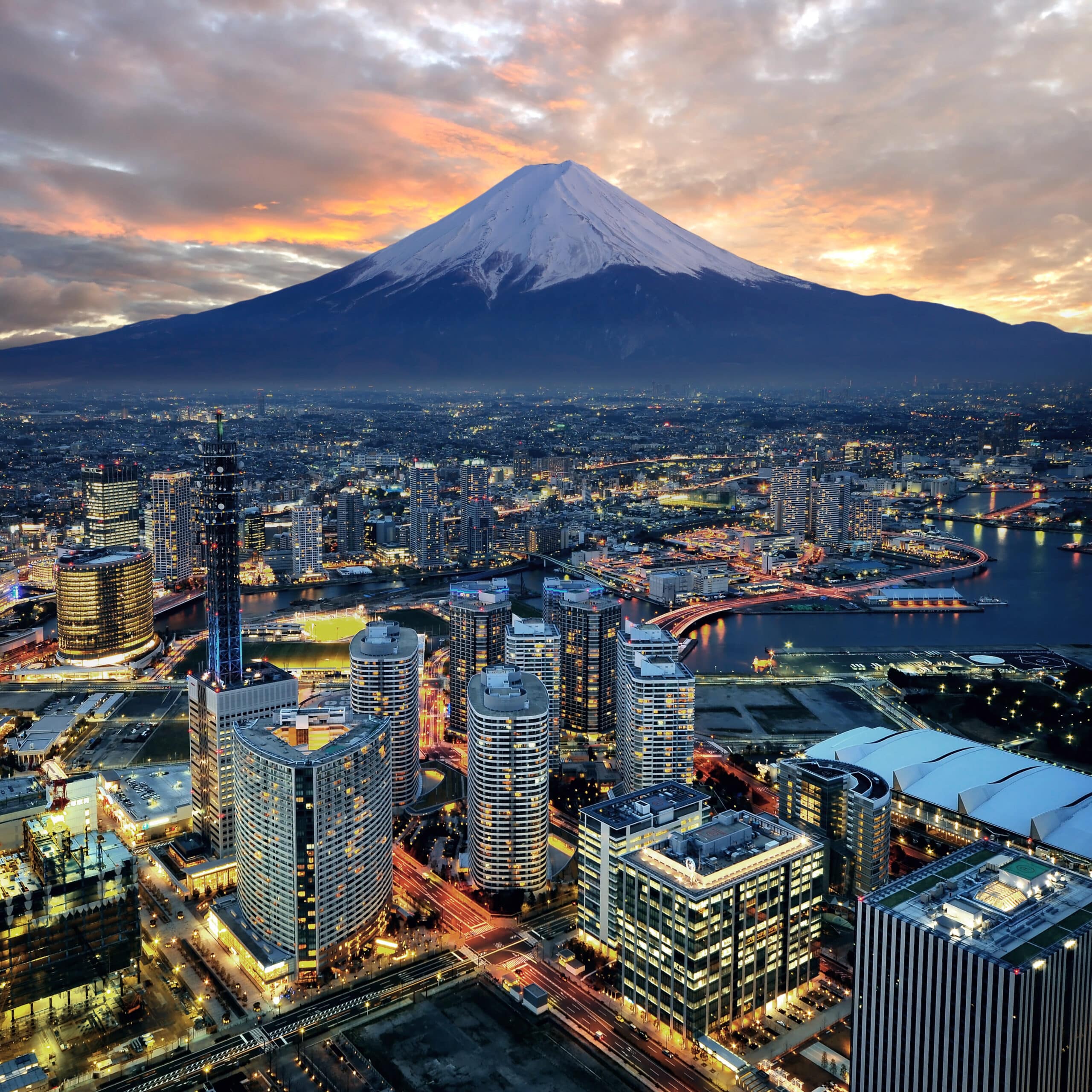
Trip to Japan
Kyoto’s cherry trees, Tokyo’s modernity, sakura & shinkansen — Japan in all its splendor
Japan is one of the most fascinating destinations in the world: a country where age-old tradition stands alongside cutting-edge technological innovation, where every everyday gesture is imbued with beauty and respect.
From the cherry blossoms of Kyoto to the dizzying neon lights of Shibuya, from the Nikkō shrines wrapped in morning mist to the ryokans of Hakone facing Mount Fuji, via the street flavors of Osaka and the serenity of the deer of Nara: Japan is a country of striking contrasts and absolute harmony.
The best time to visit Japan is spring (late March – mid-April) for the spectacle of cherry blossoms (sakura), or autumn (October–November) for the fiery red-and-gold momiji landscapes. The shinkansen (high-speed train) connects Tokyo to Kyoto in under 2h30, making the country surprisingly compact despite its 3,000 km of islands.
Voyages Flammang offers you a tailor-made trip to Japan: a classic Tokyo–Kyoto–Osaka tour, a discovery of the intimate and rural side, a temple tour, or a gastronomic immersion. Each itinerary is designed from Luxembourg to suit your wishes and your pace.
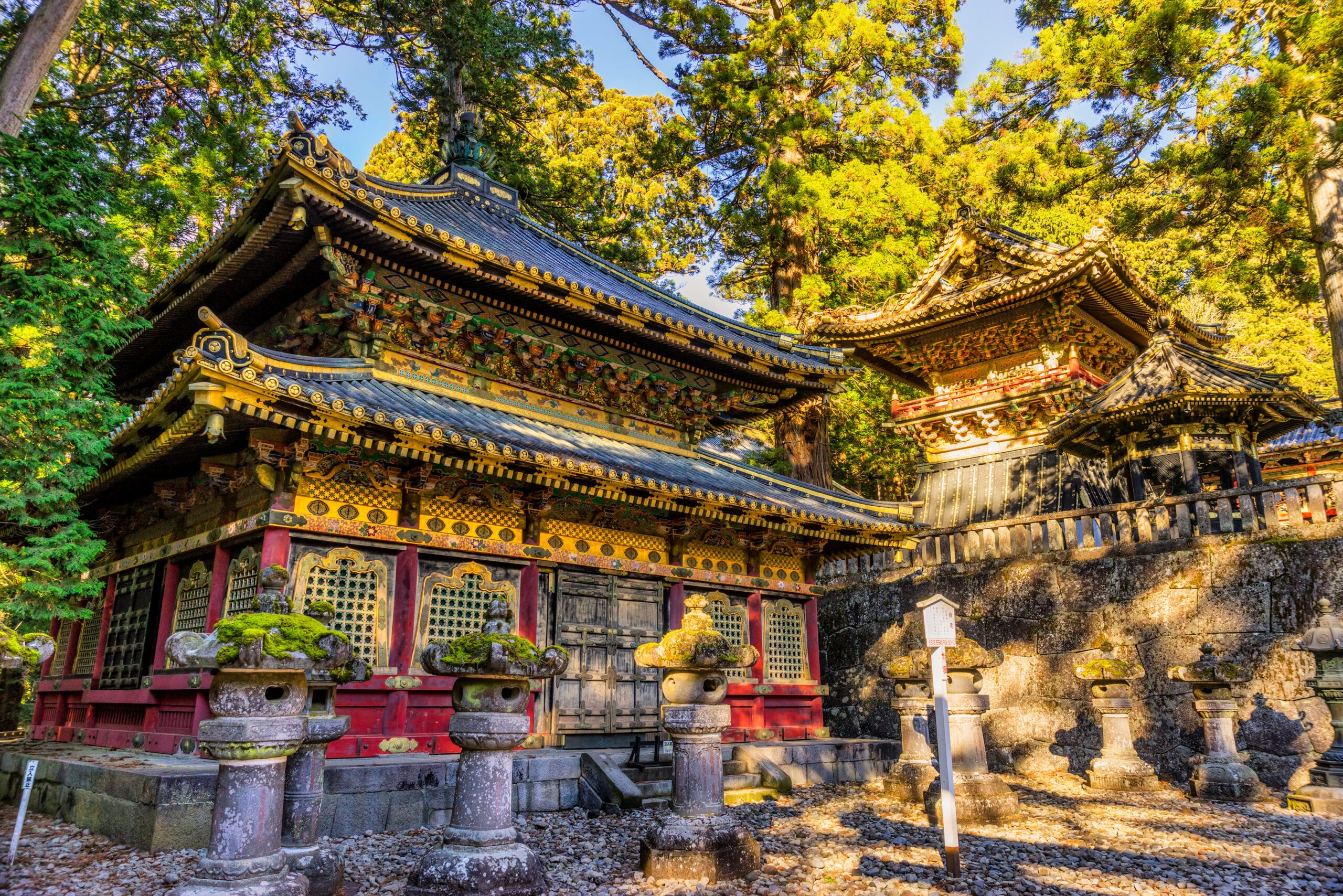
Why go to Japan?
Japan offers a one-of-a-kind experience: beautiful landscapes, exceptional cuisine, millennia-old temples, ultra-fast trains, refined craftsmanship and unrivaled hospitality. A country where every detail is carefully considered and where travelers are treated as valued guests.
Discover our best travel deals to Japan
Our experts have selected for you the most popular tours and stays in Japan: the classic Grand Tour Tokyo–Kyoto–Osaka–Hiroshima, a spring sakura trip, a ryokan & onsen itinerary, or an immersion in rural Japan.
Whether you dream of a guided tour, a family trip, a honeymoon in Japan or a gastronomic adventure in Osaka, each offer can be customized to suit your dates, your budget and your wishes.
Voyages Flammang designs your tailor-made trip to Japan from Luxembourg.
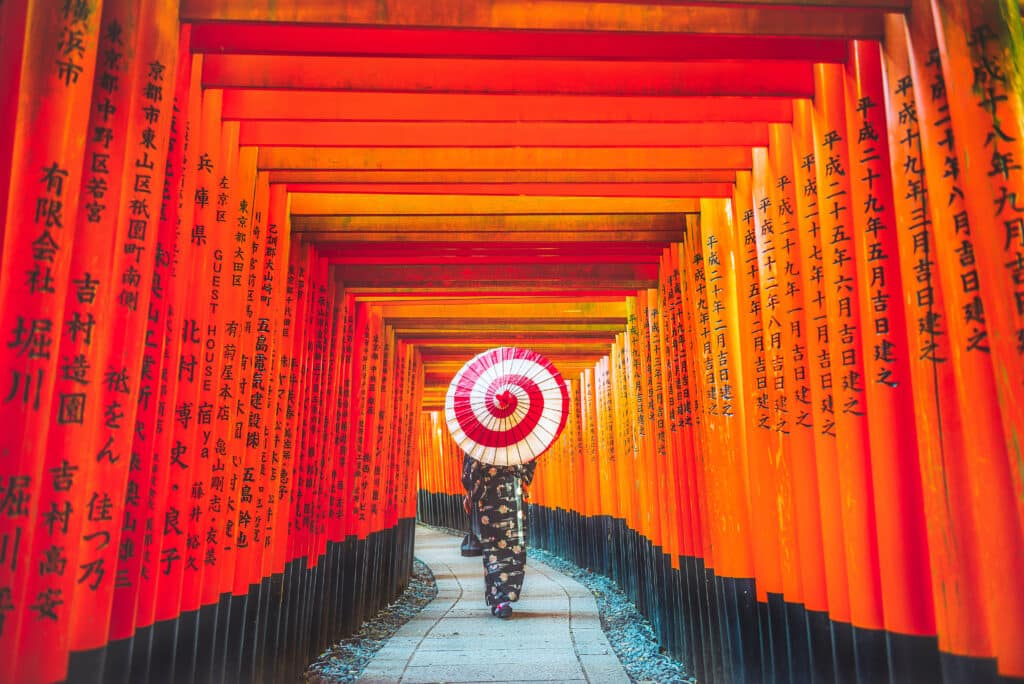
€3,177
price per person
Japan at Your Leisure
- Tokyo – Kyoto – Osaka
- Perfect balance between modernity and tradition
- French-speaking guide
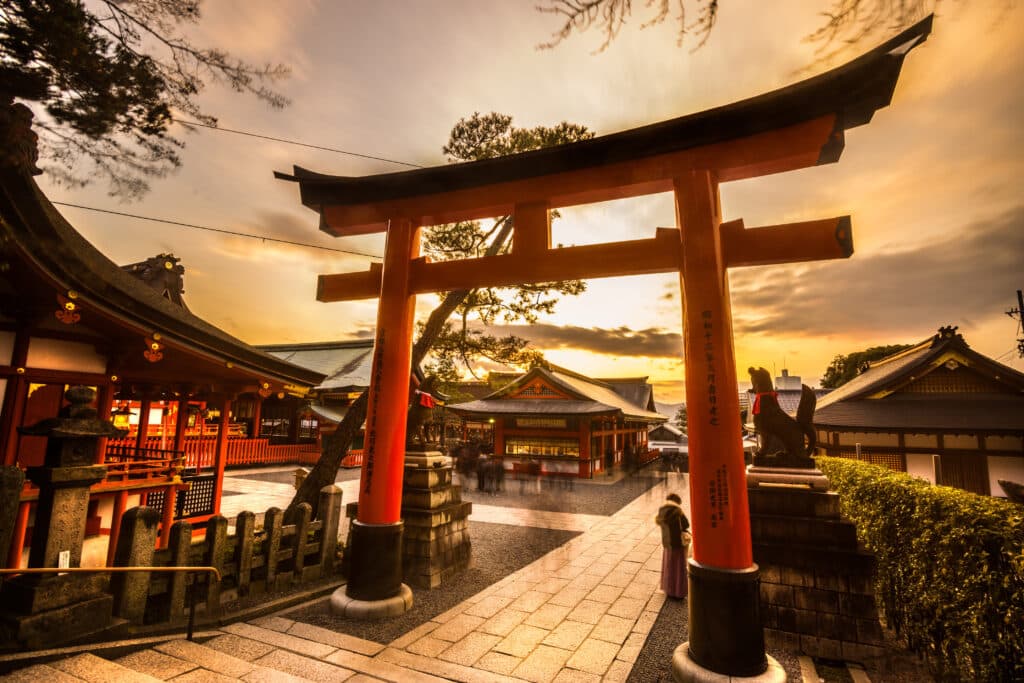
€7,890
price per person
Japan Tour – 2026 Between Tradition & Modernity
- Tokyo – Kyoto – Hiroshima – Miyajima – Himeji – Shigisan – Asuka – Nara – Osaka – Mount Fuji – Tokyo
- Complete cultural immersion
- French-speaking guide
10.358€
price per person
The diversity of the Far East
- 14-night cruise from Tokyo to Hong Kong
- Sailing aboard Mein Schiff 6
- Stopovers in Japan, South Korea, China and Hong Kong
€2,140
price per person
Journey through time in the Land of the Rising Sun
- Traversée en ferry vers l’île sacrée de Miyajima
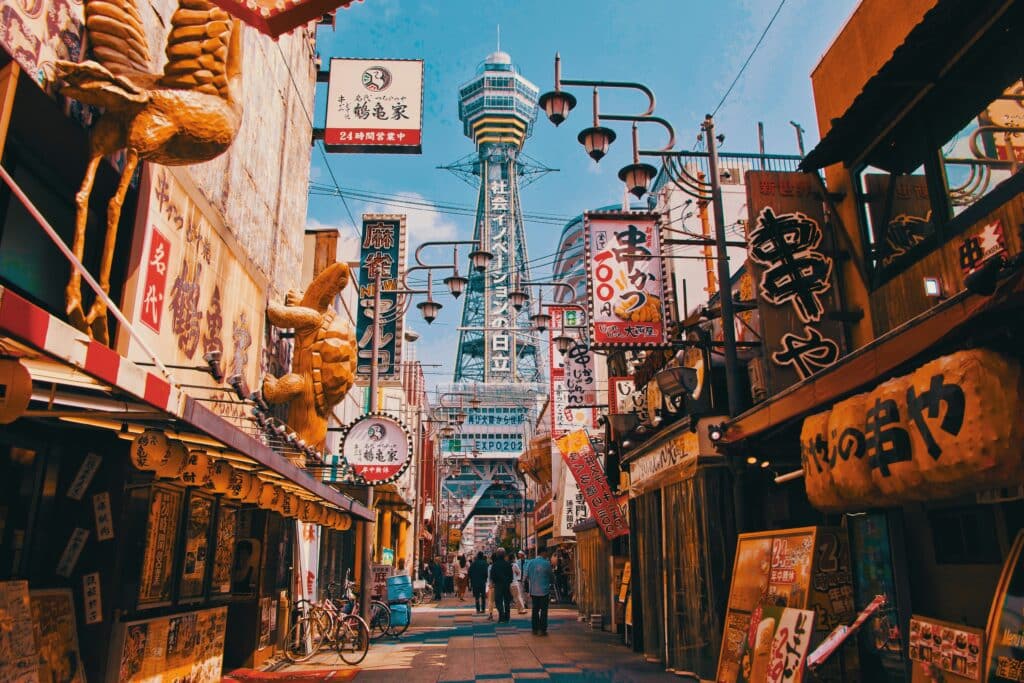
- Découverte du quartier de Dotonbori à Osaka
- Visite des lieux de mémoire d’Hiroshima
When to go to Japan?
Japan is a four-season destination, each offering a unique experience. Two periods stand out for their exceptional beauty: spring and autumn.
Spring (late March – mid-April)
Sakura season: The most sought-after period. Cherry blossoms turn the whole country into a painting. Mild temperatures (15–22°C), hanami festivals everywhere. Book very early — hotels are fully booked months in advance.
Autumn (October – November)
Momiji: The second highlight season. Forests are dressed in red, orange and yellow. Nikko, Kyoto and Nara are sublime. Dry, cool weather (18–23°C), perfect for walking and sightseeing.
May – June
Beautiful weather before the rainy season (tsuyu, mid-June to mid-July). Pleasant temperatures, fewer crowds than in spring, lower prices. Ideal for those who want to avoid peak season.
Summer (July – August)
Intense heat and high humidity (30–35°C), risk of typhoons. However: Hokkaido remains pleasant in summer, and festivals (matsuri) are numerous and spectacular. Avoid if you don’t like the heat.
Tokyo
| Jan | Feb | March | April | Mai | June | July | Aug | Sept | Oct | Nov | Dec | |
|---|---|---|---|---|---|---|---|---|---|---|---|---|
| Our opinion | ||||||||||||
| Season | ||||||||||||
| Tourist peak | ||||||||||||
| T° max | 10°C | 11°C | 15°C | 20°C | 25°C | 27°C | 31°C | 33°C | 28°C | 23°C | 18°C | 13°C |
| Rainy days | 5 d | 6 d | 10 d | 11 d | 11 d | 14 d | 12 d | 9 d | 14 d | 12 d | 9 d | 5 d |
| Hiking |
Where to go in Japan? Must-see regions
Tokyo – modernity, temples & pop culture
A megacity of 38 million inhabitants, Tokyo is one of the densest and most organized cities in the world. Shibuya Crossing, Senso-ji in Asakusa, Akihabara and its gadgets, imperial gardens, izakayas and ramen shops on every street corner.
- Senso-ji & the Asakusa district
- Shibuya Crossing & Harajuku
- Shinjuku & nightlife
Kyoto – temples, geishas & zen gardens
Former imperial capital, Kyoto is Japan’s most culturally rich city. Fushimi Inari and its thousands of orange torii gates, the Arashiyama bamboo grove, Kinkaku-ji (Golden Pavilion), Gion and the Philosopher’s Path — at least 3 to 4 days.
- Fushimi Inari & orange torii gates
- Arashiyama & bamboo grove
- Gion & Kinkaku-ji (Golden Pavilion)
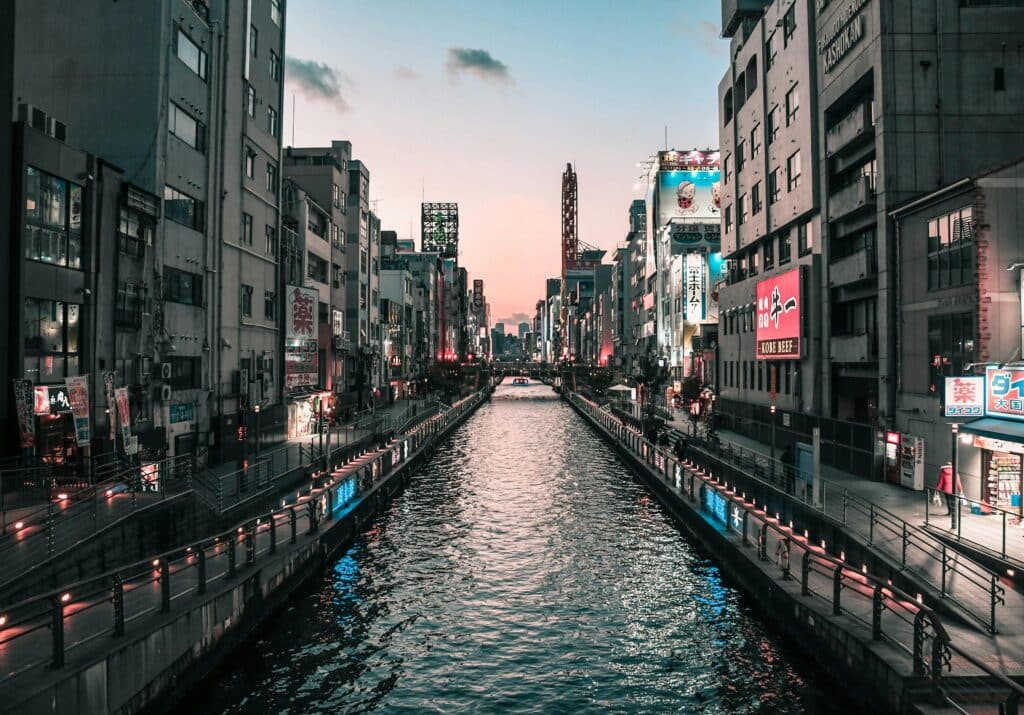
Osaka – gastronomy & Dotonbori
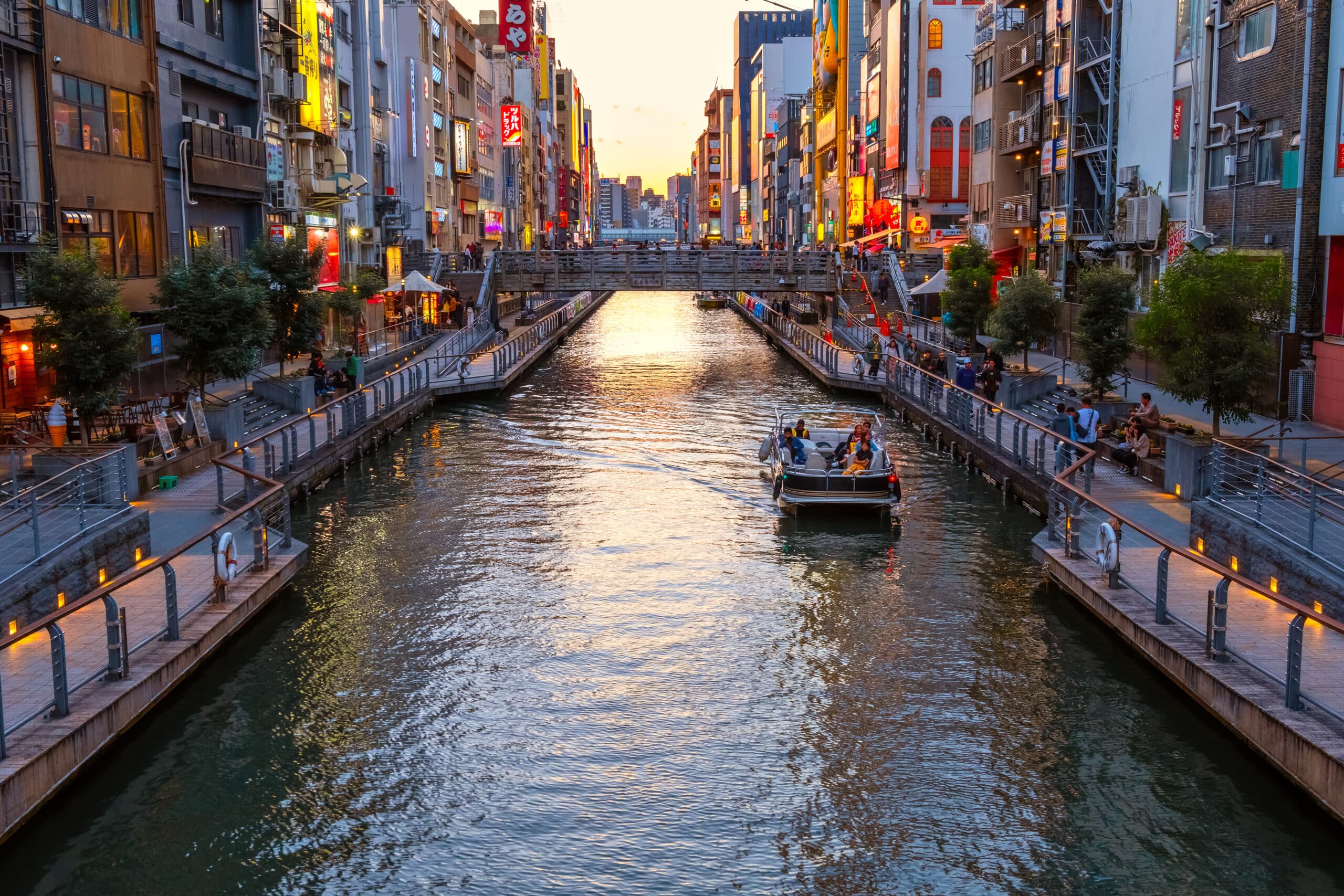
Osaka is the capital of Japanese food and fun. Dotonbori and its giant neon signs, Osaka Castle, Kuromon Market, street takoyaki and okonomiyaki, Namba’s nightlife and the festive atmosphere of Shinsaibashi.
- Dotonbori & street food
- Osaka Castle
- Kuromon Market & Namba
Nara & Hakone – sacred deer & Mount Fuji
Nara, a former imperial capital, is home to sacred deer roaming freely and the gigantic Todai-ji Temple with its Great Buddha. Hakone offers breathtaking views of Mount Fuji from its ryokans and hot springs (onsen).
- Nara’s sacred deer & Todai-ji
- View of Mount Fuji from Hakone
- Traditional ryokan & onsen
Hiroshima & Miyajima – peace & a torii gate on the water
Hiroshima and its Peace Memorial are an emotionally powerful, unmissable visit. The island of Miyajima, 30 minutes away by ferry, is home to the famous floating torii of the Itsukushima Shrine — the most iconic image of Japan.
- Hiroshima Peace Memorial
- Miyajima floating torii
- Ferry & Itsukushima Shrine
Which trip to Japan is right for you?
Japan suits every type of traveler: families discovering temples and the deer of Nara, romantic couples under Kyoto’s cherry blossoms, or friends seeking festivals, ramen, and karaoke all night long.

Family trip – temples, deer & sakura
Tokyo Disneyland, Nara’s sacred deer, sushi workshops, the Pokémon Café in Tokyo, and the ultra-fast shinkansen: Japan is a dream country for children and an unforgettable cultural discovery for parents.
- Tokyo Disneyland & Nara
- Sushi workshop & Pokémon Café
- Shinkansen & capsule hotel

Couples trip – sakura, ryokan & Kyoto
Picnic under the cherry trees of Maruyama Park in Kyoto, a night in a ryokan overlooking Mount Fuji in Hakone, a kaiseki dinner (high-end Japanese haute cuisine), and a kimono stroll through Gion: Japan is an extraordinary romantic destination.
- Hanami & cherry blossoms in Kyoto
- Ryokan & onsen in Hakone
- Kimono stroll in Gion

Trip with friends – izakayas, matsuri & Osaka
Nights out at izakayas in Shinjuku and Osaka, summer matsuri festivals, karaoke in the heart of Dotonbori, a communal onsen in Beppu, Akihabara for manga and anime fans, and climbing Mount Fuji as a group for a legendary sunrise photo.
- Izakayas & Dotonbori, Osaka
- Matsuri & karaoke in Shinjuku
- Climb Mount Fuji
Practical tips for your trip to Japan
Japan is the safest country in the world for travelers. Lost items are almost always returned to their owner. In 2023, the Tokyo metro recorded an average delay of just 18 seconds compared to the scheduled timetable. Politeness and respect for rules are core values of Japanese culture.
No visa required for Luxembourg nationals for a tourist stay of up to 90 days. All you need is a valid passport. Since 2023, Japan has removed all post-Covid restrictions. Entry is free and quick at Narita or Kansai airport.
The currency is the Yen (JPY). Japan remains a very cash-based society — many small restaurants, temples and markets only accept cash. Bring cash and withdraw from 7-Eleven ATMs (they accept foreign cards). The Suica card (IC card) is essential for transport.
Japan’s rail network is the best in the world. The shinkansen (Bullet Train) connects Tokyo to Kyoto in 2h15, and Kyoto to Hiroshima in 1h. The JR Pass (to be purchased BEFORE departure) gives unlimited access to all JR trains for 7, 14 or 21 days. Essential for a complete itinerary.
Japanese is the official language. English is not widely spoken outside airports and major hotels. Download Google Translate with camera mode to read menus and signs. A local SIM card (data only, very affordable) lets you have internet at all times to guide you.
Type A and B outlets (110V/60Hz) — different from European sockets (220V). An adapter is essential. Most modern devices (phones, laptops) support 100–240V and only need an adapter, not a transformer.
Japan is one of the safest countries in the world. Crime is almost non-existent, cities are clean, and the population is very helpful. You can get around alone at any time. The only precaution: typhoons (August–October) can disrupt transport. Check local weather alerts.
Japan is a mid-range to premium destination. A meal in a local restaurant (ramen, sushi, bento): €6–15. Accommodation: from €30 (capsule hotel) to €500+ (traditional ryokan). The 14-day JR Pass costs around €430 but is very good value for a full itinerary.
No mandatory vaccines or anti-malarial treatments are required. Japan is a very hygienic country. Travel insurance with repatriation is strongly recommended (medical care is expensive in Japan). Tap water is drinkable everywhere.
Create your dream trip to Japan now
Kyoto’s cherry blossoms, shinkansen, a ryokan facing Mount Fuji, Osaka’s cuisine and the temples of Nikkō. We design for you a tailor-made trip to Japan, fully adapted to your dates, your budget and your wishes.
Also discover our other destinations in Asia
Japan combines perfectly with South Korea, Bali or Thailand. Explore our other Asian destinations to create your ideal multi-country itinerary.
Bali
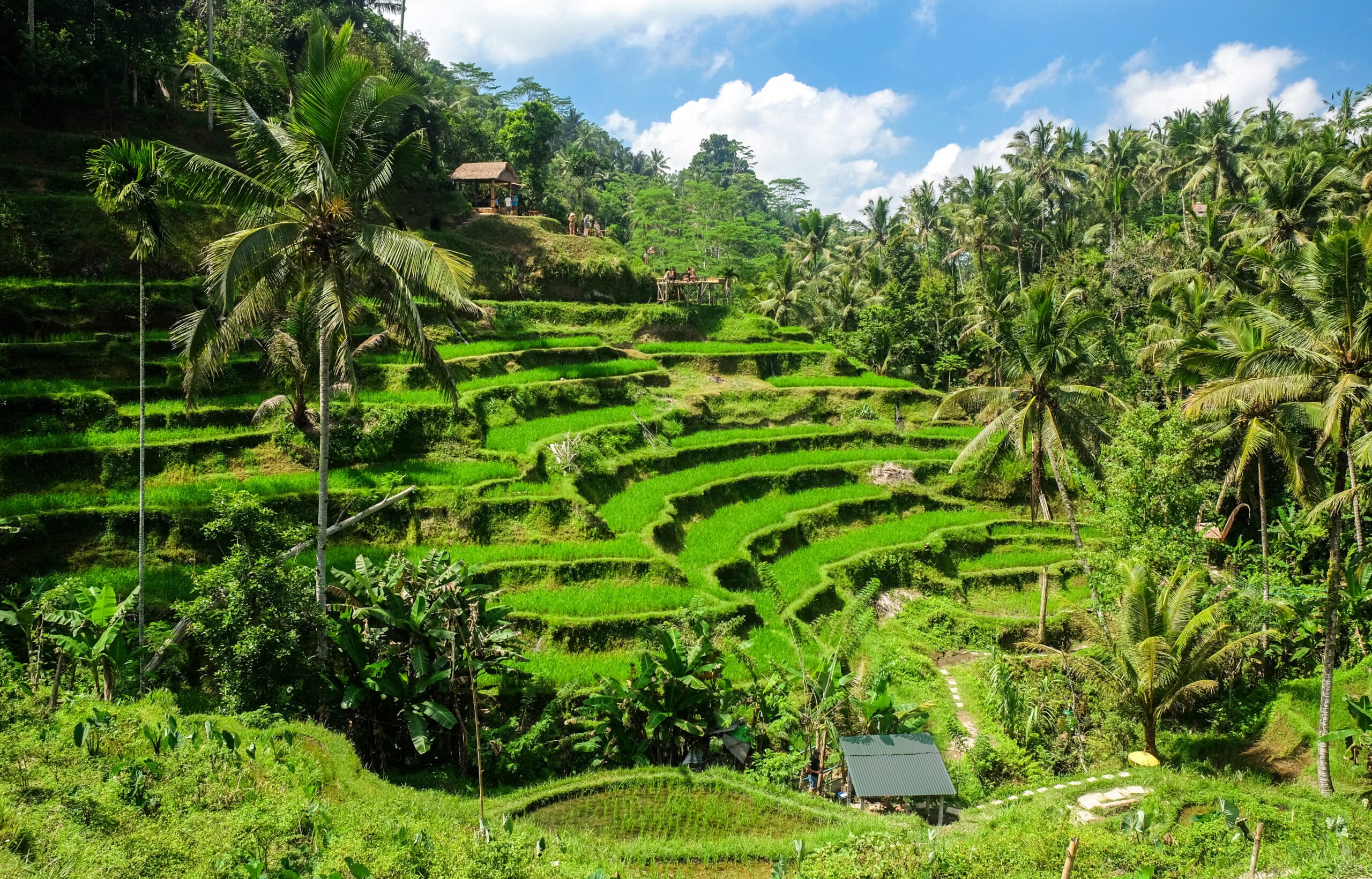
Between rice paddies, volcanoes and lagoons, serenity becomes an island
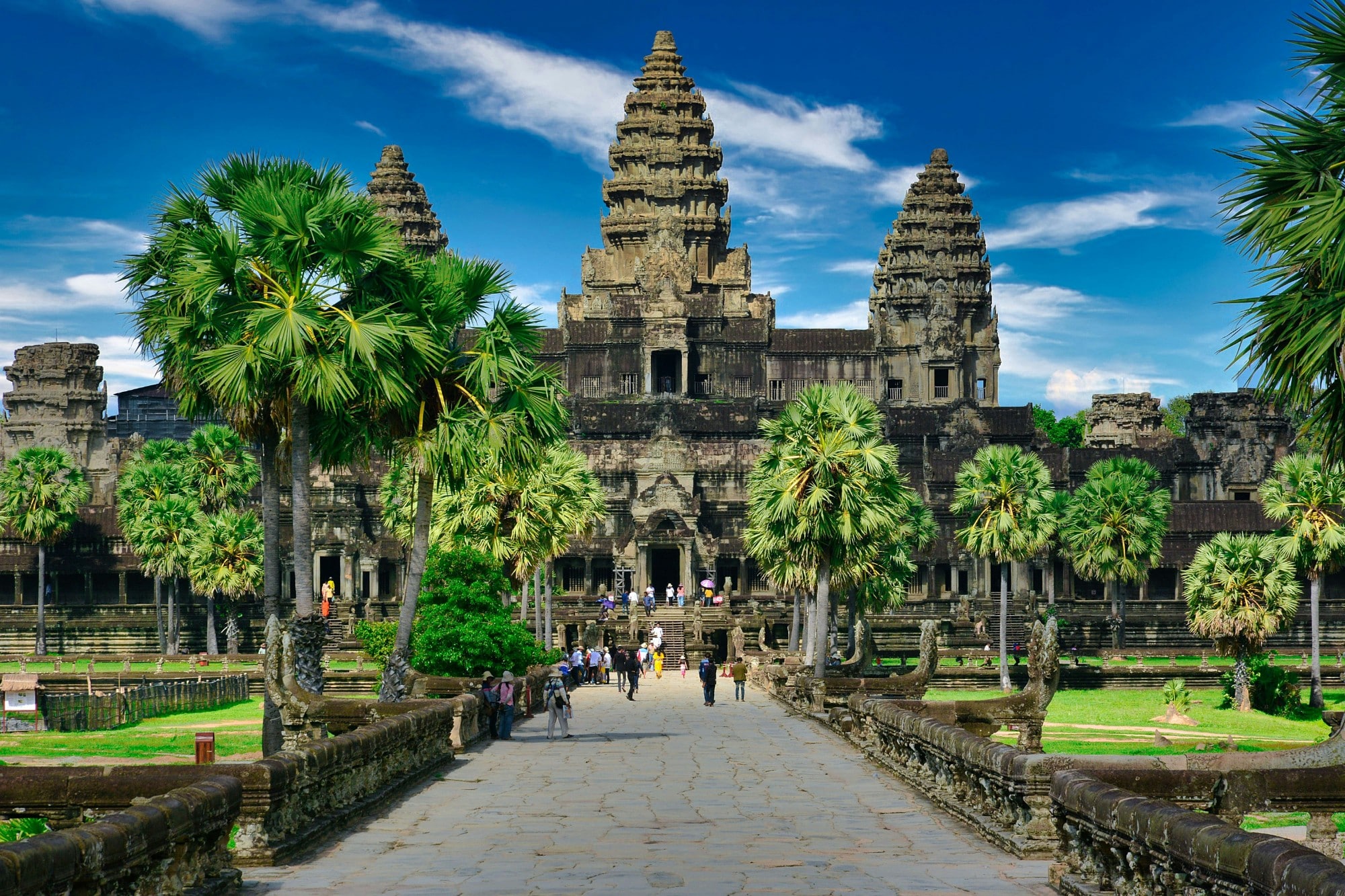
Cambodia
An eternal kingdom between rice fields and ruins
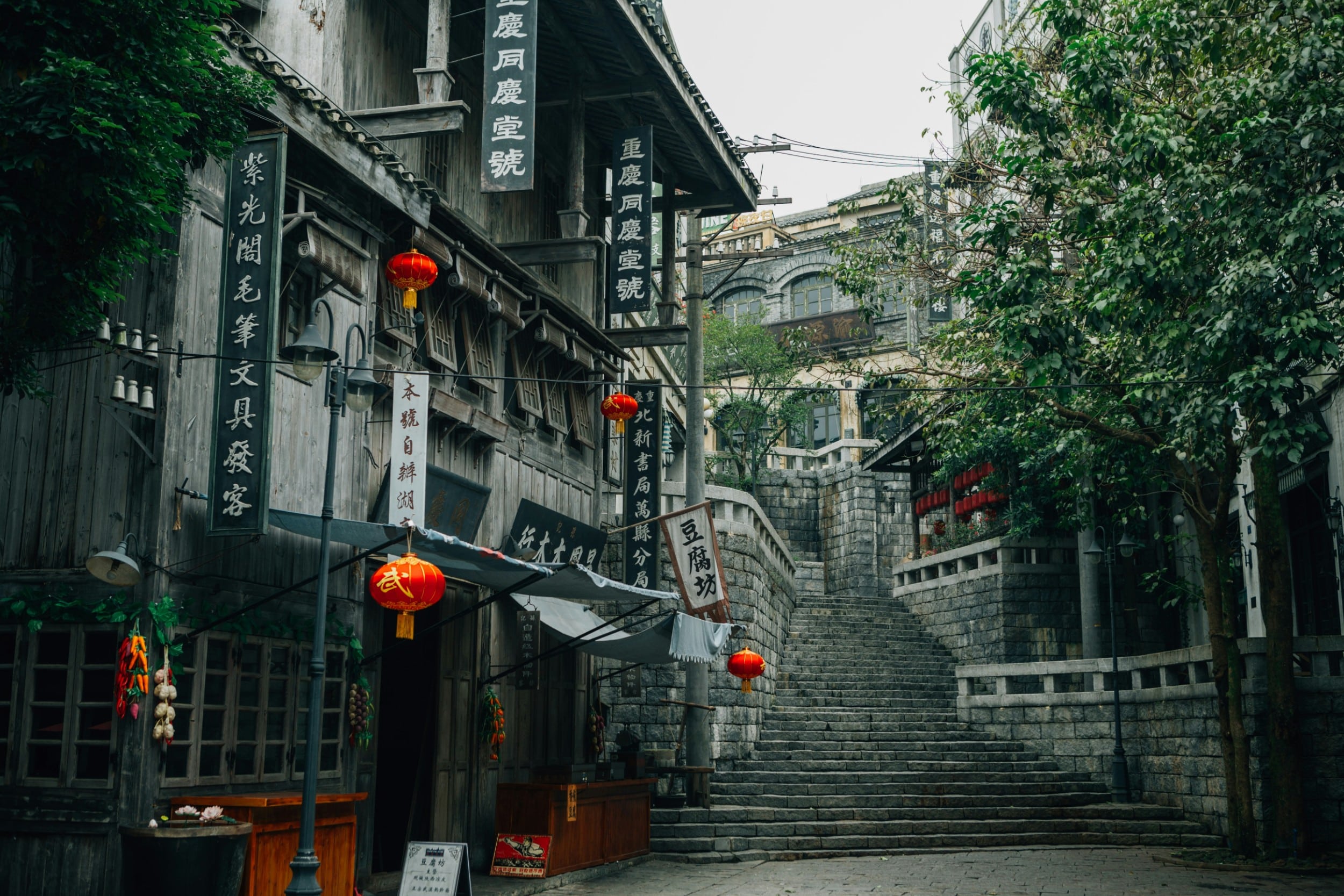
China
From the Great Wall to futuristic skyscrapers
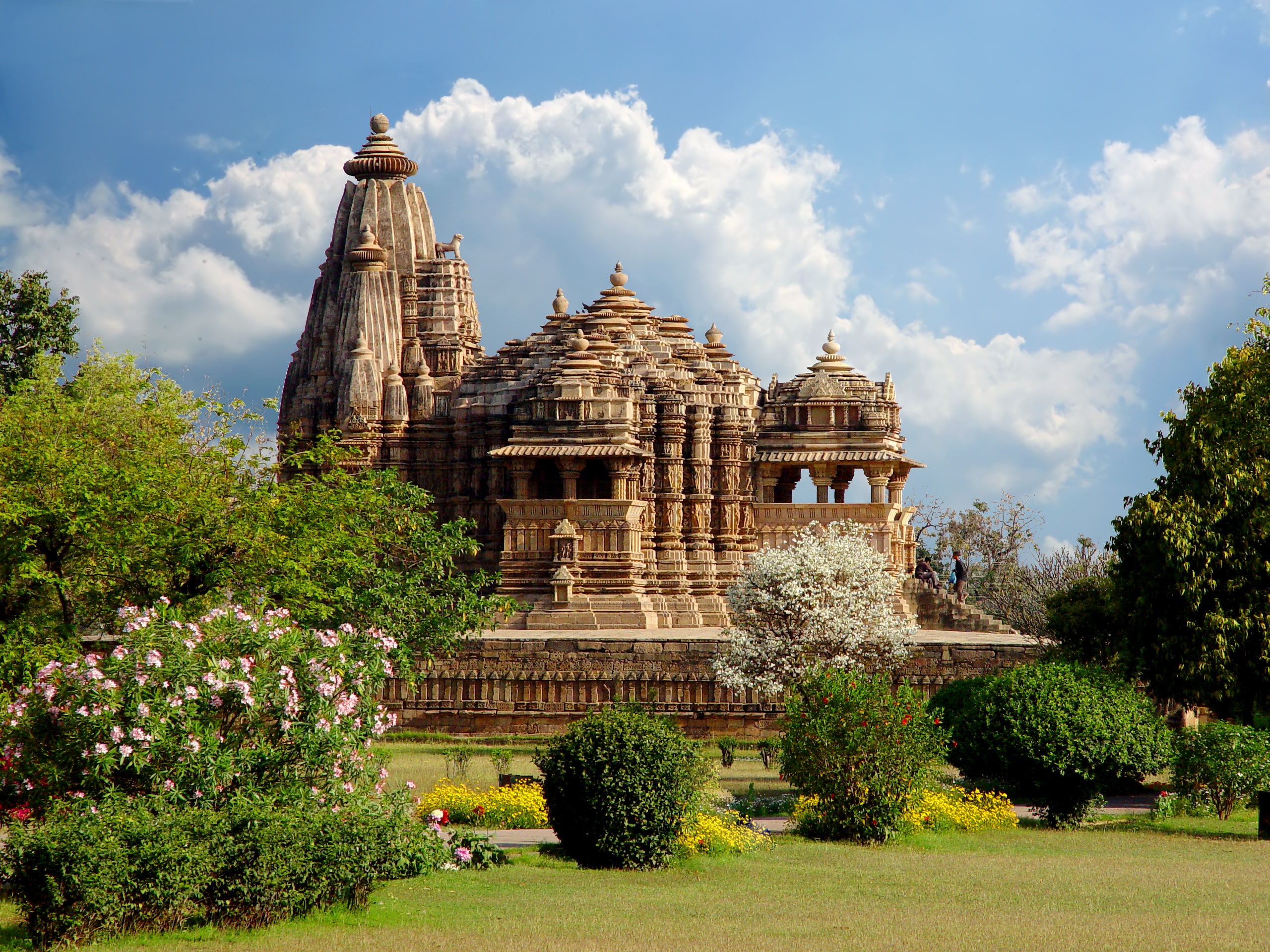
India
A world of colours, scents and spirituality
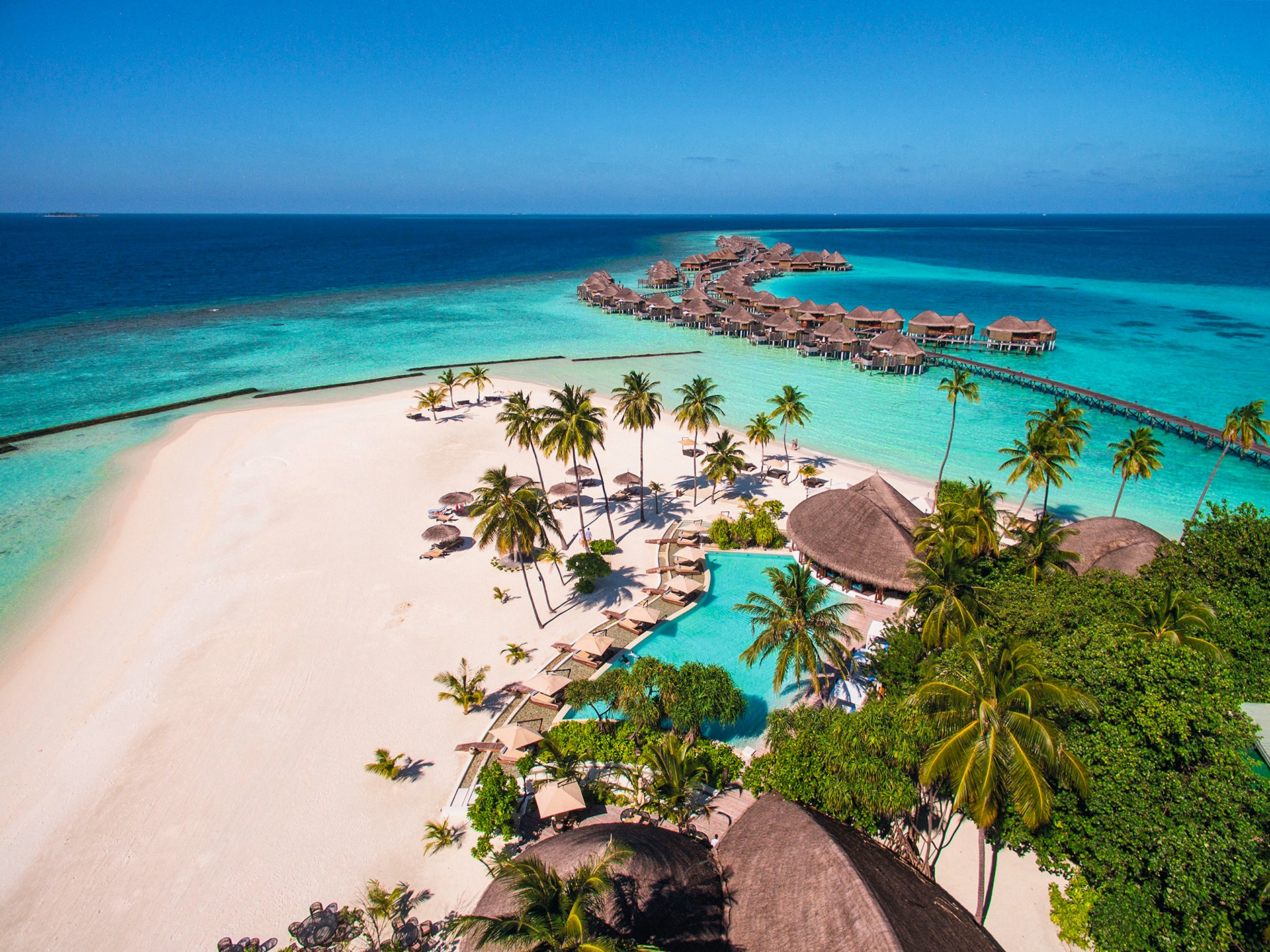
Maldives Islands
A turquoise jewel at the end of the world
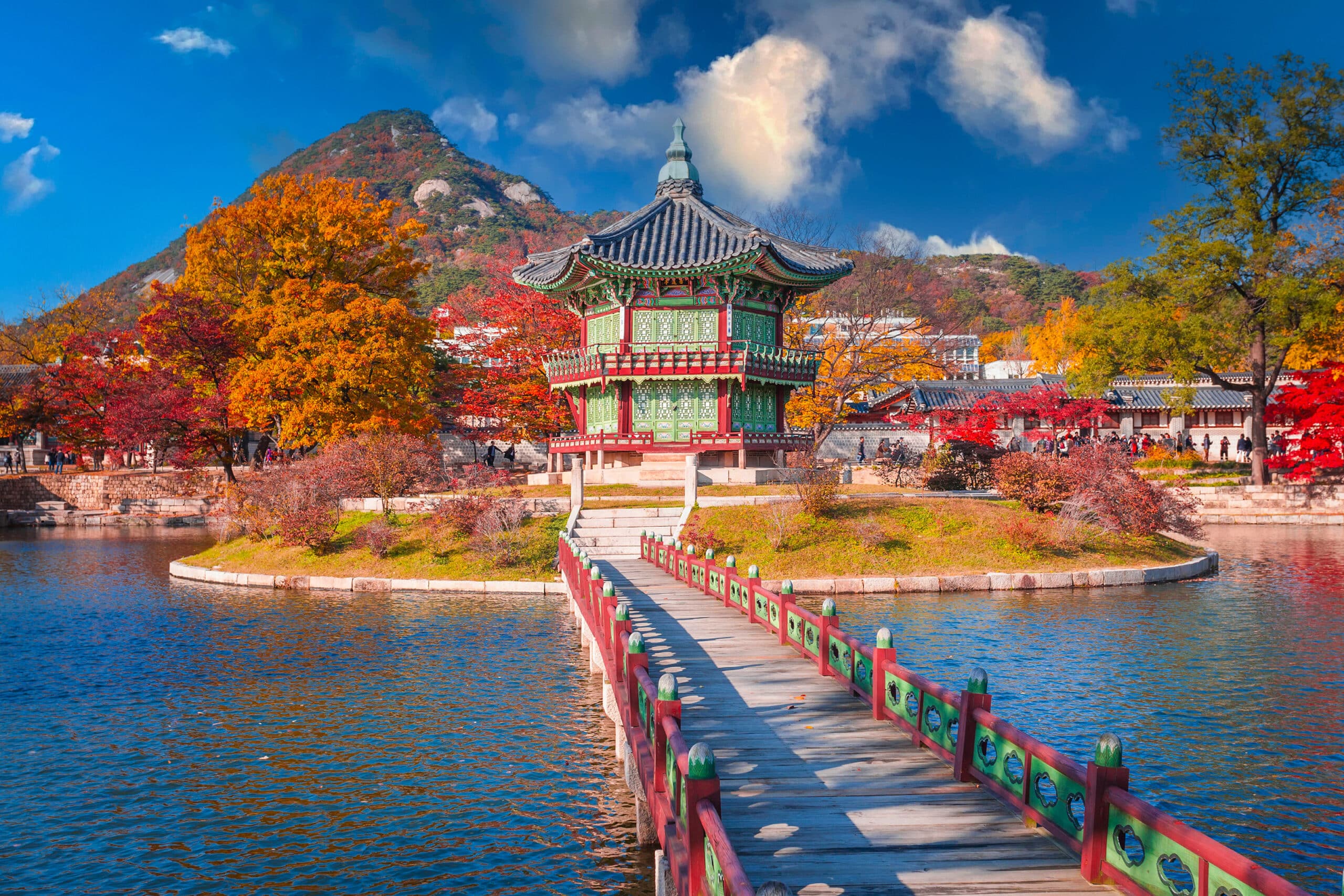
South Korea
Between ancient rituals and urban beats
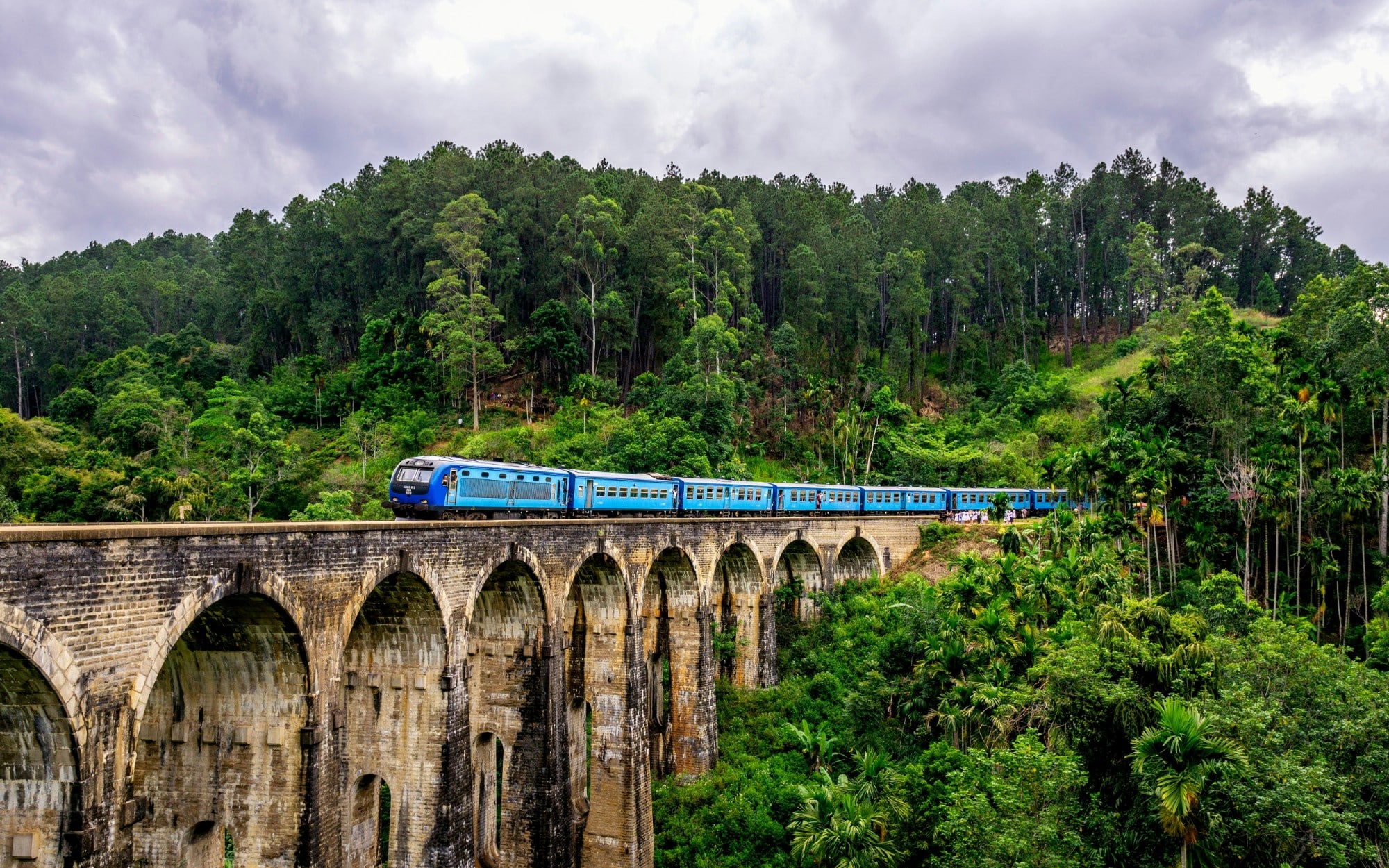
Sri Lanka
A jewel of Asia where nature and spirituality unite
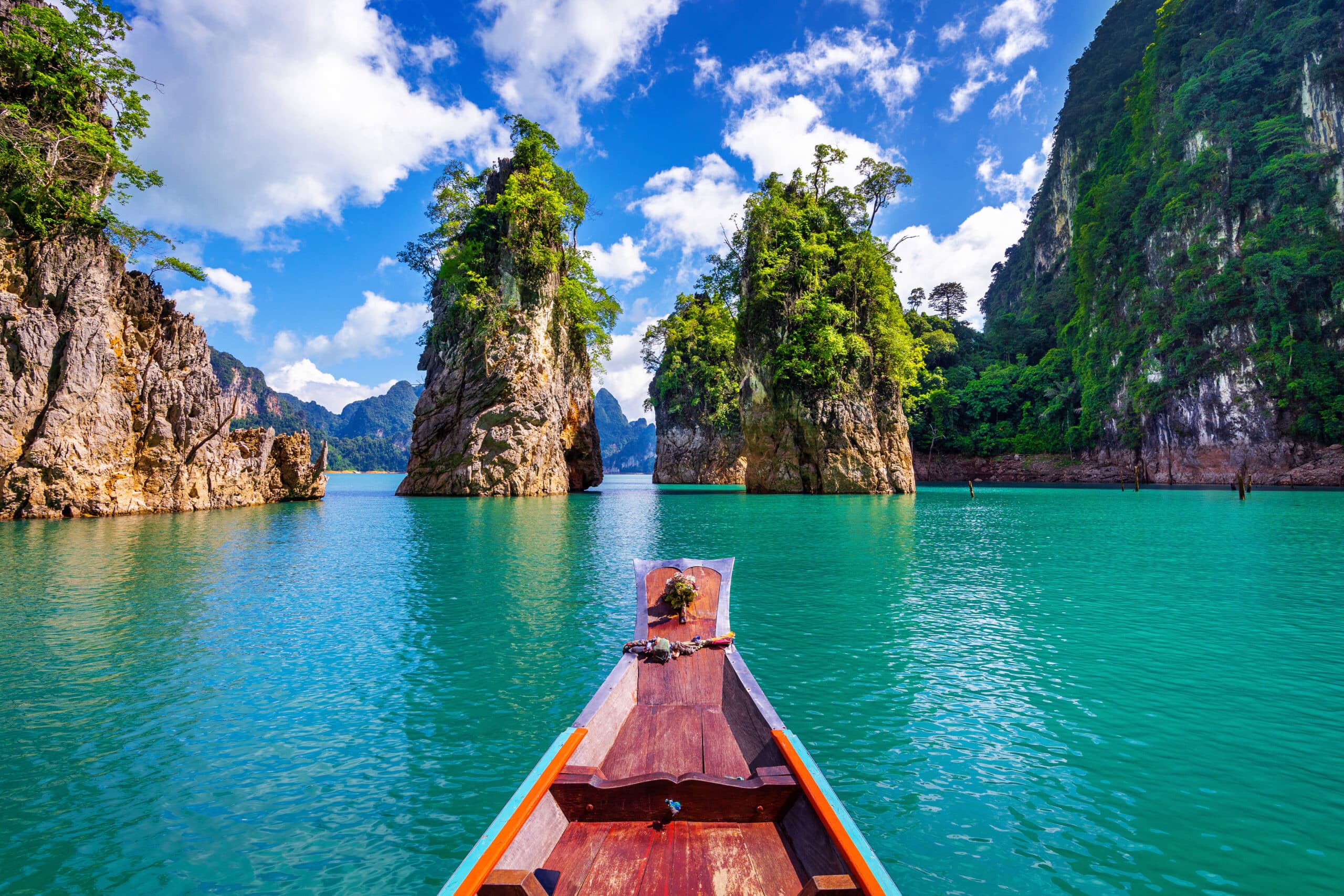
Thailand
Between golden temples and azure lagoons.
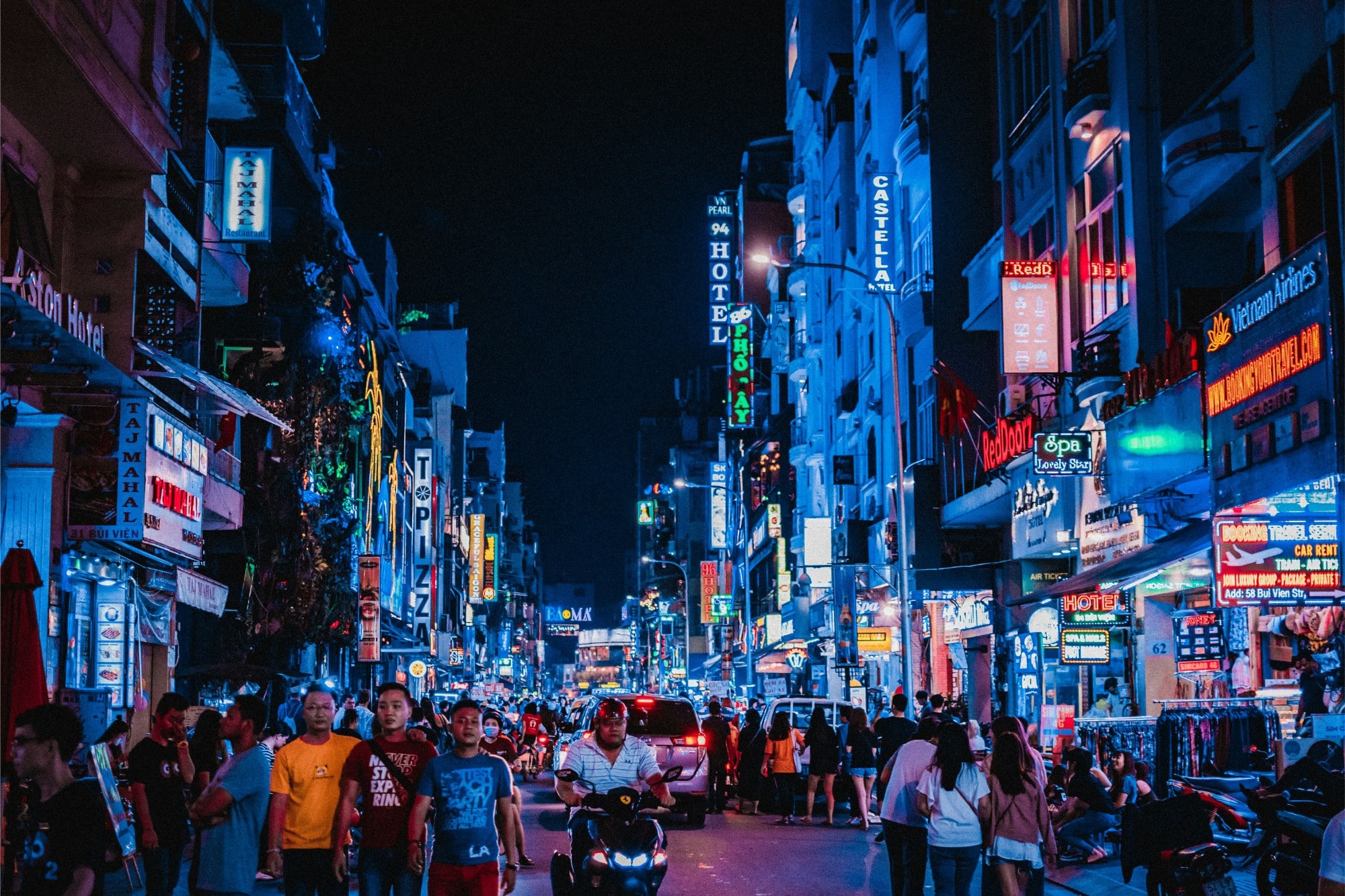
Vietnam
Between rice paddies, bays and mountains
FAQ: all your questions about travelling to Japan
Spring (late March – mid-April) for cherry blossoms (sakura) and autumn (November) for momiji (red and gold autumn leaves) are the two magical seasons. Summer (July–August) is hot and humid, best avoided. Winter is mild in Tokyo but offers skiing in Hokkaido.
A minimum of 10 days for the classic Tokyo–Nikko–Hakone–Kyoto–Osaka itinerary. 14 days to add Hiroshima, Miyajima and Nara. 3 weeks for a complete itinerary including Hokkaido or Okinawa. The shinkansen makes it possible to cover long distances in a short time.
No, Luxembourg and European citizens do not need a visa for a tourist stay of up to 90 days. All you need is a valid passport. Japan has been open without restrictions since 2023.
The JR Pass is an unlimited rail pass valid on all Japan Railways trains (including shinkansen), available for 7, 14 or 21 days. It must be purchased before departure for Japan. It is very good value for an itinerary including several cities (Tokyo–Kyoto–Hiroshima–Osaka).
The Senso-ji Temple in Tokyo, the Arashiyama Bamboo Grove and Kinkaku-ji (Golden Pavilion) in Kyoto, Mount Fuji from Hakone, the deer of Nara, the floating torii gate of Miyajima, the Hiroshima Peace Memorial and Dotonbori in Osaka.
Budget €2,500 to €4,500 per person for 14 days (flights included), depending on the level of accommodation. The 14-day JR Pass (approx. €430) should be factored in. Traditional ryokans with dinner and breakfast can cost €150–€400 per night, but they’re worth every penny.
Around 12 to 14 hours with a layover (Paris, Frankfurt, Amsterdam, Doha or Dubai) to Tokyo Narita or Osaka Kansai. No direct flight from Luxembourg. The best connections are via Paris CDG (Air France/JAL) or Frankfurt (Lufthansa/ANA).
Day 1: Fushimi Inari (orange torii gates), Nishiki Market, Gion. Day 2: Arashiyama (bamboo grove, Tenryu-ji Temple), Kinkaku-ji (Golden Pavilion), Ryoan-ji (zen garden). Day 3: Philosopher’s Path, Nanzen-ji, Nijo Castle. Pair it with a day trip to Nara (deer and Todai-ji).
Day 1: Senso-ji (Asakusa), Akihabara, Ueno. Day 2: Shibuya crossing, Harajuku, Meiji Shrine, Shinjuku at night. Day 3: Odaiba, Tokyo Tower or Skytree, Tsukiji fish market. Top it off with a trip to Nikko or Kamakura.
Yes, it’s a classic and easy combo! Tokyo–Seoul flight in 2h30 (very affordable), or the Busan–Shimonoseki ferry. A Japan (10 days) + South Korea (5–7 days) itinerary over 3 weeks is ideal for discovering two fascinating Asian cultures in a single trip.
Japanese cuisine is an adventure in itself: ramen, sushi, sashimi, tempura, yakitori, tonkatsu, okonomiyaki, takoyaki, wagyu. Each region has its own specialties. konbini (7-Eleven, FamilyMart) offer fresh, delicious food 24/7 — an institution in Japan.