


Travel and tour in Canada
The Rockies, Northern Lights, Québec and wide-open spaces
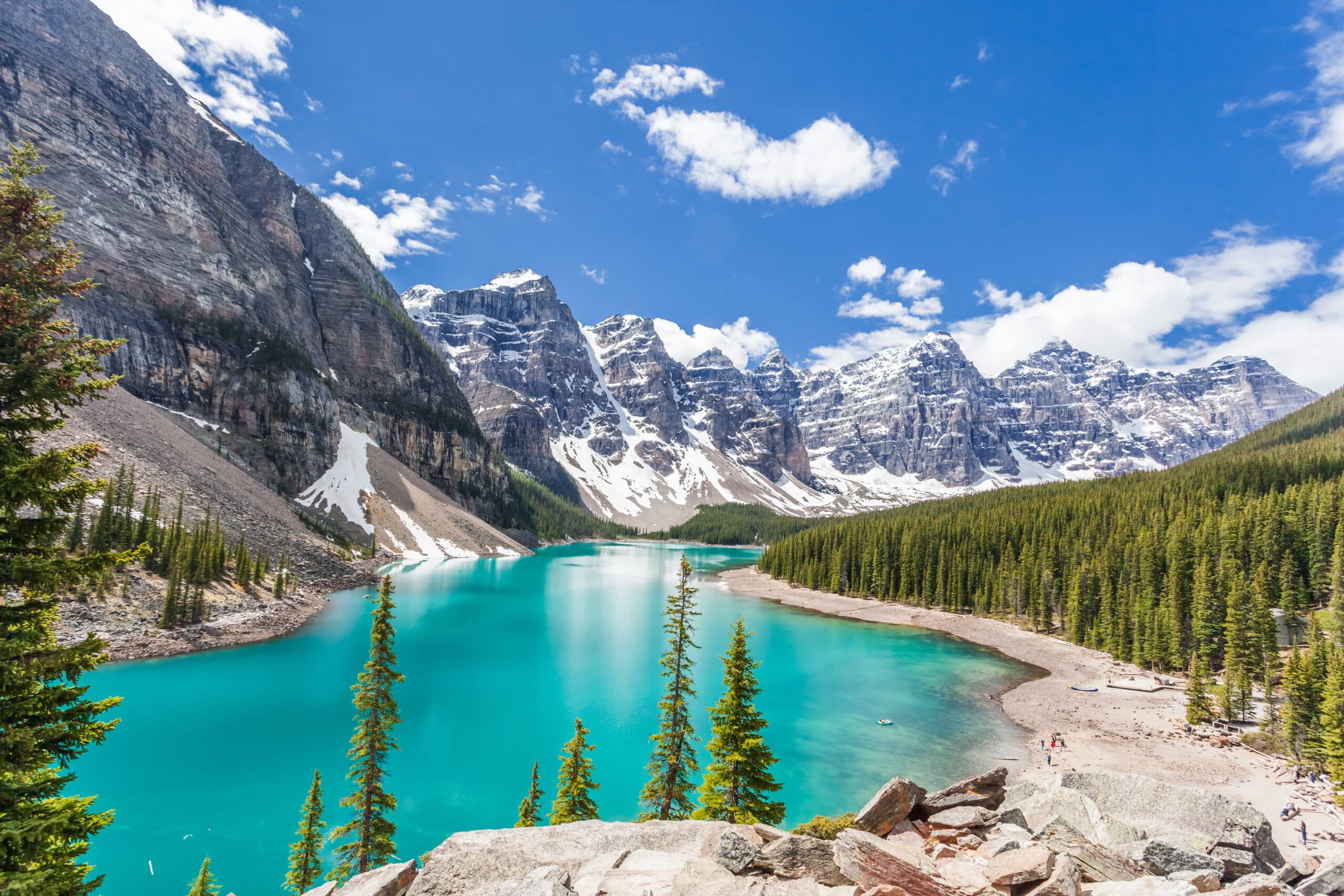
Feel like kayaking on the impossibly turquoise waters of Lake Louise with the Victoria Glacier reflected on the surface, driving the Icefields Parkway at sunset between Banff and Jasper—one of the most spectacular roads in the world—or finding yourself alone beneath the Yukon’s night sky lit up by the green and purple ribbons of the Northern Lights?
Canada is the second-largest country in the world and one of the most breathtaking destinations on the planet. This North American giant of 10 million km²—larger than all of Europe—offers a diversity of landscapes, cultures and experiences on an unmatched scale. In the west, the Canadian Rockies are a world apart: Banff National Park, with its unreal turquoise lakes (Lake Louise, Lake Moraine), its ancient glaciers and its 1,600 km of hiking trails, is one of the most photographed natural jewels on Earth. The Icefields Parkway, this 230-km road between Banff and Jasper, runs alongside 100 glaciers, 6 icefields and around ten waterfalls for a journey where every bend is a postcard.
In the east, Québec is France with a North American twist—a province of 8 million inhabitants where French is the official language, where Old Québec (a UNESCO World Heritage Site) unfolds its ramparts, cobblestone streets and brightly coloured façades with an authenticity few North American cities can claim. Montréal, a creative, gastronomic and festive city, is regularly voted one of the best cities in the world to live in and visit. In Vancouver, a Pacific metropolis wedged between ocean and mountains, quality of life and cultural diversity are second to none. And in the Yukon, where the Far North begins, the Northern Lights illuminate skies of a purity found nowhere else.
Voyages Flammang helps you design a fully tailor-made tour in Canada, from the great Québec–Rockies classic to Northern Lights expeditions in the Yukon, entirely personalised from Luxembourg.
Why travel to Canada?
UNESCO-listed Old Québec and the francophone art of living, turquoise lakes and Rocky Mountain glaciers, Northern Lights in the Yukon and wildlife: Canada is one of the most complete and spectacular destinations in the world, within flying distance from Luxembourg.
Discover our best offers for tours in Canada
Ready to live the Canada experience—Rockies, Northern Lights, Québec and the great outdoors?
We have selected for you our most popular tours and stays in Canada, designed to reveal the very best of this immense country: the great Québec–Montréal–Ottawa classic, the Rockies road trip (Banff, Jasper, Icefields Parkway, Vancouver), the Northern Lights expedition in the Yukon, or the Eastern Canada–Rockies combination in 3 weeks.
Whether you dream of an road trip through the Canadian Rockies in August, a trip to Québec in the fall for maple foliage, a Northern Lights hunt in the Yukon in January, or an East Coast and Rockies combo, each itinerary is fully customized to your pace and your budget.
Choose your package, and we will create a tailor-made Canada tour for you, turnkey from Luxembourg.
€10,790
price per person
Into the Wild tour
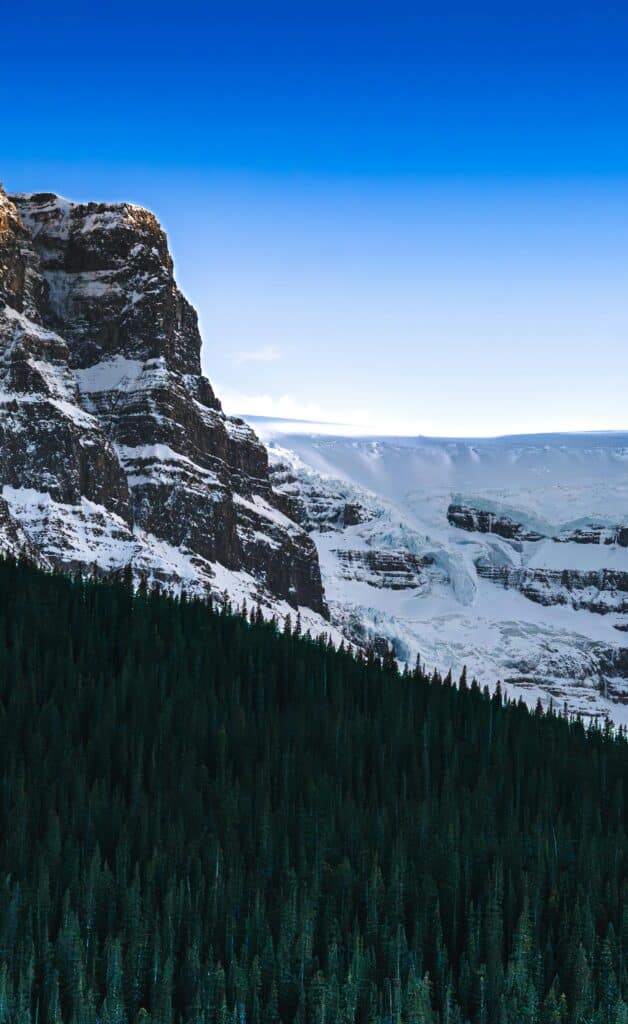
- Exceptional 33-day itinerary between the Canadian Rockies and wild Alaska
- SUV road trip with personalised travel journal
- Turquoise lakes, glaciers, fjords, tundra and Denali
€1,695
price per person
Hampton Inn by Hilton Montréal Downtown Centre-Ville

- Central location in Montréal
- Close to Old Montréal
- Free hot breakfast
€3,105
price per person
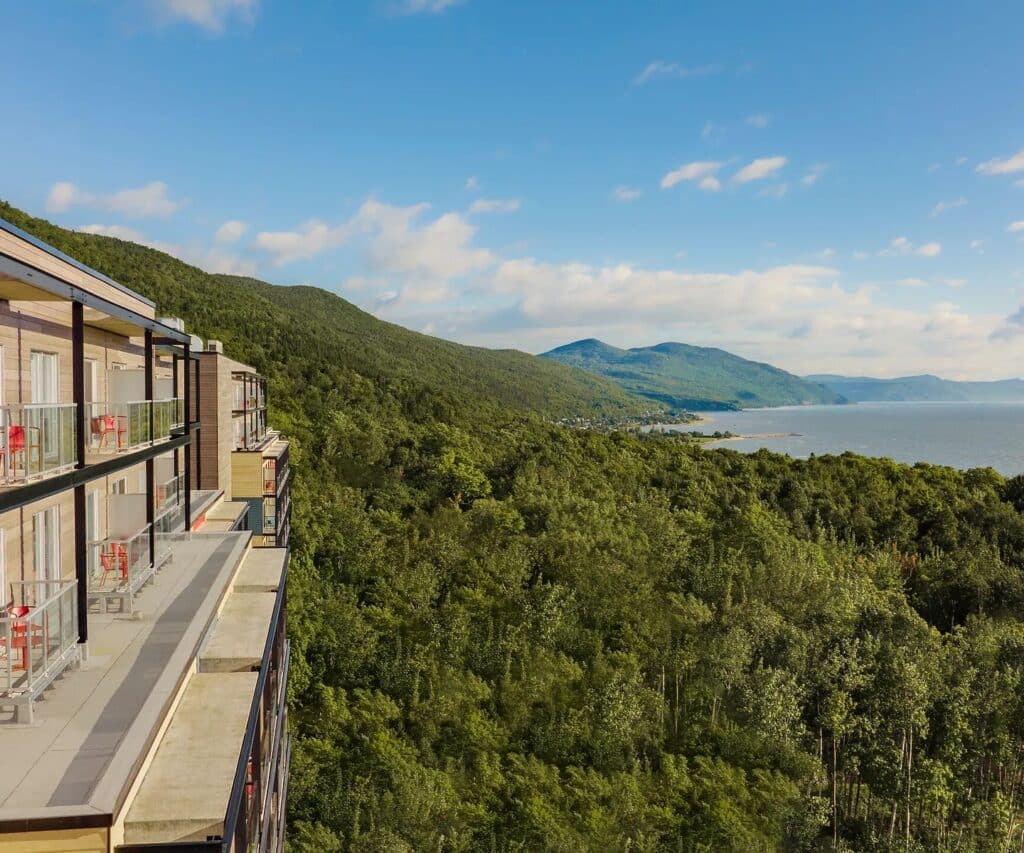
Club Med Québec Charlevoix – Summer
- Exceptional view over the St Lawrence River
- Unspoilt natural setting
- Activities in summer and winter
€2,529
price per person
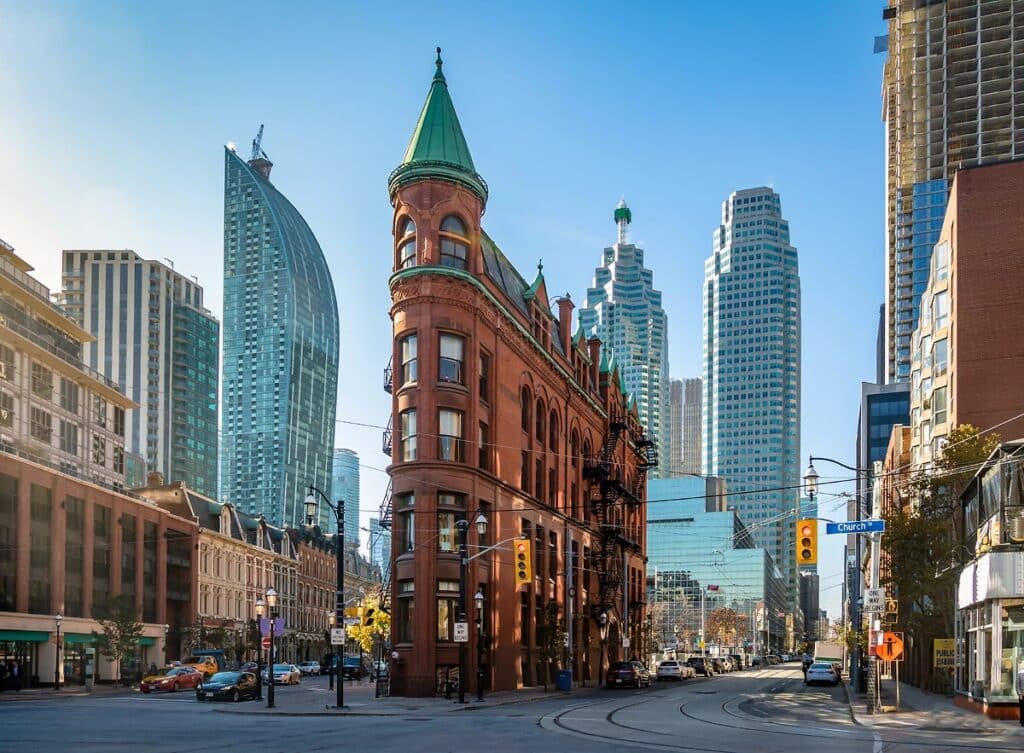
Fascinating Canada Tour
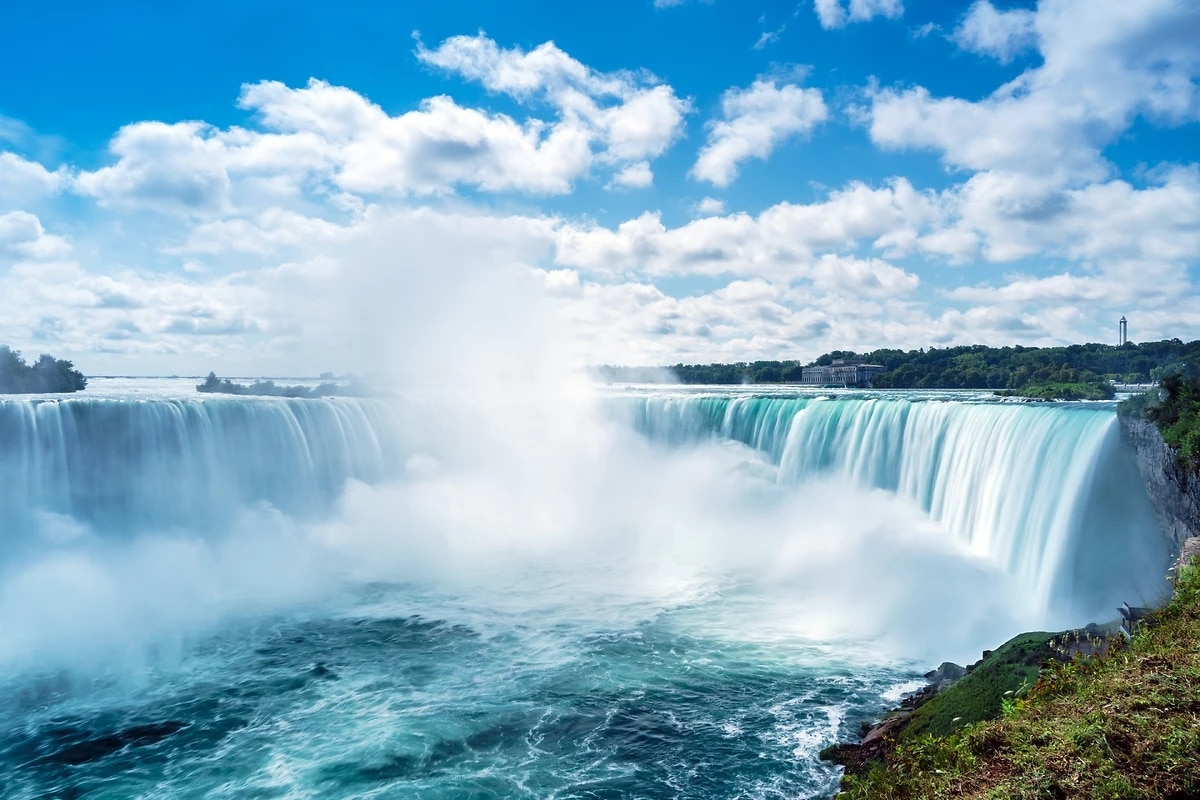
- Cruise at the foot of Niagara Falls
- Cruise in the Thousand Islands archipelago
- Discover Toronto, Ottawa, Montreal and Quebec City
Nos voyages organisés – ULT
5998€
price per person
Kanada intensiv erleben
- Stadtrundfahrt Toronto
- Besuch des Algonquin Provincial Park
- Besichtigung von Quebec City
When to go to Canada?
Canada is a country with very distinct seasons — with temperature swings from −30°C in winter to +35°C in summer in some regions. The best time depends entirely on what you want to do and see.
June to August – Canadian summer: ideal for the Rockies and Vancouver
It’s peak season. The Canadian Rockies (Banff, Jasper, Lake Louise) are accessible in the best conditions — mountain roads are clear, turquoise lakes are at their most beautiful, and high-altitude hikes are doable. Temperatures are pleasant in Québec (24-29°C) and in Vancouver (22-26°C). It’s also the best time for whale watching in British Columbia. Downside: peak tourist season, book well in advance for lodges in Banff and Lake Louise.
September-October – Fall foliage in Québec: spectacular
Autumn is the most poetic season in Québec and the Laurentians. The maple foliage — a gradient of gold, orange, red, and burgundy across tens of thousands of km² — turns the province into a palette of colors few places in the world can match. Temperatures are pleasant (14-22°C), summer crowds are gone, and prices drop. In the Rockies, fall is just as magical — alpine larches turn golden, and wildlife (elk, bears, moose) is very visible before winter.
November to March – Winter and the Northern Lights: Yukon and the Far North
Canadian winter is harsh in Québec City and Montréal (−15 to −5°C), but it’s the must-do season for two unique experiences: the Northern Lights and skiing. The Yukon and the Northwest Territories, between December and March, offer the best conditions for viewing the Northern Lights — 16-hour nights with a sky of absolute purity. The Rockies ski resorts (Banff, Lake Louise, Whistler) are among the best in the world in December–March.
Montreal / Canada
| Jan | Feb | March | April | Mai | June | July | Aug | Sept | Oct | Nov | Dec | |
|---|---|---|---|---|---|---|---|---|---|---|---|---|
| Our opinion | ||||||||||||
| Season | ||||||||||||
| Tourist peak | ||||||||||||
| T° max | -12°C | -10°C | -2°C | 12°C | 22°C | 26°C | 29°C | 28°C | 22°C | 14°C | 5°C | -5°C |
| Rainy days | 5 d | 5 d | 8 d | 10 d | 10 d | 9 d | 9 d | 9 d | 9 d | 11 d | 12 d | 9 d |
| Hiking |
Where to go in Canada? Must-see regions and sites
Montréal & Old Québec – Francophone culture in America (UNESCO)
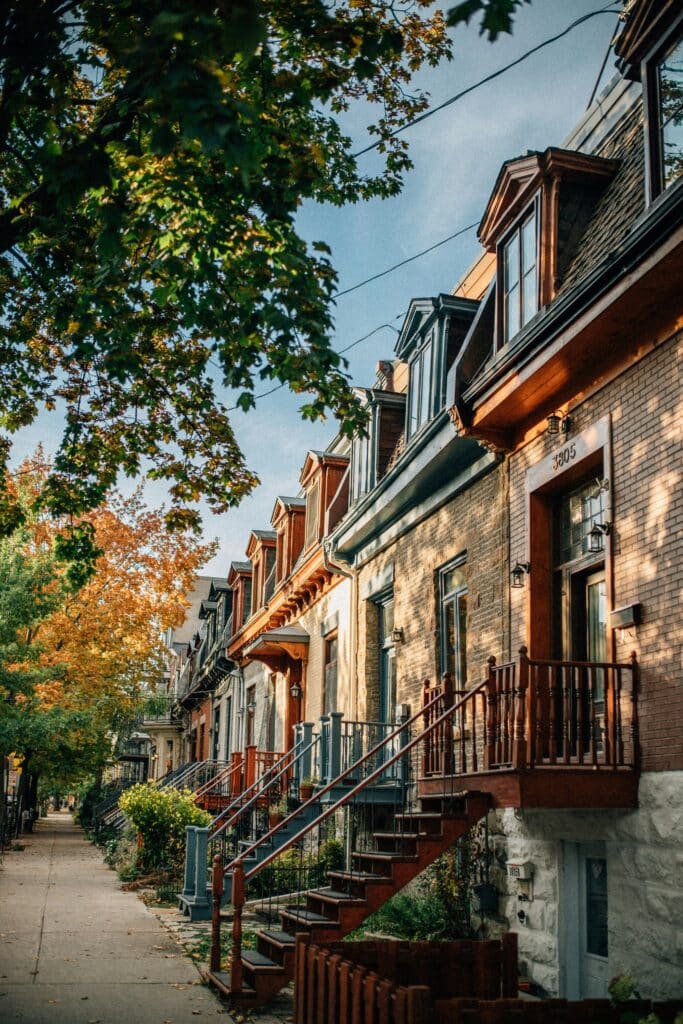
Old Québec, a UNESCO World Heritage Site, is the only fortified city in North America north of Mexico to have preserved its original ramparts. Its 17th-century French colonial architecture, the Château Frontenac overlooking the St. Lawrence River from the Upper Town, the cobblestone lanes of Petit-Champlain (the oldest commercial district in North America), the Plains of Abraham, and Québec cuisine (poutine, tourtière, maple syrup, Gaspésie lobster) create a one-of-a-kind experience on the continent. Montréal, 2h45 away by train, is a city of art, culture, and gastronomy with incomparable vibrancy — festivals, street art, public markets, and world-class restaurants make it Canada’s most creative city.
Don’t miss:
- Old Québec and the Château Frontenac at sunset
- Jean-Talon Market in Montréal — the largest market in North America
- fall foliage in the Laurentians (Sept–Oct)
Canadian Rockies – Banff, Jasper & Icefields Parkway (UNESCO)
The Canadian Rockies, a UNESCO World Heritage Site since 1984, are one of the planet’s natural wonders. In Banff National Park (Canada’s oldest, founded in 1885), Lake Louise and Moraine Lake dazzle with their unreal turquoise waters colored by suspended glacial rock flour. The Icefields Parkway (230 km between Banff and Jasper) is one of the most beautiful roads in the world — it runs alongside 100 glaciers, 6 icefields, vertiginous waterfalls, and abundant wildlife (elk, grizzly bears, caribou). The Columbia Icefield, halfway along, lets you walk on a millennia-old glacier aboard specialized off-road buses.
Don’t miss:
- Moraine Lake at sunrise (Canada’s most iconic shot)
- Icefields Parkway — drive from Banff to Jasper over 2 days with stops
- Columbia Icefield excursion in an Ice Explorer
Vancouver & British Columbia – Pacific, Whistler & whales
Vancouver is regularly ranked among the three cities with the best quality of life in the world. Its exceptional location — framed by the Pacific inlets and the Coast Range mountains — gives it an unmatched setting. Stanley Park (1,000 acres of ancient forest with giant cedars in the heart of the city), the Gastown district and its designer boutiques, Granville Island and its artisan markets, and the lively waterfront make Vancouver an extraordinarily pleasant city to visit. A 2-hour drive away, Whistler is the largest ski resort in North America (in winter) and an outstanding mountain-biking and hiking base (in summer). Out at sea, whale-watching tours (orcas, humpback whales, porpoises) are among the most accessible and rewarding in the world.
Don’t miss:
- Stanley Park cycling loop with views of the skyscrapers
- whale-watching trip from Vancouver or Tofino
- Tsawwassen → Victoria (Vancouver Island) ferry for the capital and its gardens
Yukon & Far North – Northern lights and wildlife
The Yukon is Canada in its purest form — 480,000 km² of wilderness for just 40,000 inhabitants. Its capital, Whitehorse, is the ideal starting point for northern lights expeditions, hikes in Kluane National Park (UNESCO), and immersive experiences with First Nations peoples. From September to April, the long nights and clear skies of the Yukon offer ideal conditions for the northern lights — green, purple, and pink ribbons sometimes dance for several hours above a wild horizon with no light pollution at all. In summer, the Yukon turns into the “land of the midnight sun”: 24 hours of natural light in June–July, allowing nighttime hikes, canoe trips on the Yukon River, and photo safaris for grizzly bears and caribou.
Not to be missed:
- overnight in a tipi or log cabin to watch the northern lights (Dec–Mar)
- hike in Kluane National Park — Kathleen Lake, glaciers
- canoe trip down the Yukon River from Whitehorse
Atlantic Coast – Toronto, Niagara & Nova Scotia
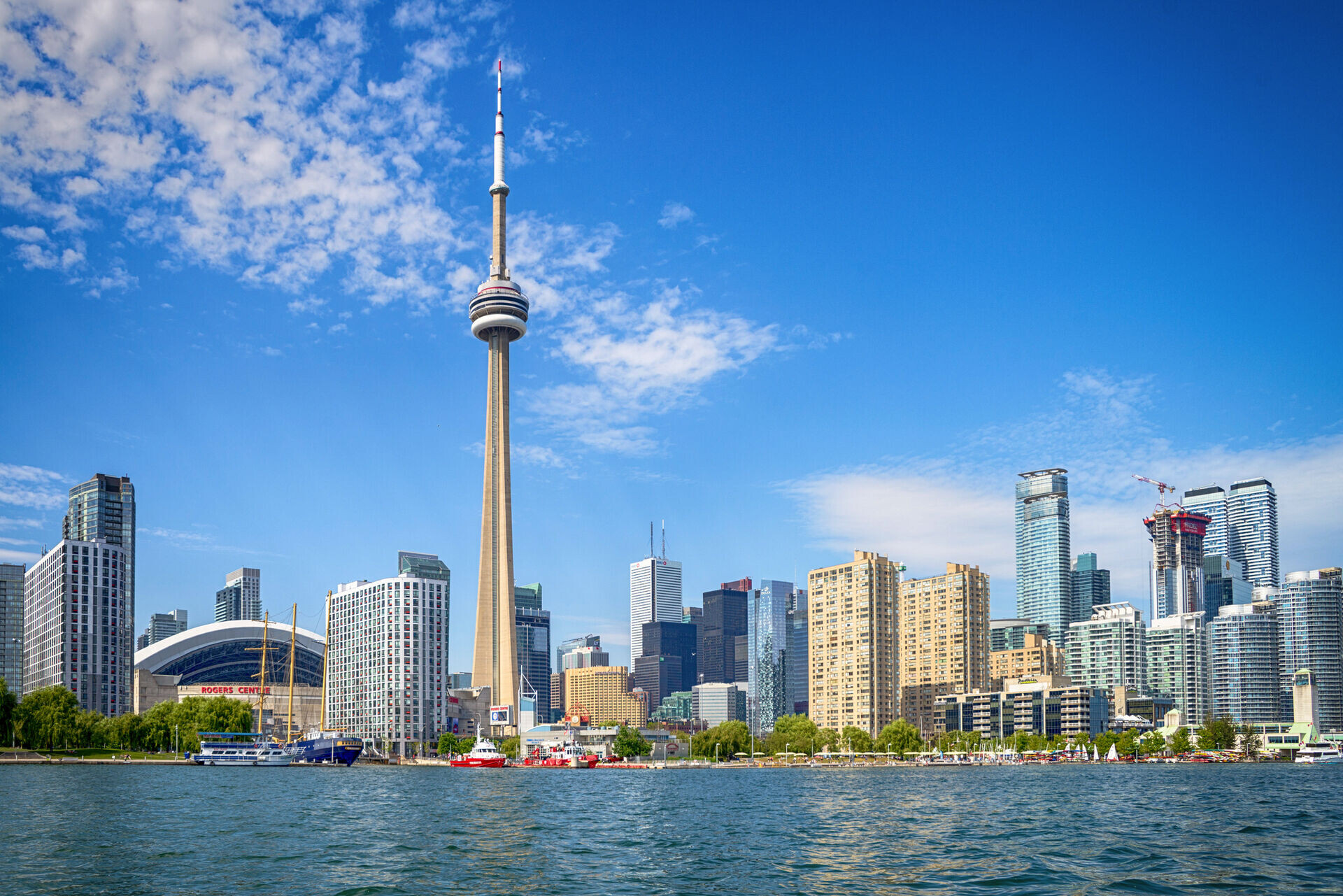
Toronto, Canada’s largest city with 6 million inhabitants, is a cultural crossroads of exceptional diversity — 200 languages spoken in a single city. The CN Tower (553 metres, with EdgeWalk — an outdoor walk at 356 metres high), the Victorian Distillery District converted into galleries and restaurants, St. Lawrence Market, and the Royal museums make it a fascinating metropolis. A 1.5-hour drive away, the Niagara Falls (56 metres, 168,000 m³ of water per minute) stand out as the most visited natural site in Canada. Farther east, Nova Scotia (Halifax, Lunenburg UNESCO, Cape Breton) and Prince Edward Island (red-sand coasts, fresh lobster, Acadian villages) create an Atlantic coast of rare beauty and authenticity.
Not to be missed:
- EdgeWalk on the CN Tower for thrill-seekers
- Maid of the Mist cruise at the foot of Niagara Falls
- the Cabot Trail route in Nova Scotia — one of Canada’s most beautiful road trips
Which trip to Canada is made for you?
A big family road trip through the Rockies between Banff and Vancouver, a romantic couple’s getaway in snowy Quebec or under the Yukon’s northern lights, or an adventure with friends on the trails of the Icefields Parkway — Canada offers an endless range of options for every travel style.

Family trip – Rockies, whales, and great national parks
Canada is an ideal destination for families with children — spectacular nature, exemplary safety, and high-quality tourism infrastructure. The Rocky Mountains national parks (Banff, Jasper) offer hikes for all levels with breathtaking scenery at any age. The whales in British Columbia, the resident orcas of the Strait of Georgia, the midnight sun in the Yukon, and the Niagara Falls create unforgettable memories. Francophone Quebec makes communication and cultural understanding easier for Luxembourgish families.
You’ll particularly enjoy:
- Lake Louise and Lake Moraine — kids will never forget those colours
- orca watching by Zodiac from Vancouver
- a cruise on the St. Lawrence River to see belugas in Quebec

Couple’s trip – Northern Lights in Yukon & romantic Québec
Canada as a couple offers experiences of rare romantic intensity. A night in an isolated log cabin in Yukon, woken at 2 a.m. by a green sky of Northern Lights; a maple-syrup brunch in a Québec sugar shack under fresh snow; a sunset over the lakes of Banff with the Rockies mirrored in the water; an evening in a gourmet bistro in Old Montréal — Canada offers a level of natural romance that moves you without trying to charm you artificially. The Fairmont Château Lake Louise, an iconic lakeside lodge, is one of the most romantic hotels in the world.
To enjoy as a duo:
- a night under the Northern Lights in Yukon (Dec–Mar)
- dinner at Château Frontenac with a view of the illuminated St. Lawrence
- skiing and spa in Whistler — Canada’s most glamorous mountain

Trip with friends – Rockies road trip & kayaking in British Columbia
With friends, Canada is an outstanding road-trip and adventure destination. A Calgary–Banff–Lake Louise–Jasper–Vancouver road trip (2,000 km, 10–14 days) is one of the great classics of group adventure: driving on breathtaking roads, camping under the stars, high-altitude hikes, craft beers in Banff or Vancouver. Sea kayaking in British Columbia (Gulf Islands archipelago, whales, eagles, seals), snowmobile expeditions in Yukon, the Via Rail (the transcontinental Vancouver–Toronto train in 4 days through wild landscapes) are unforgettable group experiences.
Not to be missed:
- Banff–Jasper–Vancouver road trip in a van or 4×4 SUV
- multi-day kayaking in the Gulf Islands (BC) with an overnight camp
- snowmobiling in Yukon with a night under the Northern Lights
Practical tips for your trip to Canada
Canada has the largest reserve of fresh water in the world — the Great Lakes (shared with the United States) alone contain 21% of all the planet’s surface fresh water. The country also has more than 2 million lakes — more than all the other countries in the world combined. And the maple leaf, a national symbol since 1965, is also the plant that produces the only commercially marketed tree syrup in the world.
Luxembourg citizens do not need a visa to visit Canada (up to 6 months). However, an eTA (Electronic Travel Authorization) is mandatory for air travel — it can be obtained on canada.ca for 7 CAD (≈ 5 EUR), is valid for 5 years, and is generally granted within a few minutes. Your passport must be valid for the entire duration of your stay. For land or sea travel from the United States, an eTA is not required.
High season in the Rockies is mid-June to mid-September — the mountain roads are clear, the turquoise lakes are at their most beautiful level, and all activities (kayaking, alpine hiking, glacier excursions) are available. July and August are the absolute peak tourist months — book accommodation and activities 6 to 12 months in advance for Lake Louise and Banff. Autumn (October) is magnificent with golden larches, but some trails may already be snow-covered.
Canada is a relatively expensive destination. Mid-range, allow EUR 120–200/person/day (4-star hotel or lodge accommodation, meals in good restaurants, car rental). Flights from Luxembourg cost EUR 600–1,100 depending on the airline and season (Montréal is cheaper, Vancouver higher). Car rental is essential for the Rockies. A 14-day Rockies–Vancouver road trip comes to around EUR 3,500–5,000/person all inclusive.
Canada is an English–French bilingual country. In Quebec, French is the official language and widely used in everyday life—French-speaking Luxembourgers feel at ease there right away. In the other provinces (British Columbia, Alberta, Ontario), it’s English that dominates. In tourist areas (Banff, Jasper, Vancouver), service providers are fluent in French as well as English and other languages. The language barrier is virtually non-existent for Luxembourg travellers.
The Northern Lights can be seen in Yukon and the Northwest Territories from late August to early April. The ideal period is December to March—the longest nights (16–18 hours of darkness), temperatures certainly very cold (−20 to −30°C), but optimal viewing conditions. Hotels and lodges specialising in aurora viewing (Whitehorse, Dawson City, Yellowknife) offer night wake-up systems when the auroras are active—you don’t have to stay up all night.
Create your tailor-made tour of Canada now
The Rockies and turquoise lakes of Banff, UNESCO-listed Old Quebec City, Northern Lights in Yukon, and Vancouver on the Pacific coast.
We design for you a tailor-made tour of Canada, fully adapted to your dates, pace and budget.
Also discover our other destinations in North America
Feel like combining Canada with another North American destination?
Canada naturally pairs with the United States—the great classic East Coast (New York, Washington, Boston) or a Western US road trip (San Francisco, Grand Canyon, Las Vegas) can easily be added onto a Canada itinerary. Vancouver is a 3-hour flight from Los Angeles, and Montreal is 1 hour from New York. Our experts design the most coherent combined trips to maximise your time.
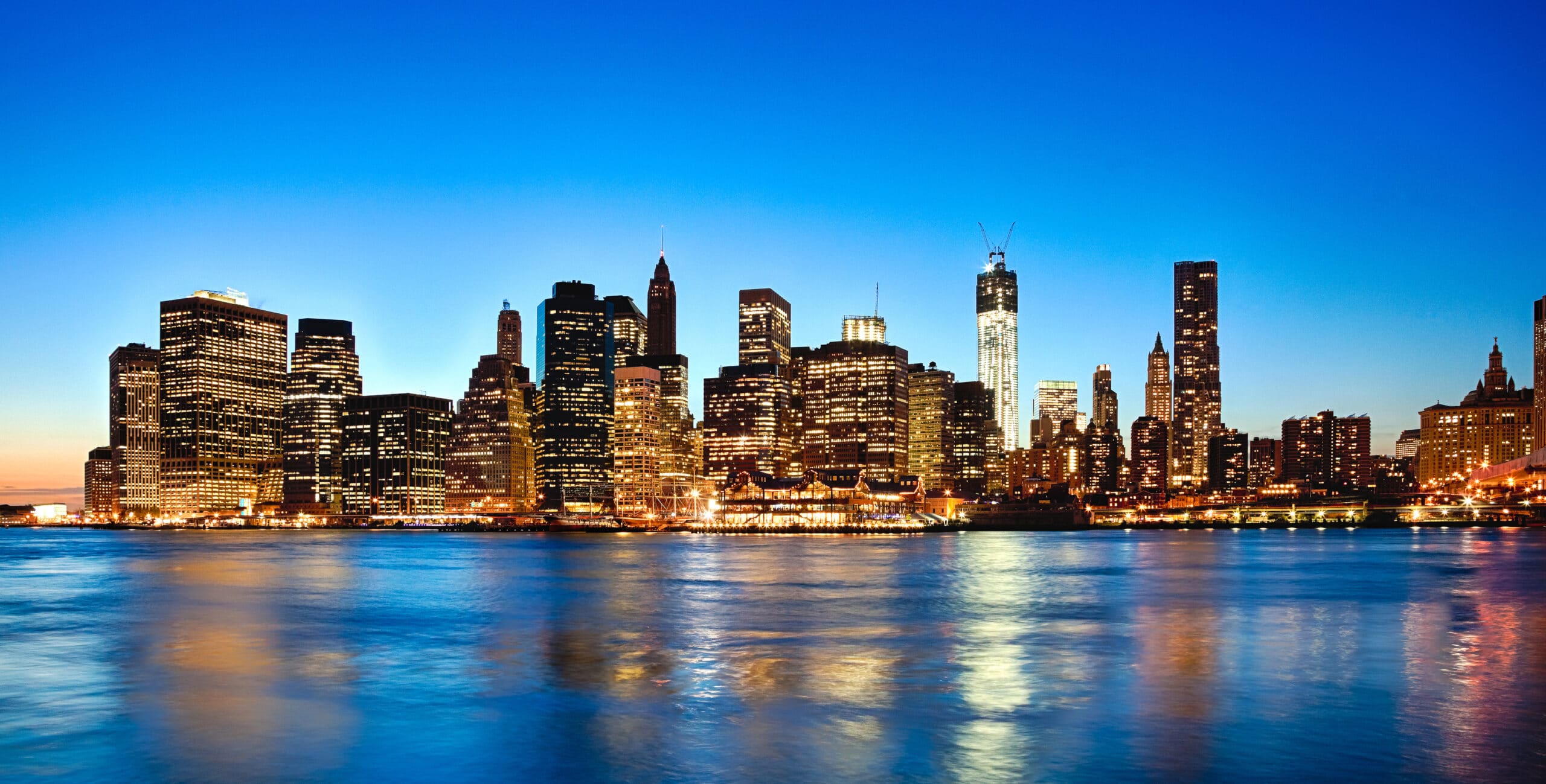
United States
On the road to the American dream…
FAQ: everything you need to know before leaving for Canada
Yes, Canada is one of the best family destinations in the world. Safety is exceptional, the tourism infrastructure is high-quality, and national parks offer programmes for children (Parks Canada Youth). The turquoise lakes of Banff, whales in British Columbia, Niagara Falls and the French culture of Quebec create unforgettable experiences at any age. The only thing to manage is the time difference (6–9 hours), which can disrupt young children during the first few days.
Canada is vast—the internal distances are considerable. 14 to 21 days is the ideal duration for a satisfying tour. 14 days allow you to cover either Quebec or the Rockies in depth, but not both comfortably without domestic flights. 21 days allow a grand tour Quebec–Ottawa–Toronto–Niagara–Vancouver–Rockies. For a Northern Lights tour in Yukon, allow at least 7–10 days dedicated to the Far North.
A rental car is essential for the Rockies—it’s the only way to experience the Icefields Parkway at your own pace. For long distances (Montreal–Vancouver = 4,600 km), domestic flights are the most efficient solution (Air Canada, WestJet). The VIA Rail train is an experience in itself—the Canadian (Toronto–Vancouver, 4 days) crosses spectacular wild landscapes, but is mainly recommended as a tourist experience, not as a fast means of transport.
Canada is one of the safest countries in the world for tourists. Crime is low, institutions are strong, and European tourists are extremely welcome. In national parks, the only “dangers” are wildlife (bears, elk, bison)—the parks’ safety rules are clear and simple to follow. Rangers are present and trails are well marked. Consult the travel advice from Luxembourg’s Ministry of Foreign Affairs before departure.
Yes, and it’s one of the most popular tours offered by Voyages Flammang. The most common combinations: Vancouver (Canada) + the US Pacific Coast (Seattle, San Francisco, Los Angeles); Canadian Rockies + Yellowstone + Grand Teton (on the US side); Montreal + Quebec + New York + New England in autumn for fall foliage. The Canada–USA border is easy to cross (eTA + ESTA required). Note that since 26 May 2025, the ESTA for the USA costs USD 21.
Canadian cuisine is a skilful blend of French (Quebec), British, Indigenous traditions and international influences. The 5 must-tries: poutine (fries, cheese curds and brown gravy—an invention from Quebec), maple syrup (enjoyed throughout Quebec, including maple taffy on snow), East Coast lobster (Nova Scotia, Prince Edward Island—among the best in the world), Pacific salmon grilled in Vancouver, and the Caeser (Canada’s national cocktail—vodka, clam and tomato juice, spices).