


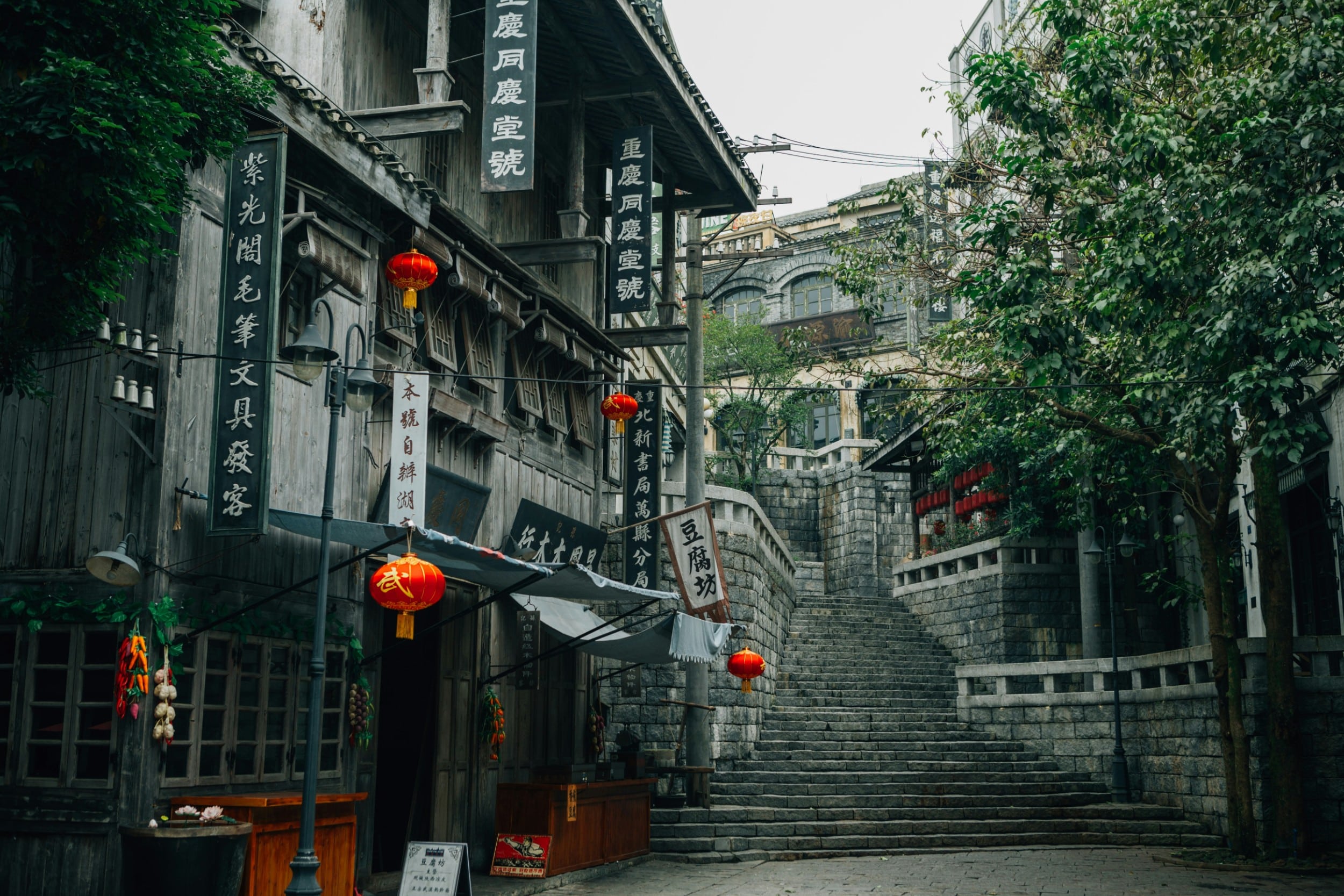
Travel and stay in China
From the Great Wall to the karst landscapes of the Li River
Feel like discovering one of the world’s oldest and most fascinating civilizations, with millennia-old monuments, breathtaking landscapes, incomparable cuisine and future-focused megacities?
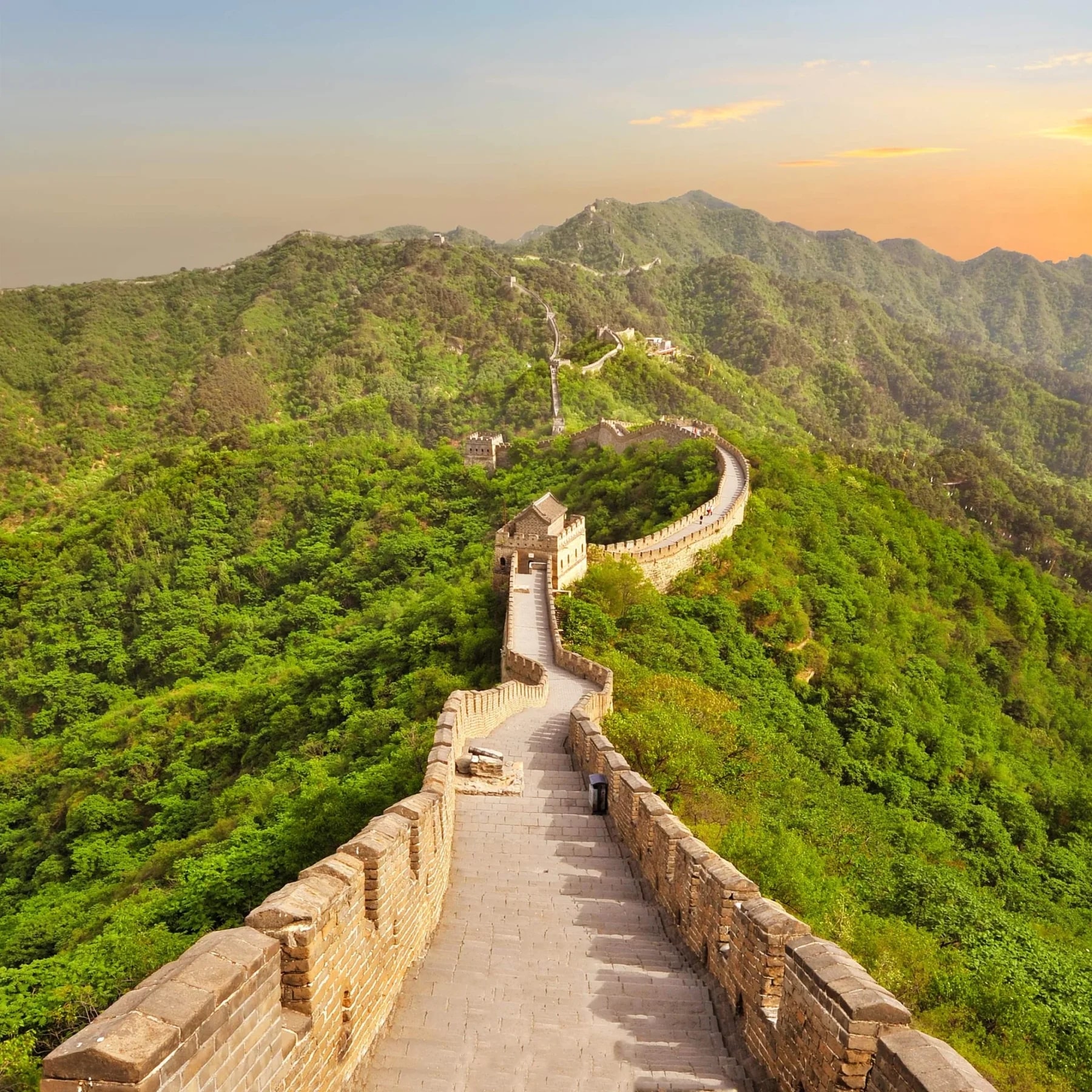
China, the Middle Kingdom, offers cultural and geographical richness unlike anywhere else on the planet. Its Great Wall—the largest human construction in history, winding for more than 21,000 km—commands awed silence. Beijing’s Forbidden City, an imperial palace with 9,999 rooms, keeps the secrets of twenty-four emperors. In Xi’an, an army of 8,000 terracotta warriors stands eternal guard. And on the Li River, among the karst mountains of Guilin, boats drift through a landscape so perfect it seems to have come straight from an ink-wash painting.
China is also revealed through its striking contrasts: the cosmopolitan frenzy of Shanghai versus the tranquility of Beijing’s hutongs; the giant pandas of Chengdu versus the skyscrapers of Pudong; the terraced rice fields of Yunnan versus the modernity of Shenzhen. The best time to travel in China is in spring (April–May) and in autumn (September–October), with ideal temperatures and often clear skies.
Voyages Flammang is here to help you design a tailor-made tour in China, from the imperial classics to off-the-beaten-track discoveries, fully adapted to your pace and your passions.
Why go to China?
Great Wall, Forbidden City, Xi’an warriors, Li River, giant pandas, extraordinary cuisine and futuristic megacities: China is one of the richest and most exotic destinations in the world, an invitation to journey through 5,000 years of civilization.
Discover our best deals for your trip to China
Ready to travel through 5,000 years of civilization between the Great Wall and the Li River?
We have selected for you our most popular tours and stays in China, designed to meet every desire: a classic Beijing–Xi’an–Shanghai itinerary, an adventure in Guilin’s landscapes, a China–Vietnam combination, a cultural getaway, or a family discovery.
Whether you’re looking for a grand cultural tour of imperial sites, an immersion in China’s natural landscapes, a honeymoon blending the East and modernity, or an off-the-beaten-track family adventure, every trip can be fully customized to your dates and budget.
Choose your package; we’ll create for you a tailor-made China tour, turnkey.

11.519 €
price per person
Along the Mekong – Aqua Expeditions
- Intimate Mekong River cruise
- Trip reserved for French-speaking passengers
- Discover Vietnam and Cambodia
10.358€
price per person
The diversity of the Far East
- 14-night cruise from Tokyo to Hong Kong
- Sailing aboard Mein Schiff 6
- Stopovers in Japan, South Korea, China and Hong Kong

£3,280
price per personThrills
Celestial China Tour
- Guaranteed departures from 2 participants
- Direct flights Brussels–Beijing and Shanghai–Brussels
- Local French-speaking guides
When to go to China?
China is a vast country with very diverse climates depending on the region. Taking Beijing and the north as a reference, two main seasons clearly stand out for a pleasant trip.
April–May & September–October – The ideal seasons
Spring (April–May) and autumn (September–October) are the best times to travel in China. Temperatures are pleasant (15–25°C), skies are relatively clear, and tourist sites are accessible in the best conditions. October is particularly spectacular with autumn foliage on the Great Wall.
Summer (June–August) – Hot, humid, and very busy
Summer brings high temperatures (30–38°C in Beijing), high humidity, and frequent rain. It’s also China’s peak tourist season, with maximum crowds at all major sites. Southern China and Guilin are particularly rainy from May to September.
Winter (December–February) – Cold but less crowded
Winter is cold and dry in the north (Beijing can drop below -10°C). Sites are far less crowded and prices are lower. A light snowfall on the Great Wall creates exceptional images. The south (Guilin, Yunnan) remains mild and pleasant in winter.
Beijing / Beijing
| Jan | Feb | March | April | Mai | June | July | Aug | Sept | Oct | Nov | Dec | |
|---|---|---|---|---|---|---|---|---|---|---|---|---|
| Our opinion | ||||||||||||
| Season | ||||||||||||
| Tourist peak | ||||||||||||
| T° max | 2°C | 5°C | 12°C | 21°C | 27°C | 31°C | 31°C | 30°C | 25°C | 17°C | 7°C | 1°C |
| Rainy days | 2 d | 2 d | 3 d | 5 d | 7 d | 12 d | 18 d | 15 d | 7 d | 4 d | 3 d | 2 d |
| Hiking |
Where to go in China? Must-see destinations and sites
Beijing – the imperial capital of the Middle Kingdom
Beijing (Beijing) is the historical and political soul of China. The Forbidden City, one of the largest palaces in the world, dominates Tiananmen Square with its imperial majesty intact. The Temple of Heaven, a masterpiece of Ming architecture, the hutongs (traditional alleys) of the Nanluoguxiang area, and the hill in Jingshan Park — a panorama over the Forbidden City’s golden roofs — complete this capital of many faces and endless treasures.
Ideal for:
- Forbidden City and Tiananmen Square
- Great Wall (Mutianyu, Jinshanling)
- Temple of Heaven and Nanluoguxiang hutongs
Don’t miss:
- sunset from Jingshan Hill
- Summer Palace and its Kunming Lake
- Peking duck at Quanjude restaurant
Xi’an – the Terracotta Warriors and the Silk Road
Former capital of thirteen imperial dynasties and the starting point of the Silk Road, Xi’an is a city of exceptional historical richness. Its main attraction, the Terracotta Army of Emperor Qin Shi Huang (221 BC), brings together 8,000 life-size sandstone soldiers, each unique in its features. Xi’an’s old town, surrounded by its intact Ming walls, is home to a Muslim Quarter (Huimin) with unforgettable street-food aromas.
Perfect for:
- Terracotta Army — a must-see
- Ming walls and the Bell Tower
- Huimin Muslim Quarter and street food
A must-do experience:
- a bike ride along the city walls at sunset
- sound-and-light show at the Bell Tower
- Shaanxi History Museum
Shanghai – a metropolis between the colonial Bund and futuristic Pudong
Shanghai is China’s most cosmopolitan city and one of the most dynamic in Asia. The Bund, an iconic waterfront promenade lined with Art Deco buildings from the International Settlement, offers a striking face-off with the dizzying towers of Pudong. The Tianzifang district, a maze of alleyways with artists’ studios and trendy cafés, and the Yuyuan Gardens reveal historic Shanghai. The view over the world from the Shanghai Tower (632 m) is an unforgettable moment.
Ideal for:
- strolling along the Bund and views of Pudong
- the Tianzifang district and the French Concession
- the Yuyuan Gardens and the Old City bazaar
To discover:
- views from the Shanghai Tower (632 m)
- Shanghai Museum and contemporary art galleries
- silk market and luxury shopping
Guilin & Yangshuo – the karst landscapes of the Li River
The Guilin region, in Guangxi, offers one of the world’s most famous natural landscapes: hundreds of limestone peaks with improbable shapes emerging from the mist above the Li River. The cruise between Guilin and Yangshuo (4 hours by boat) is the most contemplative and memorable experience of any trip to China. This landscape, printed on the 20-yuan banknote, has inspired countless Chinese ink painters.
For travelers looking for:
- a cruise on the Li River between Guilin and Yangshuo
- biking or scooter rides through the Yangshuo countryside
- climbing the karst peaks (a world-renowned site)
Not to be missed:
- cormorant fisherman at sunset
- Elephant Trunk Hill in Guilin
- Yangshuo night market
Chengdu & pandas – the capital of Sichuan
Chengdu, capital of Sichuan Province, is China’s most laid-back and most food-loving city. The Giant Panda Research and Breeding Center offers the most heart-melting encounter of the trip—dozens of giant pandas living in semi-freedom in a lush park. Sichuan cuisine—spicy, aromatic, and incomparable—can be explored in the restaurants on Jinli Street and at local markets.
For travelers looking for:
- meeting giant pandas
- Sichuan cuisine — Sichuan hot pot (Hot Pot)
- laid-back lifestyle in the teahouses
To discover:
- Jinli Street and the old districts of Chengdu
- excursion to Leshan (Giant Buddha, 71 m)
- Jiuzhaigou site (multicoloured lakes, 4 hours from Chengdu)
Which trip to China is right for you?
China lends itself to every travel style: a grand historical tour between Beijing, Xi’an and Shanghai, exploration of the natural landscapes of Guilin and Zhangjiajie, cultural immersion in hutongs and traditional villages, or a foodie adventure from Sichuan cuisine to Beijing cooking.

Family trip – discoveries and wonder in China
China is an extraordinary destination for families curious about the world. The pandas of Chengdu delight children, the warriors of Xi’an fascinate young and old, and the cruise on the Li River in Guilin amazes all ages. Temples, hutongs to explore by cycle rickshaw, and cuisine to discover create unforgettable travel memories for the whole family.
You will especially enjoy:
- meeting Chengdu’s giant pandas
- Xi’an’s Terracotta Army
- cycle-rickshaw ride through the hutongs

Couples’ trip – imperial romance & a complete change of scenery
China is wonderfully suited to a romantic trip: sunrise on the Great Wall in absolute silence, a candlelit dinner in a Beijing hutong restaurant, a sunset cruise on the Li River among Guilin’s karst peaks, a stay in a boutique hotel in Shanghai’s former French Concession, and a getaway to the ancient villages of Yunnan amid golden rice terraces.
To experience as a duo:
- sunrise on the Great Wall
- private boat cruise on the Li River
- dinner in a historic Beijing hutong

Trip with friends – grand tour & Chinese adventures
With friends, China is meant to be devoured: hiking on the Great Wall between watchtowers, a nighttime exploration of Beijing’s hutongs by bike, spicy cuisine at Chengdu Hot Pot, rock climbing on the karst peaks of Yangshuo, evenings in the bars on the Bund in Shanghai, a trek through the terraced rice fields of Yunnan and meeting ethnic minorities. China is a vast playground for curious groups.
Not to be missed:
- hiking on the Great Wall between the towers
- Hot Pot and Sichuan cuisine in Chengdu
- climbing the karst peaks in Yangshuo
Practical tips for your trip to China
China is the world’s most populous country with 1.4 billion inhabitants, and has the largest army in the world. It invented paper, printing, gunpowder and the compass — the four great inventions that changed human history. The Chinese character 囧 (jiǒng), which looks like an expressive face, has become China’s most popular emoji on social media.
Luxembourg nationals need a Chinese tourist visa (Type L), to be requested from the Chinese Embassy in Luxembourg or Paris. Processing time: 2 to 4 weeks before departure. A passport valid for 6 months is required. China has developed a visa-exemption program for certain nationalities for short stays (72h or 144h transit) — check with our advisors for the latest rules in force.
The official currency is the Renminbi (RMB), whose main unit is the yuan (CNY). China is a largely cashless society: Alipay and WeChat Pay dominate payments, including with street vendors. Western bank cards (Visa, Mastercard) are accepted in major hotels and some shops. Bring some cash in yuan for markets, local transport and rural areas.
China blocks Google, WhatsApp, Instagram, Facebook and most Western services (the “Great Firewall”). To access these services, you will need a VPN (Virtual Private Network) to install before your departure from Luxembourg — it is very difficult to set it up from within China. Buy a local SIM card on arrival for data. WeChat is the universal app on the ground.
China has the world’s densest high-speed rail (TGV/CRH) network — fast, punctual and very comfortable. A Beijing–Shanghai ticket costs around €50–80 for a 4h30 journey. For longer distances (Guilin, Chengdu), there are inexpensive domestic flights. In cities, the metro is modern, clean and affordable. Taxis and DiDi (Chinese Uber) round out local transport.
China is on UTC+8, i.e. +6h in summer time and +7h in winter time compared with Luxembourg. Allow 10 to 13 hours of flight time from Paris or Frankfurt to Beijing or Shanghai (depending on stopover). China does not observe daylight saving time — the entire country uses a single time zone, even though geographically it should span 5.
China is generally a very safe destination for tourists — violent crime is rare. Recommended vaccinations include hepatitis A and B, and the usual boosters. Never drink tap water (bottled only). Air pollution (smog) can be an issue in Beijing and Shanghai in winter — bring masks if you are sensitive to it. Your European Health Insurance Card is not valid in China.

Create your dream trip to China now
The Great Wall, the Forbidden City, Guilin’s Li River and Chengdu’s giant pandas are waiting for you.
We design a tailor-made tour in China for you, fully adapted to your dates, your budget and your passions for the Middle Kingdom.
Also discover our other destinations in Asia
Want to extend the adventure after China?
Our experts have selected for you the most beautiful destinations in Asia, perfect to combine with your tour in China: the Angkor temples in Cambodia, Halong Bay and Hội An in Vietnam, the temples of Bagan in Myanmar, the rice terraces of Bali or Tokyo and Kyoto in Japan. Let yourself be inspired for a great tailor-made Asian adventure.
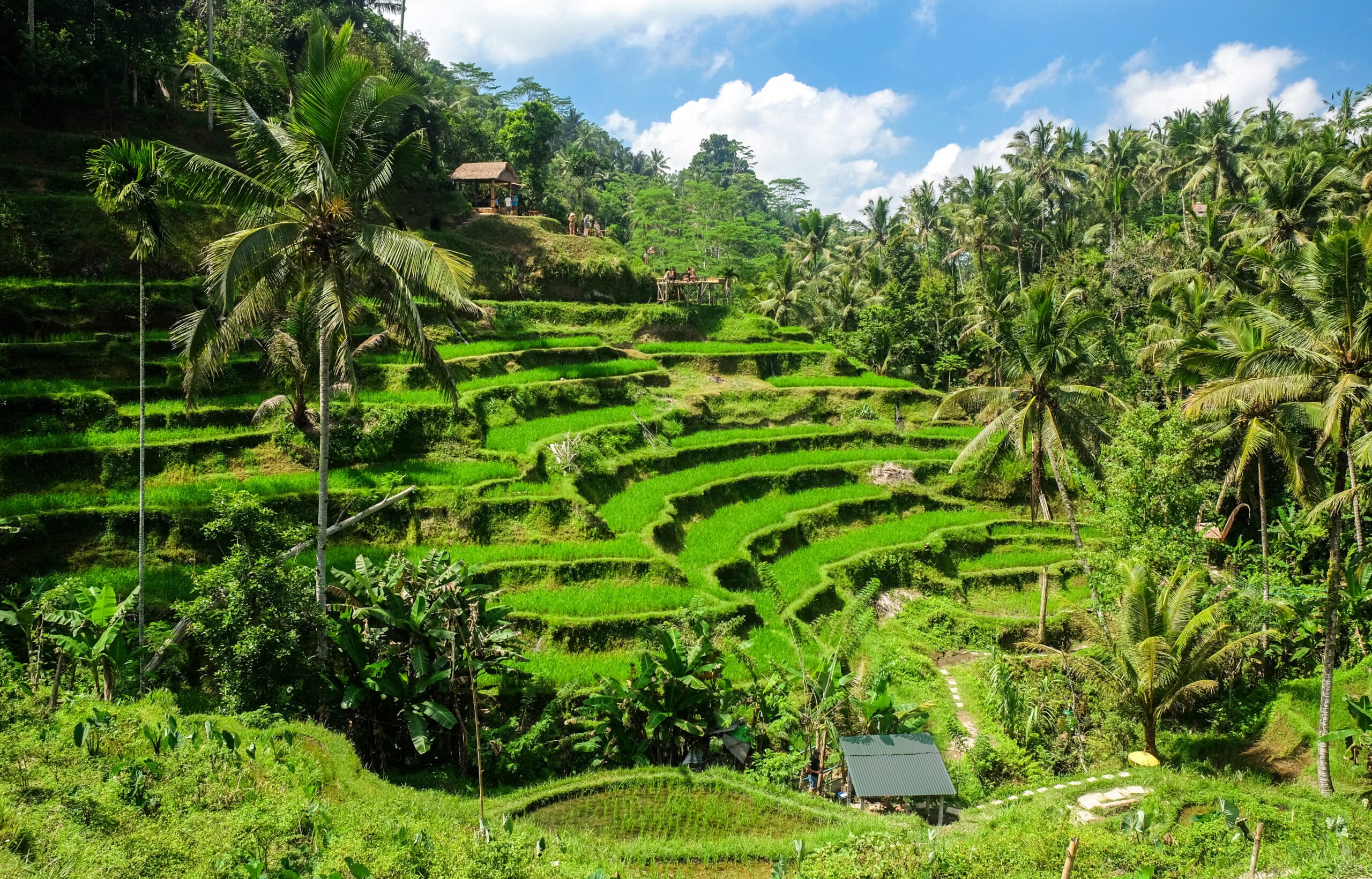
Bali
Between rice paddies, volcanoes and lagoons, serenity becomes an island
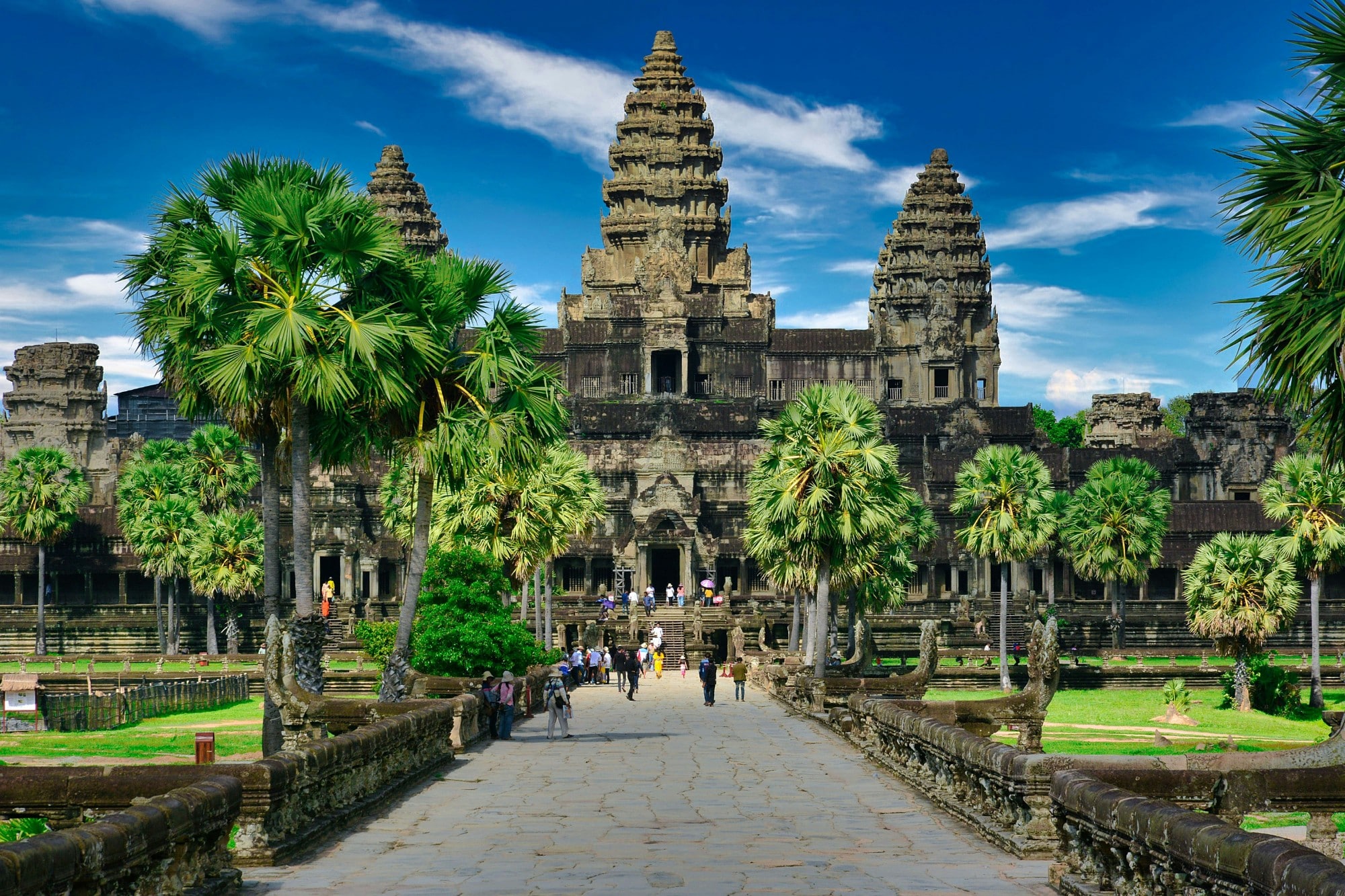
Cambodia
An eternal kingdom between rice fields and ruins
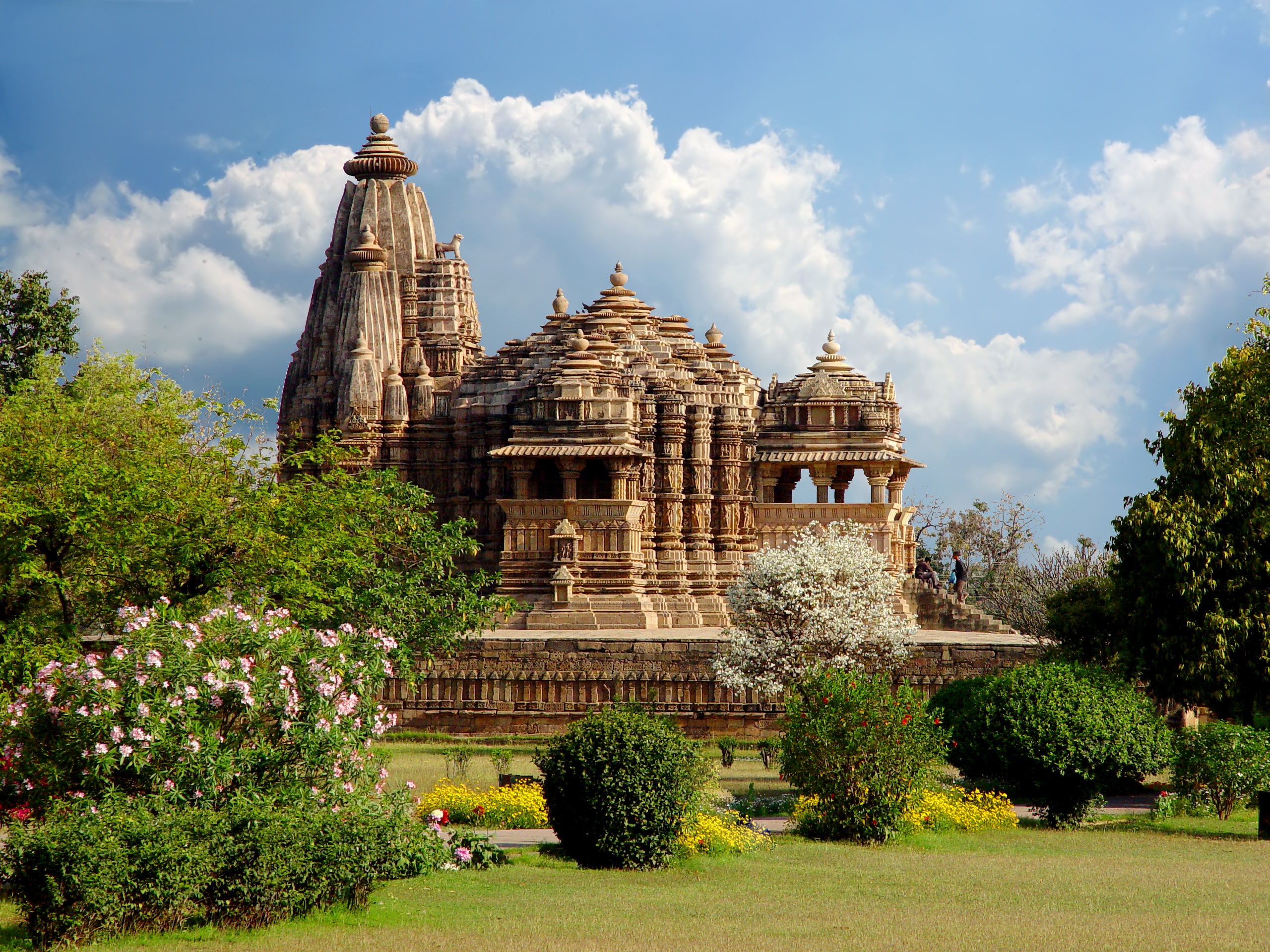
India
A world of colours, scents and spirituality

Japan
Experience the harmony between temples and skyscrapers
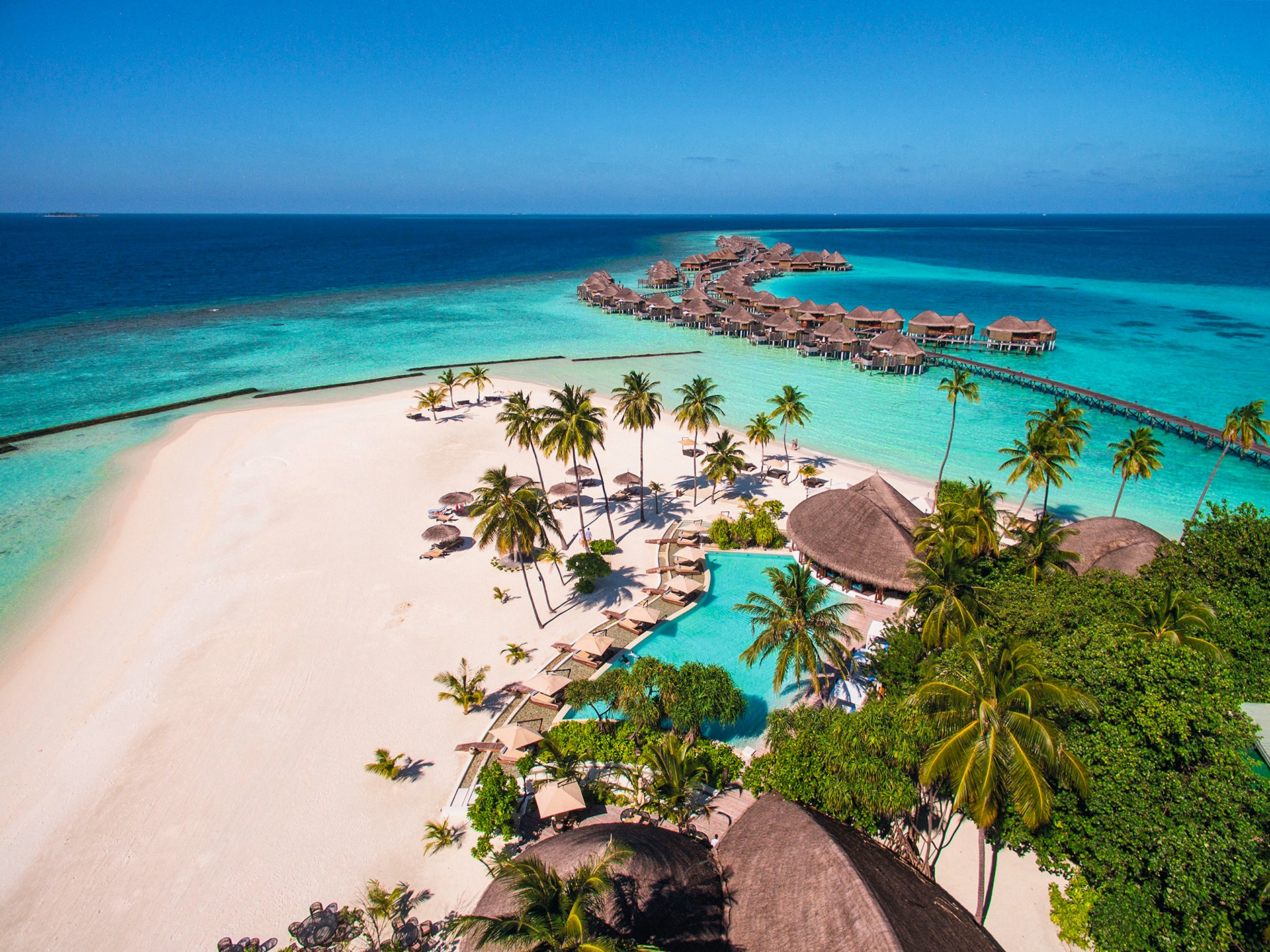
Maldives Islands
A turquoise jewel at the end of the world
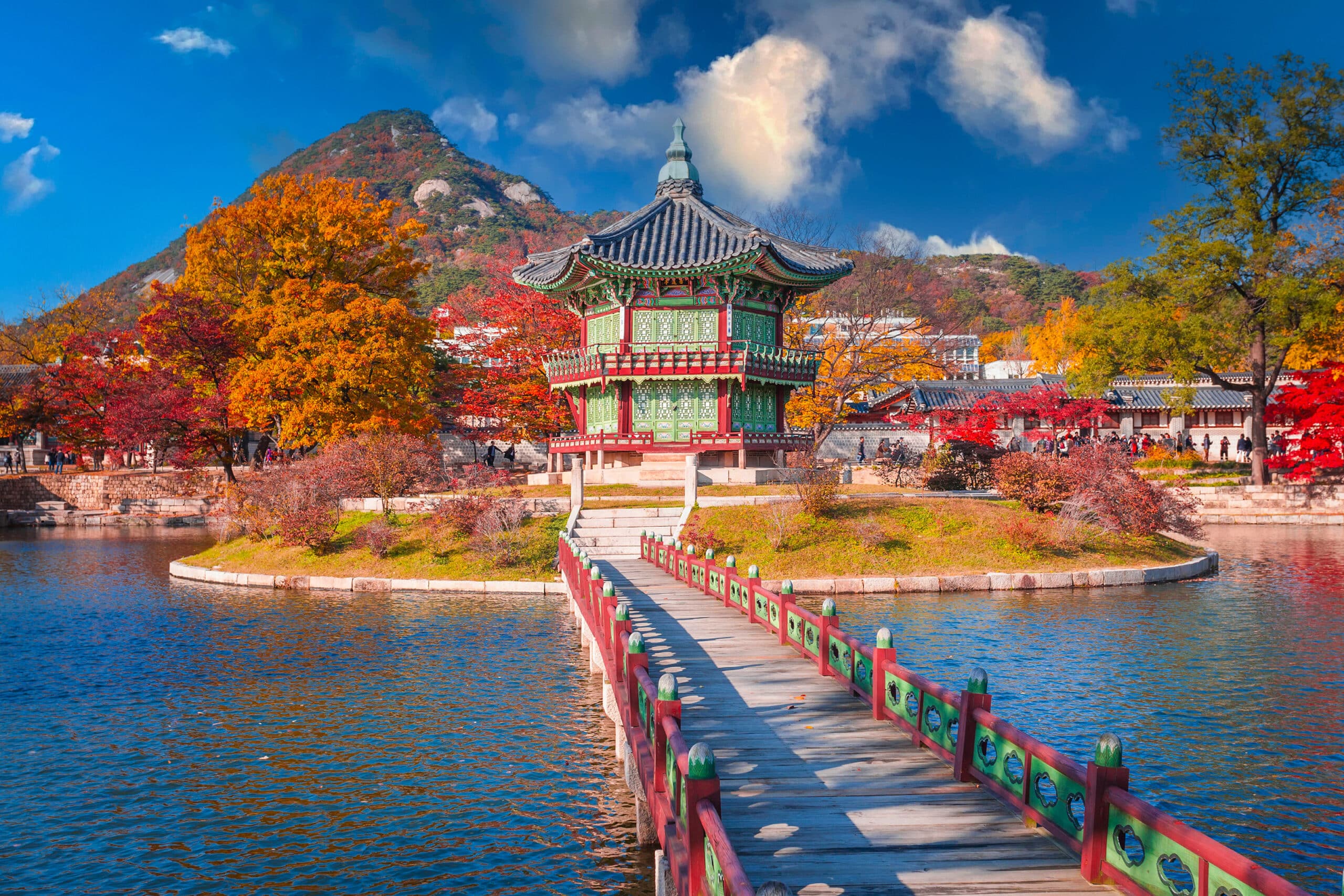
South Korea
Between ancient rituals and urban beats
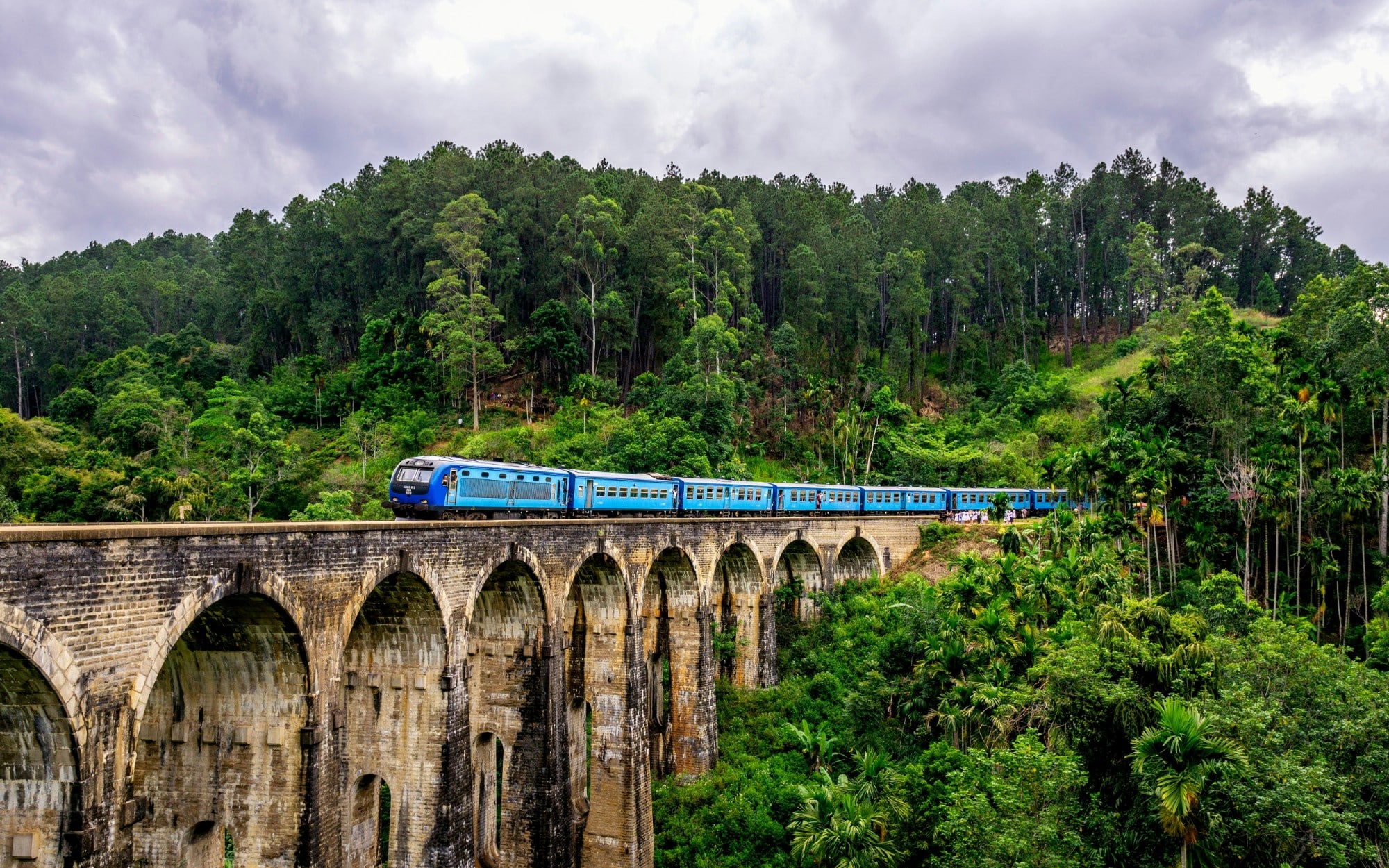
Sri Lanka
A jewel of Asia where nature and spirituality unite
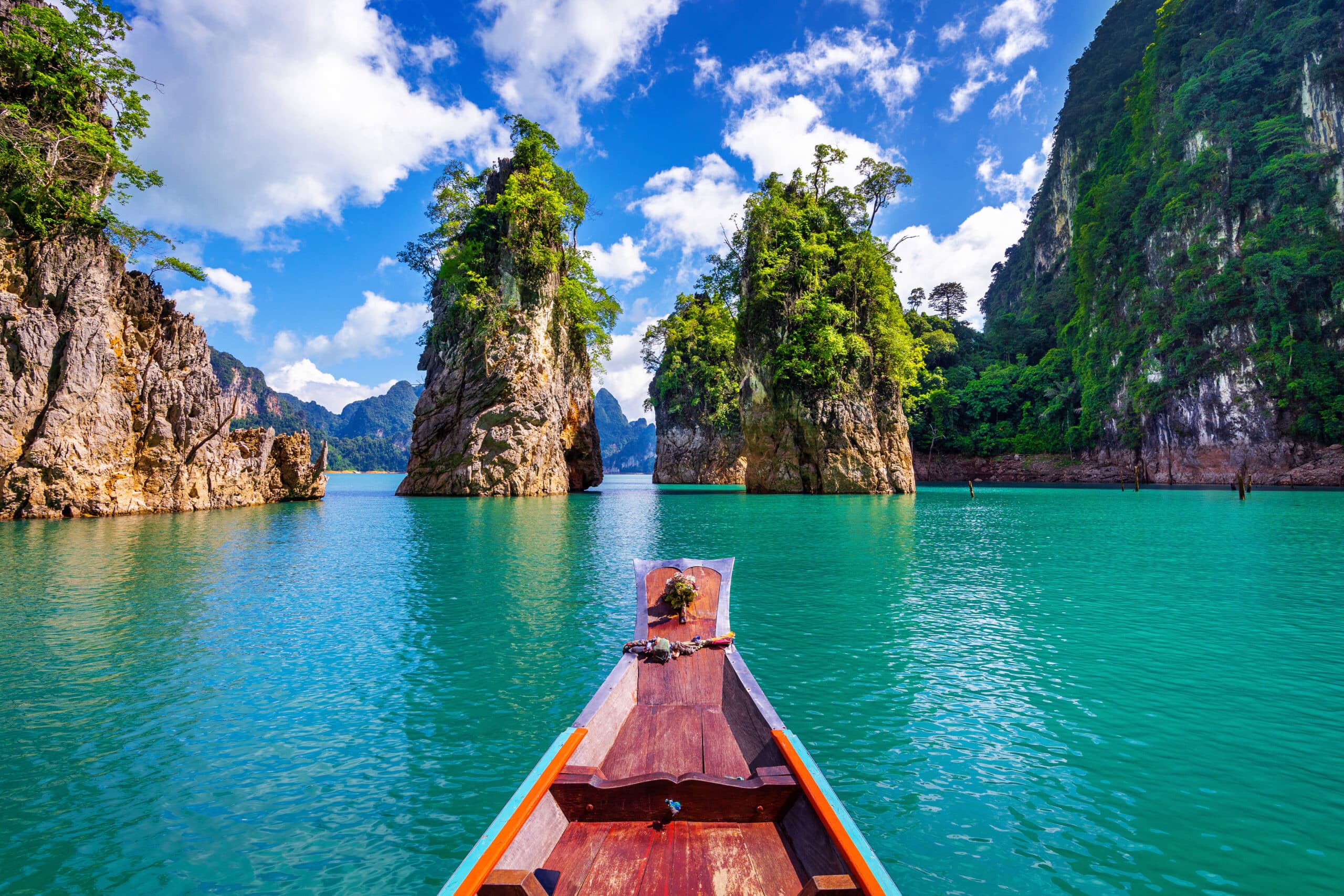
Thailand
Between golden temples and azure lagoons.
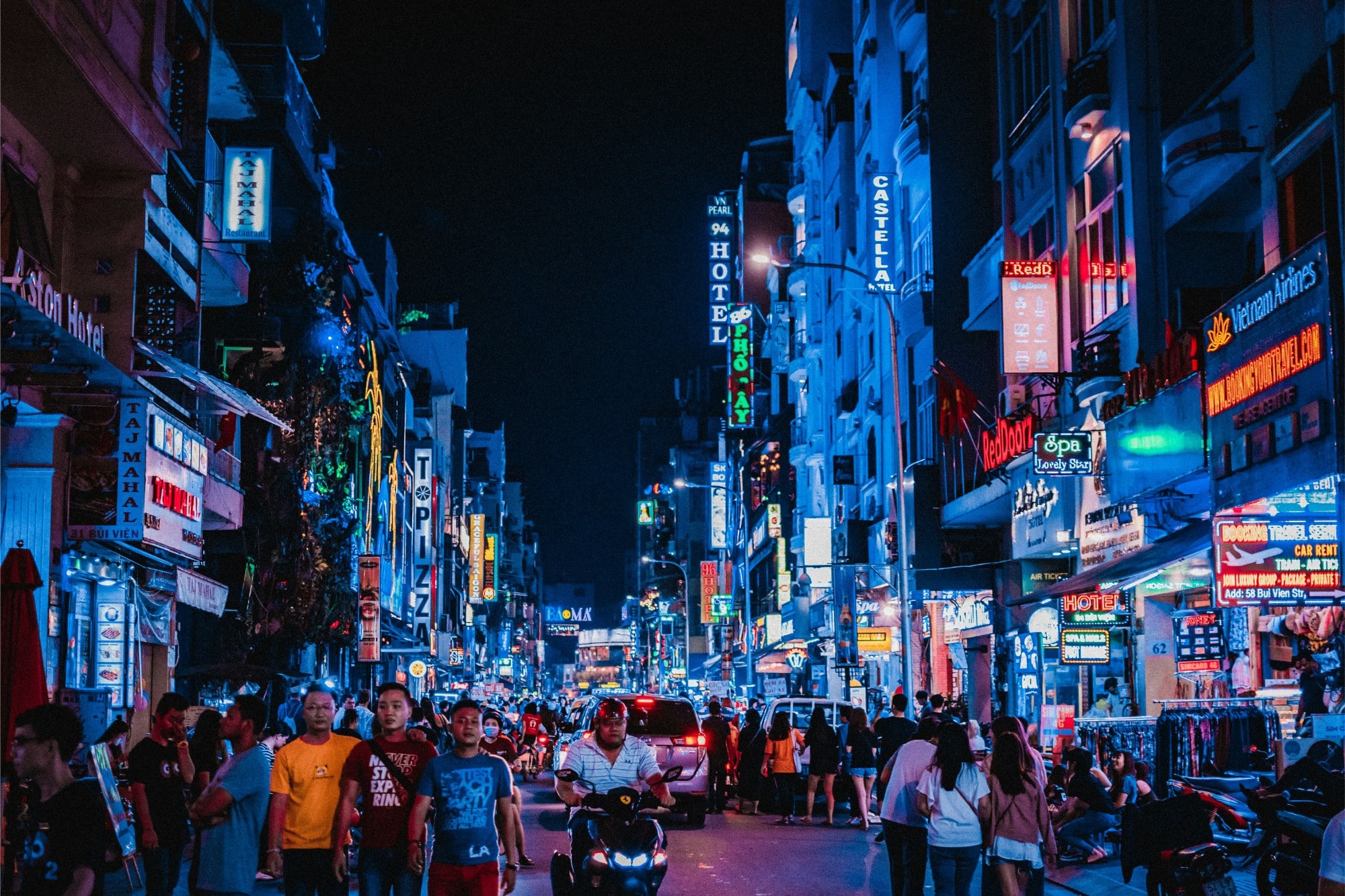
Vietnam
Between rice paddies, bays and mountains
FAQ: everything you need to know before leaving for China
Start by applying for your Chinese tourist visa (Type L) at the Chinese embassy 2 to 4 weeks before departure. Install a VPN on your phone before you leave (Google, WhatsApp and Instagram are blocked). Choose your season: April-May or September-October for ideal conditions. Our Flammang advisors build your tailor-made itinerary with transfers, hotels, French-speaking local guides and activities.
Allow at least 10-12 days for the classic itinerary Beijing (3 days) – Xi’an (2 days) – Shanghai (2 days). Add 3-4 days for Guilin and Yangshuo, or Chengdu with the pandas. A 3-week trip lets you explore China in greater depth by adding Zhangjiajie, Yunnan or a cruise on the Yangtze. China is vast — you’ll need to make choices based on your priorities.
The best times are spring (April-May) and autumn (September-October), with pleasant temperatures and favourable weather. Avoid the Golden Week around 1 October (National Day) and Chinese New Year (January-February) — transport and sites are crowded. Winter is ideal for visiting the Great Wall under snow, but the cold is intense in Beijing.
China can be complex to visit on your own: the language barrier is real (few English speakers outside major hotels), signage is often only in Chinese, and getting around without access to Google Maps is difficult. A tour with a French-speaking local guide, or at minimum an organised trip with accommodation and transfers booked, makes travel much easier. Our Flammang advisors offer different levels of support.
Expect around €2,000 to €3,500 per person for 12 days (flights from Luxembourg, 4-star hotels, French-speaking guide, high-speed train). China is a fairly affordable destination: meals in local restaurants cost €5-15, domestic transport is inexpensive (Beijing-Shanghai high-speed train: approx. €60) and site entry fees are moderate (Forbidden City: €15, Xi’an warriors: €24).
Yes, China combines easily with Japan (Shanghai-Tokyo flight in 3h), Vietnam (Guangzhou-Hanoi or Ho Chi Minh flight), or Cambodia (via Bangkok). A 3-week China-Vietnam combination is one of our most popular itineraries. Our Flammang advisors regularly create tailor-made multi-country itineraries to optimise your time and budget.
Chinese cuisine offers many vegetarian options, especially in Buddhist temples and specialised restaurants. However, communicating dietary requirements can be complex: many “vegetarian” dishes contain meat stock or oyster sauce. Our French-speaking local guides can help you navigate menus and identify restaurants suited to your dietary needs.
See your doctor or a vaccination centre before departure. Recommended vaccinations: hepatitis A and B, typhoid, rabies (long stays). Air pollution can be an issue in Beijing and Shanghai in autumn-winter — bring FFP2 masks. Never drink tap water. Your European Health Insurance Card is not valid in China: take out comprehensive travel insurance covering medical expenses and repatriation.