


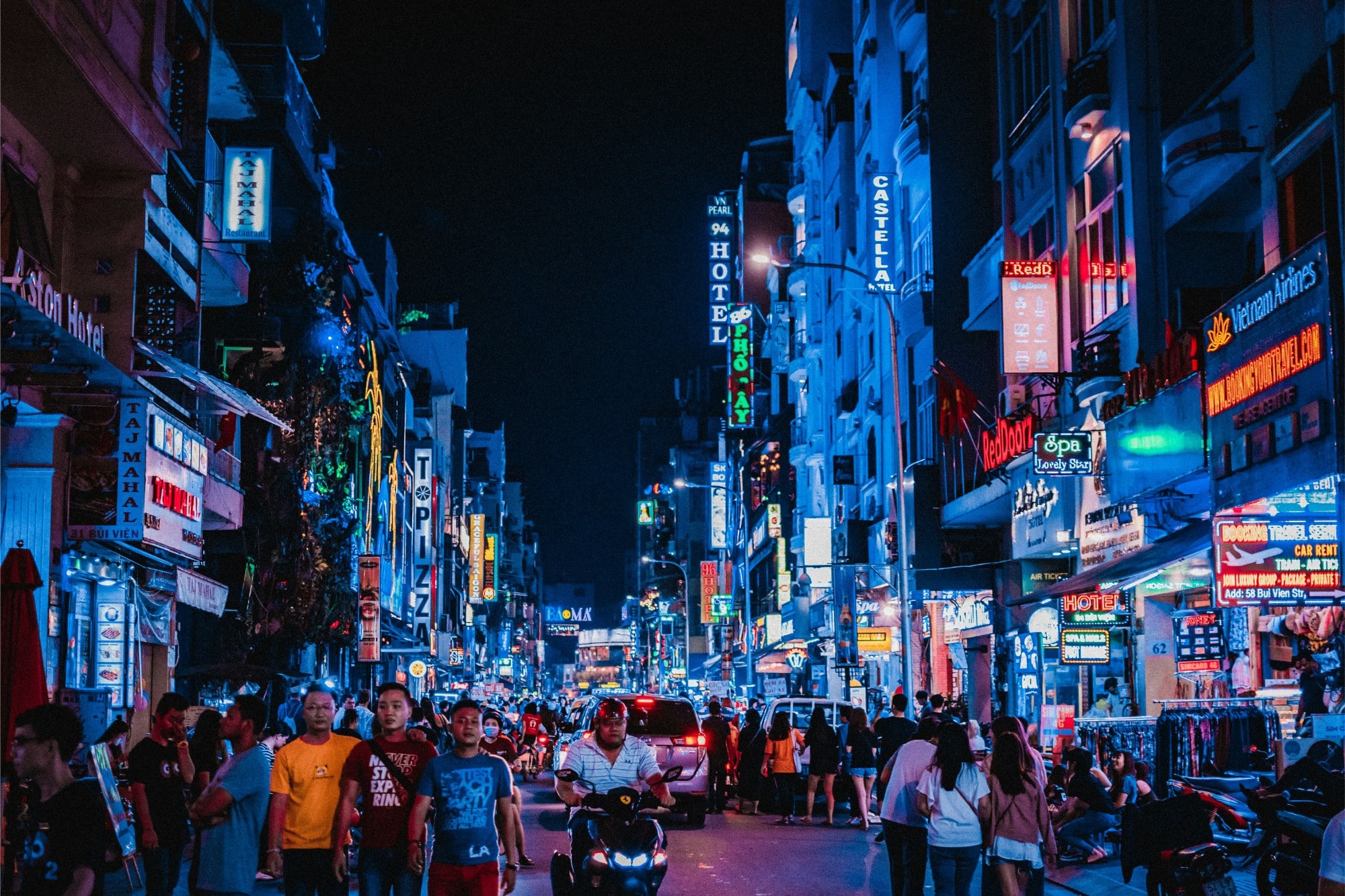
Travel and tours in Vietnam
Between rice paddies, karst bays, lanterns and the Mekong
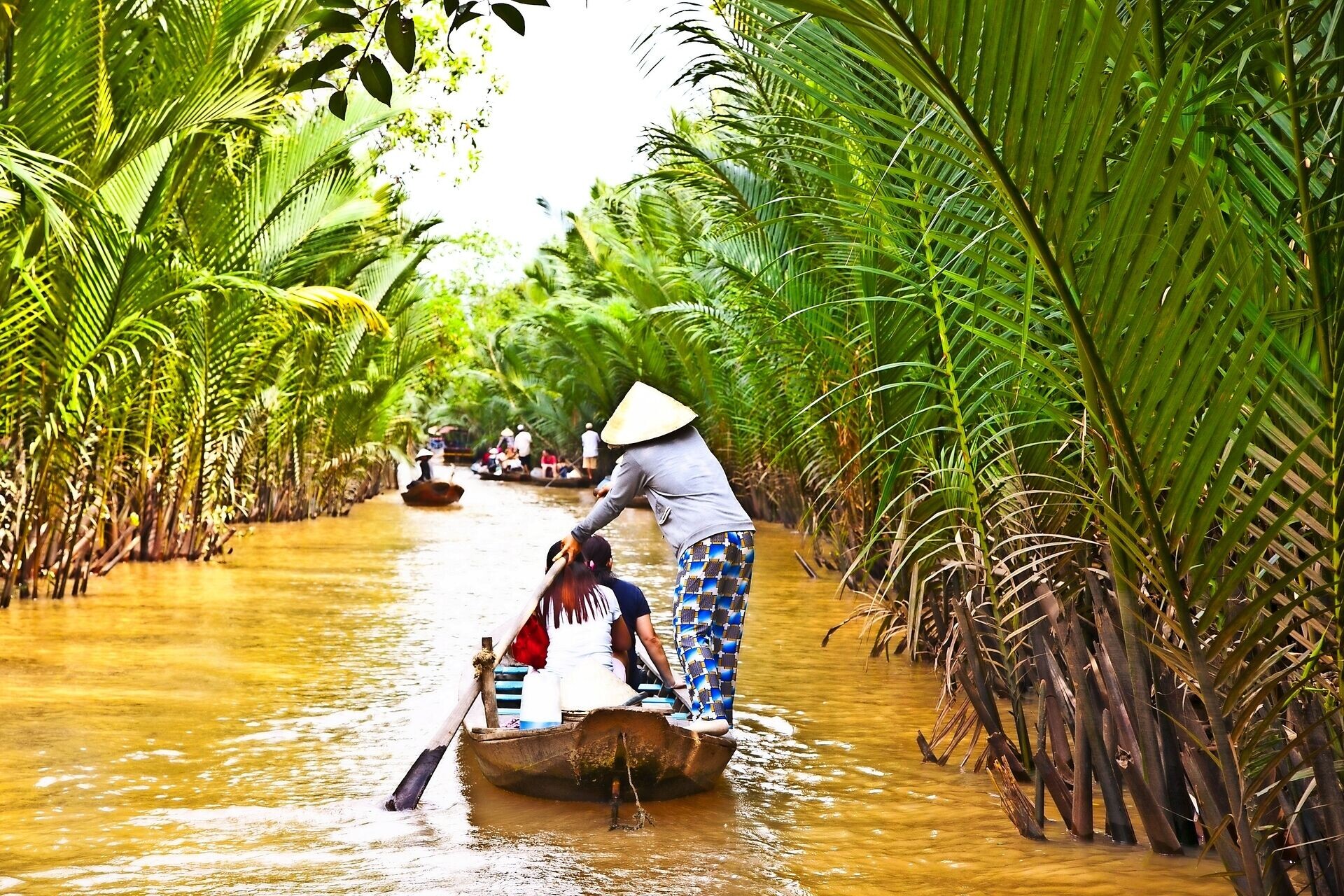
Fancy cruising at dusk among the karst peaks of Ha Long Bay aboard a junk boat, getting lost in the old town of Hội An lit up by hundreds of colorful lanterns, walking alongside Sapa’s golden terraced rice fields, or exploring the floating markets of the Mekong Delta from a motorboat?
The Vietnam is one of the most fascinating and contrasting destinations in Southeast Asia. This S-shaped country, stretching 1,650 kilometers from north to south, unfolds a succession of extraordinary landscapes, cultures and flavors found nowhere else: Ha Long Bay, a UNESCO World Heritage site, with its 1,969 karst islets rising from the emerald waters of the South China Sea; the old town of Hội An (UNESCO) and its 15th-century spice merchant houses glowing with thousands of silk lanterns at sunset; the terraced rice fields of Sapa and Mu Cang Chai tracing perfectly geometric curves on the slopes of the Northwest mountains; and the Mekong Delta with its floating markets where vendors bargain aboard sampans piled high with fruit and vegetables.
Vietnam also boasts an exceptionally rich cuisine: Hanoi’s Pho soup served on the street from dawn, Bánh mì (filled Vietnamese baguettes) inherited from French colonization, fresh spring rolls from Hội An, crispy Central-region Bánh xèo pancakes, Vietnamese iced coffee — every region of the country has its own specialties, and eating local is a continuous culinary adventure.
Voyages Flammang will help you design a tailor-made tour in Vietnam, from the great classic Hanoi–Ha Long–Hội An–Saigon to extensions to Sapa’s rice terraces, the Mekong Delta or Phú Quốc Island, fully adapted to your pace from Luxembourg.
Why go to Vietnam?
UNESCO-listed Ha Long Bay, Hội An’s old town with its thousand lanterns, Sapa’s terraced rice fields, the Mekong Delta and some of Asia’s most delicious cuisine: Vietnam is a destination of exceptional richness, easy to reach and surprisingly affordable from Luxembourg.
Discover our best Vietnam tour deals
Ready to live the Vietnam experience — lanterns, karsts, rice paddies and the Mekong?
We have selected for you our most popular tours and stays in Vietnam, designed to reveal the best of this fascinating country: the great classic North–Central–South (Hanoi, Ha Long, Hội An, Saigon), the Sapa rice-terrace extension, the Mekong Delta tour, or the Vietnam–Cambodia combination.
Whether you dream of a 12- to 15-day discovery tour from North to South, a family trip with a traditional junk cruise on Halong Bay, a gastronomic getaway focused on Hanoi and Hội An, or a combined Vietnam–Cambodia–Thailand itinerary, every route is fully tailored to your wishes.
Choose your package and we will create a tailor-made Vietnam tour for you, turnkey from Luxembourg.
€3,382
price per person
EXPERIENCES – Private tour in Vietnam
- Hanoi – Mai Chau – Hang Kia – Ninh Binh – Halong – Hue – Danang – Hoi An – Ho Chi Minh City
- Authentic encounters
- Charming accommodation & an exceptional cruise
€1,275
price per person
Vedana Lagoon Resort & Spa

- Resort 5 étoiles en bord de lagon entre Hué et Hoi An.
- 95 chambres et villas dans un domaine naturel de 27 hectares.
- Bungalows sur l’eau, présentés comme les premiers du Vietnam.
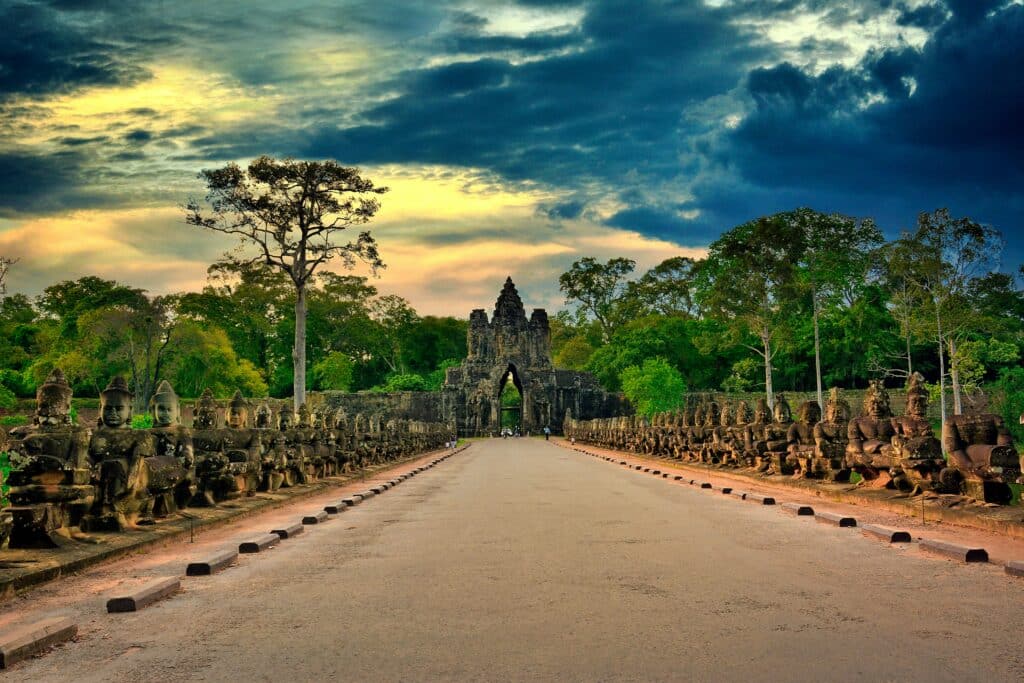
€6,595
price per person
Cambodia & Vietnam: Zannier Collection
- Overnight stays in charming establishments
- Discovering the temples of Angkor
- Cambodian and Vietnamese gastronomic experiences
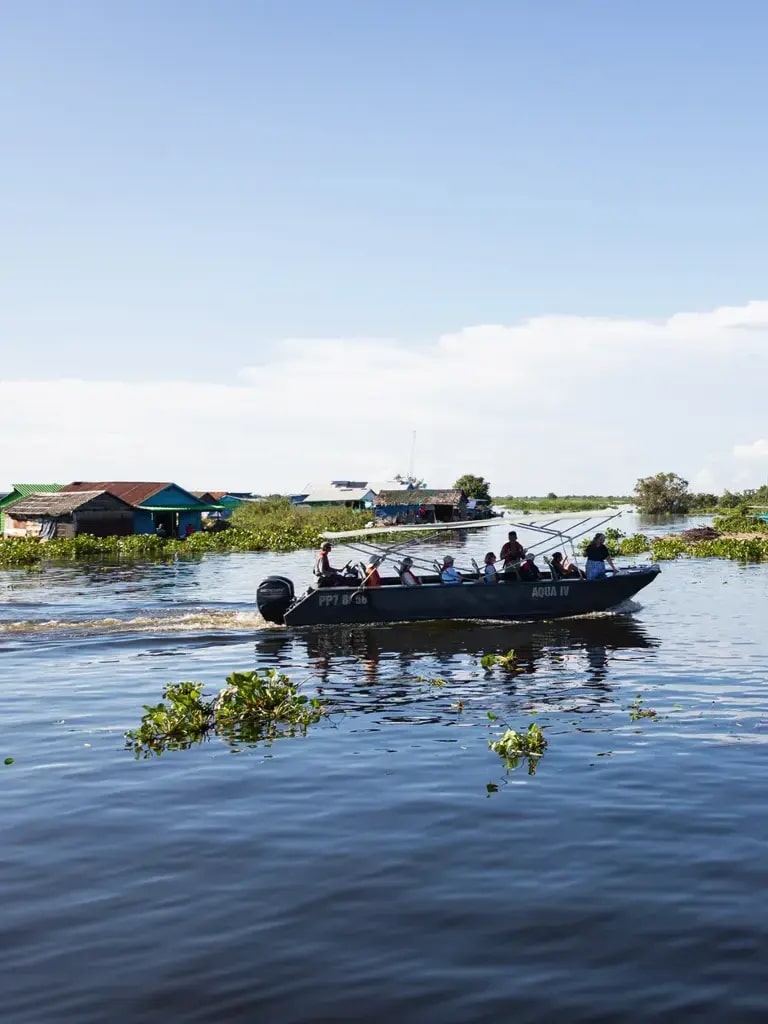
11.519 €
price per person
Along the Mekong – Aqua Expeditions
- Intimate Mekong River cruise
- Trip reserved for French-speaking passengers
- Discover Vietnam and Cambodia
Nos voyages organisés – ULT
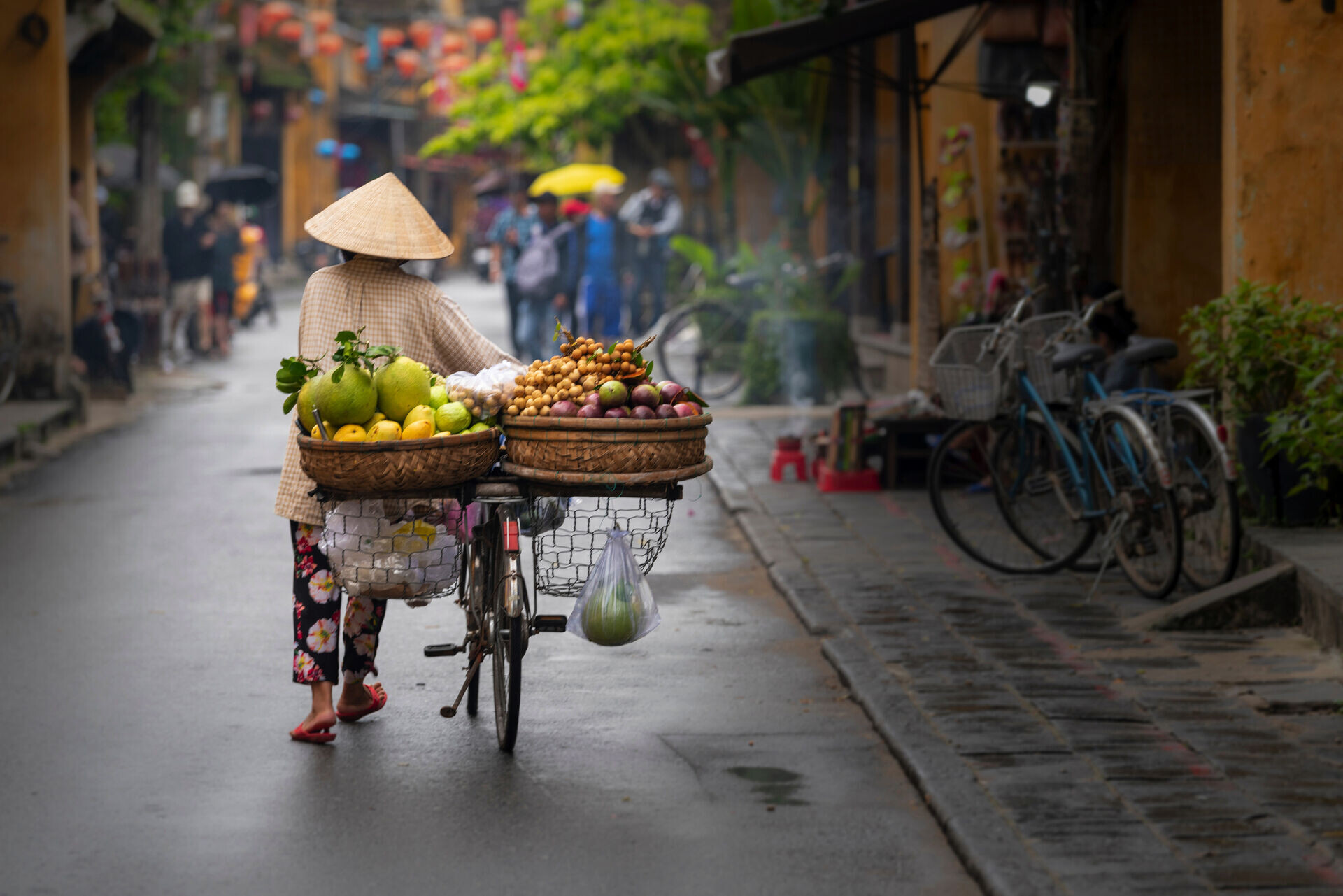
4995€
price per person
Du delta du Mékong aux temples d’Angkor
- 3 villes historiques : Hô Chi Minh-Ville, Phnom Penh et Siem Reap
- Excursions incluses
- Unique et inoubliable : navigation dans le canal Chao Gao
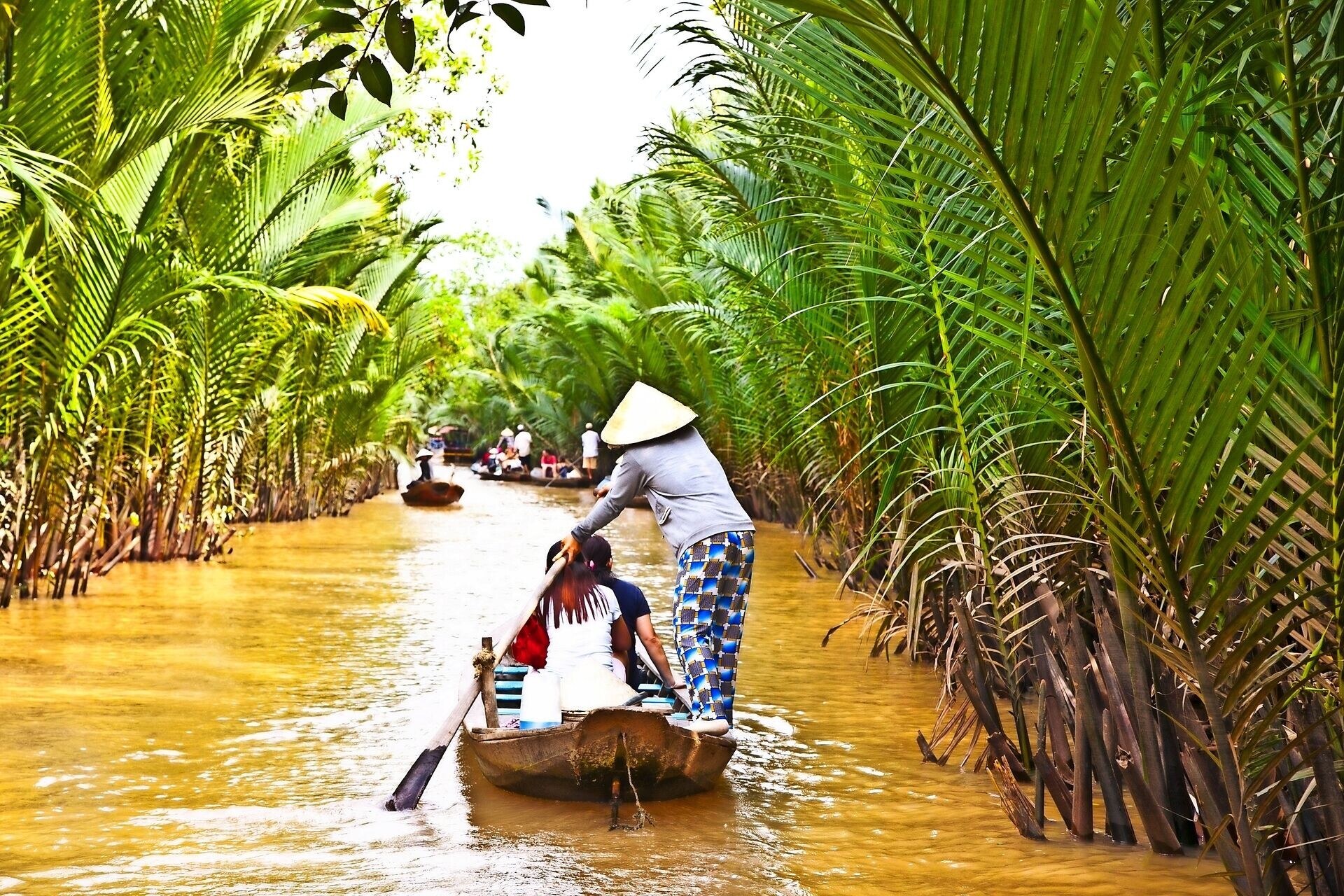
5495€
price per person
Le Mékong
- Temples d’Angkor Wat
- Croisière du Vietnam au Cambodge
- Les hauts lieux culturels de l’Asie du Sud-Est : découverte des villes historiques de Saigon, Phnom Penh et Angkor
5495€
price per person
Strom des Mekong
- Tempelanlagen von Angkor Wat
- Kreuzfahrt von Vietnam nach Kambodscha
- Kulturelle Höhepunkte Südostasiens: Entdeckung der historischen Städte Saigon, Phnom Penh und Angkor

3145€
price per person
Zauberhaftes Vietnam
- Metropolen Hanoi, Ho Chi Minh
- Halong Bucht
- Mekong Delta

3450€
price per person
Le Vietnam enchanteur
- Métropoles Hanoi, Ho Chi Minh
- Baie d’Halong
- Delta du Mékong
When to go to Vietnam?
Vietnam stretches over 1,650 km from North to South, which gives it several distinct climate zones. The weather in Hanoi is very different from that in Ho Chi Minh City, and there is no universally ideal season for the whole country at the same time.
November to April – Peak season for Central Vietnam and the South
This is the ideal time for Hội An, Da Nang and Ho Chi Minh City: dry weather, pleasant temperatures (24–30°C), plenty of sunshine. A traditional junk cruise on Halong Bay is possible year-round, but March–April and October–November offer the best visibility. December–February is the low tourist season in Central Vietnam (rain), but ideal for the South.
September–October – The season of Sapa’s golden rice terraces
This is the most beautiful season for the terraced rice fields of Sapa and Mu Cang Chai: the terraces turn gold at harvest time (mid-September to mid-October), offering the most spectacular panoramas of the year. Book early for this very popular period.
May to August – Rainy season
The monsoon brings heavy rainfall, especially in Central and Northern Vietnam. Temperatures in the South remain high (34–36°C). Tours are still possible, but expect regular downpours. Prices are lower and tourist sites are less crowded — a significant advantage on Halong Bay.
Hanoi / Vietnam (central coast)
| Jan | Feb | March | April | Mai | June | July | Aug | Sept | Oct | Nov | Dec | |
|---|---|---|---|---|---|---|---|---|---|---|---|---|
| Our opinion | ||||||||||||
| Season | ||||||||||||
| Tourist peak | ||||||||||||
| T° max | 20°C | 22°C | 27°C | 32°C | 36°C | 35°C | 34°C | 33°C | 31°C | 28°C | 24°C | 21°C |
| Rainy days | 7 d | 5 d | 4 d | 6 d | 15 d | 20 d | 22 d | 24 d | 10 d | 8 d | 5 d | 6 d |
| Beach | ||||||||||||
| Diving | ||||||||||||
| Hiking |
Where to go in Vietnam? Must-sees from North to South
Hanoi & Halong Bay – the legendary North
Hanoi, Vietnam’s thousand-year-old capital, is one of Asia’s most endearing cities — a labyrinth of shopping alleys, pagodas, lakes, street markets and colonial cafés. Its Old Quarter of the 36 guild streets (Phố Cổ) is a journey into Vietnam of the past, where each street still retains the name of its historic trade. 150 km to the east, Halong Bay (UNESCO) and its 1,969 karst islets form Vietnam’s most iconic image. A 2–3-night cruise aboard a traditional junk — with kayaking in caves, sunset among the peaks and breakfast on deck — is a must.
Not to be missed:
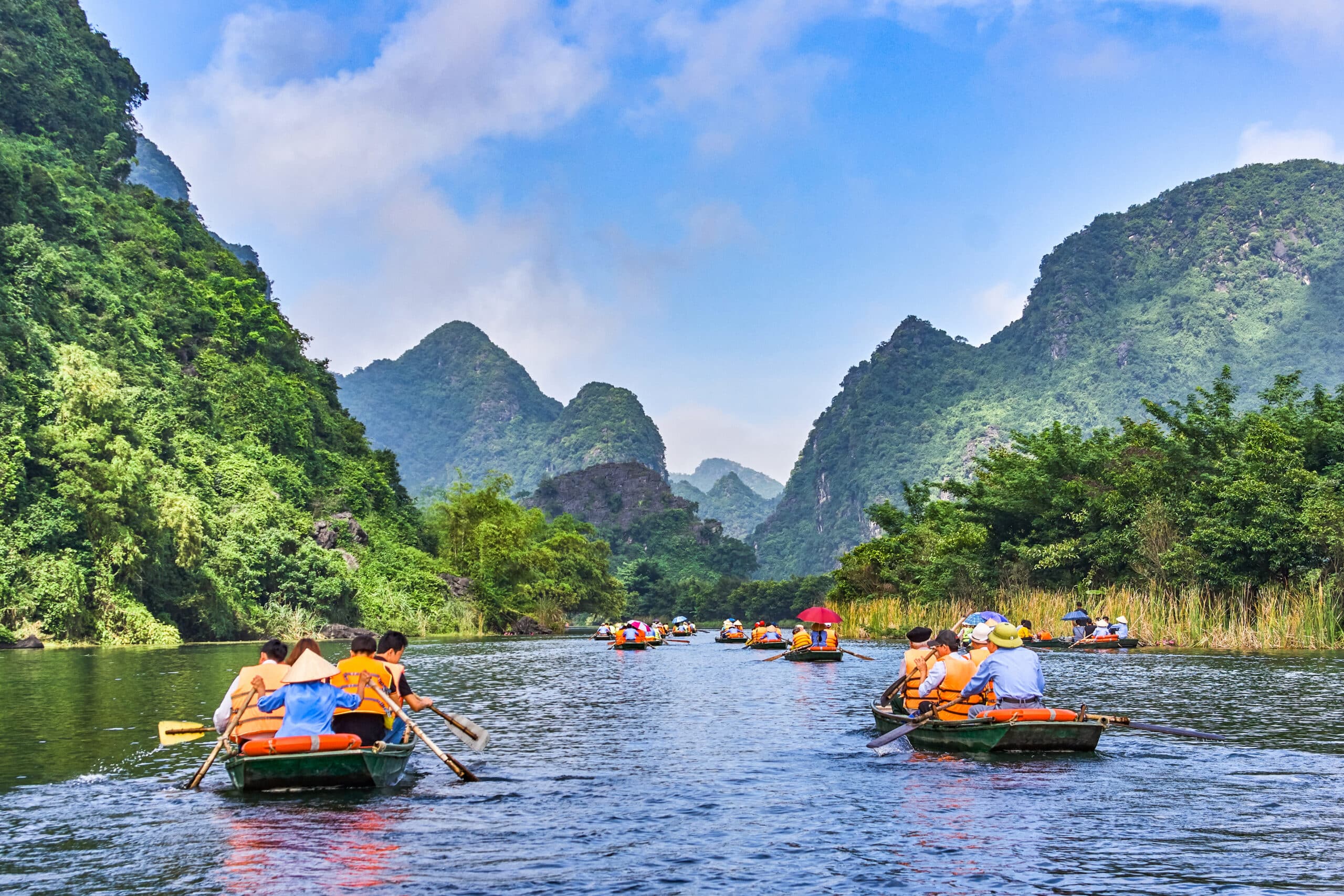
- 2–3-night traditional junk cruise on Halong Bay
- Train Street and Hanoi’s Old Quarter of the 36 guild streets
- Ninh Binh site (inland Halong) by rowboat
Hội An & Da Nang – the cultural and seaside heart
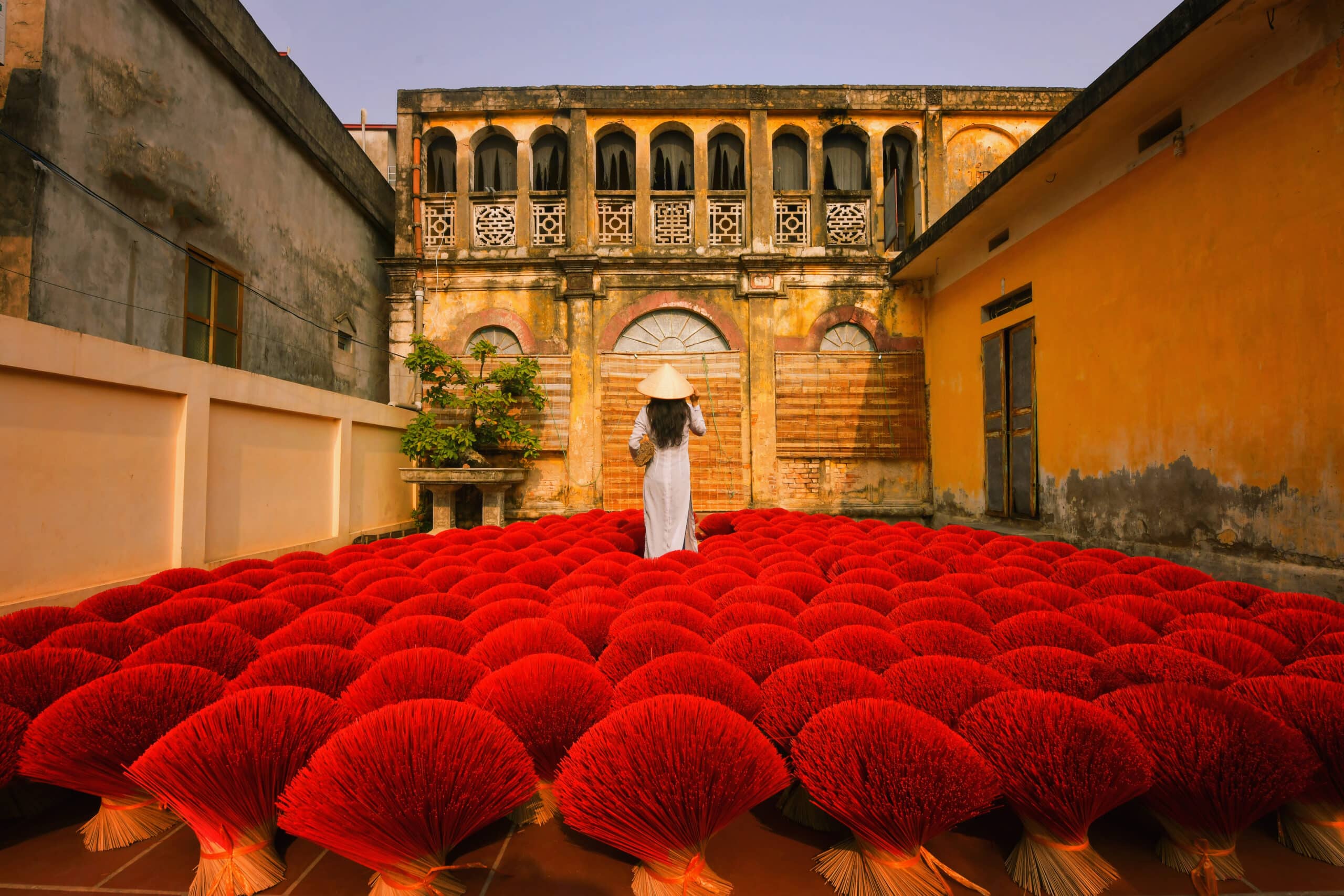
Hội An is Vietnam’s most enchanting town. A former cosmopolitan port city from the 15th to the 19th century, where Chinese, Japanese and Vietnamese traders each left their architectural mark, its UNESCO-listed Old Town is one of the best-preserved sites in Asia. In the evening, hundreds of colourful silk lanterns turn the town into a magical display of light. Hội An is also Vietnam’s capital of custom-made clothing — tailors make dresses, suits and coats in 24–48 hours for a fraction of the price. 30 km away, Da Nang and its white-sand beaches are ideal for a day by the sea.
Not to be missed:
- get lost in the lantern-lit Old Town in the evening
- cycling through the rice fields around Hội An
- Vietnamese cooking class at the central market
Rice terraces of Sapa & Mu Cang Chai – the mountainous North
In the mountains of Northwest Vietnam, Sapa and the valley of Mu Cang Chai are home to some of the most spectacular terraced rice fields in Asia. Shaped for centuries by the ethnic minorities Hmong, Red Dao and Tày, these landscapes change colour with each season — watery green in spring during the flooding of the paddies, deep green in July–August, and burnished gold at harvest (mid-September to mid-October). Hikes between isolated villages perched in the clouds offer an authentic cultural immersion with communities that have preserved their clothing, crafts and ritual traditions.
Not to be missed:
- Mu Cang Chai’s golden rice terraces in September–October
- hike between Hmong villages from Sapa
- Sunday ethnic market in Bắc Hà
Ho Chi Minh City & the Mekong Delta – the vibrant South
Ho Chi Minh City (Saigon), a metropolis of 13 million inhabitants, is Vietnam’s most dynamic city — a striking mix of French colonial buildings (City Hall, the Central Post Office by Gustave Eiffel, Notre-Dame Cathedral), Taoist temples fragrant with incense, ultra-modern skyscrapers, and an intense flow of two-wheel traffic that is fascinating to watch. 80 km away, the Mekong Delta reveals an extraordinary amphibious world: the floating markets of Cai Rang, tropical fruit orchards, coconut candy workshops, and sampans gliding through the canals at dawn.
Not to be missed:
- War Remnants Museum in Ho Chi Minh City
- Cai Rang floating market at sunrise
- Củ Chi tunnels — an underground wartime network
Phú Quốc & the South’s beaches – the seaside add-on
The island of Phú Quốc, off Vietnam’s southern coast, is the country’s largest island and a fast-growing beach destination. Its white-sand beaches fringed by tropical forest — Bãi Sao in the south and Long Beach to the west — are among the most beautiful in Southeast Asia. Long wild, the island now has an international airport and luxury resorts, without losing its end-of-the-world charm. Fishing villages, Phú Quốc pepper plantations (the most renowned in Vietnam), traditional nuoc-mam fish sauce producers, and still-preserved seabeds make it an ideal complement to a cultural itinerary from North to South.
Ideal for:
- beach extension after a North–South cultural tour
- snorkeling on the coral reefs of the An Thoi archipelago
- pepper plantations and authentic nuoc-mam producers
Which Vietnam itinerary is right for you?
A family cultural tour from North to South with a cruise on Halong Bay, a couple’s trip in the magic of Hội An’s lanterns and Sapa’s rice terraces, or an intensive discovery with friends of street-food flavors and the Mekong’s floating markets — Vietnam adapts to every desire.

Family trip – Halong cruise, markets and flavors
Vietnam is a fantastic destination for families with children. The junk boat cruise on Halong Bay — kayaking in caves, swimming among karst islets, shrimp fishing at sunset — is an unforgettable sea adventure for kids. The cooking class in Hội An, the bike ride through the rice fields, a visit to a pottery village, and Hanoi’s colorful markets create a trip rich in sensory and cultural discoveries.
You will especially enjoy:
- 2-night junk boat cruise — Halong maritime adventure
- Vietnamese cooking class in Hội An with the children
- bike ride through the rice fields around Hội An

Couples trip – Hội An lanterns & Sapa rice terraces
Vietnam as a couple is a journey of slow beauty and shared discovery. A night watching the sunset from the deck of a junk boat in Ha Long Bay, a hand-in-hand stroll through the lantern-lit alleys of Hội An, a candlelit dinner on a terrace overlooking the rice fields of Ella, an early morning watching the mist rise over the golden terraces of Mu Cang Chai — every moment is a unique picture and memory. Vietnamese street food — hot Pho, crispy Bánh mì, iced Vietnamese coffee — is in itself an ongoing romantic adventure.
To enjoy as a duo:
- sunset from the junk boat in Ha Long Bay
- lantern evening and dinner in Hội An’s old town
- boutique hotel in the golden rice fields of Sapa

Trip with friends – street food, motorbikes and floating markets
With friends, Vietnam is lived to the fullest and in every way: late-night street food in the steamy alleys of Hanoi (Bún chả, Bánh cuốn, Bia hơi — the cheapest fresh beer in the world), scooter rental to link Hội An to Huế along the coast, mountain trekking to the remote villages of Sapa’s ethnic minorities, surfing and kitesurfing in Mui Ne, Vietnamese coffee tasting sessions in Saigon’s artisanal coffee shops, and evenings on Ho Chi Minh City rooftop terraces with views over the illuminated skyline.
Not to be missed:
- late-night street food and Bia hơi in Hanoi’s alleys
- scooter road trip along the Central Coast (Hội An–Huế)
- kitesurfing and surfing in Mui Ne (November–April)
Practical tips for your trip to Vietnam
Vietnam is the world’s 2nd-largest coffee exporter (robusta), behind Brazil. Vietnamese coffee, served with sweetened condensed milk over ice (cà phê sữa đá), is one of Southeast Asia’s tastiest and most energizing drinks. Hanoi even popularized a very rare coffee: cà phê trứng (egg coffee) — espresso whipped with egg yolks, condensed milk and sugar, creating a creamy foam served hot or cold.
Luxembourgish nationals must obtain a Vietnamese e-Visa before entry. It is obtained online at evisa.xuatnhapcanh.gov.vn (USD 25), is valid for 90 days with multiple entries, and is issued within 3 business days. Information required: passport (minimum 6 months’ validity), photo, dates and place of entry (Hanoi or Ho Chi Minh City). Keep the QR code of your e-Visa on your smartphone — it is checked on arrival at the airport.
The currency is the Vietnamese đồng (VND). Exchange rates in major cities: 1 EUR ≈ 27,000 VND. USD are accepted in hotels, agencies and tourist sites. Bank cards work in upscale hotels, tourist restaurants and ATMs in major cities (withdrawal fees apply). For local markets, street restaurants and transport: bring cash in VND. Avoid exchanging at airports — the rates are unfavorable.
Vietnam is long (1,650 km) and distances between sites are significant. Recommended options:
- Domestic flight: fast and affordable (EUR 40–80), essential between Hanoi and Ho Chi Minh City
- Reunification Express train: the legendary Hanoi–Saigon journey (30h on an overnight train) — ideal for one or two stops (Da Nang, Huế)
- Sleeper night bus: budget option between cities in Central and Southern Vietnam
- Car + private driver: more comfortable, recommended for regional excursions (Mekong Delta, Ha Long Bay)
Vietnam is a very affordable destination. For a mid-range trip, budget €60–120 per person per day (3–4* boutique hotel accommodation, meals in decent restaurants, transport, entrance fees). Flights from Luxembourg cost between €700 and €1,200 (stopover in Dubai, Doha or Singapore). The junk-boat cruise in Halong Bay (2 nights) should be budgeted separately: €250–600 per person depending on the level of comfort. A complete 15-day tour costs €2,500–4,000 per person in the mid-range, all inclusive.
There are three levels of cruises in Halong Bay:
- Budget (€50–100/night): standard junk boats, decent cabins, meals included — enough for flexible travellers
- Mid-range (€100–200/night): comfortable junk boats with a sundeck terrace, gourmet meals, kayaking included
- Luxury (€200–400/night): premium cruises (Heritage Line, Indochine Cruises) with suites, spa, and a chef
Prioritise Lan Ha Bay (less crowded than Halong) and 3-day/2-night cruises to make the most of it. Book at least 1–2 months in advance.
Create your tailor-made Vietnam tour now
Halong Bay, Hội An lanterns, Sapa rice terraces, the Mekong Delta, and outstanding street food.
We design a tailor-made Vietnam itinerary for you, fully adapted to your dates, your pace, and your budget.
Discover our other destinations in Asia as well
Fancy combining Vietnam with another Asian destination?
Vietnam combines perfectly with Cambodia (Angkor Wat 1 hour from Ho Chi Minh City), Thailand for a grand tour of Southeast Asia, Sri Lanka via a stopover in Colombo, or the Maldives for an exceptional culture-and-beach combo. Our experts suggest the most coherent itineraries based on your time and your budget.
Bali
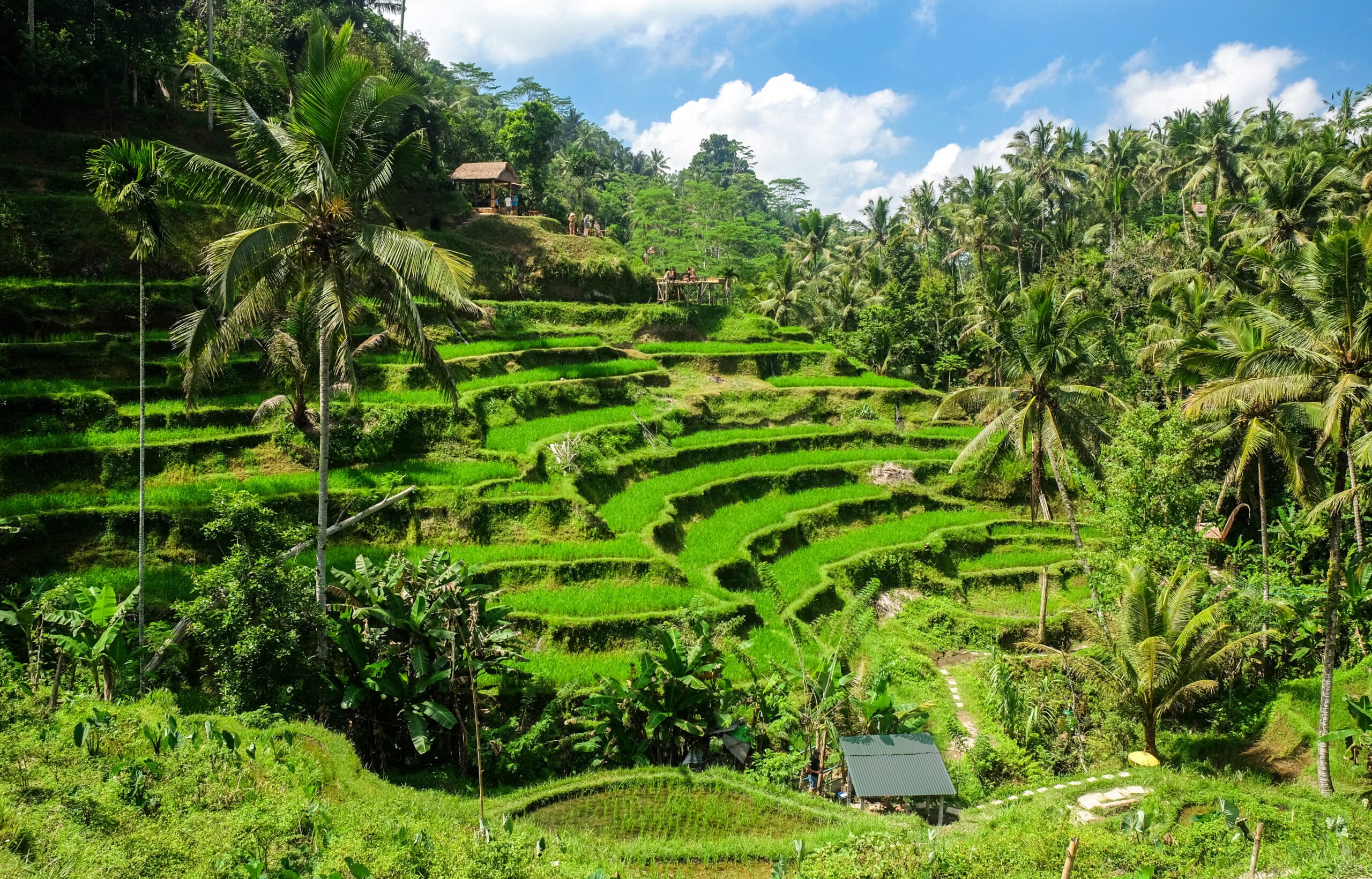
Between rice paddies, volcanoes and lagoons, serenity becomes an island
Cambodia
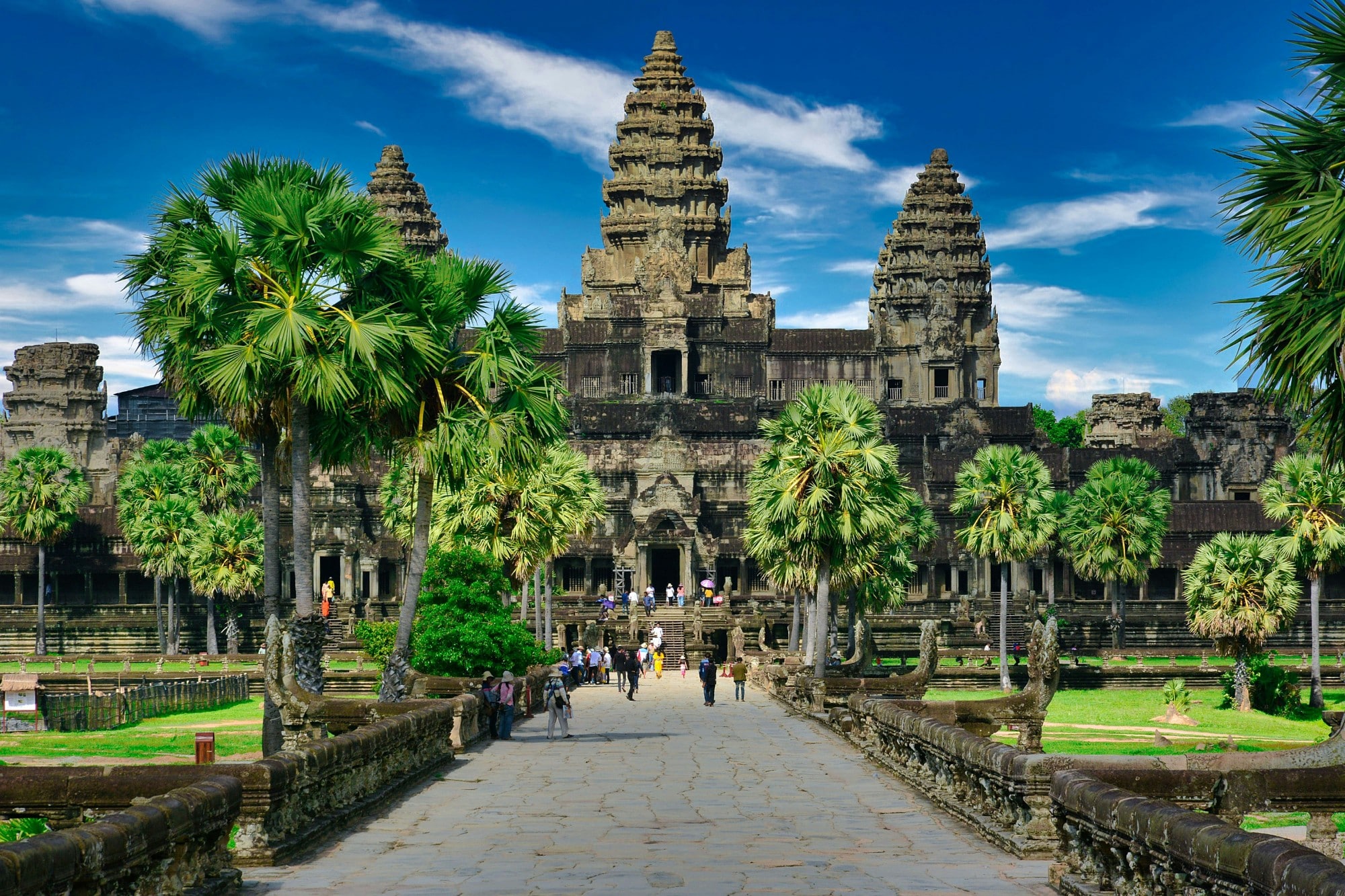
An eternal kingdom between rice fields and ruins
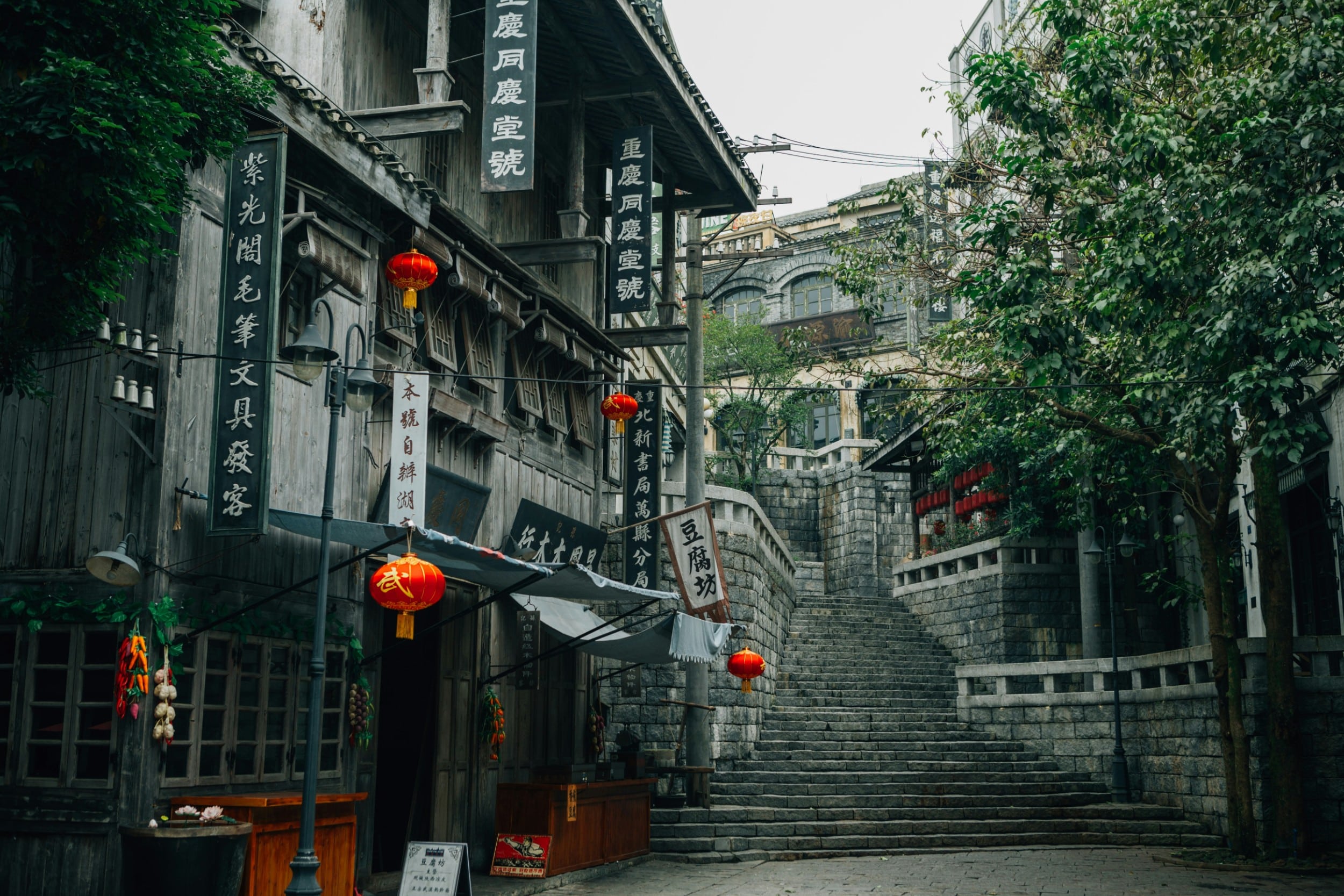
China
From the Great Wall to futuristic skyscrapers
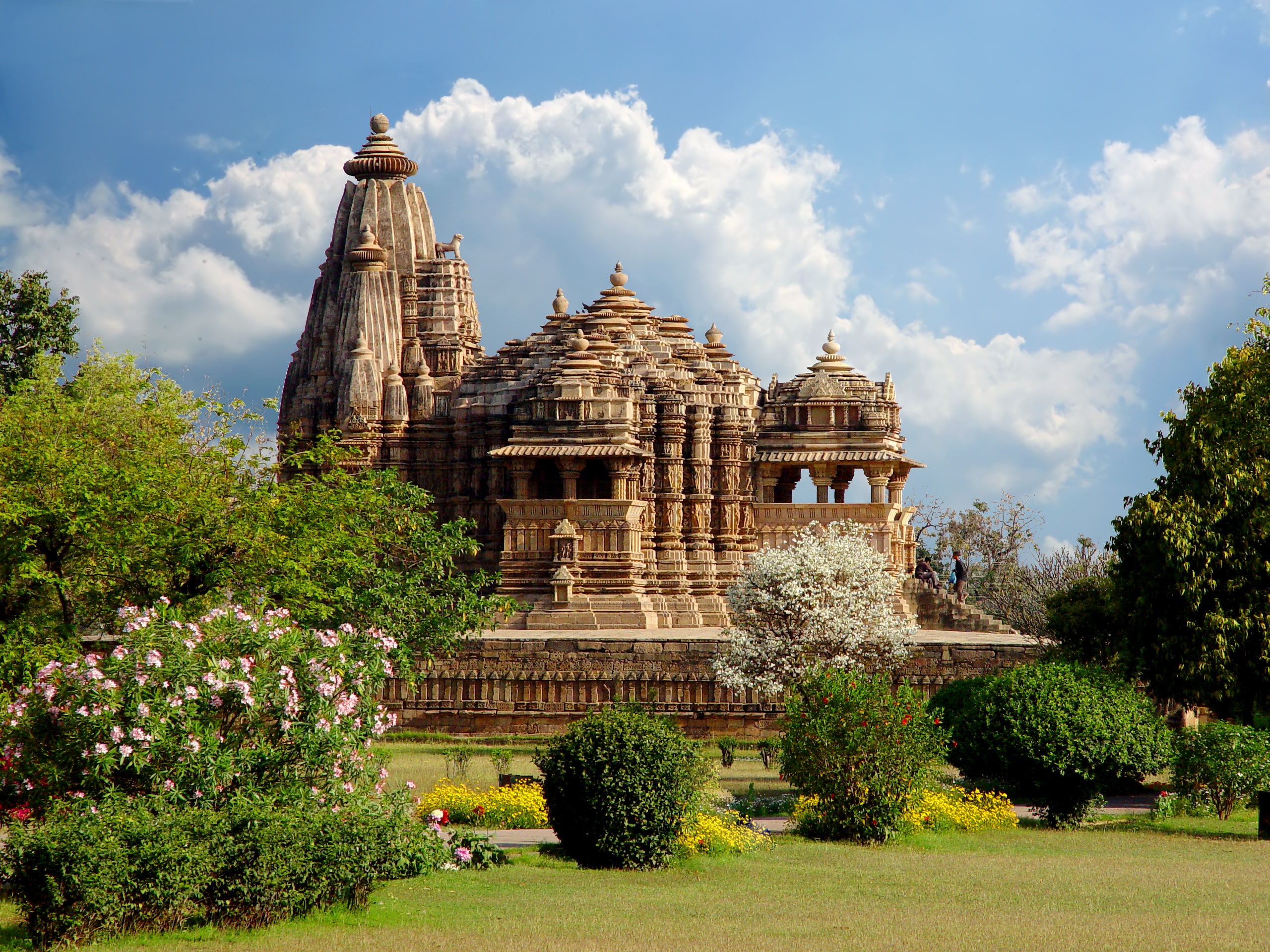
India
A world of colours, scents and spirituality
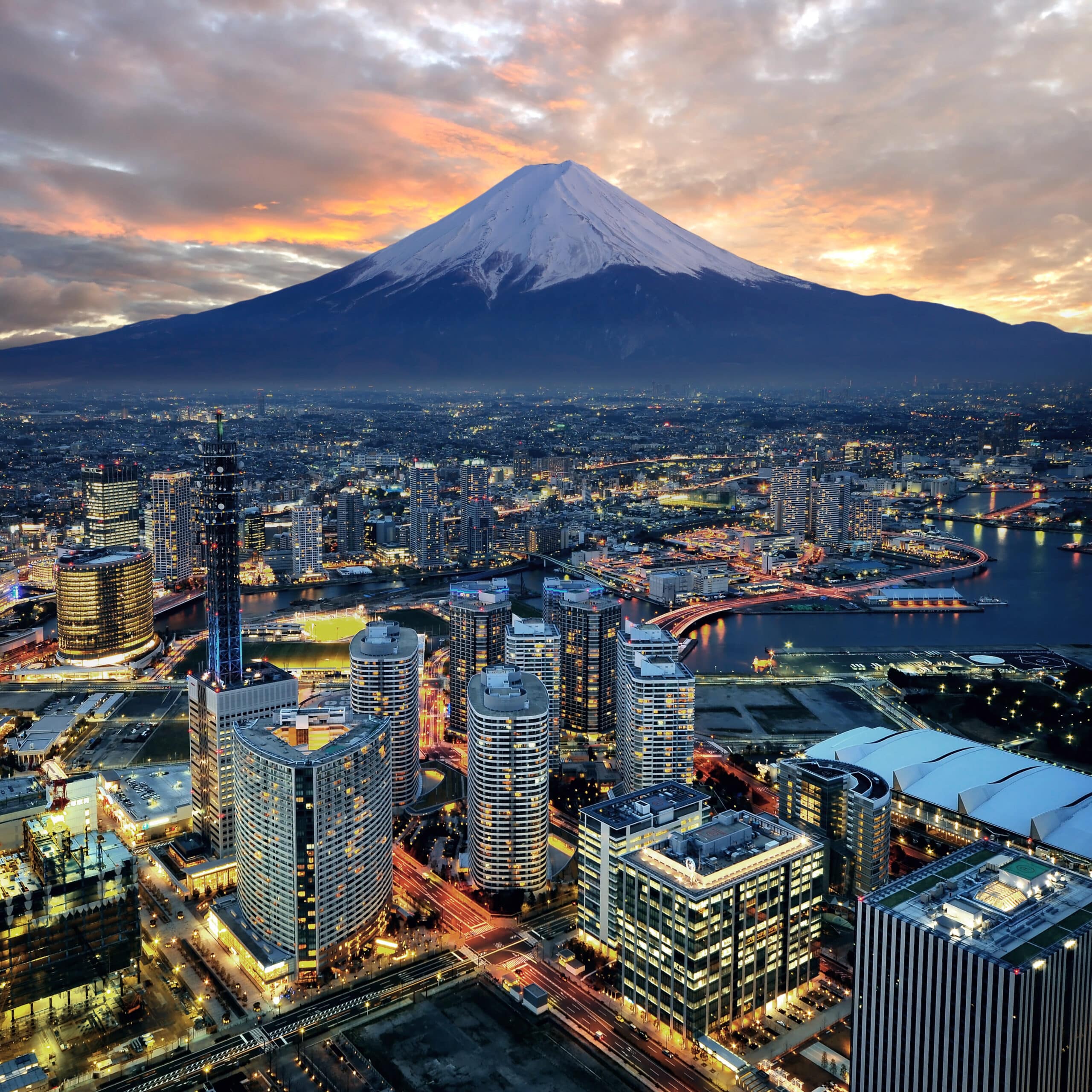
Japan
Experience the harmony between temples and skyscrapers
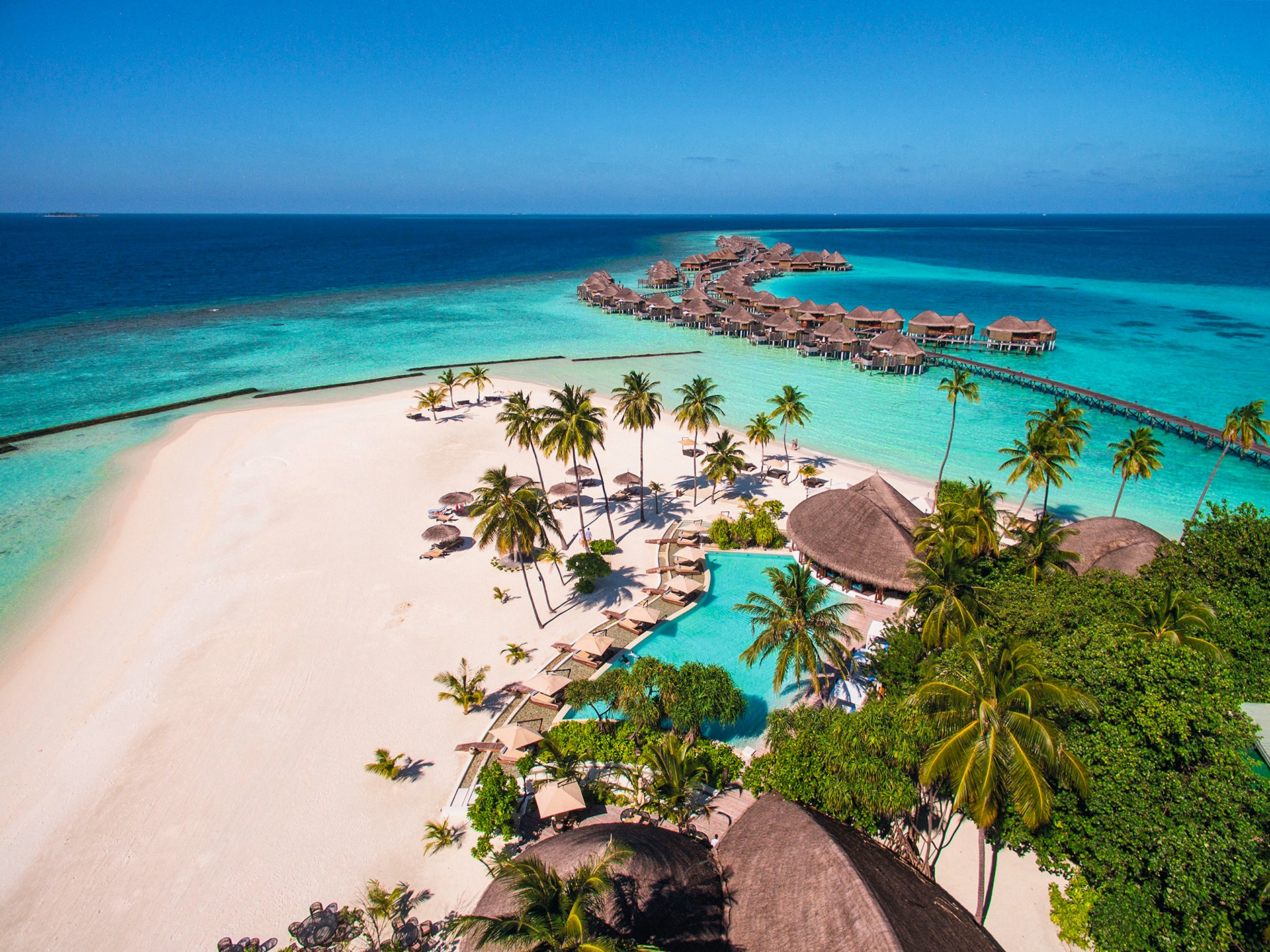
Maldives Islands
A turquoise jewel at the end of the world
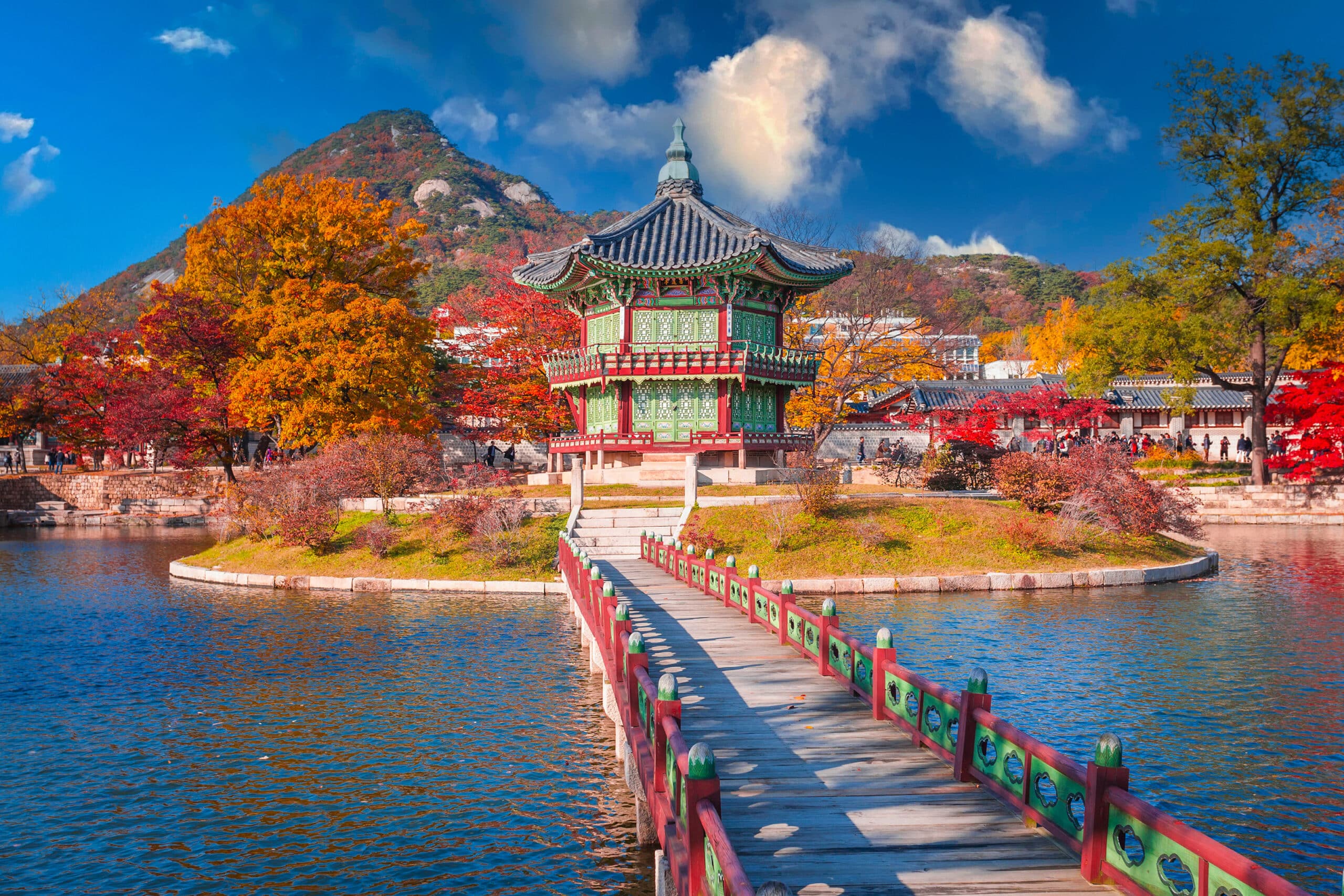
South Korea
Between ancient rituals and urban beats
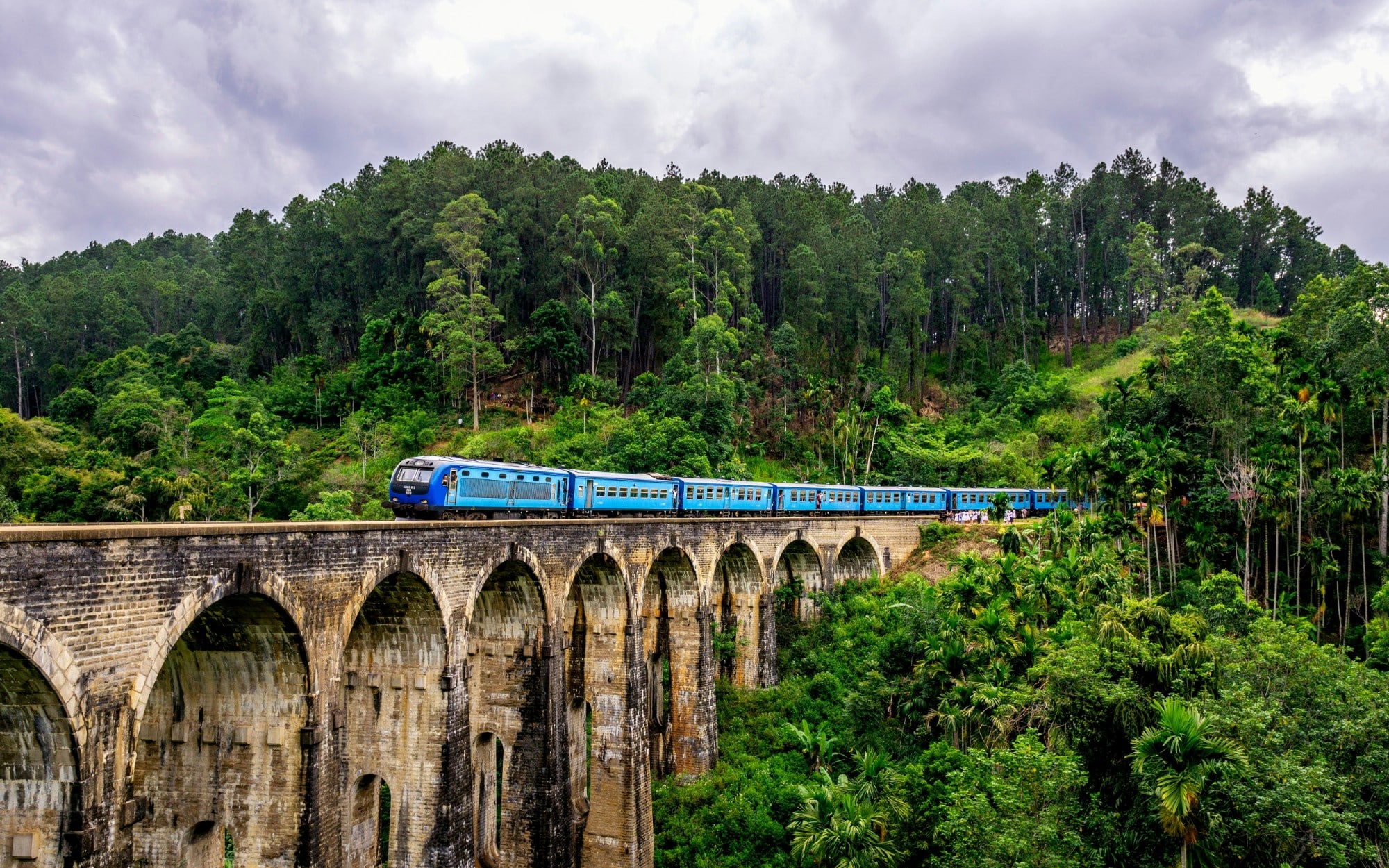
Sri Lanka
A jewel of Asia where nature and spirituality unite
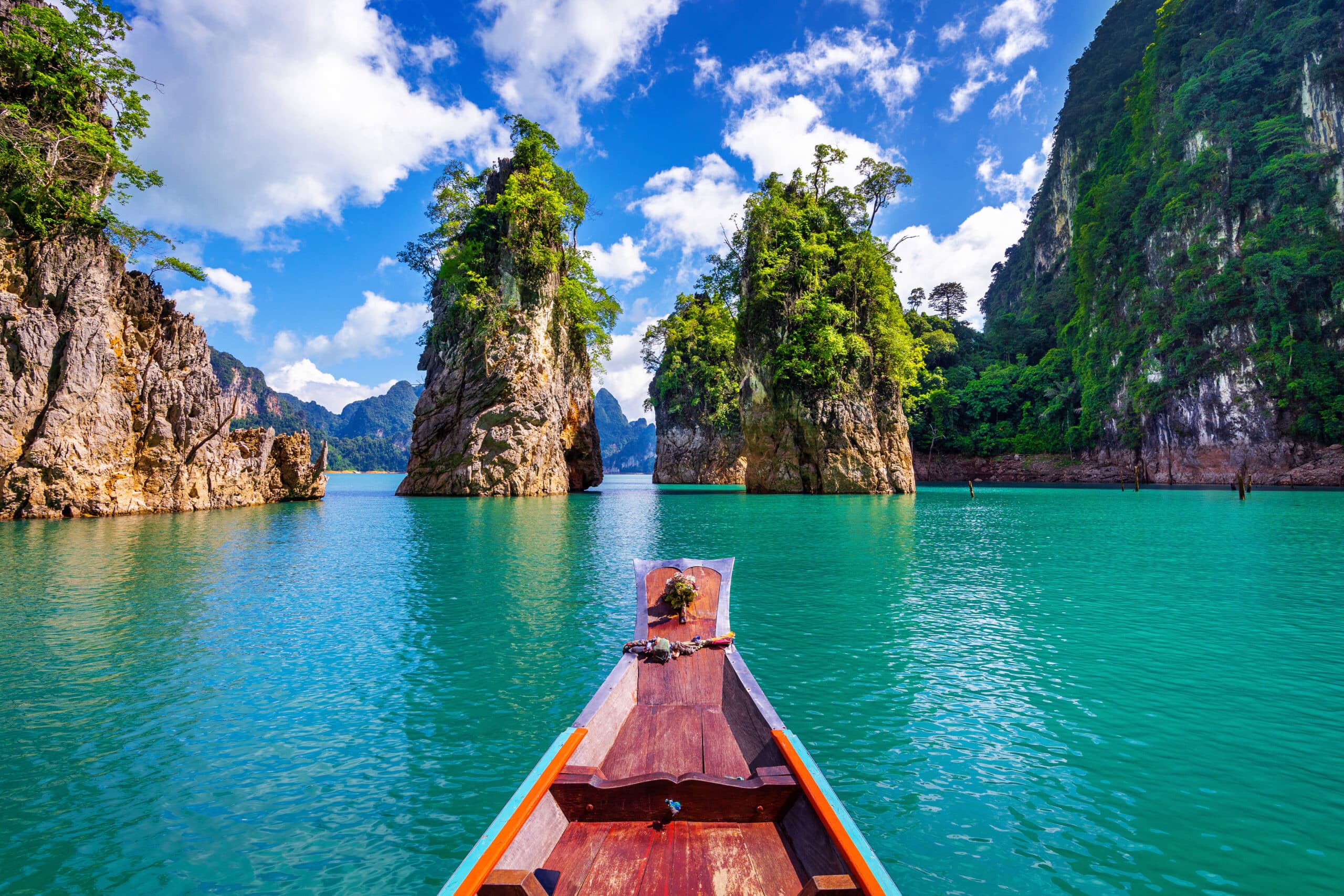
Thailand
Between golden temples and azure lagoons.
FAQ: everything you need to know before travelling to Vietnam
Yes, Vietnam is an excellent family destination. The Halong Bay cruise (kayaking, swimming, fishing on board), the cooking class in Hội An, cycling between the rice paddies, and rickshaw rides in Hanoi create unforgettable memories for children. Vietnamese restaurants offer mildly spiced dishes that children can easily enjoy (Phở soup, fried rice, fresh spring rolls). Plan for a moderate pace — distances are long and the intense heat can tire younger kids.
Not mandatory, but highly recommended — it’s the most iconic experience in Vietnam. A minimum 2-night cruise lets you sail far from the busiest areas, explore secret coves by kayak, experience sunset and sunrise among the karsts, and enjoy the bay away from day-trippers. Travellers short on time can opt for one night, but two nights really transform the experience. Alternatively, Lan Ha Bay (less crowded, just as beautiful) is an excellent alternative.
Yes, with the right itinerary adjustments. The monsoon affects different parts of the country at different times — when the South is dry (November–April), the Centre receives its heaviest rains. Travelling in the low season means lower prices and less crowded sites (Halong Bay in particular). Rain in Vietnam is often short, intense downpours rather than grey days, and generally doesn’t prevent sightseeing. Our team adapts your itinerary to the season.
Yes, a Vietnam–Cambodia combo in 14–15 days is absolutely doable. Classic itinerary: Hanoi (2d) → Halong (2d) → Hội An (2d) → Ho Chi Minh City (1d) → Saigon–Siem Reap flight (1h) → Angkor Wat (3d) → Phnom Penh (2d). This tour covers the highlights of both countries without rushing. For a more comfortable version, opt for 17–18 days to add Da Nang and the Mekong Delta.
For a classic North–South itinerary, start in Hanoi (North) and finish in Ho Chi Minh City (South) — or the other way around. This avoids unnecessary backtracking. Hanoi is generally preferred as an entry point because it lets you go straight on to a Halong Bay cruise, then head down to the Centre (Hội An) and the South. Ho Chi Minh City is ideal for connecting flights to the Maldives, Cambodia, or Thailand.
Vietnamese cuisine is one of the tastiest and healthiest in Asia. Must-tries: Phở (Hanoi beef soup with bamboo shoots, served from 6 a.m.), Bánh mì (colonial-style baguette filled with pork, coriander, carrots and chilli), Bún chả (vermicelli, grilled pork patties, nuoc-mam sauce — Barack Obama’s favourite dish in Hanoi), Cao Lầu (Hội An specialty with unique noodles), Cơm tấm (Saigon broken rice) and Hanoi’s egg coffee. Eat at street stalls — that’s where the food is best.
No vaccinations are mandatory to enter Vietnam from Luxembourg. The following are recommended by travel medicine doctors: hepatitis A, hepatitis B, typhoid, tetanus-polio-diphtheria, and flu. Dengue (transmitted by mosquitoes) is present — mosquito protection is essential. Antimalarial treatment is recommended for rural border areas (Cambodia). Consult a travel medicine specialist 4 to 6 weeks before departure.