


Travel and holidays in Namibia
Red dunes, safaris and starry skies in the heart of Southern Africa
Fancy discovering Namibia, a country of vast wild open spaces, blazing dunes and authentic safaris in the heart of Southern Africa?
Namibia captivates with its spectacular diversity: the Namib Desert, one of the oldest in the world, with its red-orange dunes of Sossusvlei; Etosha National Park and its waterholes where exceptional wildlife gathers; the Skeleton Coast, a wild coastline swept by Atlantic winds; and the Fish River Canyon, a stone giant carving out a landscape of raw beauty.
Still largely untouched by mass tourism, Namibia offers a rare experience: sheer immensity, nights under some of the brightest stars on Earth, and encounters with wildlife in its natural habitat. With only 3 million inhabitants across 824,000 km², it is one of the least densely populated countries in the world.
Voyages Flammang helps you design a tailor-made trip to Namibia — a self-drive itinerary, a safari in an exclusive lodge, or a combination with South Africa — fully adapted to your budget, your wishes and your level of experience.
Why go to Namibia?
From the dunes of Sossusvlei to the elephants of Etosha, via desert stars and the sheer scale of the Fish River Canyon, Namibia is a journey to the ends of the earth like no other. An exceptional destination for travellers in search of authenticity.
Discover our best offers for your trip to Namibia
We have selected our most popular holidays in Namibia: a self-drive itinerary from Sossusvlei to Etosha, a safari in a private lodge, an adventure on the Skeleton Coast, or a Namibia and South Africa combination.
Whether you dream of an adventure 4×4 road trip, a high-end safari in an exclusive lodge, a family trip or a honeymoon under the desert stars, every option is fully customisable.
Voyages Flammang designs a tailor-made trip to Namibia for you, turnkey.
When to travel to Namibia?
Namibia is best visited during the dry season (May to October), ideal for safaris. The rainy season (November to April) brings lush vegetation but makes some tracks impassable.
Dry season (May – October) – Peak season
Sparse vegetation makes wildlife spotting easier. Waterholes are very busy with animals. Mild temperatures in June–August (nights can drop to 5°C in the desert). Ideal for Etosha and Sossusvlei.
Rainy season (November – April) – Low season
Rain is generally brief and late in the day. Lush landscapes, wildlife harder to spot. Some northern tracks may be impassable. Sossusvlei is magnificent and far less crowded.
Windhoek (indicative data)
| Jan | Feb | March | April | Mai | June | July | Aug | Sept | Oct | Nov | Dec | |
|---|---|---|---|---|---|---|---|---|---|---|---|---|
| Our opinion | ||||||||||||
| Season | ||||||||||||
| T° max | 32°C | 31°C | 30°C | 28°C | 25°C | 23°C | 23°C | 26°C | 29°C | 31°C | 31°C | 32°C |
| Rainy days | 17 d | 16 d | 12 d | 5 d | 2 d | 1 d | 0 d | 0 d | 1 d | 5 d | 10 d | 14 d |
| Hiking |
Where to go in Namibia? The country’s must-sees
Sossusvlei & Deadvlei – the dunes of the Namib
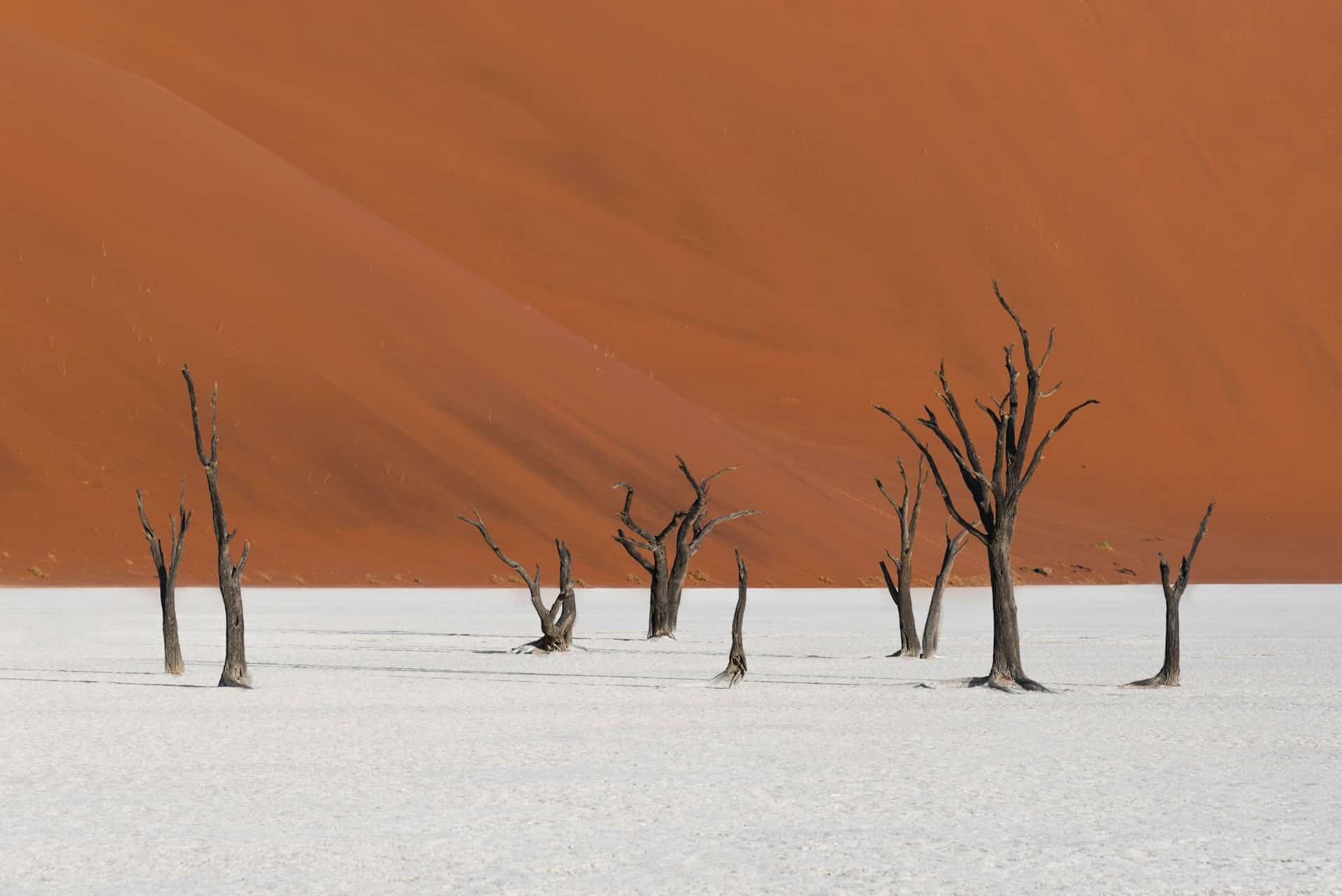
Sossusvlei, in Namib-Naukluft Park, is home to the most photogenic dunes in the world. At dawn, their orange-red slopes blaze. The clay pan of Deadvlei, with its dead camelthorn trees, forms Namibia’s iconic image.
- Dune 45 and Big Daddy (300 m)
- Deadvlei – surreal clay pan
- Sunrise photo session
Etosha National Park – exceptional safari
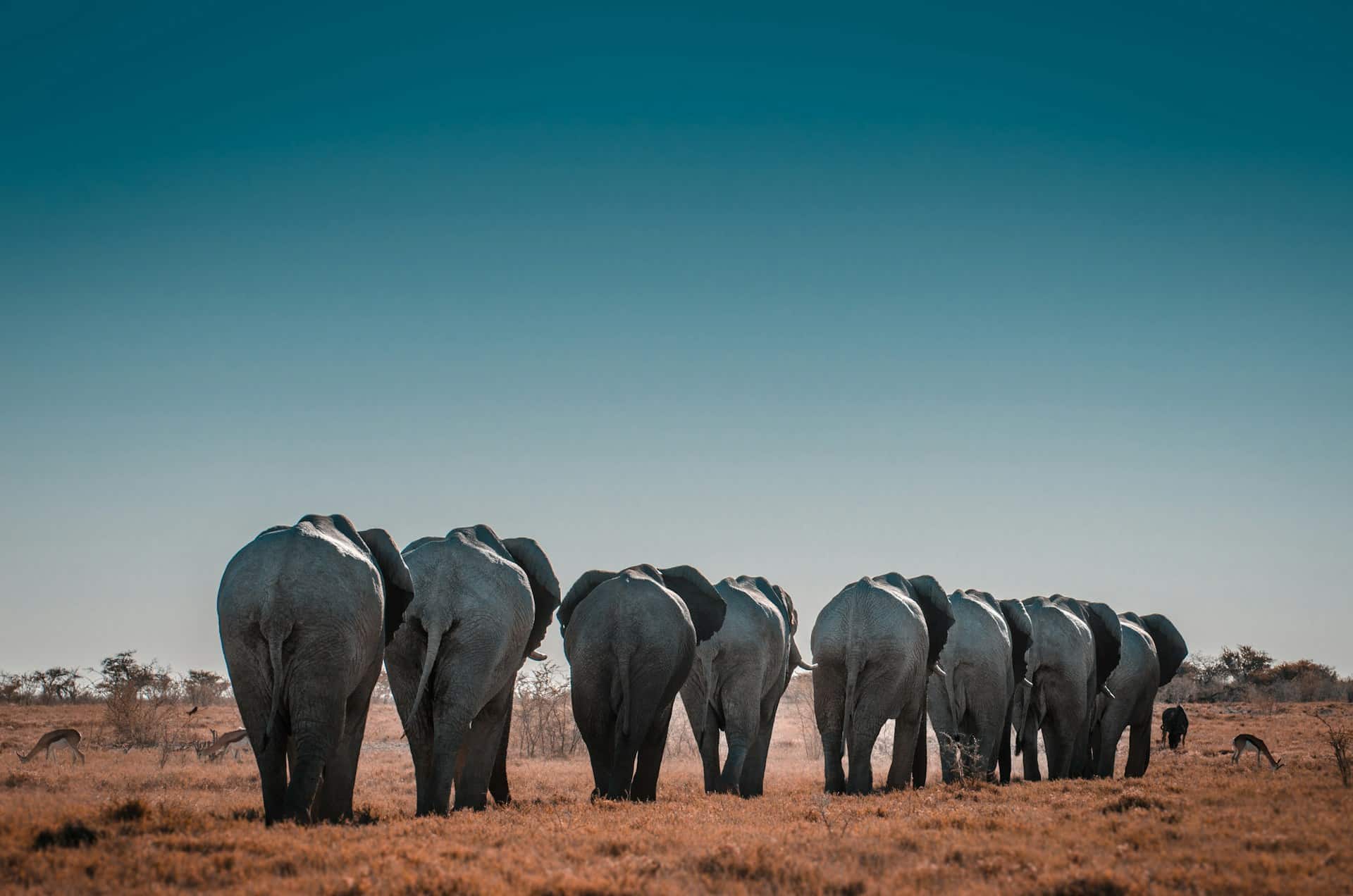
With its vast 4,800 km² salt pan, Etosha is one of the best safari parks in Southern Africa. Its waterholes lit up at night make it possible to observe lions, elephants and black rhinos in a unique setting.
- Panoramic waterholes & night
- Giraffes, zebras & 340 bird species
Swakopmund – adventure & colonial heritage
A small coastal town with German colonial architecture, Swakopmund is Namibia’s adventure capital: quad biking on the dunes, skydiving, sandboarding, dives with seals, dolphin watching and lobster tastings.
- Quad biking & sandboarding on the dunes
- Dives with seals & dolphins
- Colonial restaurants & cafés
Fish River Canyon – the stone giant
The Fish River Canyon, the 2nd largest canyon in the world (160 km long, 550 m deep), offers breathtaking views from the lookouts. The famous 85 km canyon trek attracts adventurers from all over the world.
- Panoramic lookouts (Hobas)
- 85 km trek along the canyon floor (May–Sept)
- Ai-Ais – hot springs at the end of the trek
Damaraland & Skeleton Coast
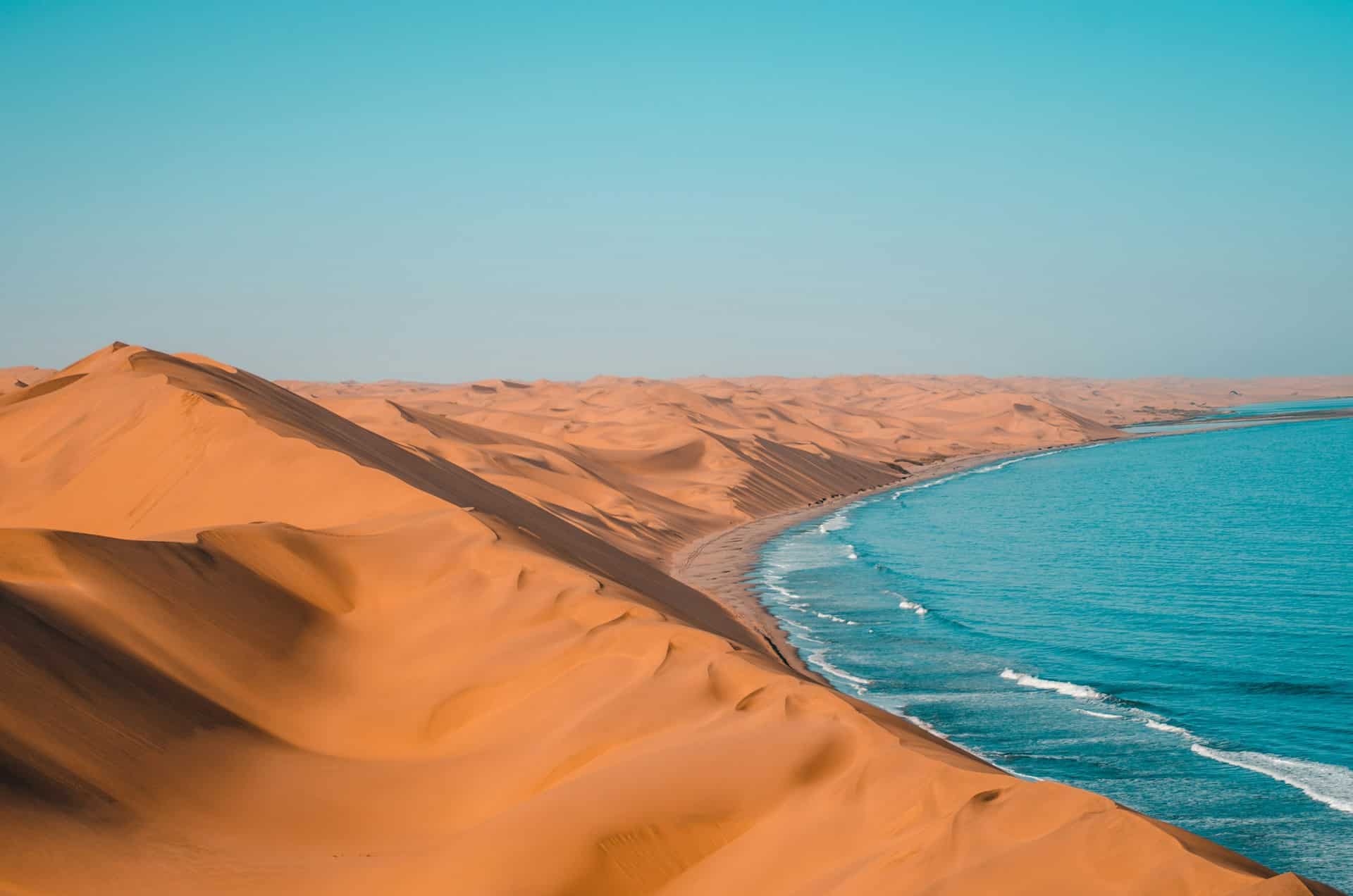
Damaraland is home to the last black rhinos and desert elephants in the world. The Skeleton Coast, lined with shipwrecks and haunted by the winds, offers a landscape of raw beauty, with its seal colonies and dunes plunging into the Atlantic.
- Desert elephants in Damaraland
- Rock art of Twyfelfontein (UNESCO)
- Sandwich Harbour by 4×4
Which trip to Namibia is right for you?
Safari, adventure, romance or a family discovery trip — Namibia suits every type of traveller. A country of wide-open spaces that leaves an indelible impression.

Family trip – safari & discovery
The Etosha safaris amaze young and old alike: elephants at the waterhole, giraffes on the track, and famous African sunsets. Namibia is safe, easy to travel around as a family, and offers suitable lodges.
- Family safari in Etosha
- Discover Swakopmund & the dunes
- Family-friendly lodges with a pool

Couples’ trip – romance & stars
Luxury lodges right in the desert, blazing sunsets over the dunes of Sossusvlei and nights under the most star-filled sky in the world: Namibia is an absolutely unforgettable honeymoon or anniversary destination.
- Luxury lodges in a private concession
- Sunsets over the dunes
- Stargazing in the heart of the desert

Trip with friends – adventure & 4×4
4×4 self-drive tour, quad biking on the dunes of Swakopmund, skydiving over the Atlantic, a trek in Fish River Canyon and nights camping under the stars: Namibia is the ultimate African adventure.
- 4×4 self-drive tour
- Quad biking, skydiving & sandboarding in Swakopmund
- Fish River Canyon trek (85 km)
Practical tips for your trip to Namibia
Luxembourgish and Belgian citizens benefit from visa-free entry for tourist stays of up to 90 days. A passport valid for at least 6 months after the return date is required. No additional formalities are necessary for EU nationals.
No vaccines are mandatory, but some are strongly recommended: hepatitis A and B, typhoid, rabies (if in contact with animals), tetanus. Malaria prophylaxis is recommended in wet areas (north, Caprivi). Consult a travel doctor 6 to 8 weeks before departure.
The official currency is the Namibian dollar (NAD), pegged to the South African rand (ZAR), which is accepted everywhere. Bank cards work in cities (Windhoek, Swakopmund); bring cash for remote lodges and national parks.
Namibia is ideally explored self-drive. Most roads are gravel roads, drivable in a 4×4 or SUV. Driving is on the left. Distances are vast—plan your stages and fill up with fuel as soon as possible. GPS is highly recommended.
Namibia is one of the safest countries in Africa, with a low crime rate. In the bush, strictly follow park rules: never get out of the vehicle outside authorised areas. Avoid walking at night in rural areas (snakes, scorpions).
The official language is English, widely spoken in hotels, lodges and agencies. German is still present in Swakopmund (colonial heritage). Internet connectivity is limited outside the cities—a local SIM card (MTC) is useful for getting online.
Sockets are type D and M (round 3‑pin plugs, 220 V/50 Hz). A universal adapter is essential. Some lodges provide adapters, but it’s best to bring your own.
The dry season (May to October) is ideal for safari—sparser vegetation, animals concentrated around waterholes, cool nights and sunny days. June to September is the best time to spot elephants and lions in Etosha.
Create your dream trip to Namibia now
Fiery dunes, unforgettable safaris and unrivalled starry skies. We design for you a tailor-made trip to Namibia, fully adapted to your dates, your budget and your wishes.
Also discover our other destinations in Africa
Our experts have selected for you the finest African destinations, ideal for varying experiences between safaris, desert landscapes, wild coastlines and ancient cultures.
Cape Verde
Between volcanoes, morna, and endless horizons.
Cape Verde
Between volcanoes, morna and Atlantic horizons
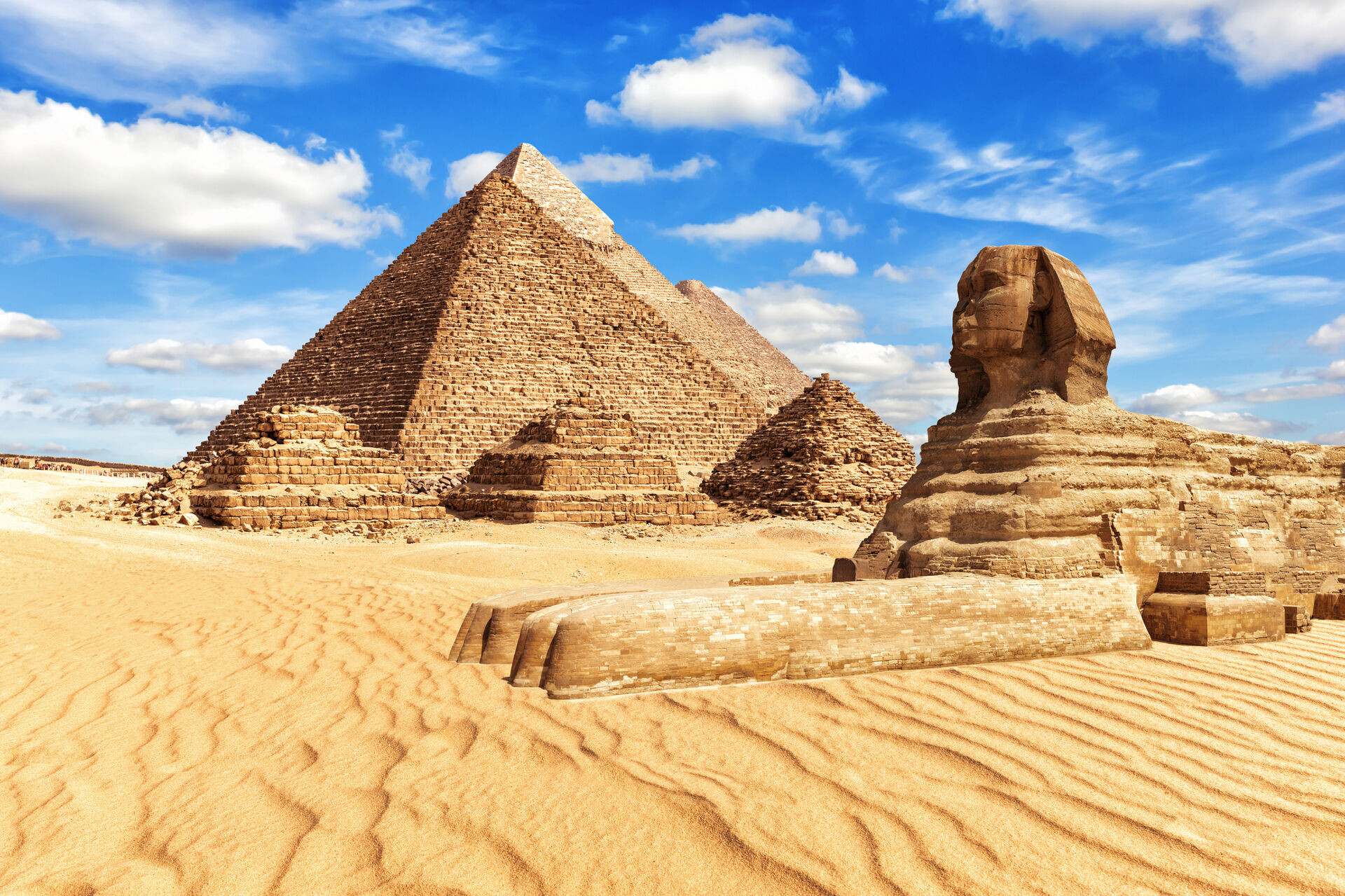
Egypt
From the Nile to the Red Sea: history, luxury and sunshine
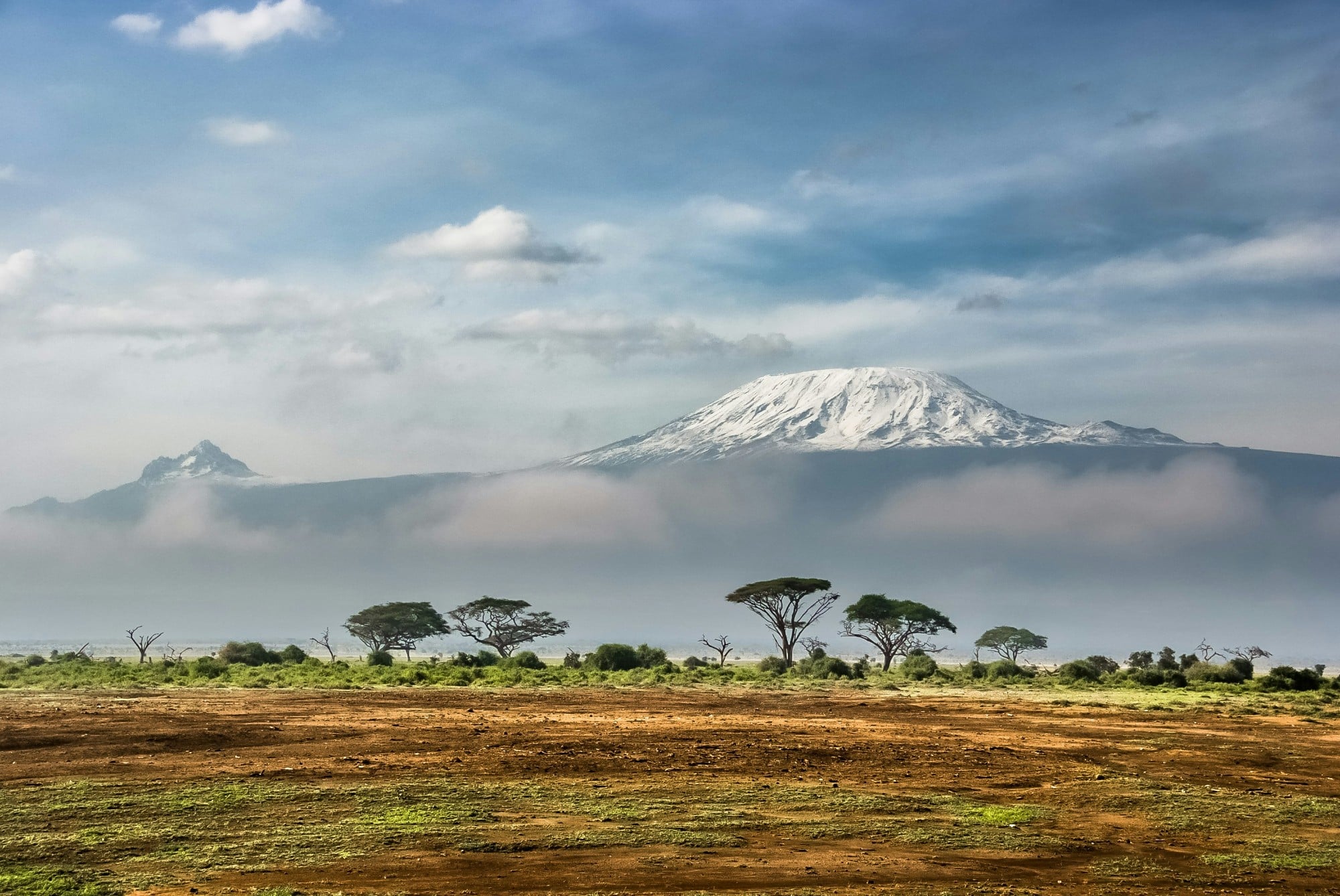
Kenya
When the savannah whispers and the ocean calls you
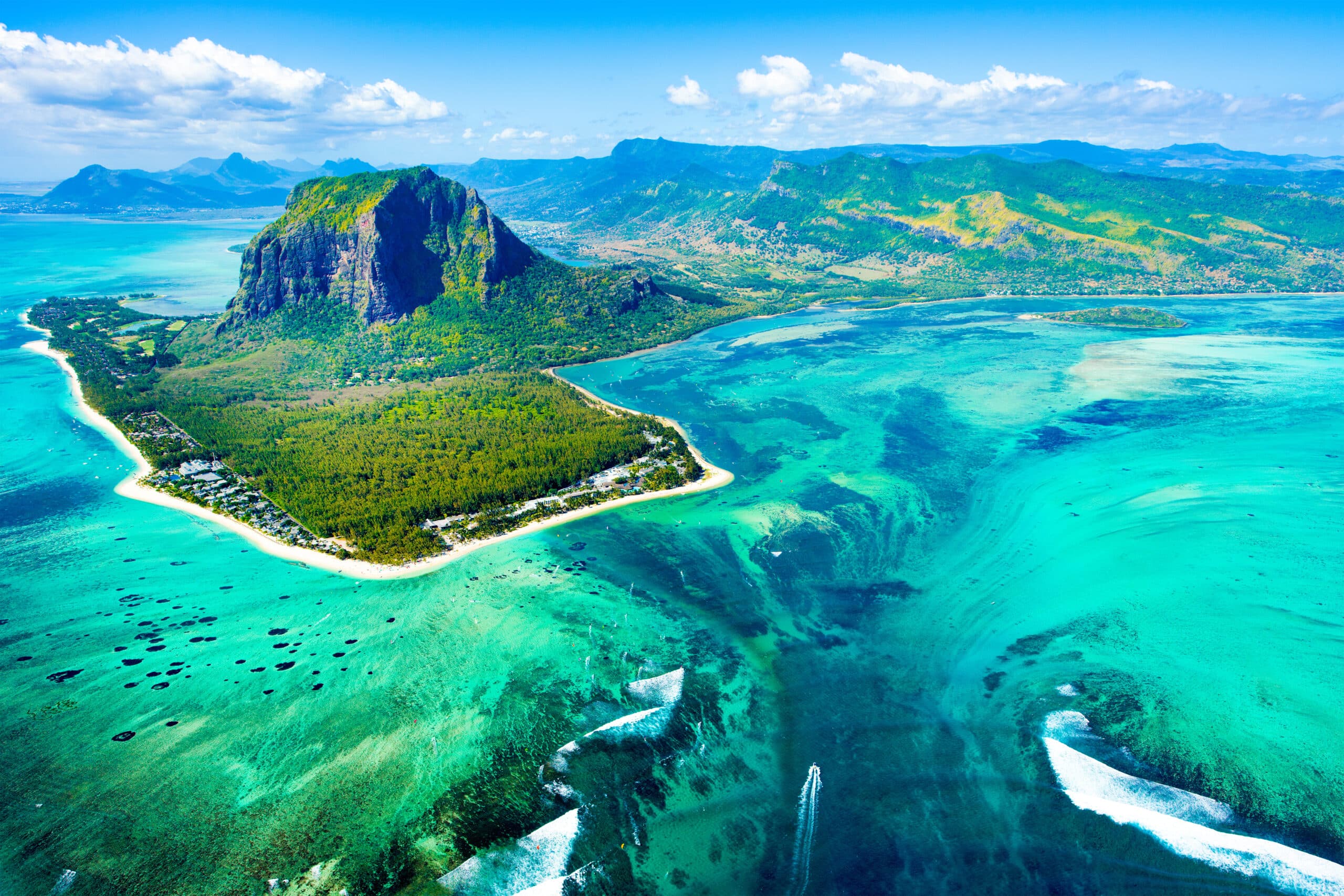
Mauritius
Between turquoise lagoons and Creole charm
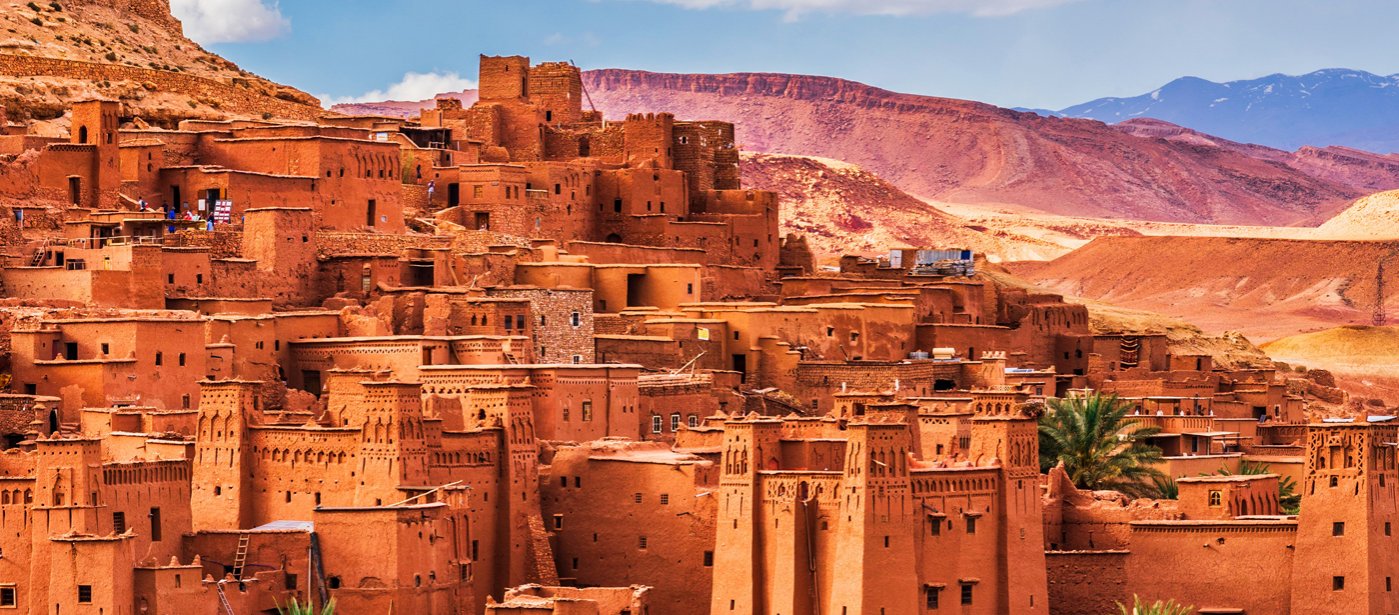
Morocco
Between enchanting medinas, golden dunes and Atlantic shores
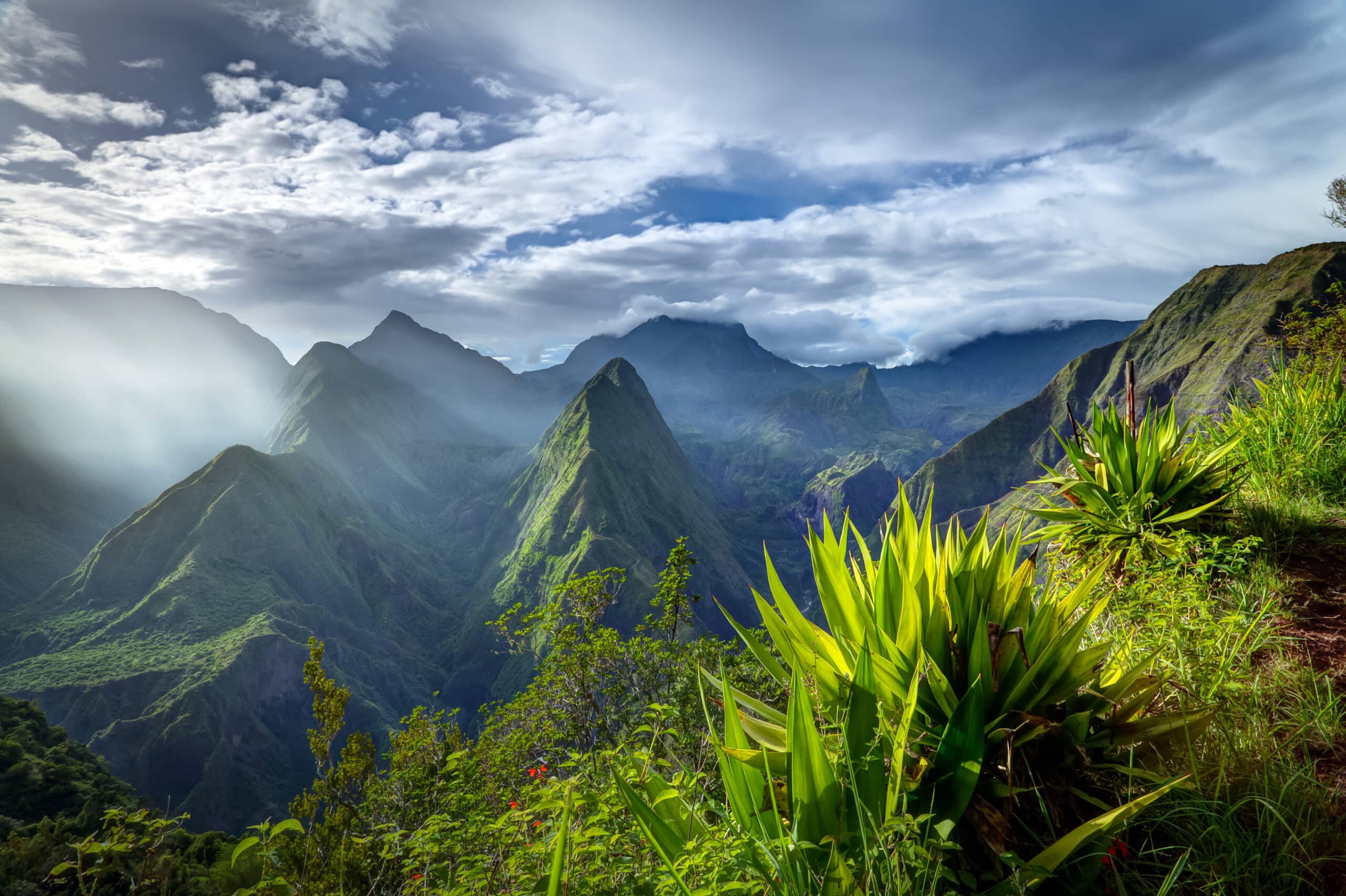
Réunion Island
When adventure meets the gentle allure of the Indian Ocean.
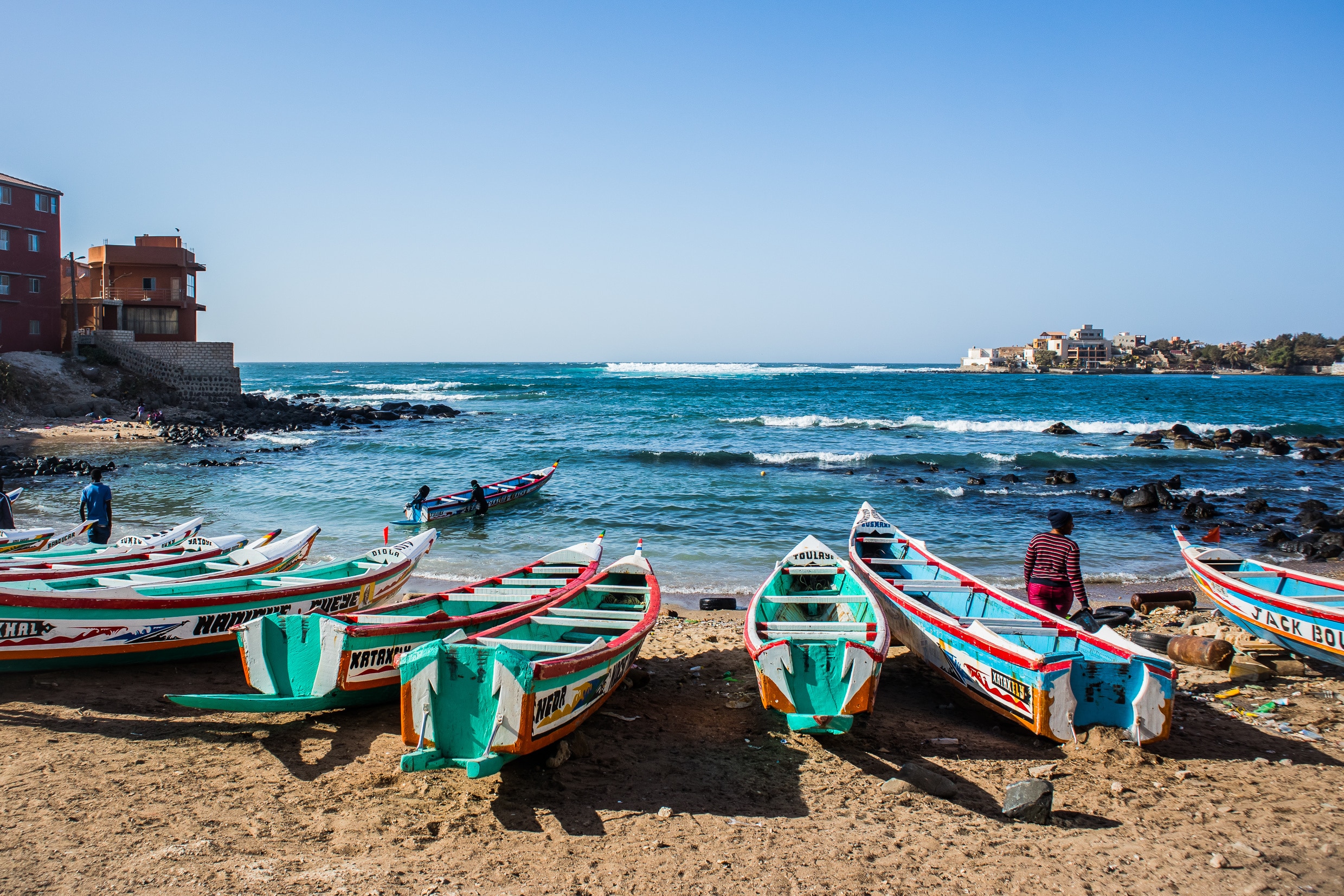
Senegal
Sun, sand and Teranga.
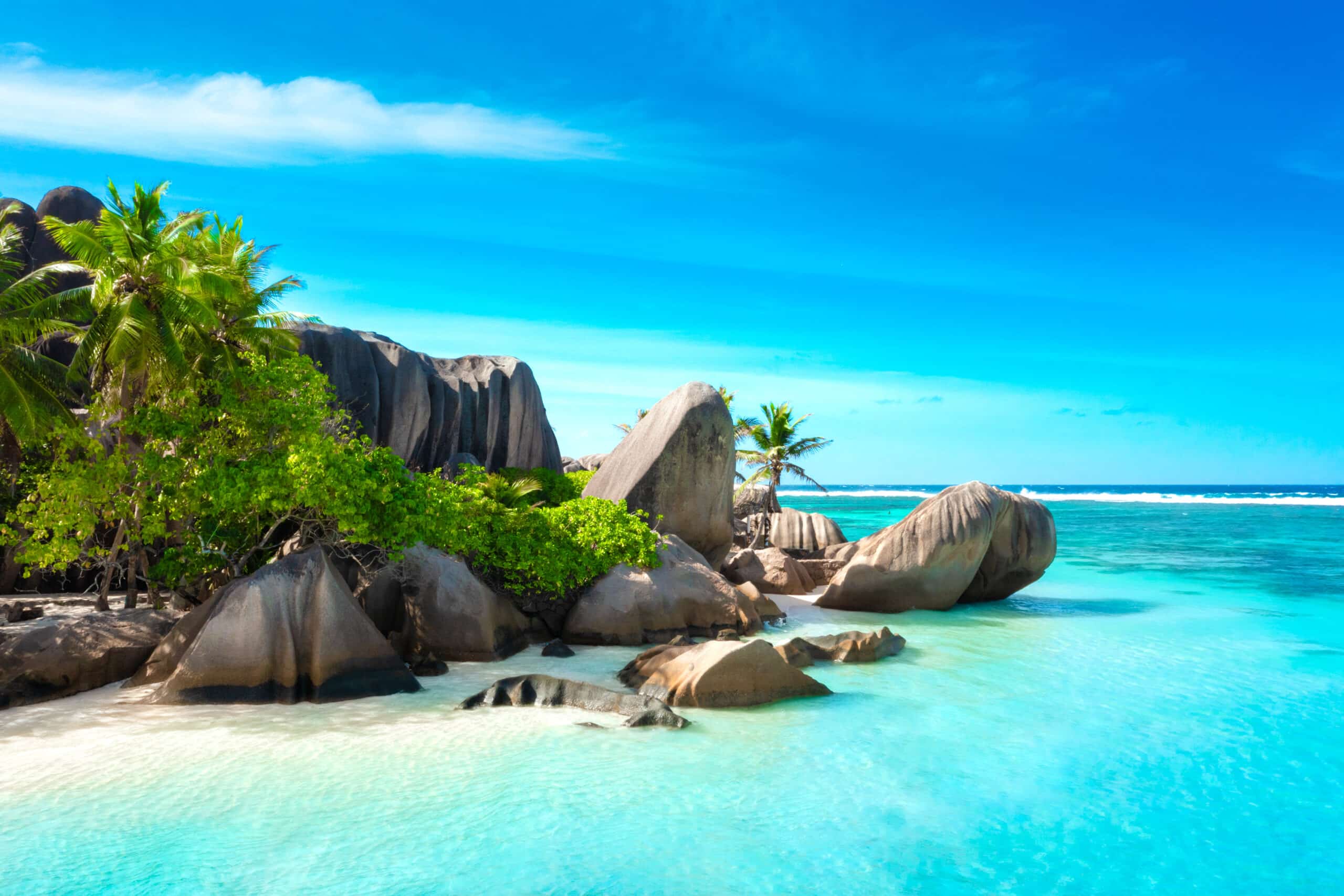
Seychelles
Between natural luxury and wild elegance
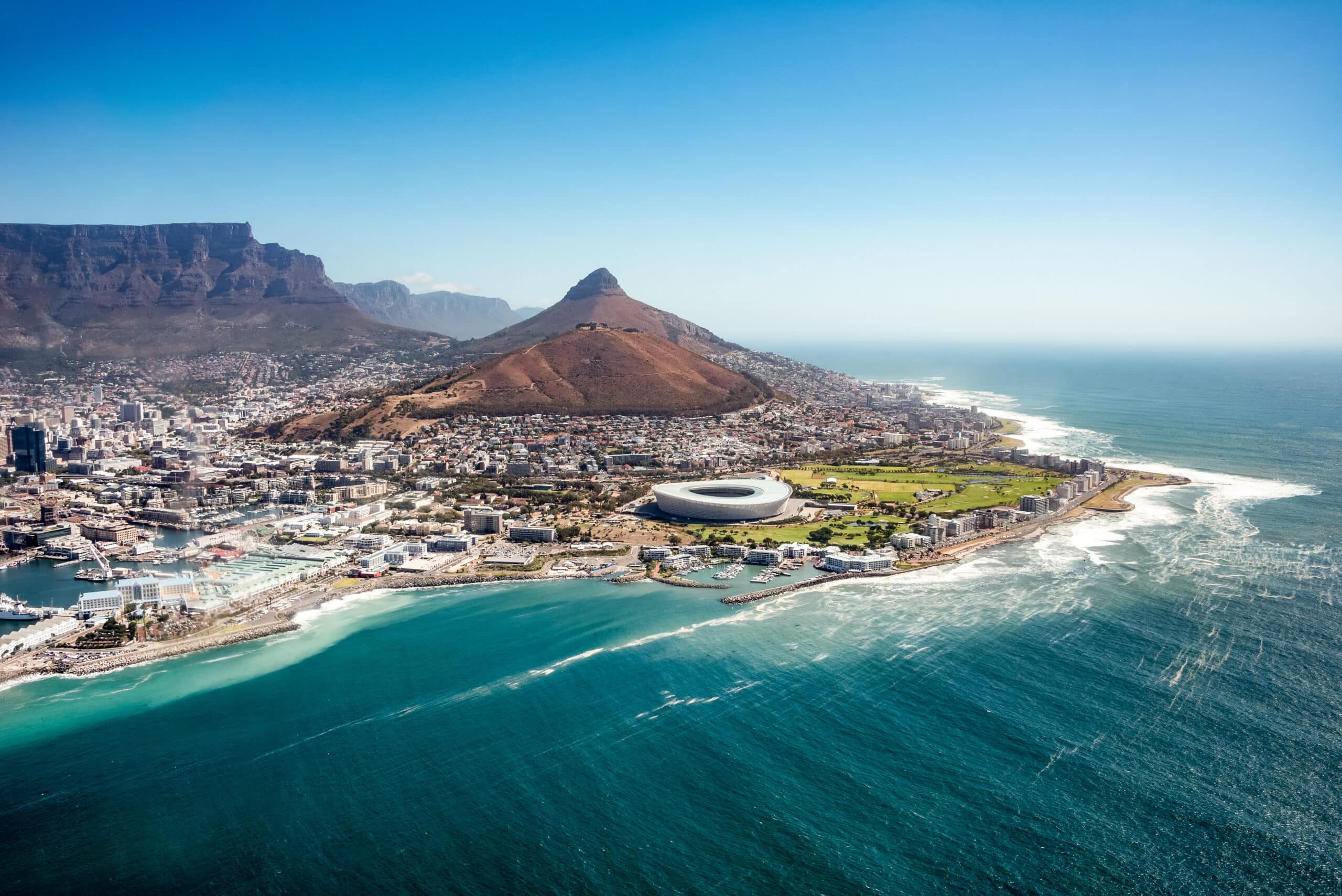
South Africa
South Africa travel: from unforgettable safaris in Kruger to the Cape Winelands and the spectacular landscapes of the Garden Route, an exceptional destination. Discover our tailor-made stays in the heart of a country of a thousand faces, from the Cape of Good Hope to the peaks of the Drakensberg.
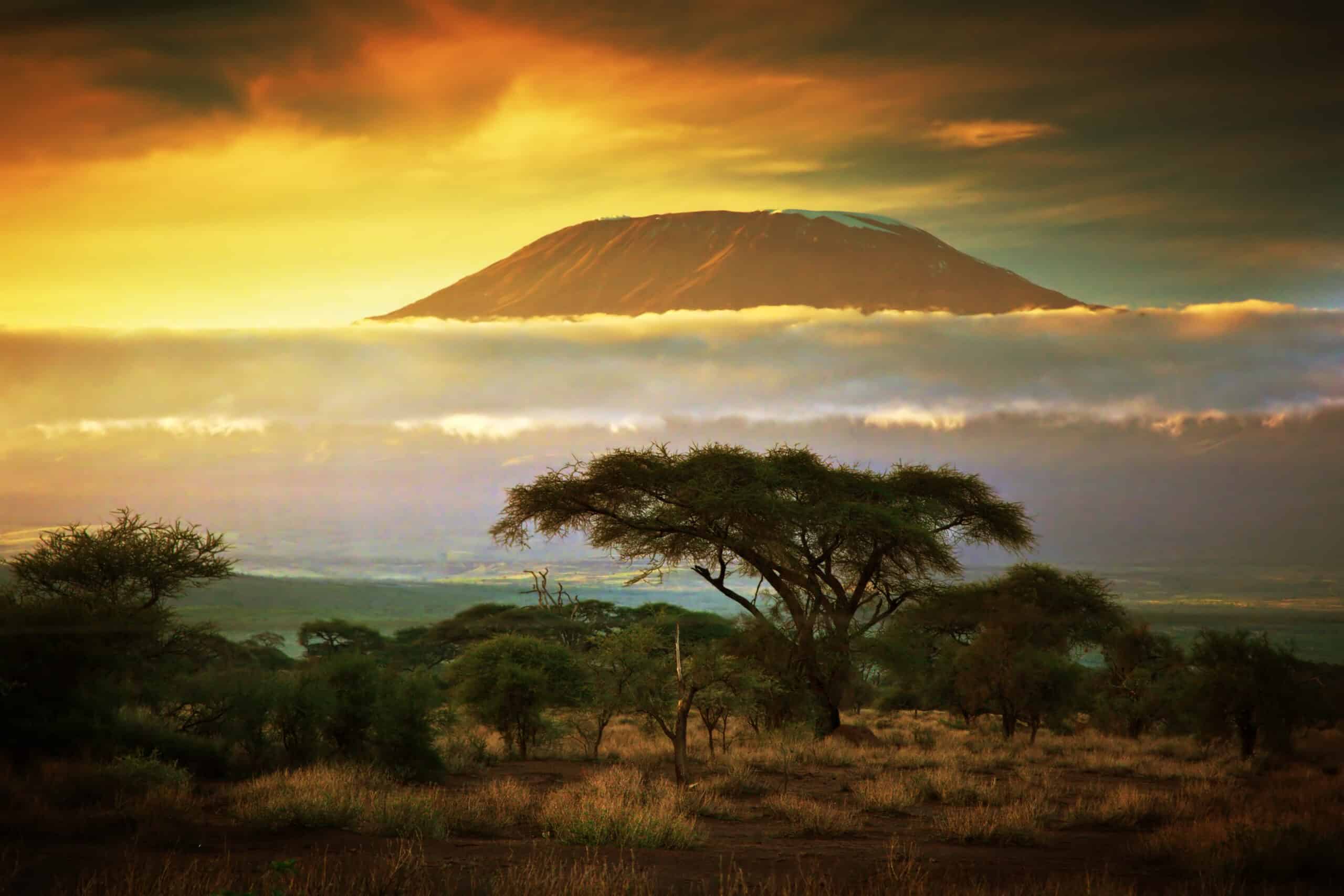
Tanzania – Zanzibar
A breath of escape between wild land and emerald isles
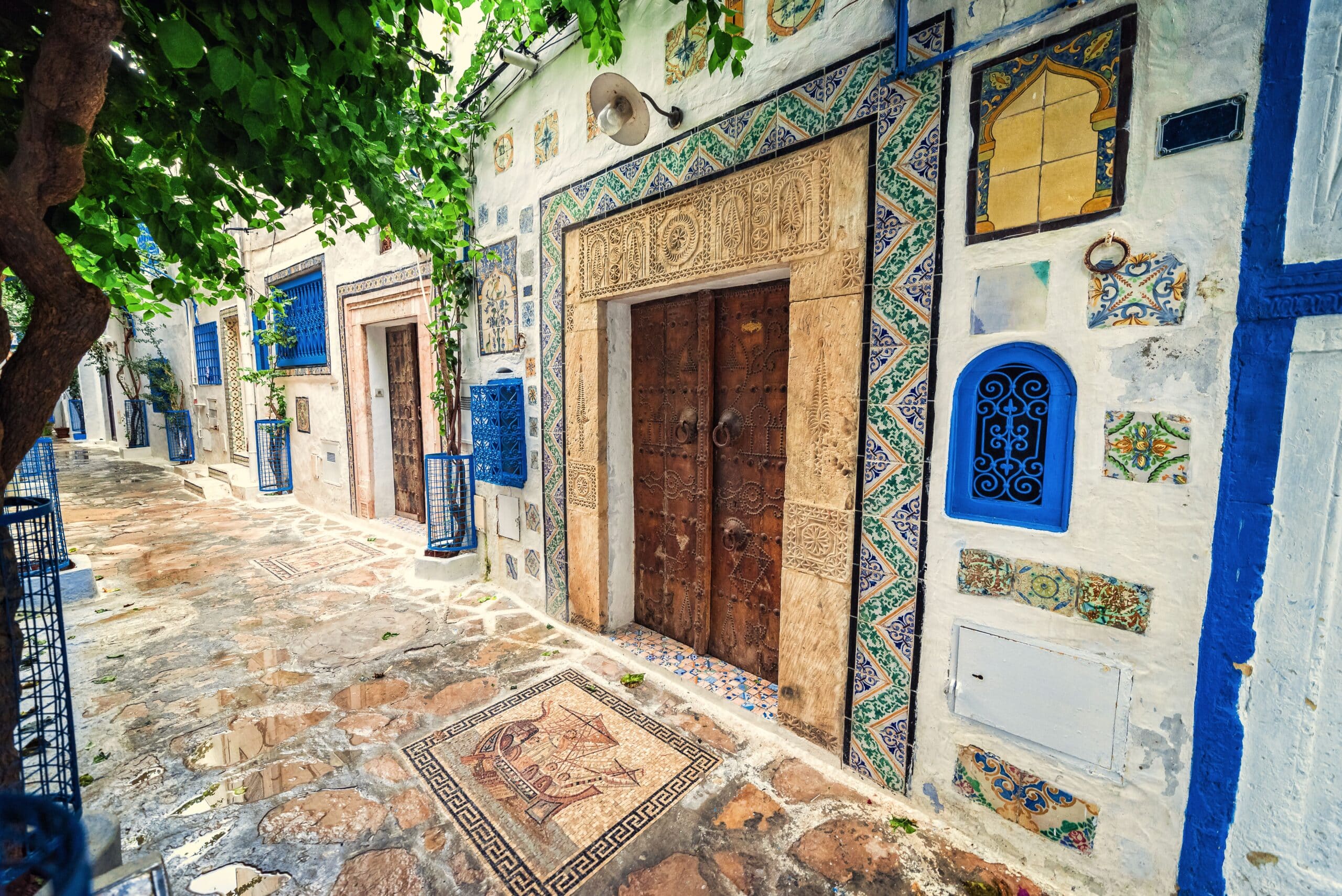
Tunisia
A way of life between medinas, oases and beaches.

Uganda
A rare journey, between wild encounters and endless horizons.
FAQ: everything you need to know to plan your trip to Namibia
Define your priorities: safari in Etosha, the dunes of Sossusvlei, adventure in Swakopmund or a combination of all three. Book lodges and rental cars well in advance (6 to 12 months for high season). Voyages Flammang designs your tailor-made itinerary.
A minimum of 10 to 14 days is recommended to cover the essential sites: Windhoek, Sossusvlei, Swakopmund and Etosha. Three weeks allows you to add Fish River Canyon, Damaraland and the Skeleton Coast.
The dry season (May–October) is optimal for safaris—animals are easy to see, roads are passable, no rain. June–August are the best weeks in Etosha. Sossusvlei is magnificent year-round, even if the rainy season (Jan–Mar) brings more colour to the vegetation.
Allow €3,000 to €5,000 per person for a 10–14-day all-inclusive trip (flights, lodges, car, activities). Luxury lodges in private concessions can increase the total, but quality mid-range options are available.
Flight from Luxembourg with a connection (usually Frankfurt, Paris, Amsterdam or Johannesburg) to Windhoek-Hosea Kutako (WDH). Total duration: around 12 to 15 hours depending on the connection. Common airlines: Lufthansa, Air France, KLM, Ethiopian Airlines.
Both are possible depending on your experience. Self-drive offers total freedom and is cost-effective for groups — Namibia is one of the African countries best suited to this. An organized tour with a guide is recommended for those who want to maximize wildlife sightings.
Yes, with preparation. Children from 6–10 years old generally enjoy safari and discovering nature. Some high-end lodges have specific programs for families. Avoid very young children in the malaria-prone areas of the north.
Namibia is a(n) huge country (824,000 km²), about 30 times the size of Luxembourg. Distances between sites are very large — some drives are 400 to 600 km. Plan your stages accordingly and don’t underestimate driving times.
Absolutely. The Namibia + Cape Town or Namibia + Kruger combination is very popular. Domestic flights between Windhoek and Cape Town or Johannesburg are frequent and inexpensive. A 3-week trip lets you combine both countries comfortably.
Yes. Namibia is one of the most stable and safest countries in Africa, with a strong democratic government and a low level of tourist-related crime. Stay cautious in isolated neighborhoods of Windhoek at night and follow your lodge’s recommendations.
Namibia offers an extraordinary romantic setting: luxury lodges in the heart of nature, blazing sunsets over the dunes of Sossusvlei, nights under an incomparable starry sky, and private dinners by a waterhole. An unforgettable honeymoon or anniversary trip.